How to Choose a Chinese Laser Welder Supplier (Buyer Checklist)
News 2026-11-10 4
The safest way to choose a Chinese laser welder supplier is to confirm five things before you pay: that it is a real factory, which laser source and welding head it uses, what the warranty covers, how support and spare parts work, and whether it will test your own material on video. This guide explains each check and the questions to ask. 1. Factory or trading company? Many websites selling handheld laser welders are traders. A factory can control quality, lead time and spare parts. Ask for: The factory address and a live video tour of the assembly area Business license and year founded Monthly production capacity Photos of recent shipments packed for export 2. Key components A handheld laser welder is mainly the fiber laser source, the welding head (torch), the control system and, for water-cooled models, the chiller. Ask the supplier to name the brand of each. Component What to ask Laser source Brand and power (for example Raycus or Rlaser, 1500W / 2000W / 3000W) Welding head Brand and model (for example Suplaser or RelFar), wobble range, wire feeding support Cooling Air-cooled (no chiller, portable) or water-cooled (chiller brand and capacity) Electrics Brand of breaker, contactor and emergency stop 3. Match power to your material Ask for a parameter table and check it against the thickness you weld. Reference values used by our engineers for stainless steel, carbon steel and galvanized steel: Thickness (mm) Suggested laser power (W) Wire diameter (mm) 1 400–500 0.8–1.2 2 450–600 1.2–1.6 3 500–800 1.2–1.6 4 600–1200 1.2–1.6 6 1200–2500 1.2–1.6 8 2000–3000 1.2–2.0 As a rule of thumb, a 1500W machine covers most work up to about 4 mm; for 5–8...
Portable Laser Welding Machine: Complete Buying Guide for Metal Fabrication
News 2026-08-28 1,080
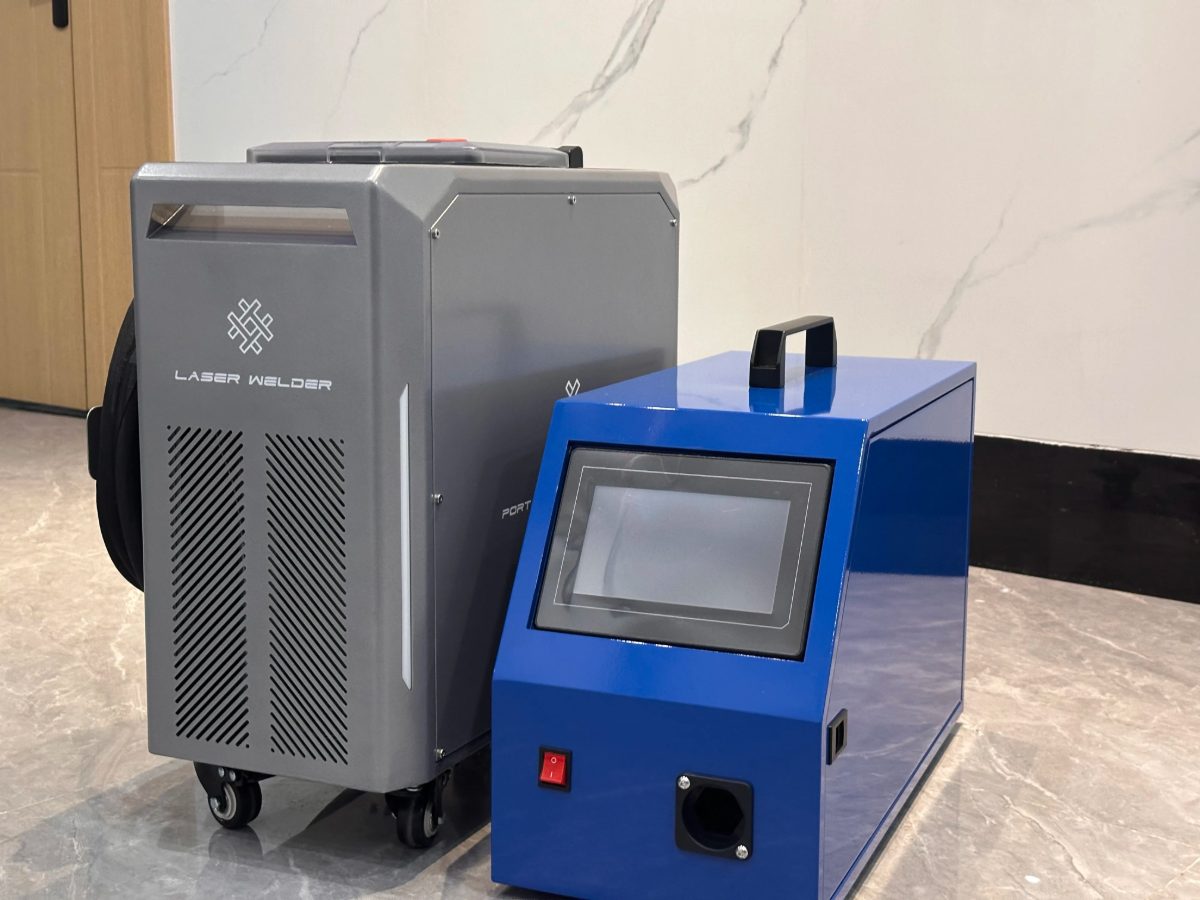
Table of Contents What Is a Portable Laser Welding Machine? How Does a Portable Laser Welding Machine Work? Key Benefits of Portable Laser Welding Portable Laser Welding vs. MIG and TIG Welding What Materials Can a Portable Laser Welder Weld? Portable Laser Welding Machine Power: 1000W vs. 1500W vs. 2000W What Thickness Can a Portable Laser Welder Weld? Applications of Portable Laser Welding Machines Portable Laser Welding Machine with Cleaning Function How to Choose the Right Portable Laser Welding Machine Air-Cooled vs. Water-Cooled Portable Laser Welders Important Portable Laser Welding Parameters Common Portable Laser Welding Problems Portable Laser Welding Machine Safety Portable Laser Welding Machine Price Is a Portable Laser Welder Worth the Investment? Portable Laser Welding Machine Buying Checklist Frequently Asked Questions Conclusion 1. What Is a Portable Laser Welding Machine? A portable laser welding machine is a compact laser welding system designed to join metal components using a concentrated laser beam. Unlike traditional welding equipment, a portable laser welder delivers highly concentrated energy into a small area, allowing manufacturers to create precise welds with relatively low heat input. A typical portable laser welding system consists of several key components, including a laser source, handheld welding gun, control system, cooling system, shielding gas system, and optional wire feeder. The handheld welding gun gives operators greater flexibility when working with different workpiece shapes and positions. This makes portable laser welding particularly useful for sheet metal fabrication, stainless steel products, machinery manufacturing, metal furniture, kitchen equipment, automotive components, and general metal fabrication. Modern handheld laser welding systems are also designed to reduce the learning curve compared with some conventional welding processes. Manufacturers increasingly emphasize ease of operation, productivity, and reduced pre-...
Laser Welding Stainless Steel: The Complete Guide for Manufacturers (2026)
News 2026-07-28 767
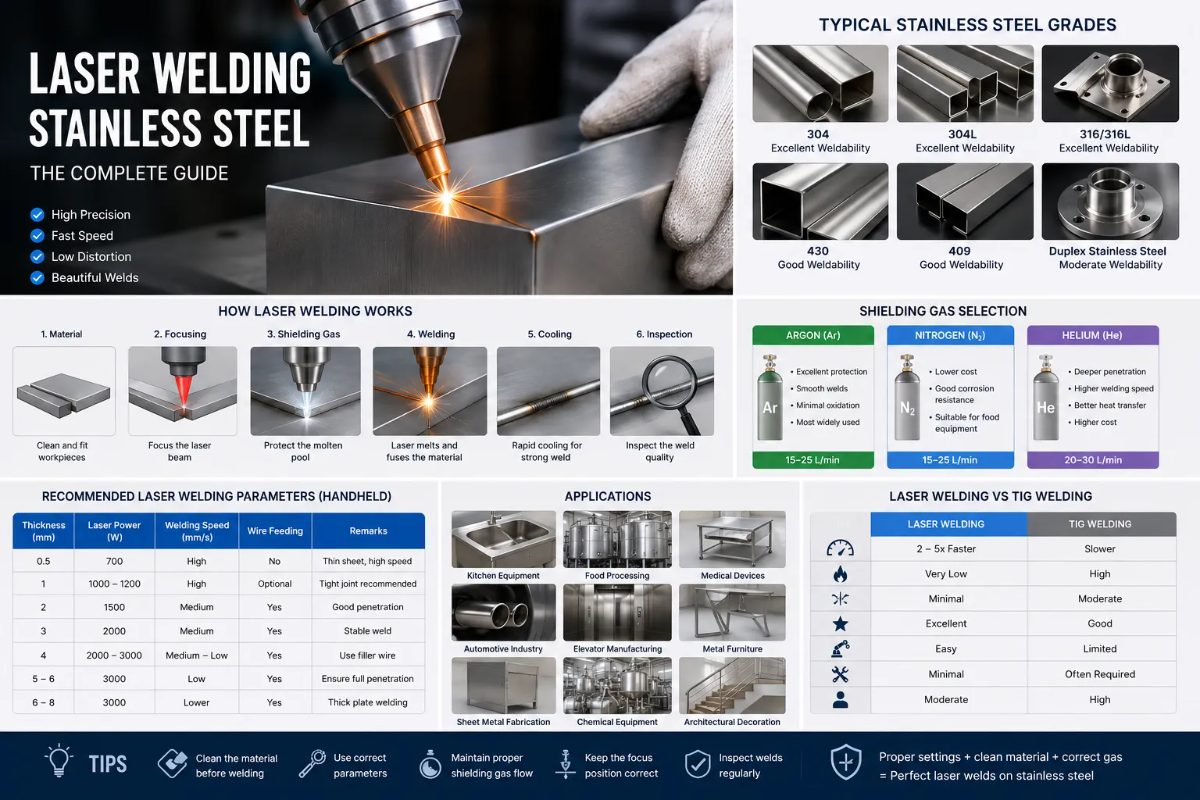
Published: July 28, 2026 Author: XFH LASER Engineering Team Table of Contents Introduction What Is Laser Welding Stainless Steel? Why Stainless Steel Is Ideal for Laser Welding Types of Stainless Steel Suitable for Laser Welding How Laser Welding Stainless Steel Works Best Laser Welding Machines for Stainless Steel Recommended Laser Welding Parameters Choosing the Right Shielding Gas Applications of Laser Welding Stainless Steel Advantages Over Traditional Welding Common Welding Defects and Solutions Stainless Steel Thickness Guide Best Practices for Laser Welding Stainless Steel Laser Welding Stainless Steel vs TIG Welding Frequently Asked Questions Conclusion Laser Welding Stainless Steel: The Complete Guide for Manufacturers Stainless steel has become one of the most widely used engineering materials across modern manufacturing. From kitchen equipment and food processing systems to automotive components and medical devices, its excellent corrosion resistance, strength, and attractive appearance make it the preferred choice for countless industries. As manufacturing standards continue to rise, traditional welding methods such as TIG and MIG are increasingly challenged by demands for higher productivity, cleaner welds, and lower operating costs. This is where laser welding stainless steel has become a game-changing technology. Using a highly focused fiber laser beam, manufacturers can create narrow, deep welds with minimal heat input, resulting in less distortion, stronger joints, and significantly faster production speeds. Compared with conventional arc welding, laser welding stainless offers better consistency, easier automation, and lower post-processing requirements. Today, handheld fiber laser welders are rapidly replacing traditional welding equipment in fabrication shops, while fully automated laser welding systems are becoming standard in industries that require high-volume production. Whether you are considering purchasing your first laser welding machine or upgrading your existing production line, understanding the principles...
Laser Welding Applications: Complete Guide to Process, Penetration & Safety (2026)
News 2026-07-09 1,756
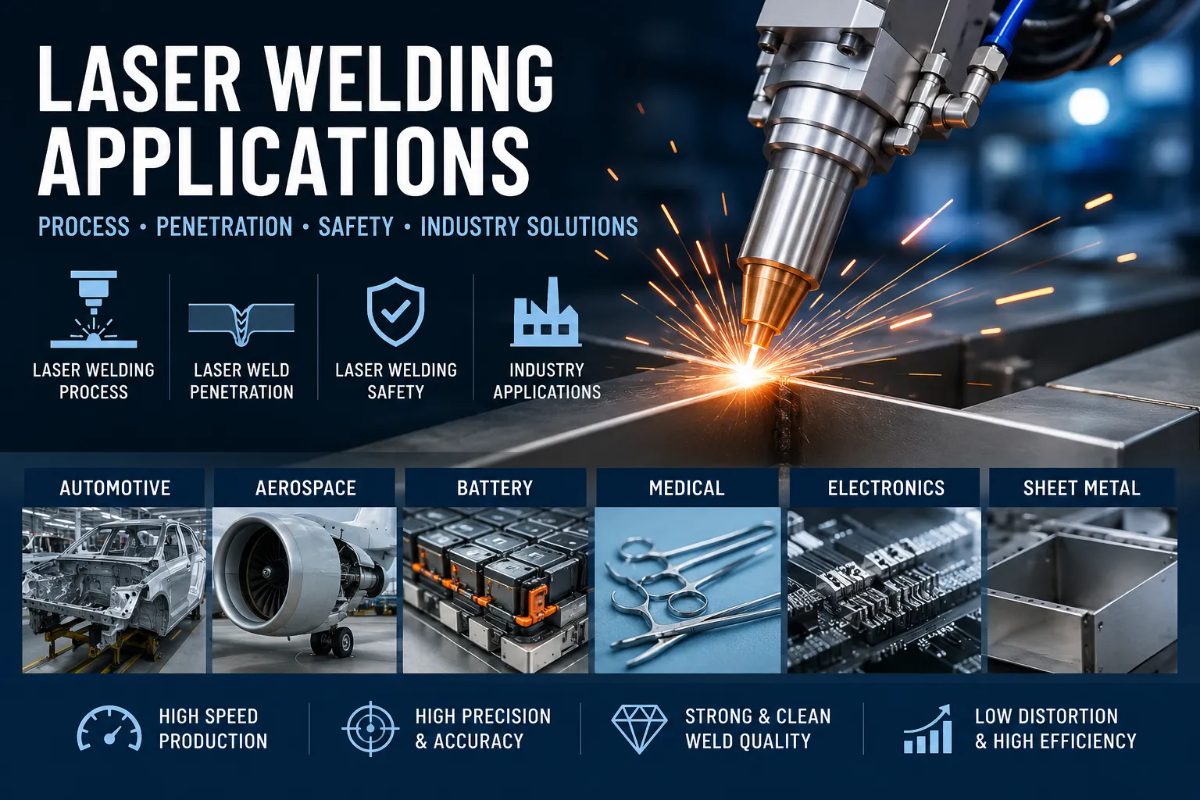
Author: XFH LASER Engineering TeamPublished: July 2026Reading Time: 10–12 Minutes Table of Contents What Is Laser Welding? How Does the Laser Welding Process Work? Types of Laser Welding Processes Understanding Laser Weld Penetration Factors That Affect Laser Weld Penetration Top Laser Welding Applications Best Materials for Laser Welding Advantages of Laser Welding Limitations of Laser Welding Laser Welding Safety Guidelines Common Welding Defects and Solutions Frequently Asked Questions Conclusion Laser welding has become one of the most important joining technologies in modern manufacturing. Compared with conventional welding methods such as MIG and TIG, laser welding delivers faster production speeds, deeper weld penetration, lower heat input, and exceptional precision. These advantages make it the preferred solution for industries that demand consistent weld quality and high productivity. Today, laser welding applications can be found in automotive manufacturing, aerospace engineering, medical device production, consumer electronics, battery manufacturing, kitchen equipment, and sheet metal fabrication. As fiber laser technology continues to evolve, more companies are replacing traditional welding equipment with handheld and automated laser welding systems to reduce production costs while improving efficiency. However, successful laser welding is not only about using advanced equipment. Manufacturers must also understand the complete laser welding process, know how to achieve proper laser weld penetration, and follow strict laser welding safety procedures to protect operators and ensure reliable production. This guide explains everything you need to know—from how laser welding works to its most common industrial applications—helping you choose the right process and optimize welding performance. What Is Laser Welding? Laser welding is a fusion welding process that joins two or more metal components using a highly concentrated laser beam. The laser delivers a large amount of energy...
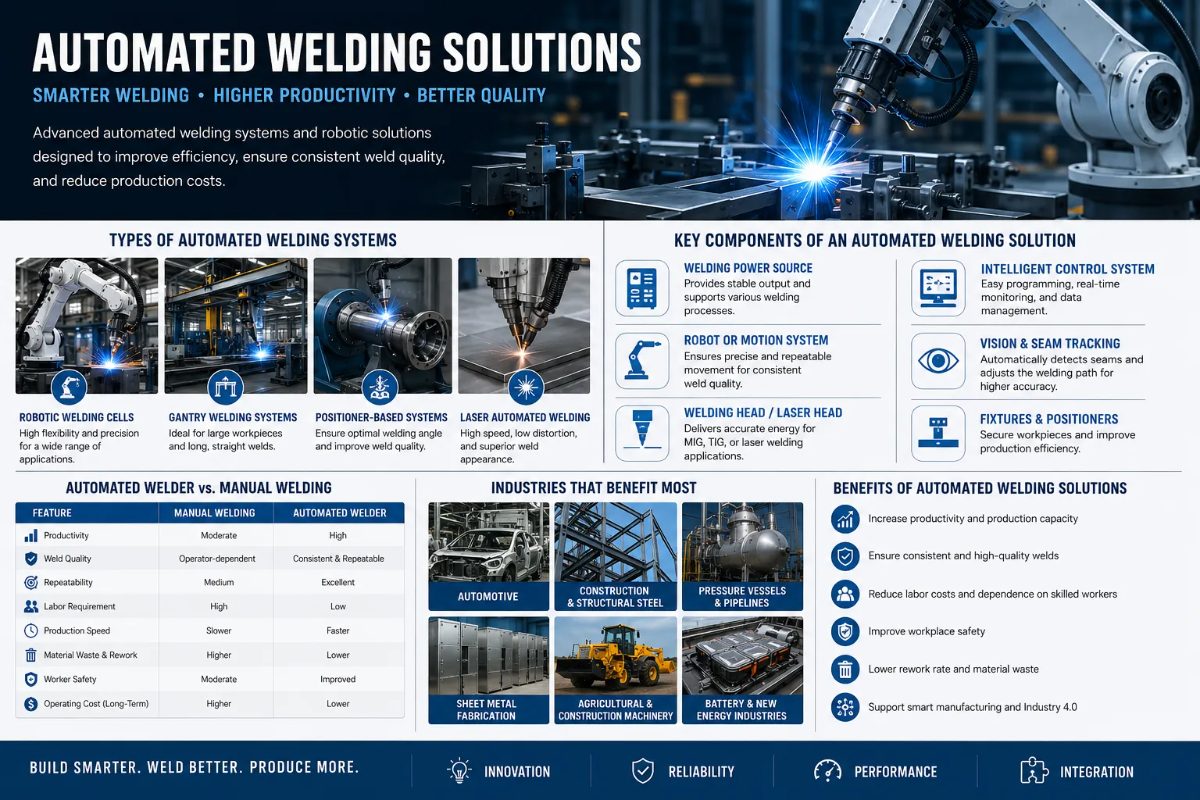
Automated Welding Solutions: A Complete Guide for Modern Manufacturing
News 2026-07-02 474
Published Date July 2, 2026 Author XFH LASER Engineering Team Table of Contents Introduction What Are Automated Welding Solutions? Why Manufacturers Are Switching to Automated Welders Types of Automated Welding Systems Key Components of an Automated Welding Solution Automated Welder vs Manual Welding Industries That Benefit Most from Welding Automation How to Choose the Right Automated Welding Solution Future Trends in Welding Automation Frequently Asked Questions Conclusion 1.Introduction Manufacturing is evolving faster than ever, and companies are under increasing pressure to produce high-quality products while reducing costs and improving efficiency. Rising labor costs, a shortage of skilled welders, and the demand for consistent production have accelerated the adoption of automated welding solutions across industries worldwide. Unlike traditional manual welding, an automated welder performs welding tasks with programmed precision and repeatability. Modern systems combine robotics, laser technology, intelligent controls, and real-time monitoring to deliver stable weld quality while minimizing human intervention. Whether manufacturing automotive parts, metal furniture, pressure vessels, construction equipment, or battery components, automation has become a key competitive advantage. Today’s automated welding solutions are no longer limited to large automotive factories. Small and medium-sized manufacturers are increasingly investing in compact robotic cells, laser welding systems, and flexible automation platforms that offer faster return on investment and lower operating costs. In this guide, we’ll explain how automated welding systems work, compare different technologies, discuss their advantages, and help you choose the best solution for your production requirements. 2.What Are Automated Welding Solutions? Automated welding solutions refer to systems that use machines, robots, software, and intelligent controls to perform welding operations with minimal manual intervention. These systems are designed to improve productivity, increase welding accuracy, and deliver consistent results throughout the...
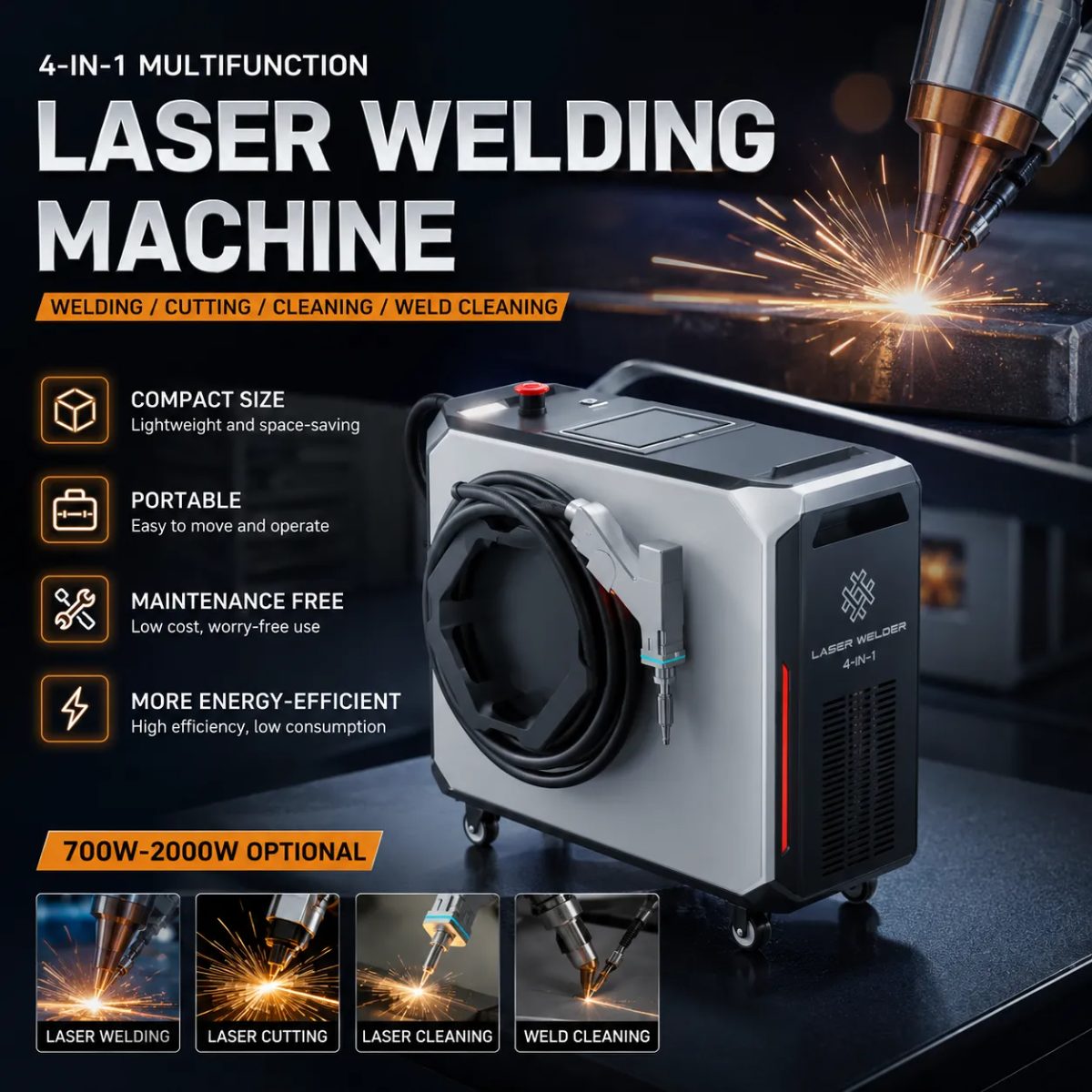
Handheld Portable Welder: The Complete Buyer’s Guide (2026)
News 2026-06-30 1,571
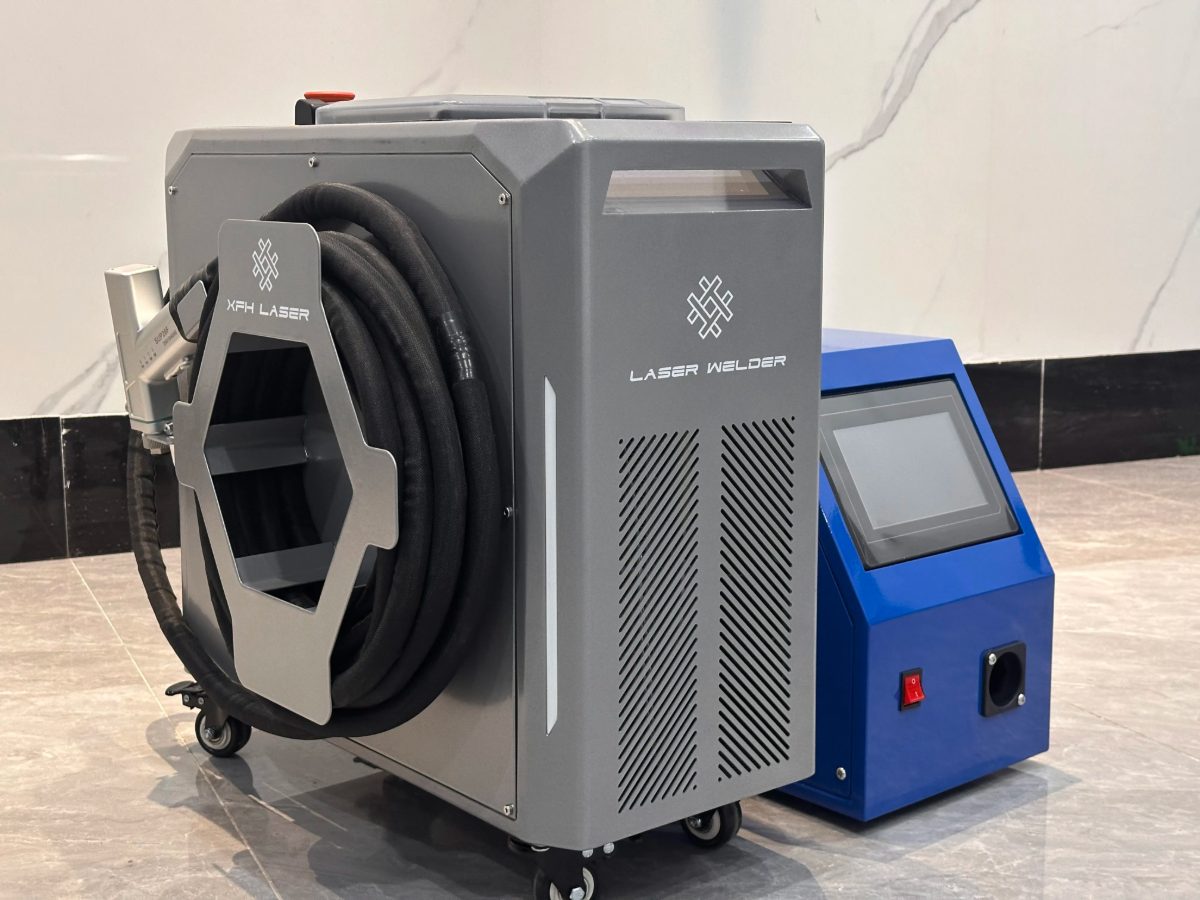
Published: June 30, 2026 Author: XFH LASER Engineering Team Table of Contents Introduction What Is a Handheld Portable Welder? Why Portable Laser Welders Are Always Air-Cooled Air-Cooled vs Water-Cooled Laser Welders How Air Cooling Technology Works Choosing the Right Laser Power (700W–2000W) What Materials Can a Handheld Portable Welder Weld? How to Choose the Best Handheld Portable Welder for Your Business Key Features to Consider Before Buying Common Buying Mistakes How Much Does a Handheld Portable Welder Cost? Frequently Asked Questions Why Choose XFH Laser? Final Thoughts 1.Introduction Laser welding has changed the way manufacturers join metal. Compared with traditional MIG and TIG welding, a handheld portable welder offers higher speed, cleaner welds, and much less post-processing. Today, more workshops are replacing conventional welding machines with portable laser welders. They are easier to learn, produce better-looking welds, and improve overall productivity. However, not every portable welding machine is the same. Power, cooling system, laser source, and component quality all affect performance, operating costs, and long-term reliability. This guide explains everything you need to know before buying a handheld portable welder in 2026. Whether you own a fabrication shop, run a manufacturing factory, or plan to become a distributor, this guide will help you choose the right machine. 2.What Is a Handheld Portable Welder? A handheld portable welder is a compact fiber laser welding machine designed for manual welding. Unlike large industrial systems, it is lightweight, easy to move, and can be used almost anywhere with a suitable power supply. Most portable laser welders are used for welding: Stainless steel Carbon steel Aluminum Galvanized steel Brass A typical handheld laser welding machine consists of several key components: Fiber laser source...
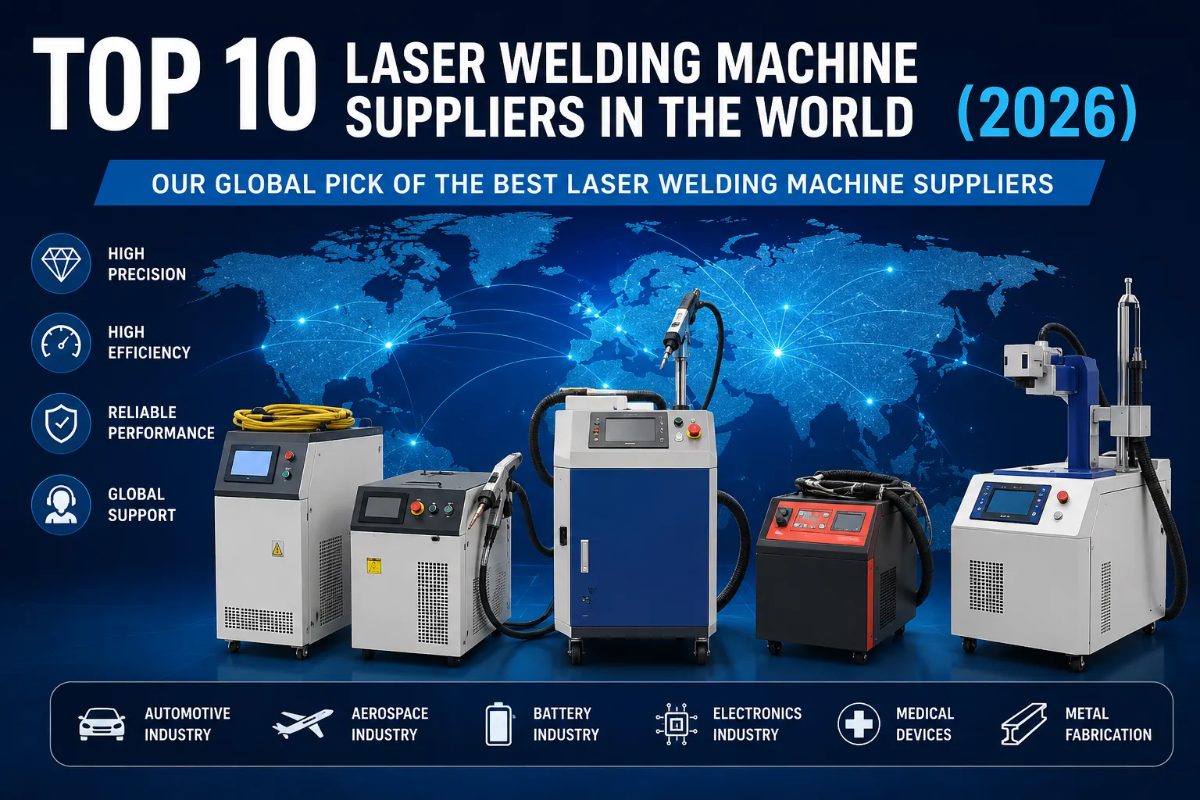
Top 10 Laser Welding Machine Suppliers in the World (2026)
News 2026-06-11 2,517
Table of Contents Introduction What Makes a Great Laser Welding Machine Supplier? How We Selected the Top Laser Welding Machine Suppliers Top 10 Laser Welding Machine Suppliers in the World (2026) Comparison Table: Top Suppliers at a Glance China vs Europe vs USA: Where Are the Best Suppliers? How to Choose the Right Laser Welding Machine Supplier Future Trends in the Global Laser Welding Market Frequently Asked Questions Conclusion Introduction Laser welding technology has transformed modern manufacturing by providing faster welding speeds, higher precision, lower heat distortion, and greater automation capabilities than traditional welding methods. Today, industries such as automotive, aerospace, battery production, electronics, medical devices, and metal fabrication increasingly rely on laser welding systems to improve productivity and product quality. However, selecting the right laser welding machine supplier is just as important as choosing the right machine. A reliable supplier provides not only equipment but also technical support, training, spare parts, and long-term service. This guide highlights the top laser welding machine suppliers in the world and explains how manufacturers can identify the best partner for their production needs. What Makes a Great Laser Welding Machine Supplier? Before comparing suppliers, it is important to understand the factors that separate leading manufacturers from average equipment providers. Technology and Innovation The best suppliers continuously invest in: Fiber laser technology Automation systems AI-assisted welding Smart manufacturing solutions Product Quality Reliable suppliers offer: Stable laser sources Durable components Strict quality control Consistent welding performance Global Service Support After-sales support often determines long-term success. Look for suppliers that provide: Technical training Spare parts availability Online troubleshooting Local service partners Industry Experience Manufacturers with extensive experience usually have stronger engineering capabilities and proven application knowledge....
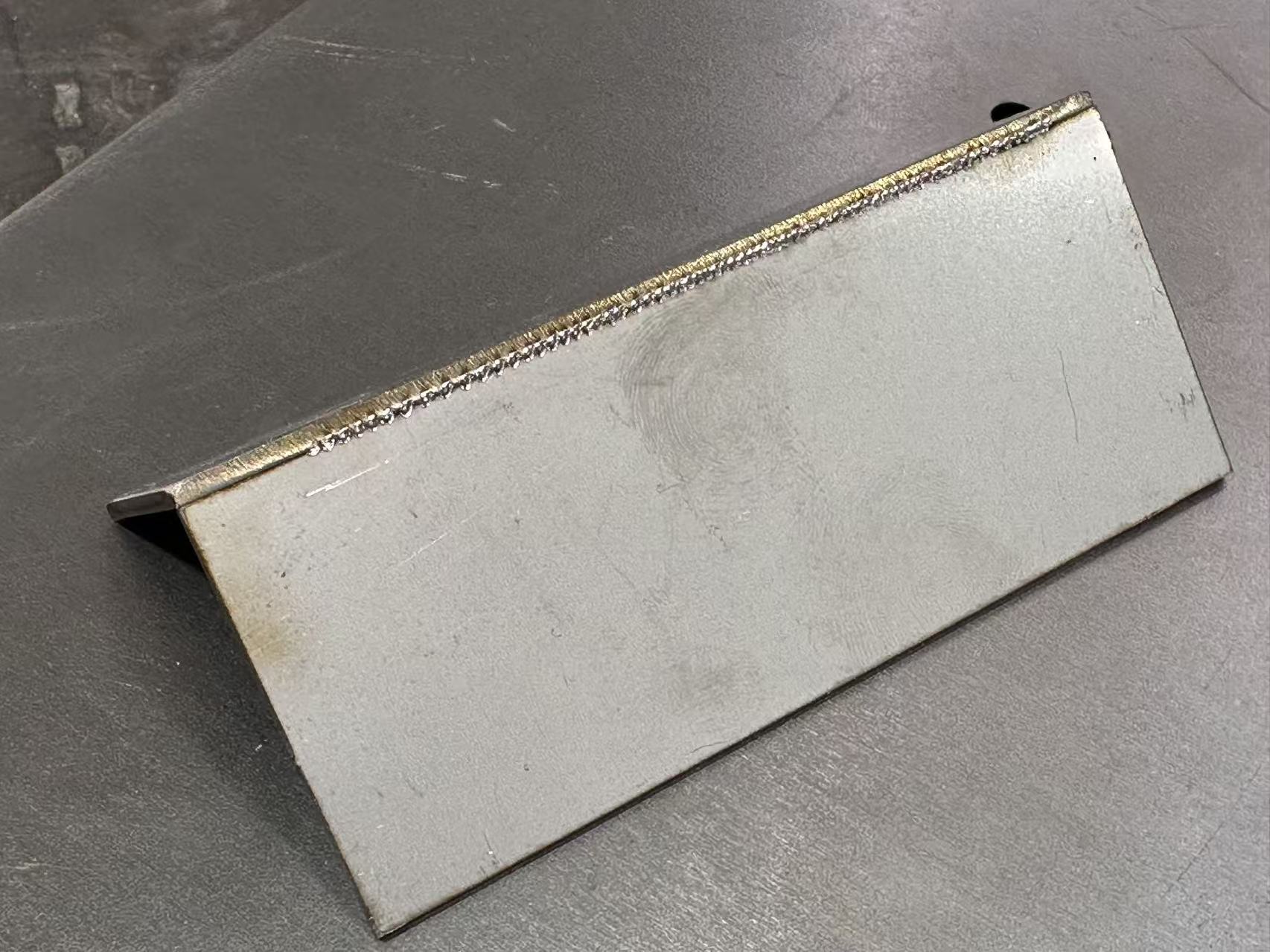
What Is Precision Laser Welding? A Complete Guide for Manufacturers in 2026
News 2026-06-09 236
Author: XFH LASER Engineering Team Published: June 2026 Table of Contents What Is Precision Laser Welding? How Precision Laser Welding Works Types of Precision Laser Welding Key Components of a Precision Laser Welding System Advantages of Precision Laser Welding Materials Suitable for Precision Laser Welding Precision Laser Welding Applications Precision Laser Welding vs Traditional Welding Methods Common Precision Laser Welding Defects and Solutions Why Surface Preparation Matters in Precision Welding How Pulse Laser Cleaning Improves Welding Quality How to Choose a Precision Laser Welding Machine Future Trends in Precision Laser Welding for 2026 Frequently Asked Questions Conclusion Introduction Modern manufacturers face increasing demands for tighter tolerances, stronger welds, and higher production efficiency. Traditional welding methods often struggle to meet these requirements when working with thin materials, micro-components, medical devices, battery systems, and aerospace parts. Precision laser welding has emerged as one of the most advanced joining technologies available today. By focusing laser energy into an extremely small spot, manufacturers can create highly accurate welds with minimal heat distortion, exceptional repeatability, and superior weld quality. Industries ranging from electronics and medical manufacturing to EV battery production increasingly rely on laser welding to improve productivity and product performance. 1. What Is Precision Laser Welding? Definition Precision laser welding is a high-accuracy joining process that uses a focused laser beam to melt and fuse materials together. Unlike conventional welding processes that spread heat over a larger area, laser welding concentrates energy into a narrow spot, creating: Narrow weld seams Small heat-affected zones (HAZ) Minimal distortion High dimensional accuracy Excellent repeatability The process is particularly valuable when manufacturing components that require micron-level precision and strict quality control. 2. How Precision Laser Welding Works Step...
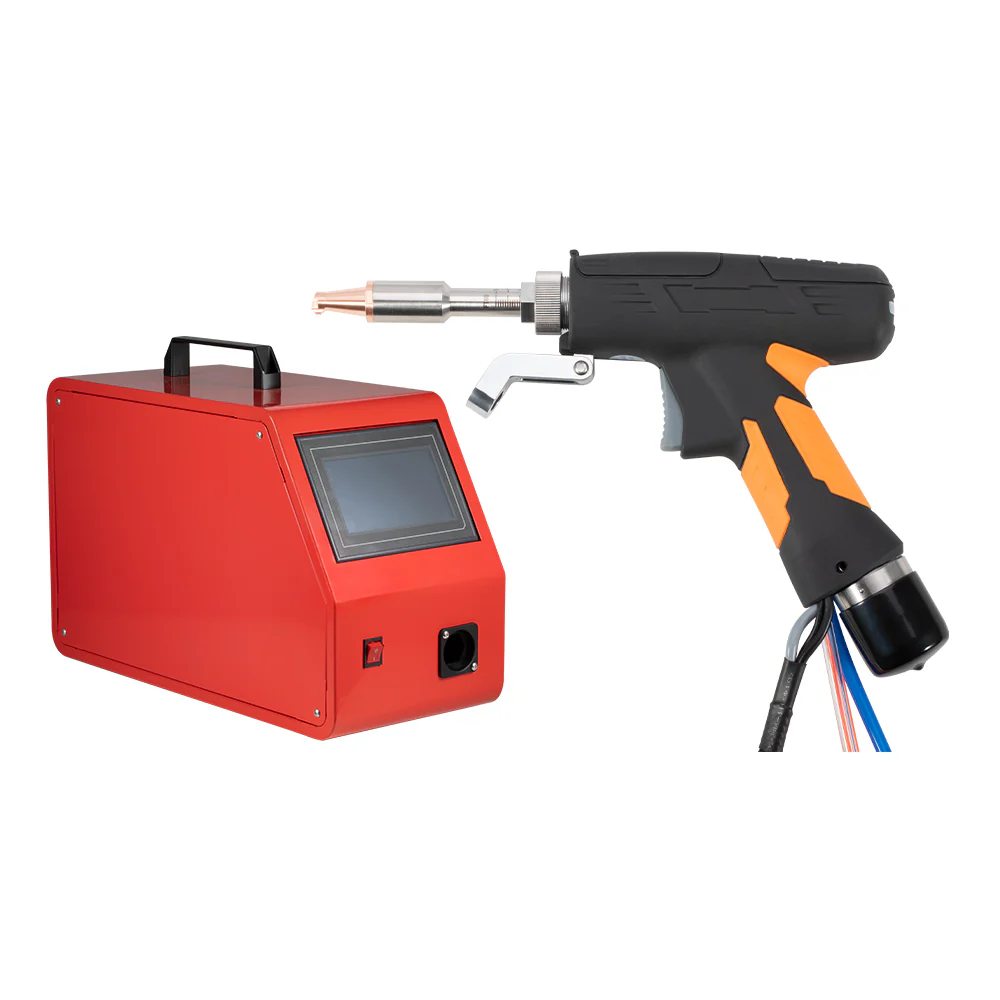
Top 5 Laser Welding Gun Manufacturers in 2026
News 2026-06-04 750
Author: XFH LASER Engineering Team Published: June 4, 2026 Table of Contents What Is a Laser Welding Gun? Why Laser Welding Guns Are Growing in Popularity How We Ranked These Manufacturers Top 5 Laser Welding Gun Manufacturers Laser Welding Gun Manufacturer Comparison Table How to Choose the Right Laser Welding Gun Supplier Future Trends in Laser Welding Technology Conclusion The global demand for laser welding guns has increased rapidly as manufacturers seek faster, cleaner, and more efficient welding solutions. Compared with traditional MIG and TIG welding, handheld laser welding systems offer higher productivity, lower heat input, and significantly reduced post-processing. Today, laser welding guns are widely used in sheet metal fabrication, automotive manufacturing, kitchenware production, aerospace components, metal furniture, and custom fabrication shops. In this guide, we review the top five laser welding gun manufacturers based on technology, product quality, market reputation, innovation, and industrial adoption. What Is a Laser Welding Gun? A laser welding gun is the handheld component of a fiber laser welding machine that directs a concentrated laser beam onto a workpiece to create precise and high-strength welds. Modern handheld laser welding guns typically feature: Ergonomic lightweight design Integrated wire feeding systems Adjustable welding modes Safety monitoring systems Multi-function welding, cleaning, and cutting capabilities Unlike traditional welding torches, laser welding guns require less operator experience and can achieve professional-quality welds with minimal training. Why Laser Welding Guns Are Growing in Popularity Faster Welding Speed Laser welding can be several times faster than conventional TIG welding, helping manufacturers improve productivity and reduce labor costs. Cleaner Weld Appearance The concentrated laser beam creates narrow weld...
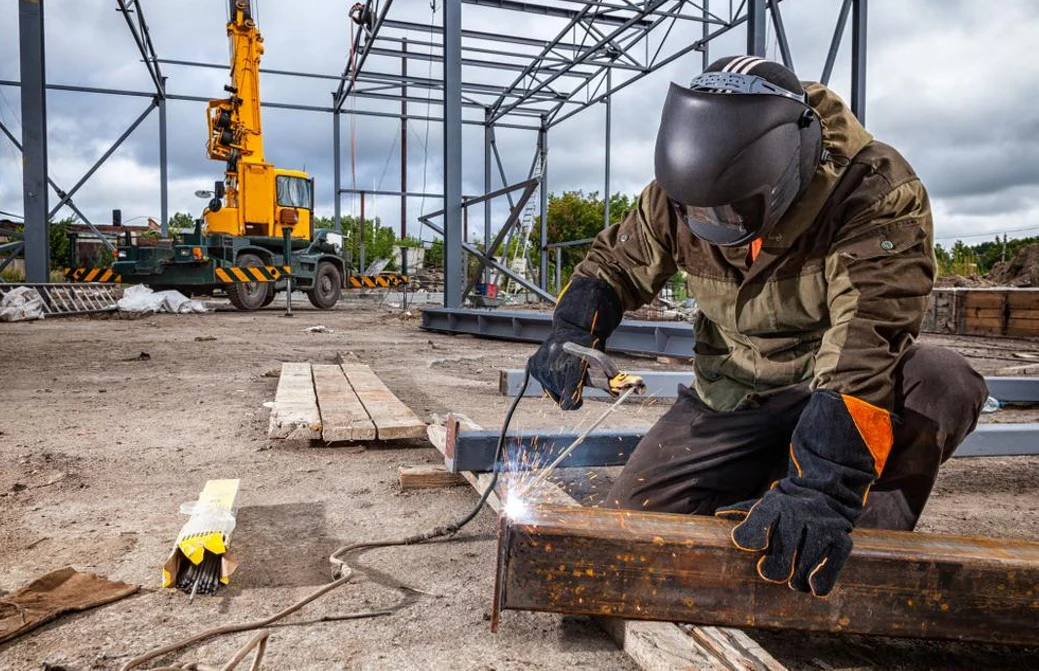
Small Laser Welder Best Suited for Outdoor Welding in 2026
News 2026-05-29 735
Published Date: May 29, 2026 Author: XFH LASER Engineering Team Table of Contents Introduction Why Outdoor Welding Is Different What Is a Small Laser Welder? Why Small Laser Welders Are Ideal for Outdoor Welding Key Features to Look for in a Portable Laser Welder Best Outdoor Applications for Small Laser Welders What Materials Can a Small Laser Welder Weld? Small Laser Welder vs Traditional TIG/MIG Welding Common Outdoor Welding Challenges and Solutions How to Choose the Best Small Laser Welder Safety Tips for Outdoor Laser Welding Future Trends of Portable Laser Welding Machines Conclusion Outdoor welding environments can be challenging. Wind, dust, unstable power supplies, and limited working space often make traditional welding methods inefficient and difficult to manage. As industries increasingly demand flexible and portable fabrication solutions, the Small Laser Welder has become one of the fastest-growing welding technologies worldwide. Compared with traditional TIG and MIG welders, a handheld fiber laser welding machine offers faster welding speed, lower heat distortion, cleaner weld seams, and easier operation. Most importantly, modern compact laser welding systems are highly portable, making them perfect for outdoor applications. In this article, we will explain why the Small Laser Welder is becoming the best solution for outdoor welding in 2026 and how businesses can benefit from portable laser welding technology. Why Outdoor Welding Is Different Unlike indoor factory welding, outdoor welding environments are often unpredictable. Welders may work on construction sites, farms, automotive repair locations, shipyards, or mobile fabrication projects where conditions constantly change. Outdoor welding usually involves: Uneven working surfaces Long-distance operation Dust and moisture exposure Wind affecting shielding gas Limited workspace Power supply instability Frequent machine movement A portable Small Laser Welder solves many...
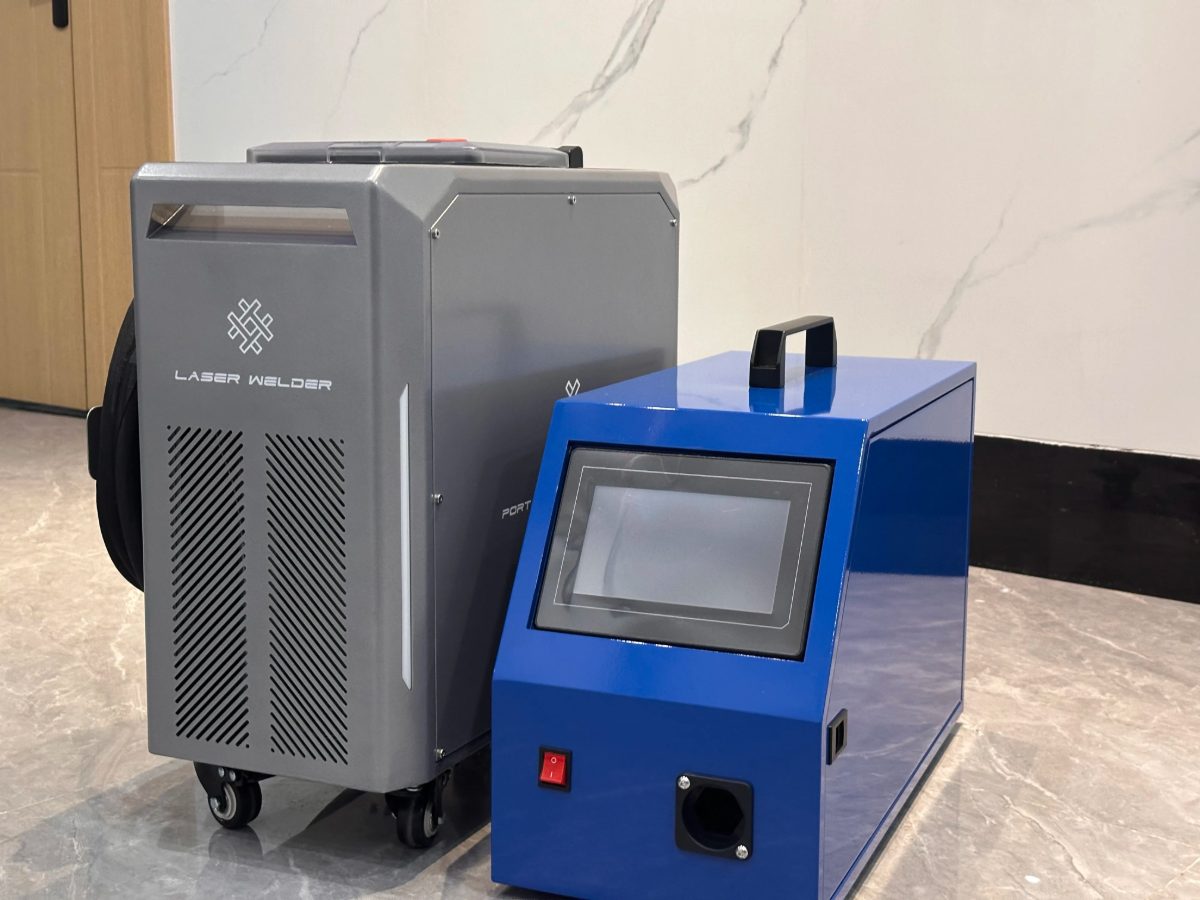
🟦 Fiber Optic Laser Welding: Technology, Benefits & Industrial Applications
News 2026-05-25 319
📑 Table of Contents Introduction What Is Fiber Optic Laser Welding? How Fiber Optic Laser Welding Works Main Components of a Fiber Laser Welding System Advantages of Fiber Optic Laser Welding Fiber Laser Welding vs Traditional Welding Handheld vs Automatic Fiber Laser Welding Common Materials Used in Fiber Laser Welding Industrial Applications of Fiber Optic Laser Welding Challenges and Limitations Future Trends in Fiber Laser Welding Technology Conclusion 1. Introduction Modern manufacturing increasingly demands higher precision, faster production speeds, and better weld quality. As industries move toward automation and intelligent production systems, fiber optic laser welding has become one of the fastest-growing welding technologies worldwide. Compared with traditional TIG, MIG, and resistance welding, fiber laser systems provide: Higher efficiency Lower heat distortion Better automation compatibility Cleaner weld seams Reduced post-processing Today, fiber optic laser welding is widely used in automotive manufacturing, aerospace, electronics, battery production, medical devices, and sheet metal fabrication. 🔹 2. What Is Fiber Optic Laser Welding? Fiber optic laser welding is an advanced welding process that uses a highly concentrated laser beam transmitted through optical fiber cables to melt and fuse metal materials together. Unlike traditional welding methods that rely on electrical arcs or gas flames, fiber laser welding delivers focused light energy directly onto the welding area with extremely high precision. The laser beam is generated by a fiber laser source and delivered through flexible optical fibers to the welding head, allowing: Precise beam control Flexible installation Easy robotic integration High-speed industrial processing 🔹 3. How Fiber Optic Laser Welding Works A fiber laser welding system converts electrical energy into a concentrated laser beam and transmits it through fiber optic cables to the welding head. Basic...
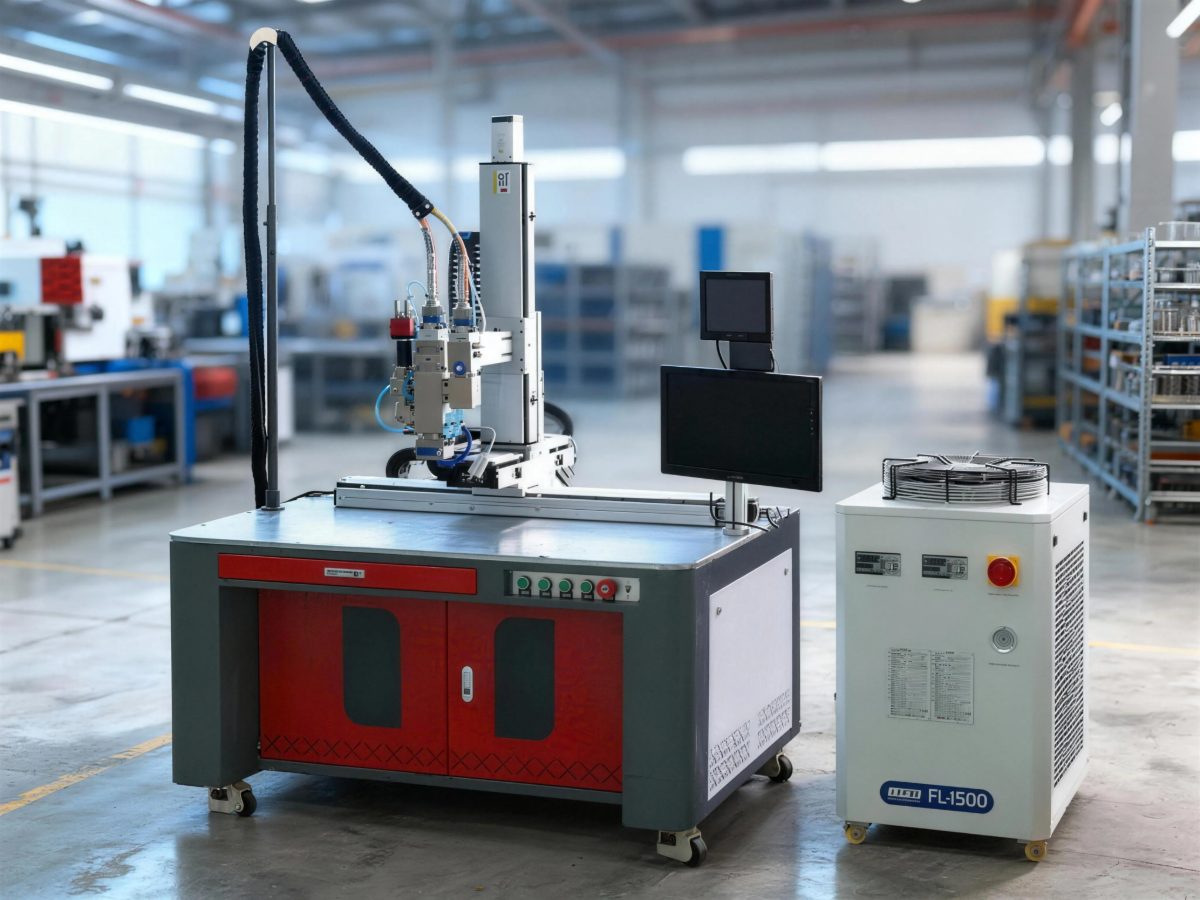
🟦 Handheld vs. Automatic Laser Welding: Which Is Right for Your Production Line?
News 2026-05-22 261
📑 Table of Contents Introduction What Is Handheld Laser Welding? What Is Automatic Laser Welding? Key Differences Between Handheld and Automatic Laser Welding Advantages of Handheld Laser Welding Advantages of Automatic Laser Welding Which Industries Prefer Handheld Welding? Which Industries Need Automatic Laser Welding? Cost Comparison and ROI Analysis How to Choose the Right Solution for Your Production Line Future Trends in Laser Welding Automation Conclusion 1. Introduction Laser welding technology has rapidly transformed modern manufacturing. From stainless steel fabrication to EV battery production, laser systems are replacing traditional TIG and MIG welding due to their speed, precision, and lower heat distortion. Today, manufacturers mainly choose between two solutions: Handheld Laser Welding Machines Automatic Laser Welding Systems Each technology serves different production goals. Some factories prioritize flexibility and lower investment costs, while others require fully automated high-speed production lines. So which one is right for your business? This guide compares Handheld vs. Automatic Laser Welding from the perspective of production efficiency, labor costs, scalability, automation, and long-term return on investment. 🔹 2. What Is Handheld Laser Welding? A handheld laser welding machine is a portable fiber laser system operated manually by an operator using a handheld welding gun. Unlike traditional fixed welding platforms, handheld systems provide greater flexibility and mobility for welding large or irregular workpieces. They are especially popular among small and medium-sized fabrication workshops. Key Features Portable and compact design Easy operation with short learning curve Suitable for stainless steel, carbon steel, aluminum Minimal weld deformation Flexible welding angles and positions Lower equipment investment Modern handheld systems often include: Wobble welding heads Wire feeders Air or water cooling systems 3-in-1 functions (welding, cleaning, cutting) 🔹 3. What...