What Is Precision Laser Welding? A Complete Guide for Manufacturers in 2026
News 2026-06-09
Author: XFH LASER Engineering Team
Published: June 2026
Table of Contents
- What Is Precision Laser Welding?
- How Precision Laser Welding Works
- Types of Precision Laser Welding
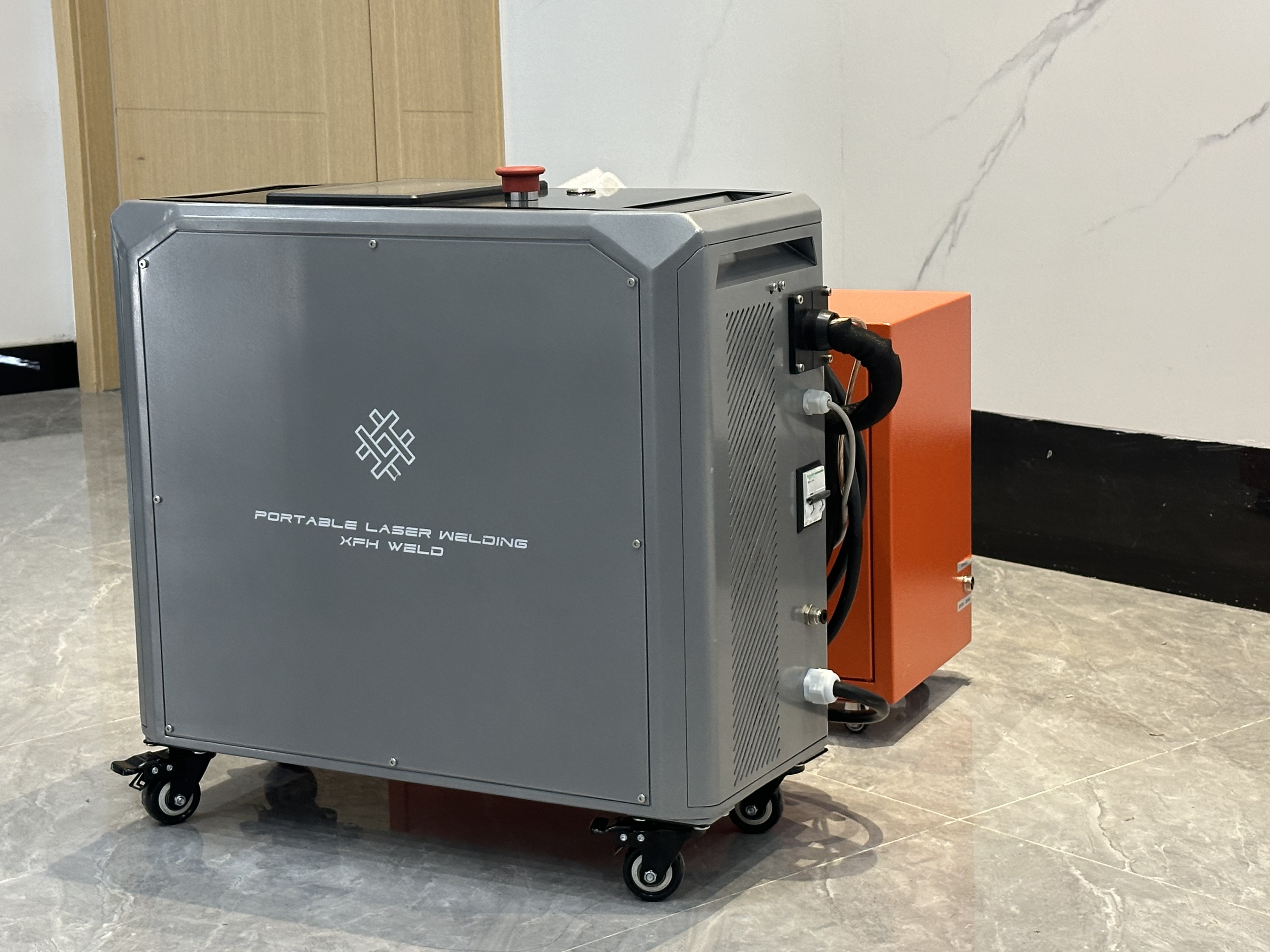
- Key Components of a Precision Laser Welding System
- Advantages of Precision Laser Welding
- Materials Suitable for Precision Laser Welding
- Precision Laser Welding Applications
- Precision Laser Welding vs Traditional Welding Methods
- Common Precision Laser Welding Defects and Solutions
- Why Surface Preparation Matters in Precision Welding
- How Pulse Laser Cleaning Improves Welding Quality
- How to Choose a Precision Laser Welding Machine
- Future Trends in Precision Laser Welding for 2026
- Frequently Asked Questions
- Conclusion
Introduction
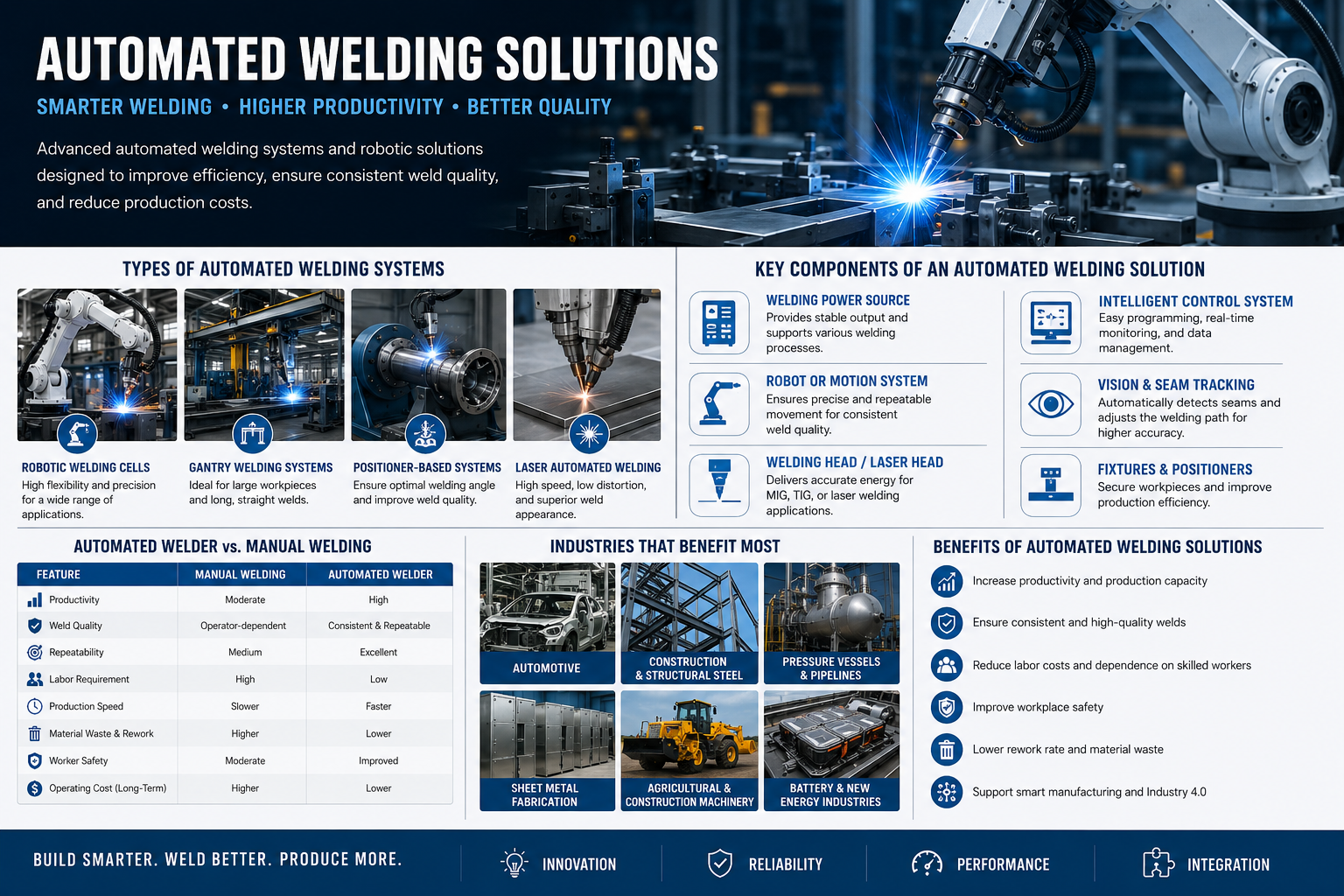
Modern manufacturers face increasing demands for tighter tolerances, stronger welds, and higher production efficiency. Traditional welding methods often struggle to meet these requirements when working with thin materials, micro-components, medical devices, battery systems, and aerospace parts.
Precision laser welding has emerged as one of the most advanced joining technologies available today. By focusing laser energy into an extremely small spot, manufacturers can create highly accurate welds with minimal heat distortion, exceptional repeatability, and superior weld quality. Industries ranging from electronics and medical manufacturing to EV battery production increasingly rely on laser welding to improve productivity and product performance.
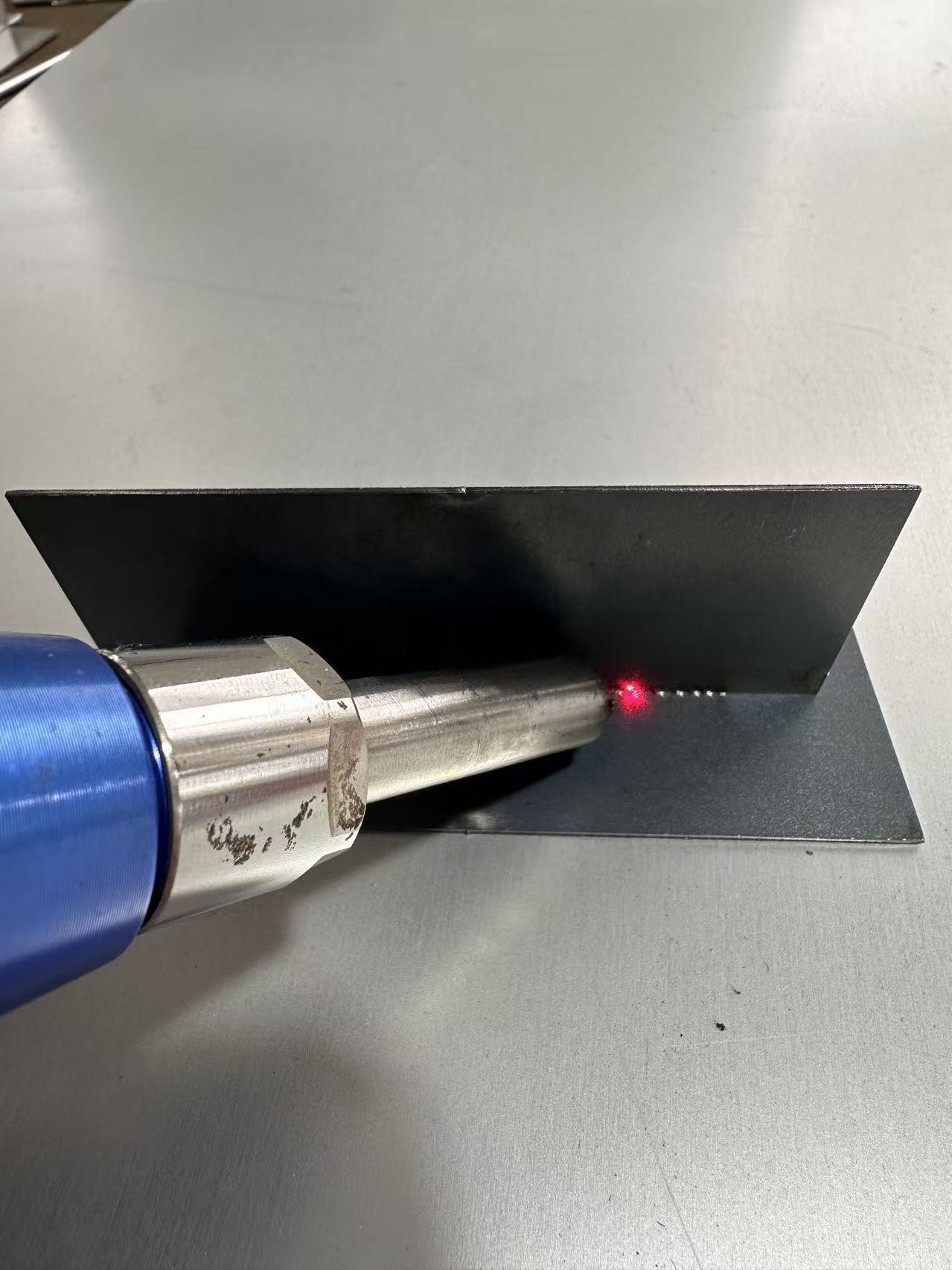
1. What Is Precision Laser Welding?
Definition
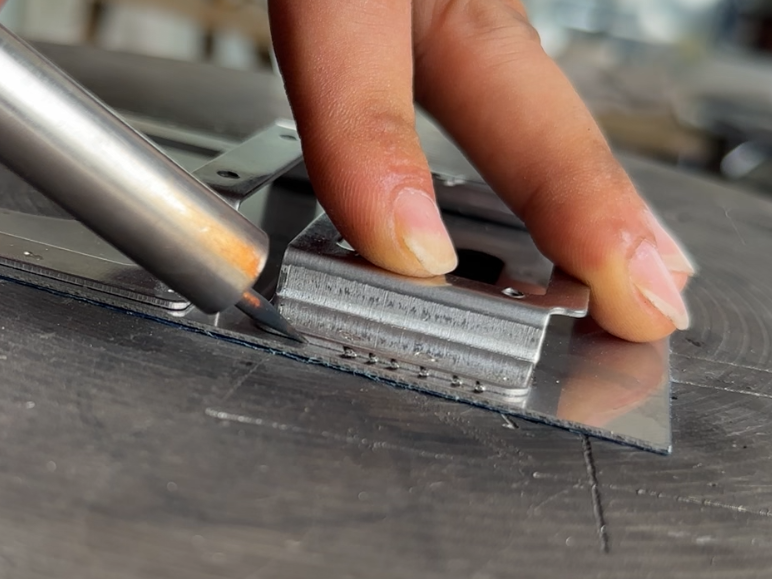
Precision laser welding is a high-accuracy joining process that uses a focused laser beam to melt and fuse materials together.
Unlike conventional welding processes that spread heat over a larger area, laser welding concentrates energy into a narrow spot, creating:
- Narrow weld seams
- Small heat-affected zones (HAZ)
- Minimal distortion
- High dimensional accuracy
- Excellent repeatability
The process is particularly valuable when manufacturing components that require micron-level precision and strict quality control.
2. How Precision Laser Welding Works
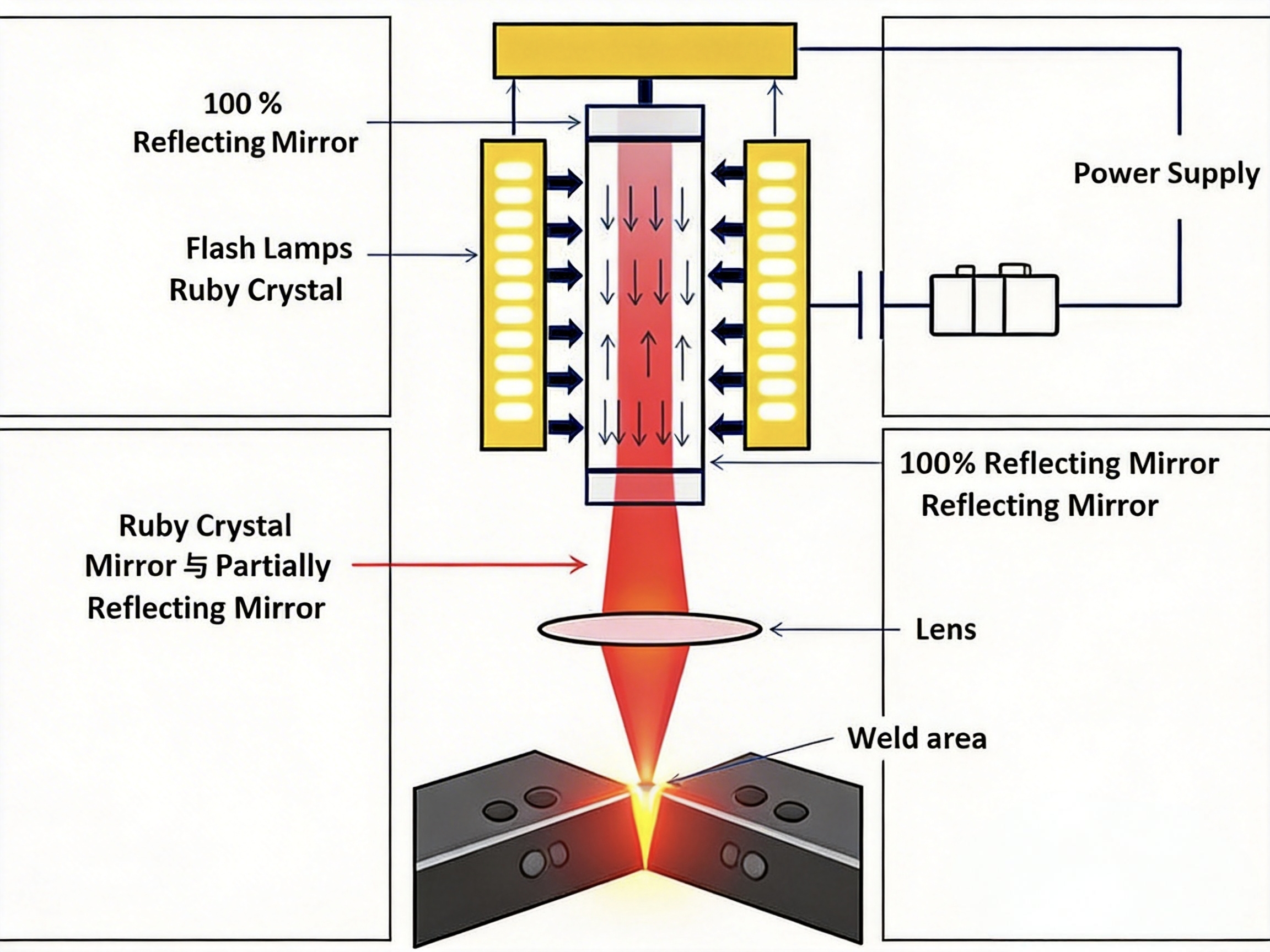
Step 1: Laser Generation
A fiber laser or pulsed laser source generates a concentrated beam of light.
Step 2: Beam Focusing
Optical lenses focus the beam onto a tiny welding area.
Step 3: Material Absorption
The material absorbs laser energy and rapidly melts.
Step 4: Weld Pool Formation
A molten weld pool forms along the joint.
Step 5: Solidification
The molten metal cools and solidifies into a strong metallurgical bond.
3. Types of Precision Laser Welding
Conduction Welding
Characteristics:
- Lower energy density
- Smooth surface finish
- Minimal penetration
- Ideal for electronics and micro-components
Applications:
- Sensors
- Battery tabs
- Medical instruments
Keyhole Welding
Characteristics:
- Deep penetration
- High welding speed
- Strong structural joints
Applications:
- Automotive parts
- Aerospace components
- Stainless steel fabrication
Both welding modes are widely used depending on material thickness and production requirements.
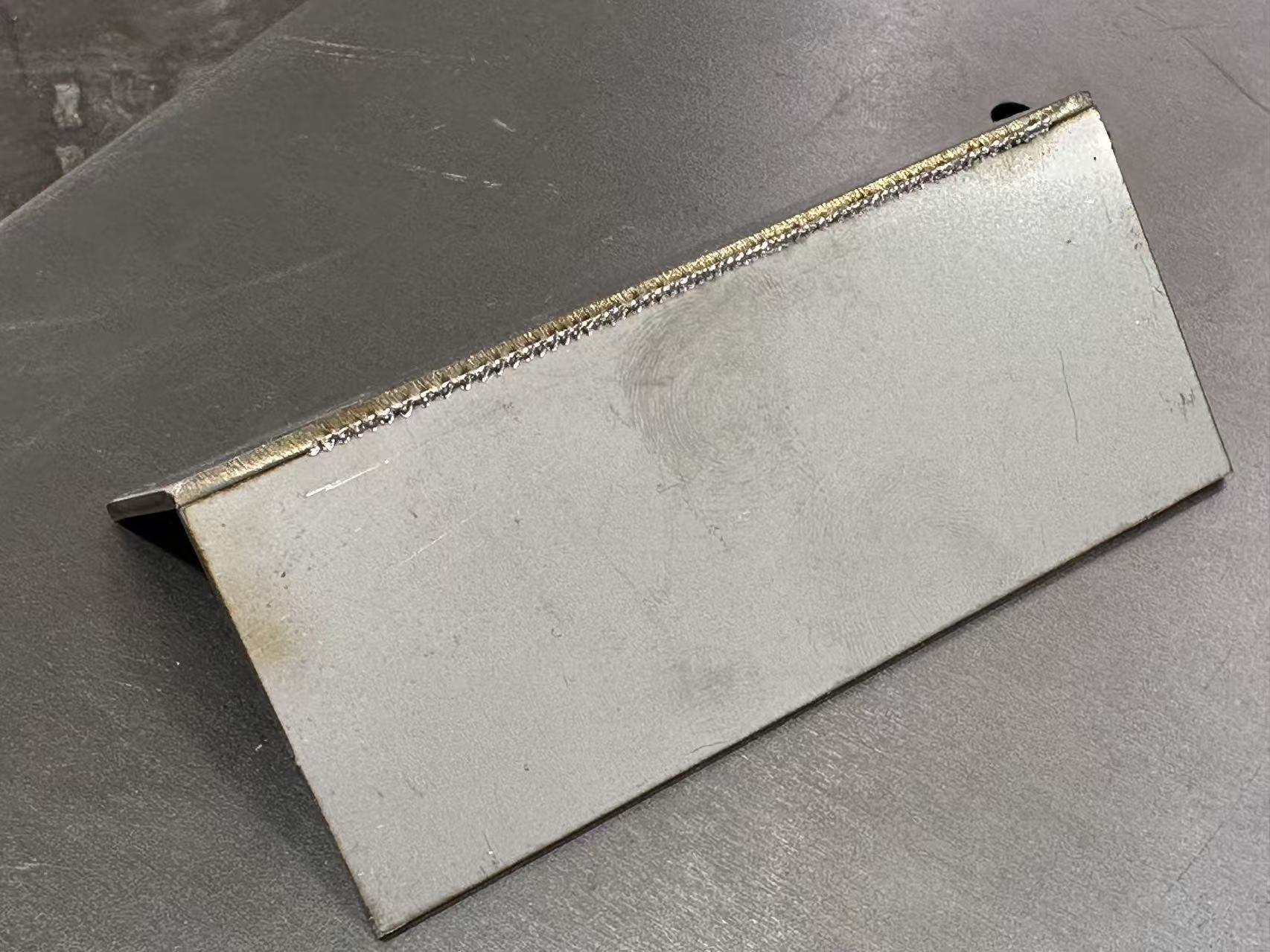
4. Key Components of a Precision Laser Welding System
| Component | Function |
|---|---|
| Fiber Laser Source | Generates laser energy |
| Welding Head | Delivers focused beam |
| Motion System | Controls weld path |
| Cooling System | Stabilizes operation |
| Control Software | Adjusts welding parameters |
| Shielding Gas System | Prevents oxidation |
Modern systems often integrate automation and robotic control for consistent production quality.
5. Advantages of Precision Laser Welding
Exceptional Accuracy
Micron-level weld positioning for miniature components.
Minimal Heat Distortion
Small heat-affected zones reduce warping and deformation.
High Welding Speed
Often significantly faster than TIG welding.
Excellent Repeatability
Suitable for automated manufacturing environments.
Strong Weld Quality
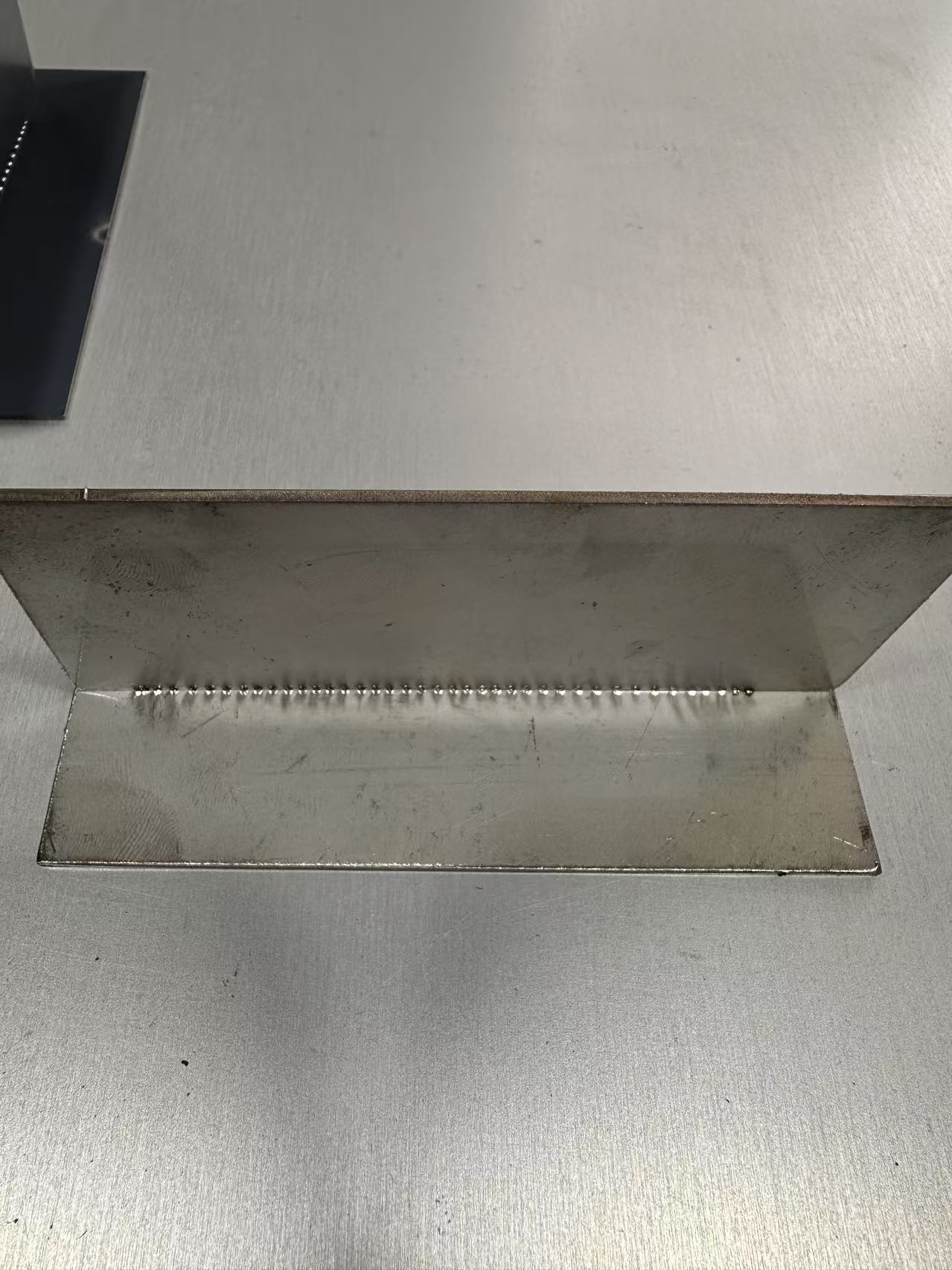
High-strength joints with clean appearance.
Reduced Post-Processing
Minimal grinding and finishing required.
These advantages make laser welding attractive for manufacturers seeking higher productivity and quality.
6. Materials Suitable for Precision Laser Welding
Metals
- Stainless Steel
- Carbon Steel
- Aluminum
- Copper
- Titanium
- Nickel Alloys
Dissimilar Materials
Laser welding can also join selected dissimilar material combinations when parameters are optimized.
Plastics
Advanced laser systems can weld certain thermoplastics used in medical and electronic applications.
7. Precision Laser Welding Applications
Medical Device Manufacturing
- Surgical instruments
- Implants
- Catheters
Electronics Manufacturing
- Sensors
- Connectors
- Microelectronics
EV Battery Production
- Battery tabs
- Busbars
- Battery enclosures
Aerospace Components
- Turbine parts
- Sensors
- Lightweight structures
Precision Metal Fabrication
- Stainless steel products
- Sheet metal assemblies
8. Precision Laser Welding vs Traditional Welding Methods
| Feature | Precision Laser Welding | TIG Welding | MIG Welding |
|---|---|---|---|
| Accuracy | Excellent | Good | Moderate |
| Speed | Very High | Low | Medium |
| Distortion | Very Low | Medium | High |
| Automation | Excellent | Limited | Moderate |
| Post-Processing | Minimal | Moderate | Significant |
| Thin Materials | Excellent | Good | Difficult |
Laser welding is increasingly replacing conventional methods in applications requiring precision and consistency.
9. Common Precision Laser Welding Defects and Solutions
Porosity
Causes:
- Surface contamination
- Improper shielding gas
Solutions:
- Clean materials before welding
- Optimize gas flow
Cracking
Causes:
- Excessive heat input
Solutions:
- Adjust power settings
- Control cooling rates
Lack of Penetration
Causes:
- Low laser power
- Excessive welding speed
Solutions:
- Increase power
- Reduce travel speed
10. Why Surface Preparation Matters in Precision Welding
Even the most advanced laser welding machine cannot compensate for contaminated surfaces.
Common contaminants include:
- Rust
- Oxides
- Oil
- Paint
- Scale
- Dust
These contaminants can cause:
- Porosity
- Weak welds
- Inconsistent penetration
- Increased spatter
Surface preparation is therefore a critical step in achieving high-quality precision welds.
11. How Pulse Laser Cleaning Improves Welding Quality
What Is a Pulse Laser Cleaning Machine?
A pulse laser cleaning machine uses short, high-energy laser pulses to remove contaminants from material surfaces without damaging the substrate.
Benefits Before Welding
- Removes rust
- Removes oxide layers
- Eliminates oil contamination
- Improves weld consistency
- Reduces porosity
Benefits After Welding
- Weld seam cleaning
- Oxide removal
- Surface finishing
Many manufacturers now integrate pulse laser cleaning directly into welding production lines to improve quality and reduce rework. This is especially valuable in battery, medical, aerospace, and precision manufacturing applications.
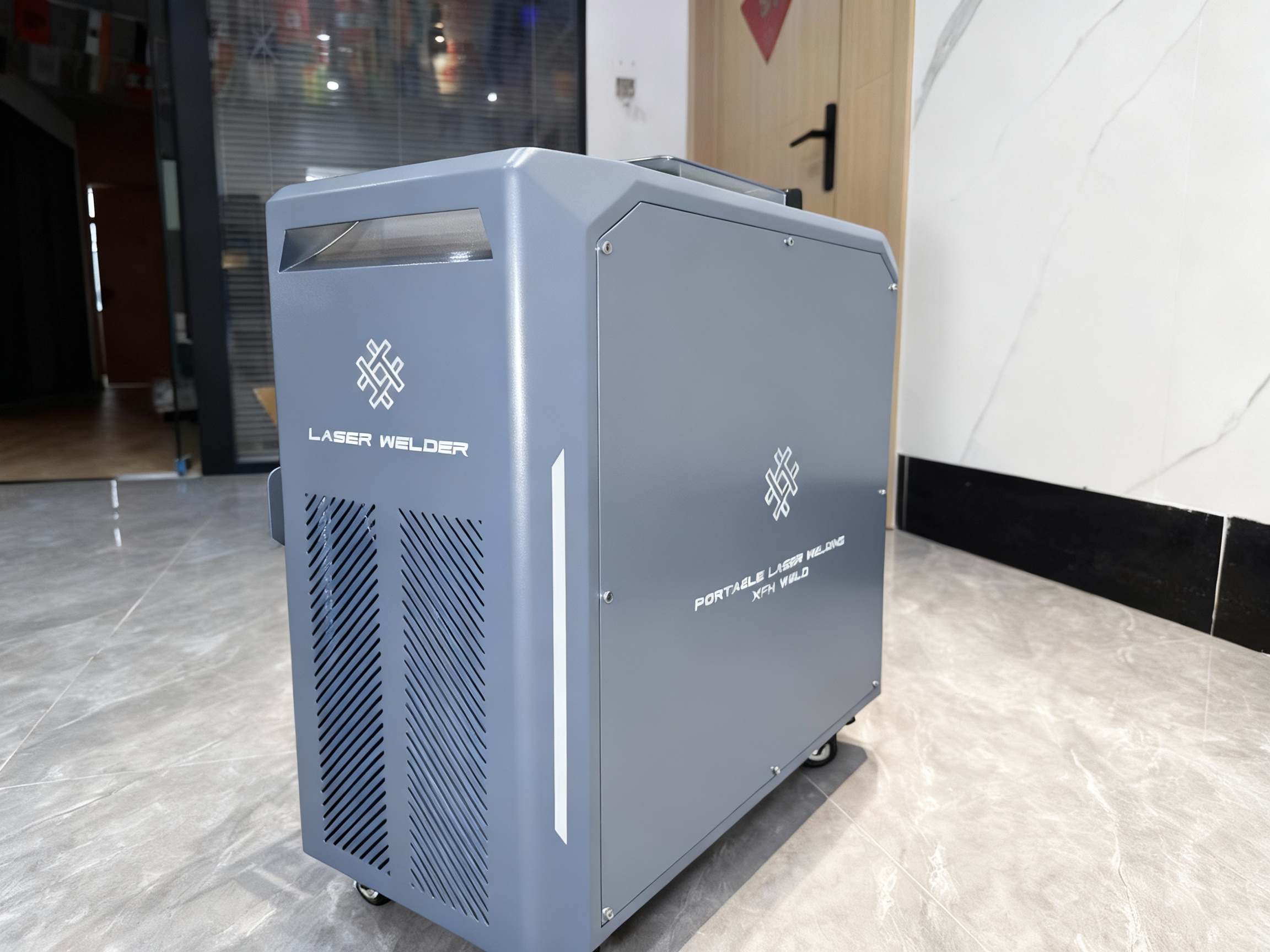
12. How to Choose a Precision Laser Welding Machine
Consider:
Material Type
Different materials require different laser configurations.
Material Thickness
Match laser power to thickness requirements.
Production Volume
Automated systems for mass production.
Accuracy Requirements
Micro-welding applications require tighter beam control.
Cleaning Requirements
Consider integrated pulse laser cleaning solutions.
13. Future Trends in Precision Laser Welding for 2026
AI-Assisted Weld Monitoring
Real-time defect detection.
Automated Quality Control
Vision systems integrated with welding cells.
Robotic Laser Welding
Greater productivity and consistency.
Welding + Cleaning Integration
Integrated laser cleaning and welding workstations are becoming increasingly common.
Smart Manufacturing
Industry 4.0 connectivity and data analytics.
Frequently Asked Questions
Is precision laser welding stronger than TIG welding?
For many thin and medium-thickness applications, laser welding can achieve comparable or superior strength while producing cleaner welds.
What materials can be precision laser welded?
Common materials include stainless steel, aluminum, titanium, copper, nickel alloys, and selected plastics.
Does laser welding require surface cleaning?
Yes. Surface contaminants can significantly affect weld quality. Laser cleaning is often used before welding to improve consistency.
Can pulse laser cleaning be combined with laser welding?
Yes. Many manufacturers integrate pulse laser cleaning and laser welding into the same production workflow to improve efficiency and weld quality.
Conclusion
Precision laser welding has become a cornerstone technology for modern manufacturing. Its ability to deliver highly accurate, repeatable, and low-distortion welds makes it ideal for industries such as medical devices, electronics, EV batteries, aerospace, and precision fabrication. When combined with pulse laser cleaning technology, manufacturers can further improve weld consistency, reduce defects, and achieve superior production quality.
For companies seeking higher productivity and tighter quality control in 2026, precision laser welding is no longer just an advanced option—it is increasingly becoming the industry standard.