Automated Welding Solutions: A Complete Guide for Modern Manufacturing

News 2026-07-02

Published Date

July 2, 2026

Author

XFH LASER Engineering Team

Table of Contents

  1. Introduction
  2. What Are Automated Welding Solutions?
  3. Why Manufacturers Are Switching to Automated Welders
  4. Types of Automated Welding Systems
  5. Key Components of an Automated Welding Solution
  6. Automated Welder vs Manual Welding
  7. Industries That Benefit Most from Welding Automation
  8. How to Choose the Right Automated Welding Solution
  9. Future Trends in Welding Automation
  10. Frequently Asked Questions
  11. Conclusion

1.Introduction

Manufacturing is evolving faster than ever, and companies are under increasing pressure to produce high-quality products while reducing costs and improving efficiency. Rising labor costs, a shortage of skilled welders, and the demand for consistent production have accelerated the adoption of automated welding solutions across industries worldwide.

Unlike traditional manual welding, an automated welder performs welding tasks with programmed precision and repeatability. Modern systems combine robotics, laser technology, intelligent controls, and real-time monitoring to deliver stable weld quality while minimizing human intervention. Whether manufacturing automotive parts, metal furniture, pressure vessels, construction equipment, or battery components, automation has become a key competitive advantage.

Today’s automated welding solutions are no longer limited to large automotive factories. Small and medium-sized manufacturers are increasingly investing in compact robotic cells, laser welding systems, and flexible automation platforms that offer faster return on investment and lower operating costs.

In this guide, we’ll explain how automated welding systems work, compare different technologies, discuss their advantages, and help you choose the best solution for your production requirements.
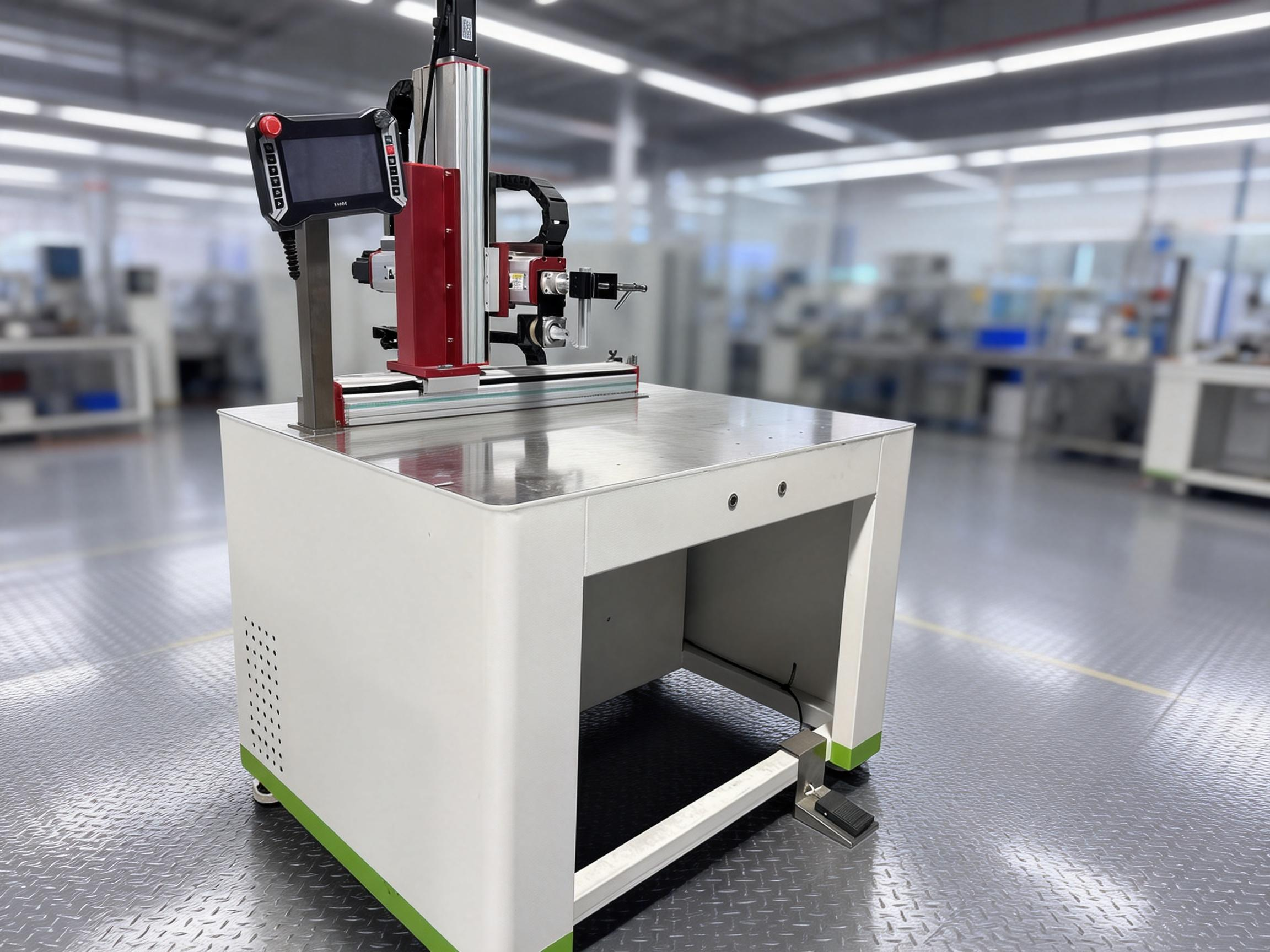
automated welding solutions


2.What Are Automated Welding Solutions?

Automated welding solutions refer to systems that use machines, robots, software, and intelligent controls to perform welding operations with minimal manual intervention. These systems are designed to improve productivity, increase welding accuracy, and deliver consistent results throughout the production process.

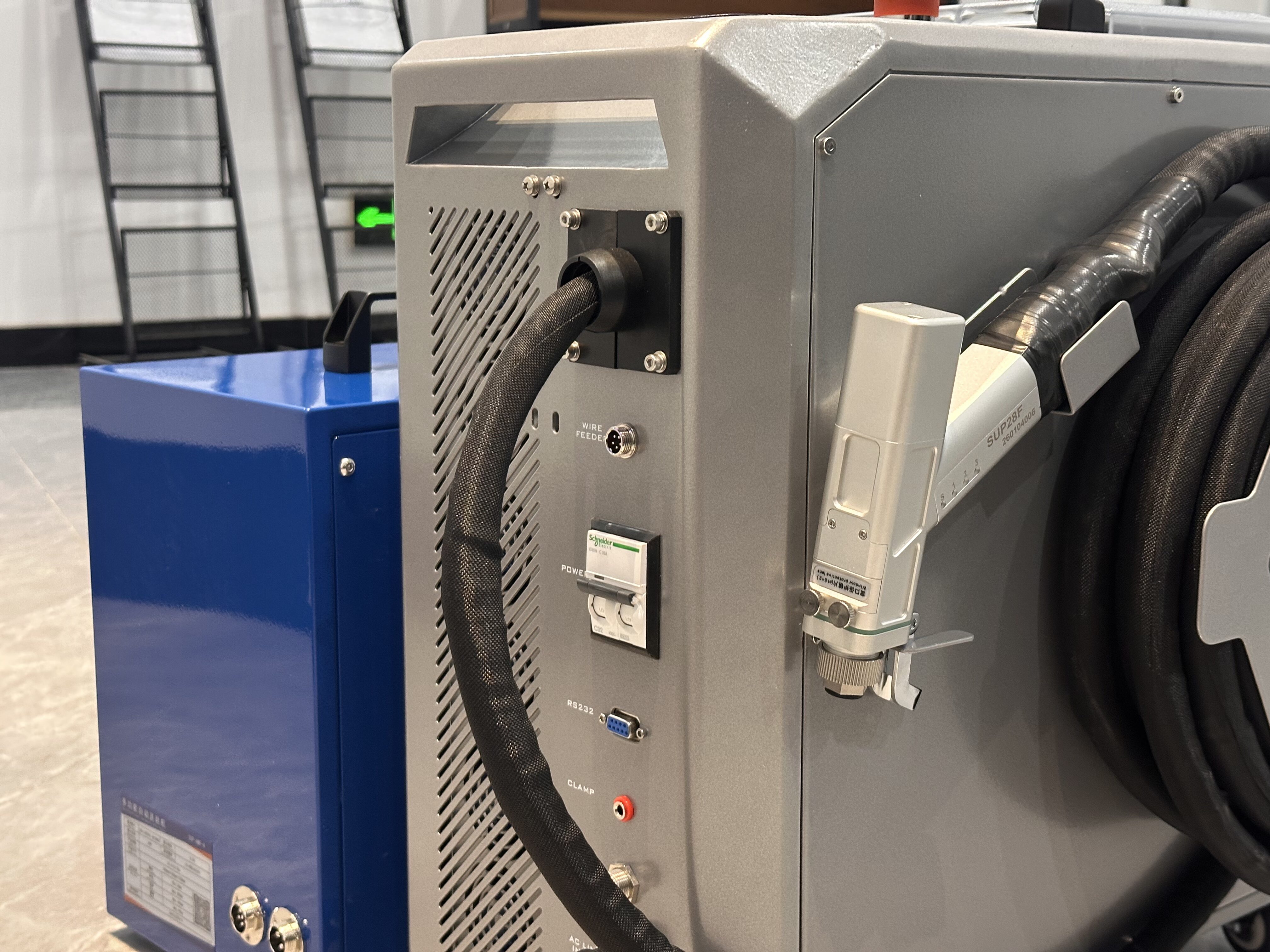
A complete automated welding system typically integrates several components, including a welding power source, robotic arm or motion platform, welding torch or laser head, wire feeder, fixtures, sensors, and programmable control software. Together, these components ensure every weld follows the same predefined parameters, regardless of production volume.

Depending on the level of automation, welding systems can be classified into three categories:

Semi-Automated Welding

In semi-automated systems, the operator positions the workpiece while the machine controls functions such as wire feeding or arc generation. These systems improve productivity while still relying on skilled labor for part handling.

Typical applications include:

  • Small fabrication workshops
  • Repair and maintenance
  • Low-volume production
  • Customized metal fabrication

Semi-Automated Welding

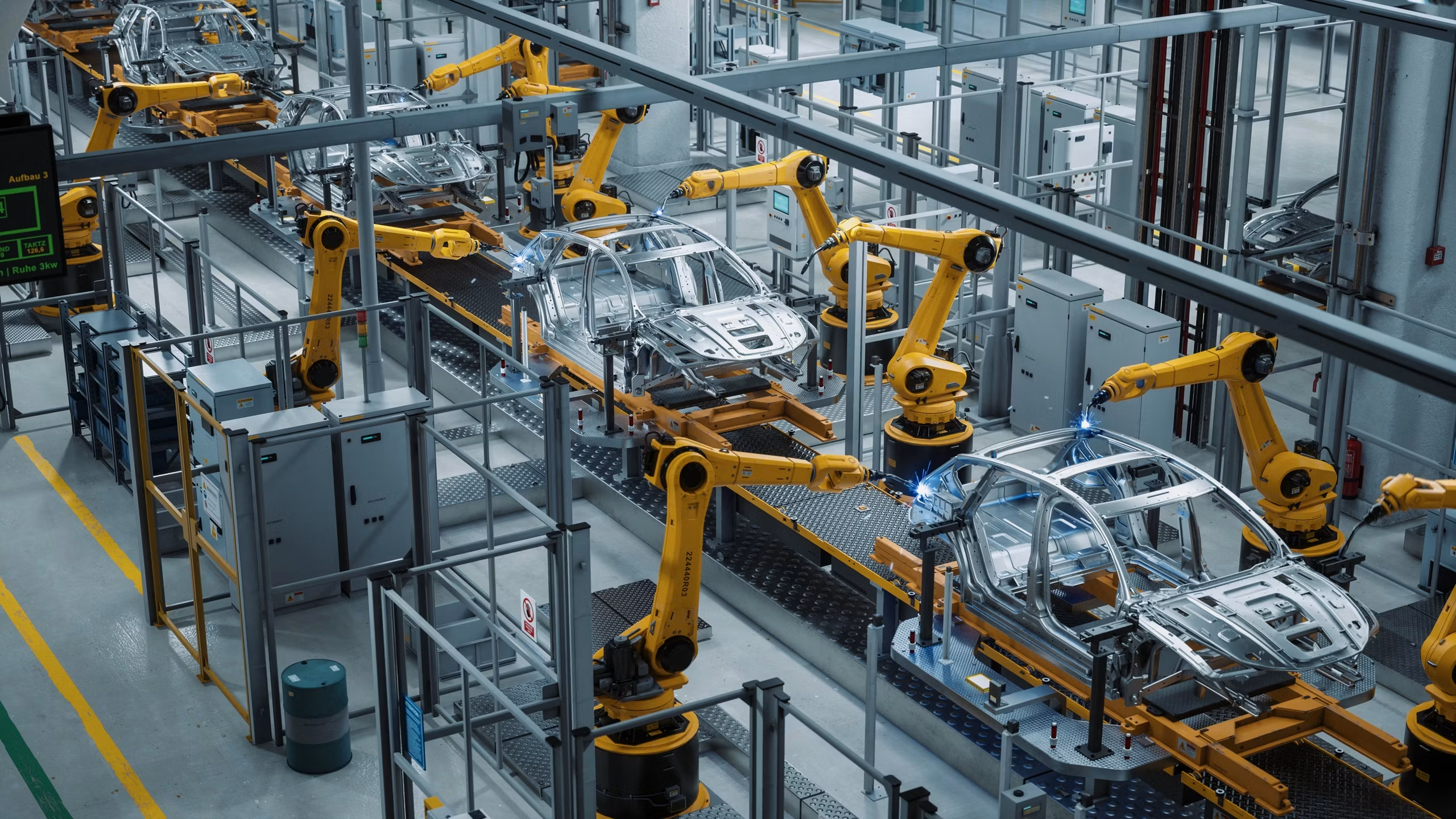
Fully Automated Welding

Fully automated systems require little or no operator involvement during production. Once programmed, the equipment automatically loads, positions, welds, and sometimes unloads finished components.

Advantages include:

  • Continuous production
  • Highly repeatable weld quality
  • Reduced labor costs
  • Lower defect rates
  • Higher production efficiency

These systems are commonly used in automotive manufacturing, heavy equipment, construction machinery, and large-scale industrial production.
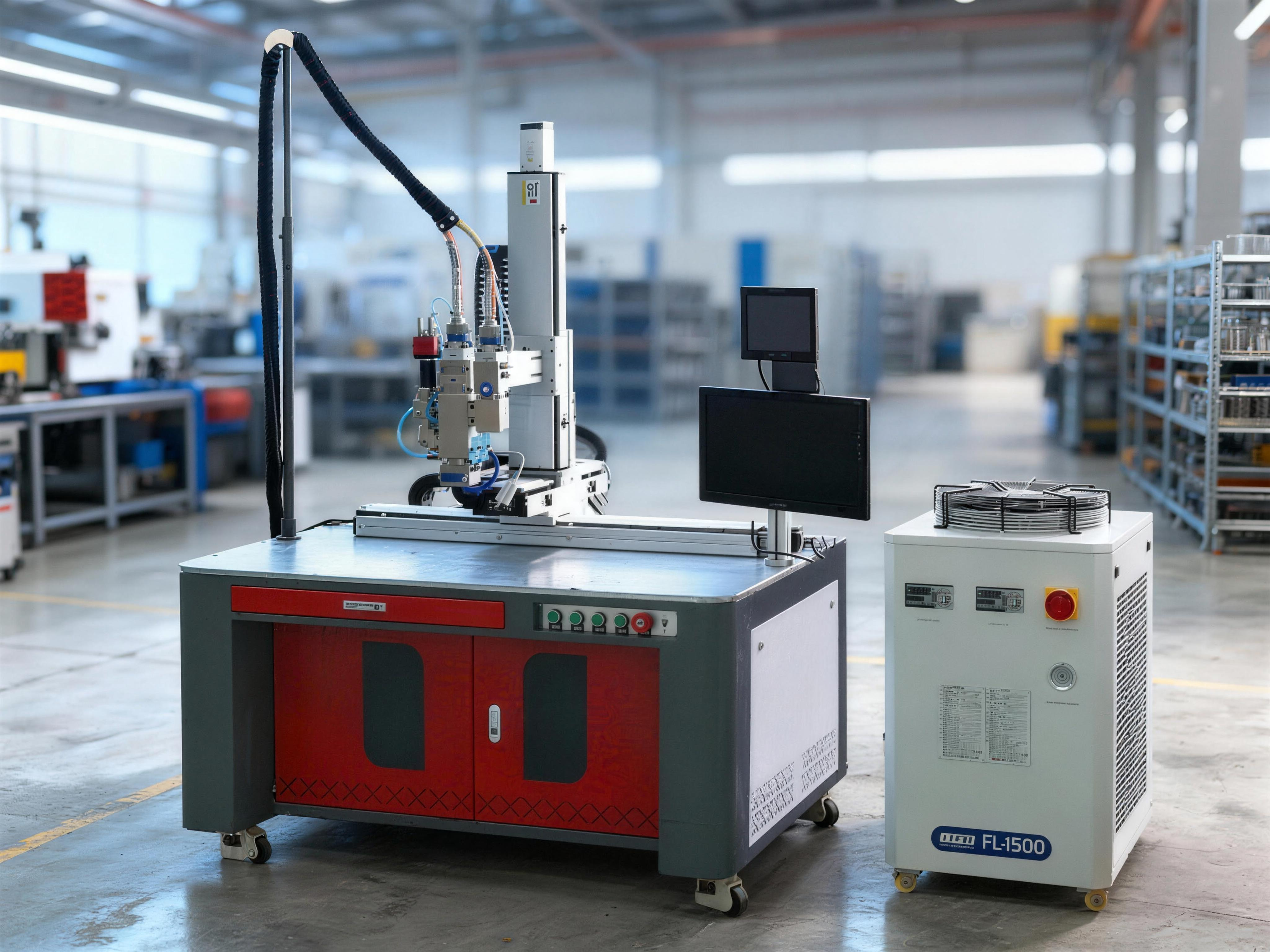
Fully Automated Welding

Robotic and Laser Welding Automation

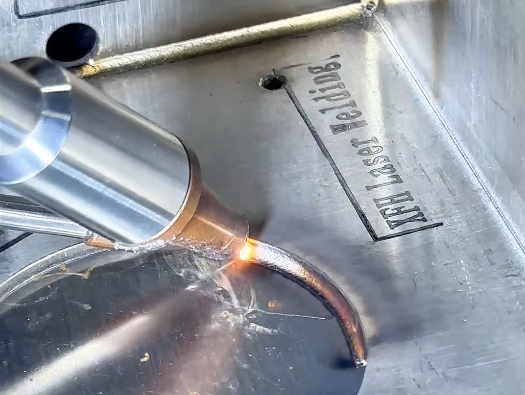
Today’s advanced automated welding solutions often combine robotic motion with fiber laser technology. Compared with traditional arc welding, laser automated welding offers:

  • Higher welding speed
  • Smaller heat-affected zone
  • Minimal material deformation
  • Better appearance
  • Higher precision
  • Easier integration into automated production lines

Laser systems are especially suitable for stainless steel, carbon steel, aluminum alloys, galvanized steel, and precision sheet metal components.

As Industry 4.0 continues to develop, intelligent welding systems are becoming even smarter through technologies such as machine vision, seam tracking, adaptive process control, and remote monitoring.
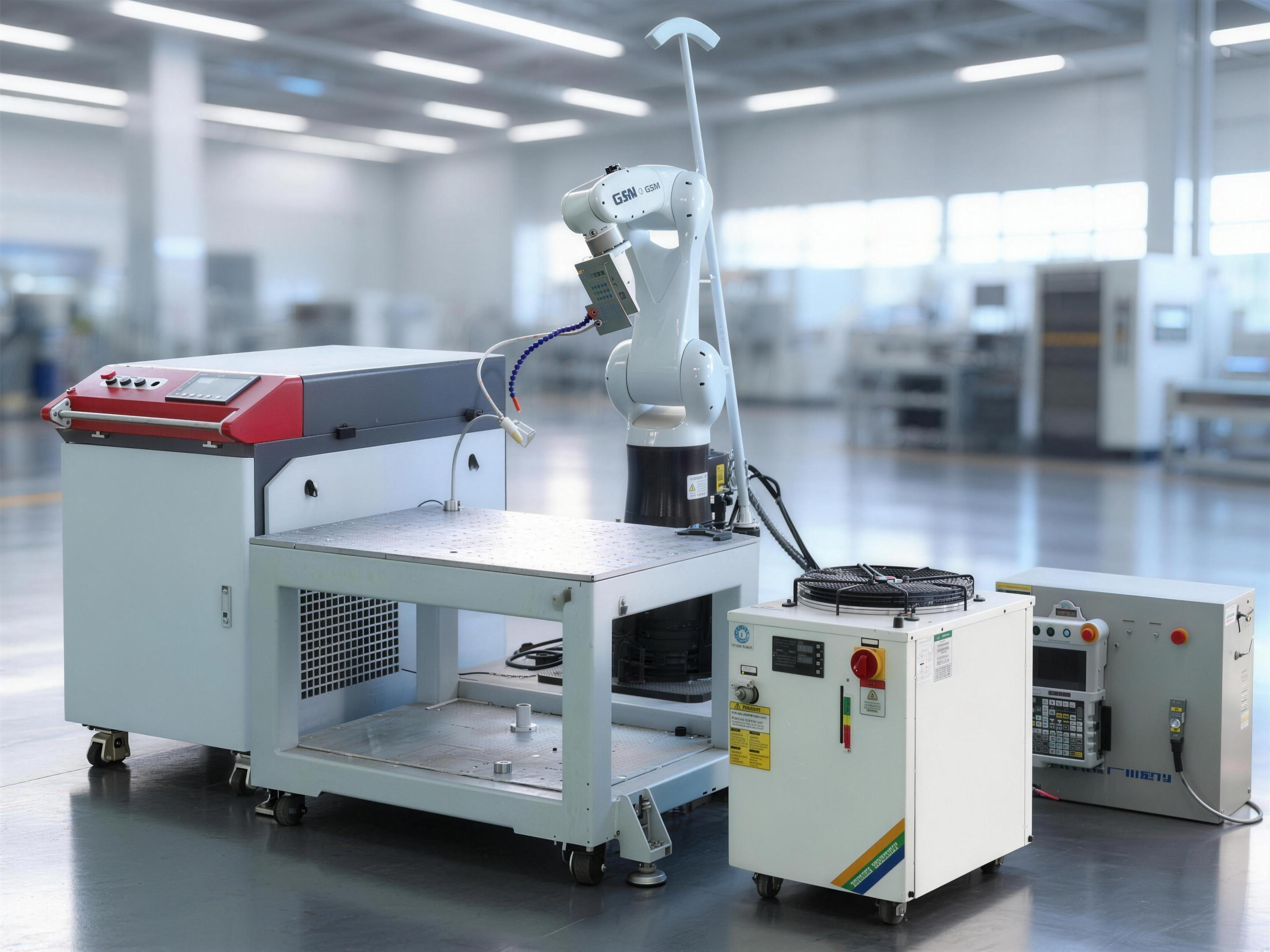
Robotic and Laser Welding Automation


3.Why Manufacturers Are Switching to Automated Welders

Across nearly every manufacturing industry, companies are replacing manual welding with intelligent automation. The shift is driven not only by technological advancements but also by growing business challenges that demand higher efficiency and consistent product quality.

1. Solving the Skilled Welder Shortage

One of the biggest challenges facing manufacturers today is the shortage of experienced welders. Recruiting, training, and retaining qualified operators has become increasingly difficult, especially in regions with aging workforces.

An automated welder reduces dependence on manual skills by performing repetitive welding tasks with pre-programmed parameters. Operators can focus on monitoring production instead of performing every weld manually.


2. Improving Productivity

Automation significantly increases production capacity.

Unlike manual welding, automated systems can operate continuously with minimal downtime, producing hundreds or even thousands of identical welds every day.

Benefits include:

  • Faster production cycles
  • Shorter lead times
  • Increased machine utilization
  • Higher daily output

For manufacturers with high production volumes, these improvements often lead to a rapid return on investment.


3. Achieving Consistent Weld Quality

Manual welding quality depends heavily on operator experience and concentration. Even highly skilled welders may produce slight variations over long production shifts.

An automated welding solution follows identical welding parameters every cycle, including:

  • Welding speed
  • Torch angle
  • Wire feed speed
  • Laser power
  • Travel path
  • Shielding gas flow

The result is highly consistent weld quality with fewer defects and less rework.


4. Reducing Production Costs

Although automation requires an initial investment, it often lowers long-term operating costs by reducing:

  • Labor expenses
  • Material waste
  • Rework
  • Scrap rates
  • Downtime
  • Maintenance caused by welding errors

Higher production efficiency also allows manufacturers to complete more orders using the same workforce.


5. Enhancing Workplace Safety

Traditional welding exposes workers to heat, sparks, fumes, ultraviolet radiation, and repetitive physical movements.

Industrial welding automation removes operators from hazardous environments while allowing robots and automated systems to perform dangerous or repetitive tasks.

This contributes to:

  • Safer working conditions
  • Lower injury rates
  • Reduced operator fatigue
  • Better compliance with workplace safety standards

6. Supporting Smart Manufacturing

Modern automated welding solutions are increasingly connected to digital manufacturing systems. Production data can be monitored, analyzed, and optimized in real time, enabling predictive maintenance, quality traceability, and continuous process improvement.

Features such as remote diagnostics, machine vision, seam tracking, and adaptive parameter control make today’s automated welding equipment more intelligent than ever before. These capabilities help manufacturers improve efficiency while preparing for the future of Industry 4.0.
         

4.Types of Automated Welding Systems

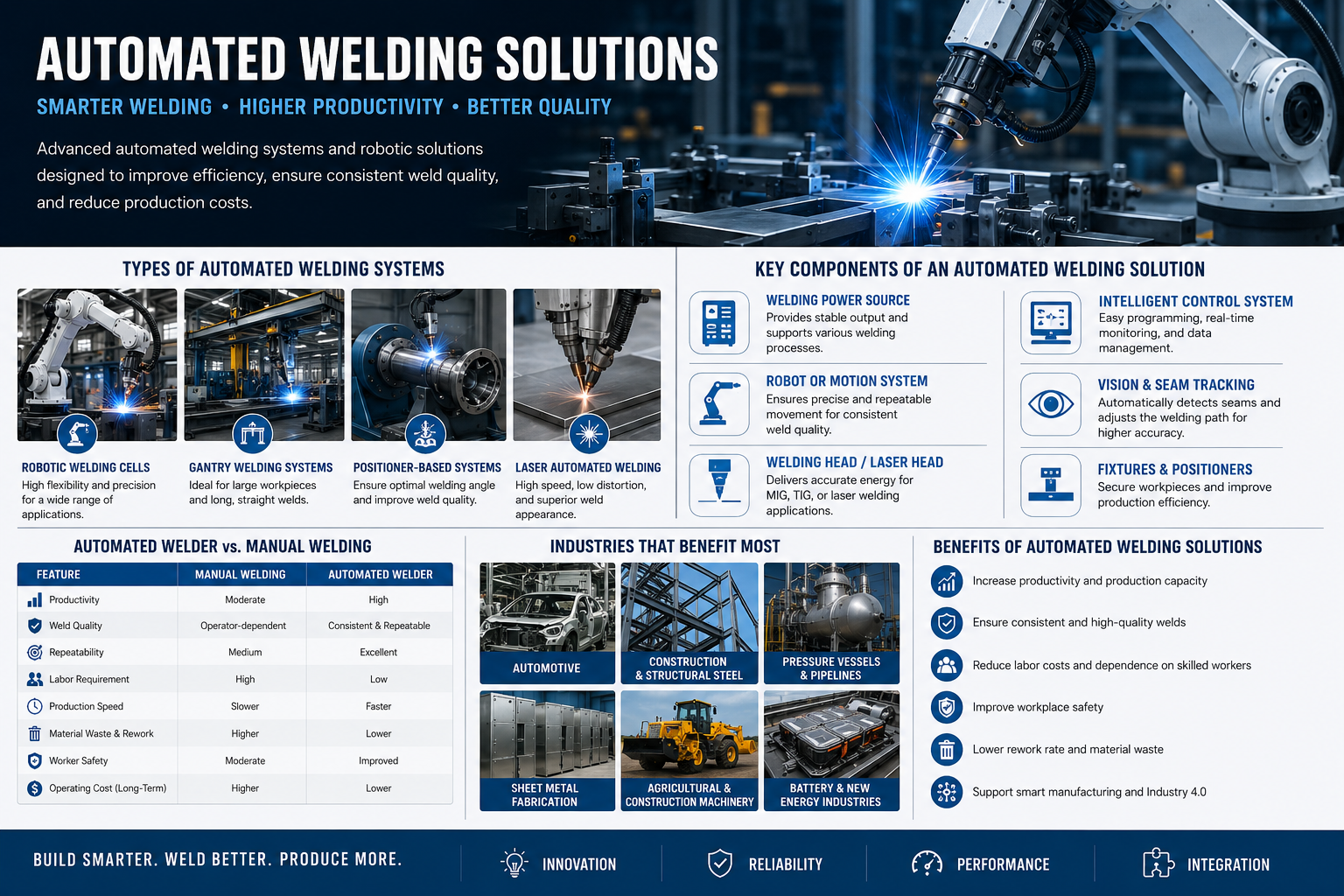
Not all automated welding solutions are designed for the same production environment. The right system depends on factors such as product size, material type, production volume, and required weld quality. Below are the most common types of automated welding systems used in modern manufacturing.

Robotic Welding Cells

Robotic welding cells are among the most widely used automated welding solutions in high-volume manufacturing. They typically consist of a multi-axis industrial robot, a welding power source, a welding torch or laser head, safety guarding, fixtures, and a programmable control system.

These systems are ideal for repetitive welding tasks where speed and consistency are critical.

Advantages:

  • High production efficiency
  • Excellent repeatability
  • Flexible programming for different parts
  • Reduced labor costs
  • Continuous operation with minimal downtime

Typical Applications:

  • Automotive components
  • Agricultural machinery
  • Metal furniture
  • Construction equipment
  • Industrial cabinets

Gantry Welding Systems

Gantry welding systems use linear motion along the X, Y, and Z axes instead of a robotic arm. They are commonly used for welding oversized or heavy workpieces that require long, straight welds.

Compared with robotic systems, gantry systems offer exceptional stability and positioning accuracy for large structures.

Advantages:

  • Suitable for large components
  • Stable and precise motion
  • High load capacity
  • Easy integration into production lines

Typical Applications:

  • Steel structures
  • Shipbuilding
  • Pressure vessels
  • Storage tanks
  • Bridge fabrication

Positioner-Based Welding Systems

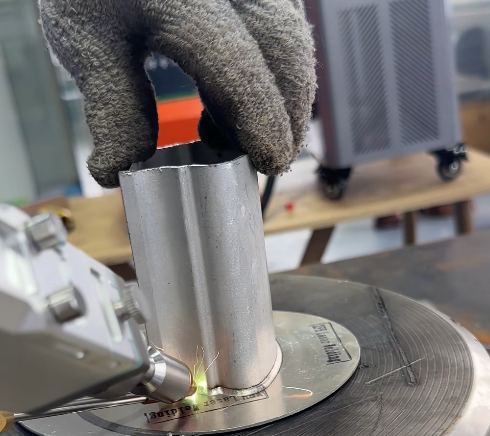
Some products require welding from multiple angles. Positioner-based systems rotate or tilt the workpiece so the welding torch remains in the optimal position throughout the process.

These automated welding systems improve weld quality while reducing unnecessary robot movement.

Common positioning equipment includes:

  • Rotary tables
  • Headstock and tailstock positioners
  • Turning rolls
  • Rotary manipulators

Typical Applications:

  • Pipes
  • Flanges
  • Cylinders
  • Tanks
  • Structural frames

Laser Automated Welding Systems

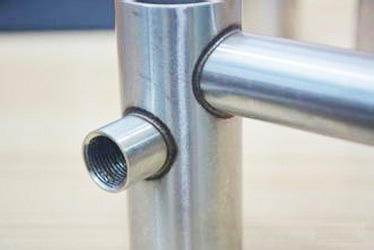
As fiber laser technology continues to advance, laser automated welding has become one of the fastest-growing areas of industrial welding automation.

Instead of using an electric arc, a fiber laser concentrates high-energy light into a small focal point, producing deep penetration with minimal heat input.

Compared with conventional arc welding, laser systems provide:

  • Faster welding speeds
  • Smaller heat-affected zones
  • Lower distortion
  • Cleaner weld appearance
  • Higher precision
  • Reduced post-processing

Many modern laser systems can also integrate seam tracking, machine vision, and automated material handling to create a fully intelligent automated welder for precision manufacturing.

Typical Applications:

  • Stainless steel fabrication
  • Sheet metal processing
  • Kitchen equipment
  • Electrical cabinets
  • Battery enclosures
  • Medical devices
  • Aerospace components

5.Key Components of an Automated Welding Solution

A successful automated welding solution relies on more than just a robot or welding machine. Each component plays an important role in ensuring stable performance, accurate positioning, and consistent weld quality.

Welding Power Source

The welding power source provides the energy required for the welding process. Depending on the application, manufacturers may choose:

  • MIG welding power sources
  • TIG welding power sources
  • Fiber laser generators
  • Hybrid laser-arc systems

Selecting the correct power source directly affects weld penetration, efficiency, and overall production quality.


Robot or Motion System

The robot arm or gantry system controls the movement of the welding torch or laser head. High-precision motion ensures every weld follows the programmed path accurately.

Modern robots typically offer six or more axes of movement, allowing them to weld complex three-dimensional components with ease.


Welding Head or Laser Head

The welding head delivers energy to the workpiece.

Depending on the application, this may include:

  • MIG welding torch
  • TIG welding torch
  • Fiber laser welding head
  • Oscillating laser head

Advanced laser heads can automatically adjust focus and monitor welding performance in real time.


Wire Feeding System

For applications requiring filler material, an automatic wire feeder delivers welding wire at a consistent speed.

Benefits include:

  • Stable wire supply
  • Improved weld consistency
  • Reduced operator intervention
  • Higher production efficiency

Fixtures and Positioning Devices

Accurate part positioning is essential for maintaining weld quality.

Fixtures prevent movement during welding while positioners rotate or tilt the workpiece to achieve the ideal welding angle.

Well-designed fixtures also reduce setup time and improve production consistency.


Intelligent Control System

The control system acts as the brain of the automated welding machine.

Modern controllers can manage:

  • Welding parameters
  • Motion synchronization
  • Robot programming
  • Production scheduling
  • Error detection
  • Quality monitoring

Many systems also support touchscreen operation and remote diagnostics.


Vision and Seam Tracking

Machine vision technology enables an automated welder to detect part positions and automatically adjust the welding path.

Seam tracking systems compensate for minor deviations caused by manufacturing tolerances, improving weld accuracy without manual adjustment.

This technology is particularly valuable for high-precision industries where consistent weld quality is essential.


6.Automated Welder vs. Manual Welding

Choosing between manual welding and an automated welder depends on production volume, product complexity, and quality requirements. The table below highlights the key differences.

Feature Manual Welding Automated Welder
Productivity Moderate High
Weld Quality Operator-dependent Highly consistent
Repeatability Medium Excellent
Labor Requirement High Low
Production Speed Slower Faster
Material Waste Higher Lower
Rework Rate Higher Lower
Worker Safety Moderate Improved
Operating Cost Higher over time Lower long-term
Best For Custom jobs and repairs Mass production

For manufacturers producing large quantities of identical parts, investing in automated welding solutions can significantly reduce production costs while improving product quality and delivery speed.


7.Industries That Benefit Most from Welding Automation

Today, industrial welding automation is used across a wide range of industries to improve productivity, reduce labor dependency, and ensure consistent weld quality.

Automotive Manufacturing

Automotive production requires thousands of precise welds every day. Automated welding systems provide the speed, repeatability, and accuracy needed for vehicle frames, exhaust systems, battery trays, and structural components.

Construction and Structural Steel

Steel beams, columns, and fabricated structures often involve long weld seams and heavy components. Gantry and robotic welding systems help manufacturers improve efficiency while maintaining consistent quality.

Pressure Vessels and Pipelines

Pressure vessels, storage tanks, and pipeline systems demand high-strength, defect-free welds. Positioner-based automation ensures optimal welding angles and repeatable results.

Sheet Metal Fabrication

Laser automated welding is widely used for stainless steel cabinets, electrical enclosures, kitchen equipment, elevators, and HVAC components, where appearance and dimensional accuracy are essential.

Agricultural and Construction Machinery

Heavy machinery manufacturers use robotic welding to produce frames, buckets, chassis, and structural assemblies with improved productivity and durability.

Battery and New Energy Industries

The rapid growth of electric vehicles and energy storage systems has increased demand for high-precision laser automated welding. Fiber laser systems are ideal for battery trays, busbars, battery enclosures, and precision metal assemblies thanks to their low heat input and excellent weld quality.

8.How to Choose the Right Automated Welding Solution

Selecting the right automated welding solution involves more than comparing equipment prices. The ideal system should match your production requirements, product complexity, and future growth plans. Before investing in an automated welder, consider the following factors.

Production Volume

Your daily output determines the level of automation required.

  • Low-volume production: Semi-automated systems provide flexibility and lower initial investment.
  • Medium-volume production: Robotic welding cells balance productivity and cost.
  • High-volume production: Fully automated production lines maximize efficiency and reduce labor costs.

Choosing the right level of automation helps achieve the best return on investment (ROI).

Material Type and Thickness

Different materials require different welding technologies.

Common materials include:

  • Carbon steel
  • Stainless steel
  • Aluminum alloys
  • Galvanized steel
  • Titanium alloys

For thin sheet metal and precision parts, laser automated welding offers higher speed, lower heat input, and minimal distortion. For heavy structural components, MIG or TIG robotic welding may be more suitable.

Product Complexity

Simple products with repetitive weld seams are ideal for robotic welding. More complex components may require advanced features such as:

  • Multi-axis robot arms
  • Seam tracking
  • Machine vision
  • Adaptive welding control
  • Automatic fixture positioning

The more complex the product, the more intelligent the automated welding system should be.

Budget and Future Expansion

While automated equipment requires a higher initial investment than manual welding, it often delivers significant long-term savings through:

  • Reduced labor costs
  • Higher productivity
  • Lower scrap rates
  • Improved weld consistency
  • Less rework

It is also wise to choose a system that can be upgraded as production demands increase.


9.Future Trends in Welding Automation

Manufacturing is entering the era of smart factories, and industrial welding automation continues to evolve rapidly. The next generation of automated welding solutions will become more intelligent, flexible, and data-driven.

Artificial Intelligence (AI)

AI-powered welding systems can automatically optimize welding parameters based on material type, joint geometry, and production data, reducing setup time and improving weld quality.

Machine Vision

Advanced cameras and sensors allow an automated welder to identify joint locations, inspect weld quality, and compensate for positioning errors in real time.

Digital Twin Technology

Digital twins create virtual models of welding systems, enabling manufacturers to simulate production, optimize workflows, and predict maintenance requirements before problems occur.

Collaborative Robots (Cobots)

Unlike traditional industrial robots, cobots are designed to work safely alongside human operators. They are ideal for small and medium-sized manufacturers seeking flexible automation with lower investment costs.

Industry 4.0 Integration

Future automated welding systems will be fully connected to Manufacturing Execution Systems (MES) and Enterprise Resource Planning (ERP) software, enabling:

  • Real-time production monitoring
  • Predictive maintenance
  • Remote diagnostics
  • Data-driven process optimization
  • Full production traceability

These technologies will help manufacturers increase productivity while reducing downtime and operating costs.


10.Frequently Asked Questions

What is an automated welder?

An automated welder is a machine or robotic system that performs welding operations with minimal manual intervention. It follows programmed welding parameters to deliver consistent, repeatable welds.

What are automated welding solutions?

Automated welding solutions combine welding equipment, robots, motion systems, control software, sensors, and safety devices into an integrated production system that improves efficiency and weld quality.

What industries use automated welding systems?

Automated welding is widely used in automotive manufacturing, aerospace, construction machinery, shipbuilding, pressure vessel fabrication, metal furniture, battery manufacturing, and sheet metal processing.

Is laser automated welding better than traditional welding?

Laser welding generally provides faster welding speeds, smaller heat-affected zones, lower distortion, and cleaner welds. However, the best choice depends on the material, thickness, and production requirements.

How much does an automated welding system cost?

The cost varies depending on the level of automation, robot configuration, welding technology, and production capacity. A customized solution should be selected based on your specific application and production goals.

Can small manufacturers benefit from welding automation?

Yes. Modern robotic cells and compact laser welding systems make automation accessible to small and medium-sized businesses by improving efficiency, reducing labor dependency, and ensuring consistent product quality.


11.Conclusion

As global manufacturing becomes increasingly competitive, investing in automated welding solutions is no longer just an option—it is a strategic step toward improving productivity, quality, and profitability.

Whether you choose a robotic welding cell, a gantry system, or an advanced laser automated welding solution, automation helps reduce labor costs, improve weld consistency, enhance workplace safety, and support long-term business growth.

By carefully evaluating your production volume, materials, product complexity, and future expansion plans, you can select an automated welding system that delivers reliable performance and a strong return on investment.

Manufacturers that embrace welding automation today will be better positioned to meet rising customer expectations and remain competitive in the era of smart manufacturing.


Ready to Upgrade Your Welding Production?

At XFH LASER, we specialize in designing and manufacturing advanced automated welding solutions for manufacturers around the world. Our product portfolio includes handheld laser welders, robotic laser welding systems, customized welding automation equipment, and fully integrated production lines tailored to your industry.

Whether you need a compact automated welder for precision sheet metal fabrication or a complete robotic welding solution for high-volume production, our engineering team can help you find the right system.

Contact XFH LASER today to discuss your application, request a customized solution, or receive a free consultation from our welding automation experts.