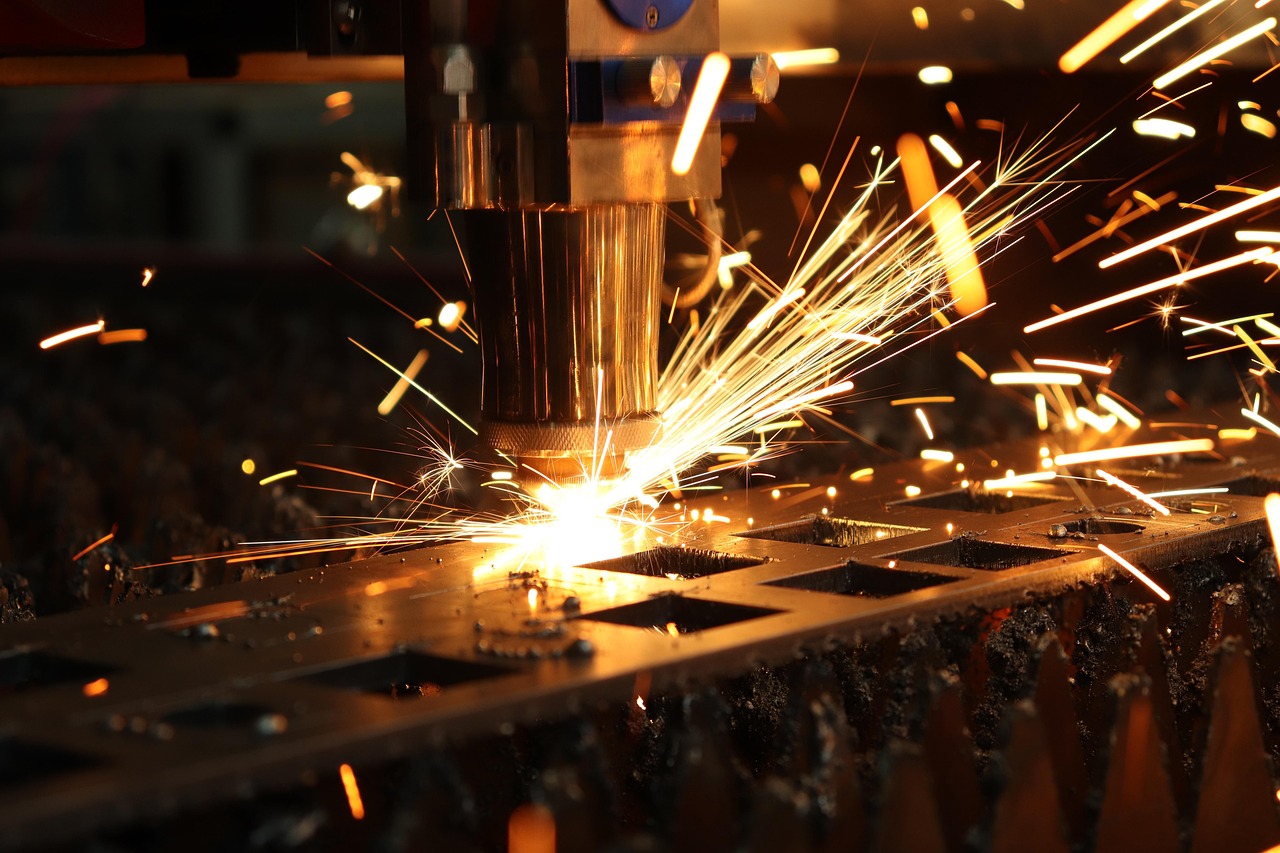
Laser Cutting Machines: Transforming Modern Manufacturing
News 2022-06-14 434
In today’s fast-paced manufacturing world, precision, speed, and versatility are critical for staying competitive. One technology that has revolutionized production across industries is the laser cutting machine. From industrial fabrication to small workshops and creative projects, laser cutting machines are now indispensable tools. With their ability to cut metals, plastics, acrylics, wood, and other materials, they provide a level of precision and efficiency that traditional cutting methods struggle to achieve. Modern laser cutting machines combine high-power lasers with CNC control systems, allowing operators to create complex designs with exceptional accuracy. Unlike mechanical cutting, laser systems offer clean edges, minimal heat-affected zones, and faster production speeds, making them ideal for both high-volume industrial production and specialized custom projects. Whether you are in the metalworking industry, furniture manufacturing, automotive repair, or prototyping, investing in a high-quality laser cutting machine can dramatically improve workflow and output quality. How Laser Cutting Machines Work A laser cutting machine operates by focusing a high-powered laser beam onto a material’s surface. The laser melts, burns, or vaporizes the material, leaving behind a precise cut. The process is usually controlled by a CNC (Computer Numerical Control) system, which guides the laser according to the design file. There are several types of lasers commonly used in cutting machines: CO₂ lasers: Ideal for non-metal materials like wood, acrylic, leather, and plastics. Fiber lasers: Perfect for metals such as stainless steel, aluminum, copper, and brass. Fiber lasers are highly efficient and provide superior edge quality. Diode lasers: Often used for smaller, lower-power applications or engraving purposes. The CNC system allows the operator to input a digital design, and the machine follows the exact path with high accuracy. The combination of CNC...
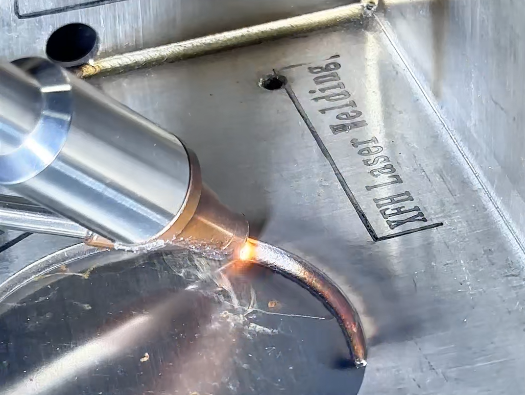
Handheld Welders: A Complete Guide for DIY and Professional Welding
News 2022-06-14 673
In modern metalworking, handheld welders have become essential tools for both professionals and DIY enthusiasts. Their portability, flexibility, and ease of use make them ideal for a wide range of applications—from automotive repairs to custom metal fabrication and small-scale workshop projects. Unlike traditional stationary welding machines, handheld welders provide the ability to weld on the go, making it easier to work in tight spaces, remote locations, or outdoor environments. Whether you are a seasoned welder or a hobbyist looking to expand your skills, understanding the different types of handheld welders, how they work, and how to use them safely is key to achieving professional results. This guide will walk you through everything you need to know about handheld welders, including types, applications, safety tips, and project ideas. What Is a Handheld Welder and How It Works A handheld welder is a portable welding machine designed to join metal parts using heat generated from an electric arc or laser. Unlike larger stationary welders, handheld devices are compact, lightweight, and easy to transport. These machines allow users to weld in locations that would be difficult or impossible with a traditional welding setup. The principle of operation depends on the welding type: Arc Welding (SMAW): Uses a consumable electrode to generate heat and fuse metals. Ideal for thicker metals and outdoor environments. MIG Welding (GMAW): Uses a continuously fed wire and shielding gas to produce a clean weld. Great for thin metals and fast production. TIG Welding (GTAW): Provides precise control with high-quality, clean welds. Best suited for metals requiring exact tolerances like aluminum and stainless steel. Battery-Powered or Inverter Handheld Welders: Modern options that allow cordless operation or improved energy efficiency for...