🟦 Fiber Optic Laser Welding: Technology, Benefits & Industrial Applications
News 2026-05-25
📑 Table of Contents
- Introduction
- What Is Fiber Optic Laser Welding?
- How Fiber Optic Laser Welding Works
- Main Components of a Fiber Laser Welding System
- Advantages of Fiber Optic Laser Welding
- Fiber Laser Welding vs Traditional Welding
- Handheld vs Automatic Fiber Laser Welding
- Common Materials Used in Fiber Laser Welding
- Industrial Applications of Fiber Optic Laser Welding
- Challenges and Limitations
- Future Trends in Fiber Laser Welding Technology
- Conclusion
1. Introduction
Modern manufacturing increasingly demands higher precision, faster production speeds, and better weld quality. As industries move toward automation and intelligent production systems, fiber optic laser welding has become one of the fastest-growing welding technologies worldwide.
Compared with traditional TIG, MIG, and resistance welding, fiber laser systems provide:
- Higher efficiency
- Lower heat distortion
- Better automation compatibility
- Cleaner weld seams
- Reduced post-processing
Today, fiber optic laser welding is widely used in automotive manufacturing, aerospace, electronics, battery production, medical devices, and sheet metal fabrication.
🔹 2. What Is Fiber Optic Laser Welding?
Fiber optic laser welding is an advanced welding process that uses a highly concentrated laser beam transmitted through optical fiber cables to melt and fuse metal materials together.
Unlike traditional welding methods that rely on electrical arcs or gas flames, fiber laser welding delivers focused light energy directly onto the welding area with extremely high precision.
The laser beam is generated by a fiber laser source and delivered through flexible optical fibers to the welding head, allowing:
- Precise beam control
- Flexible installation
- Easy robotic integration
- High-speed industrial processing
🔹 3. How Fiber Optic Laser Welding Works
A fiber laser welding system converts electrical energy into a concentrated laser beam and transmits it through fiber optic cables to the welding head.
Basic Working Process
- Laser diodes generate light energy
- Optical fibers amplify the laser beam
- The beam is transmitted through fiber optic cables
- Focusing optics concentrate the beam onto the metal surface
- The intense energy melts the material
- Molten metal cools and forms a weld seam
Because the laser beam can focus into an extremely small spot, fiber optic laser welding achieves:
- Deep penetration
- High energy density
- Small heat-affected zones
- Minimal distortion
🔹 4. Main Components of a Fiber Laser Welding System
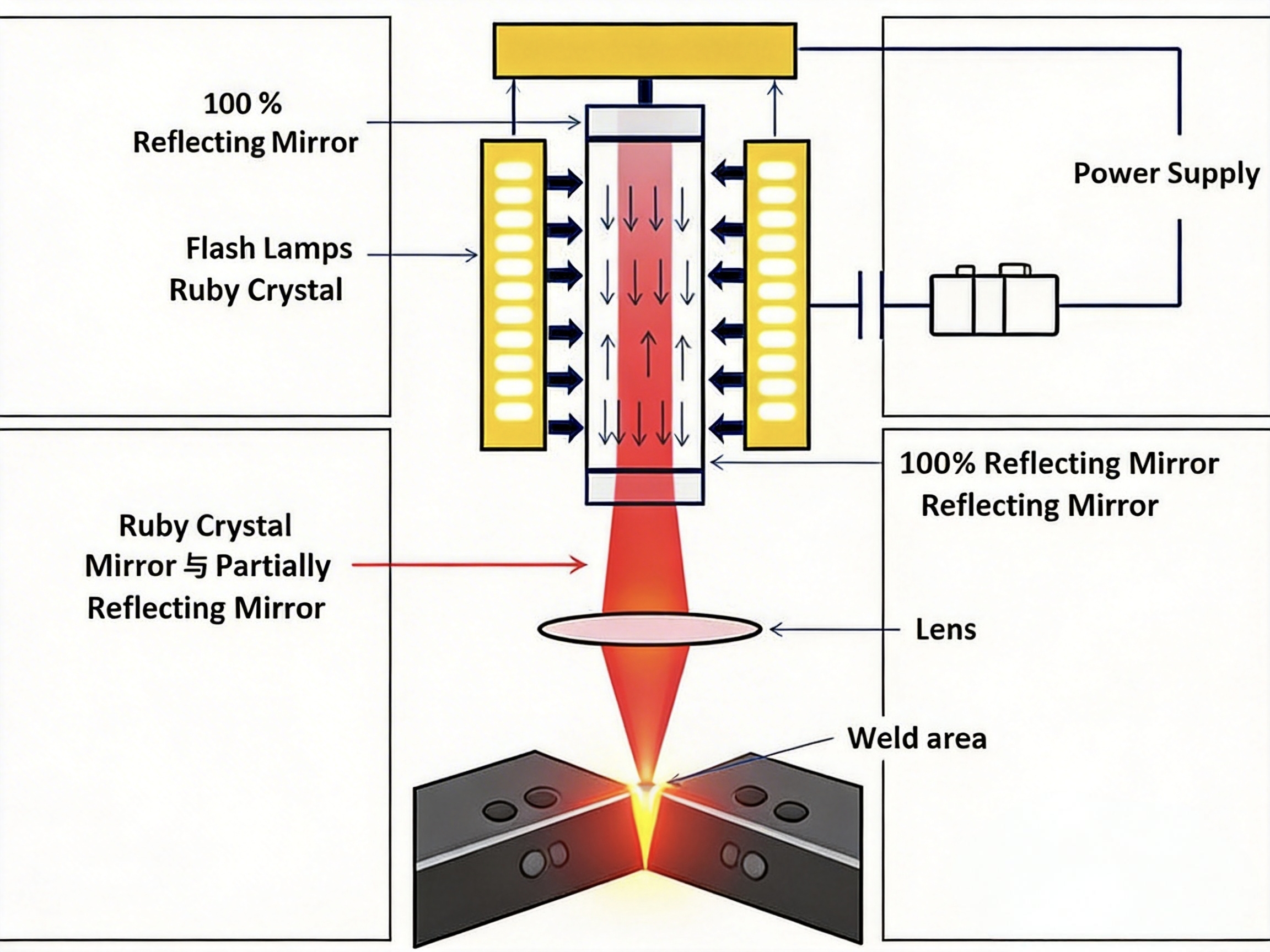
A modern fiber laser welding system usually includes:
Fiber Laser Source
Generates high-energy laser beams with excellent beam quality.
Optical Fiber Cable
Transfers the laser beam efficiently to the welding head while allowing flexible movement.
Welding Head
Contains focusing optics and wobble systems for precise weld control.
Cooling System
Maintains stable laser temperature during continuous operation.
Shielding Gas System
Protects the molten pool from oxidation and improves weld quality.
CNC or Robotic System
Used in automatic laser welding production lines.
🔥 5. Advantages of Fiber Optic Laser Welding
5.1 Extremely High Precision
Fiber lasers can focus energy into microscopic spots, allowing accurate welding of delicate parts and complex geometries.
This is especially important in:
- Medical devices
- Electronics
- Aerospace components
5.2 Faster Welding Speed
Fiber laser welding is significantly faster than TIG or MIG welding.
Many industrial systems achieve welding speeds several times higher than traditional methods, improving production throughput.
5.3 Small Heat-Affected Zone
The laser concentrates heat into a tiny area, minimizing thermal distortion and reducing warping.
Benefits include:
- Better dimensional accuracy
- Reduced post-processing
- Less material stress
5.4 Clean and Beautiful Weld Seams
Fiber optic laser welding creates smooth, narrow weld seams with minimal spatter and little need for grinding or polishing afterward.
5.5 Excellent Automation Compatibility
Fiber laser systems integrate easily with:
- Industrial robots
- CNC motion systems
- Vision systems
- Smart factory automation
This makes them ideal for automatic production lines.
5.6 Low Maintenance Requirements
Fiber laser systems contain fewer moving parts and operate as non-contact tools, reducing maintenance costs compared with traditional welding equipment.
⚖️ 6. Fiber Laser Welding vs Traditional Welding
| Feature | Fiber Laser Welding | TIG/MIG Welding |
|---|---|---|
| Welding Speed | Very high | Moderate |
| Precision | Extremely high | Lower |
| Heat Distortion | Minimal | Higher |
| Post-Processing | Minimal | Often required |
| Automation | Excellent | Moderate |
| Operator Skill Dependency | Lower | Higher |
| Weld Appearance | Clean & smooth | Variable |
Fiber optic laser welding is increasingly replacing traditional welding in high-precision manufacturing industries.
🔹 7. Handheld vs Automatic Fiber Laser Welding
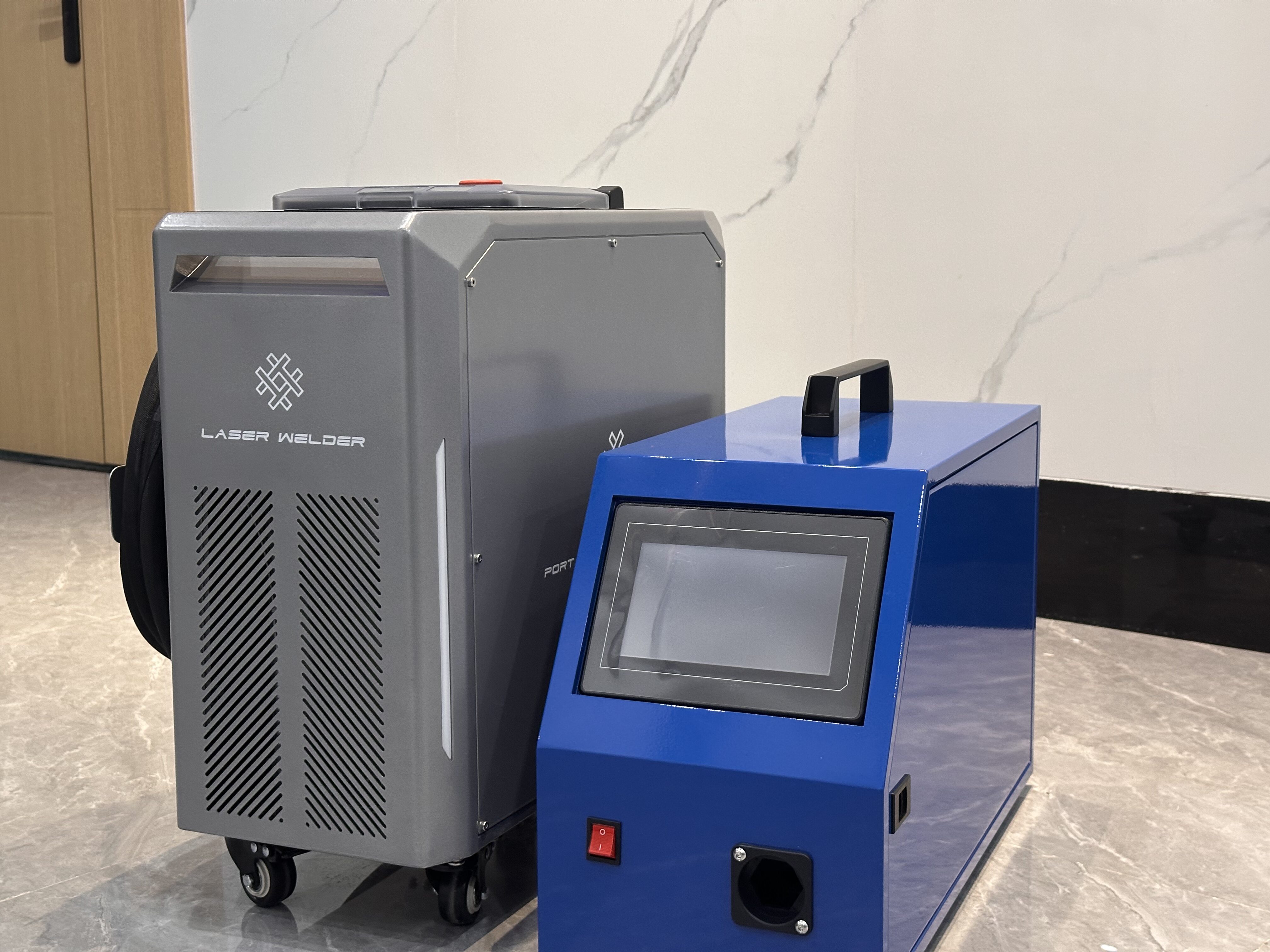
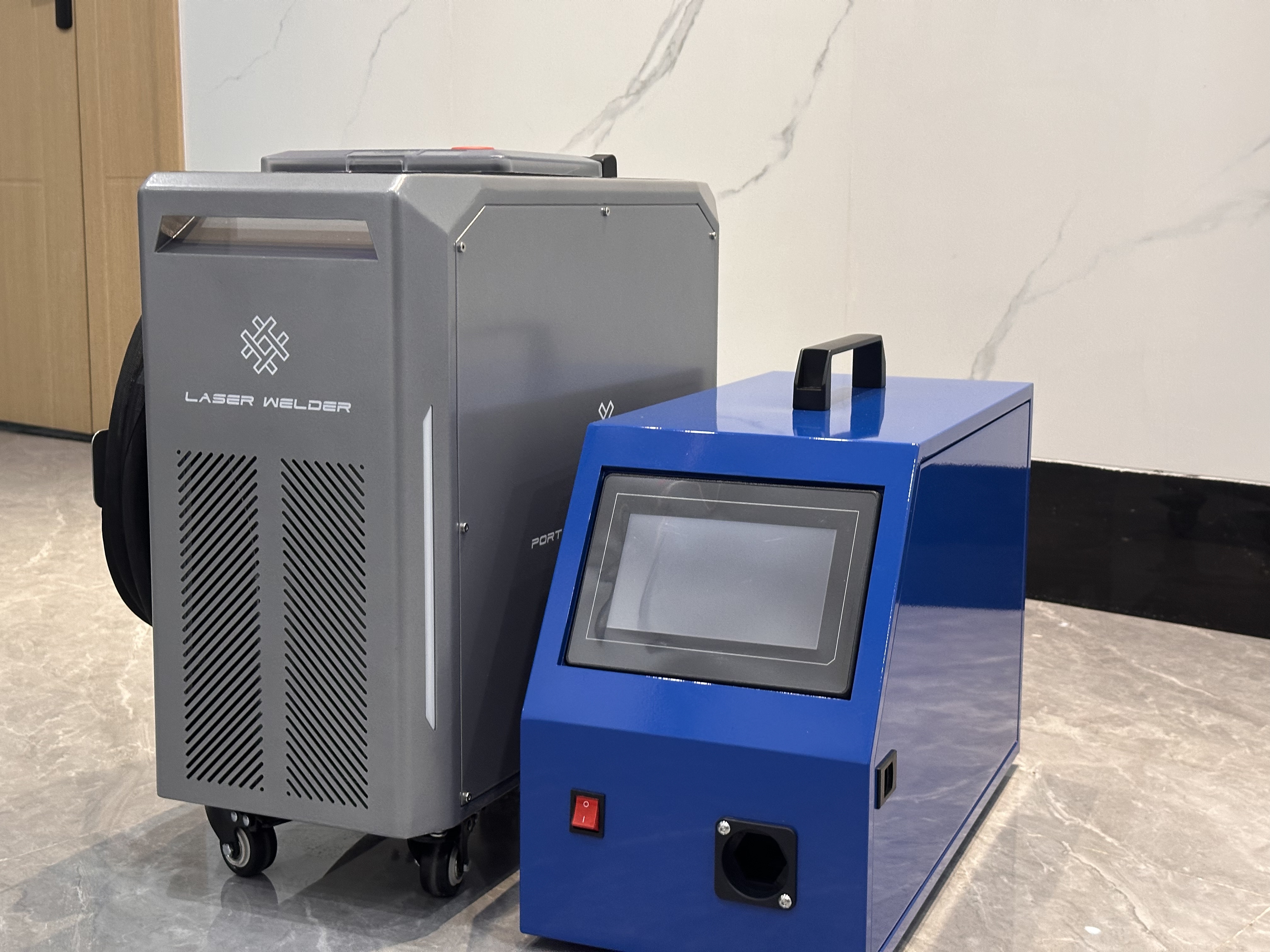
Handheld Fiber Laser Welding
Best for:
- Small workshops
- Metal fabrication shops
- Repair work
- Flexible applications
Advantages:
- Portable
- Easy to learn
- Lower investment cost
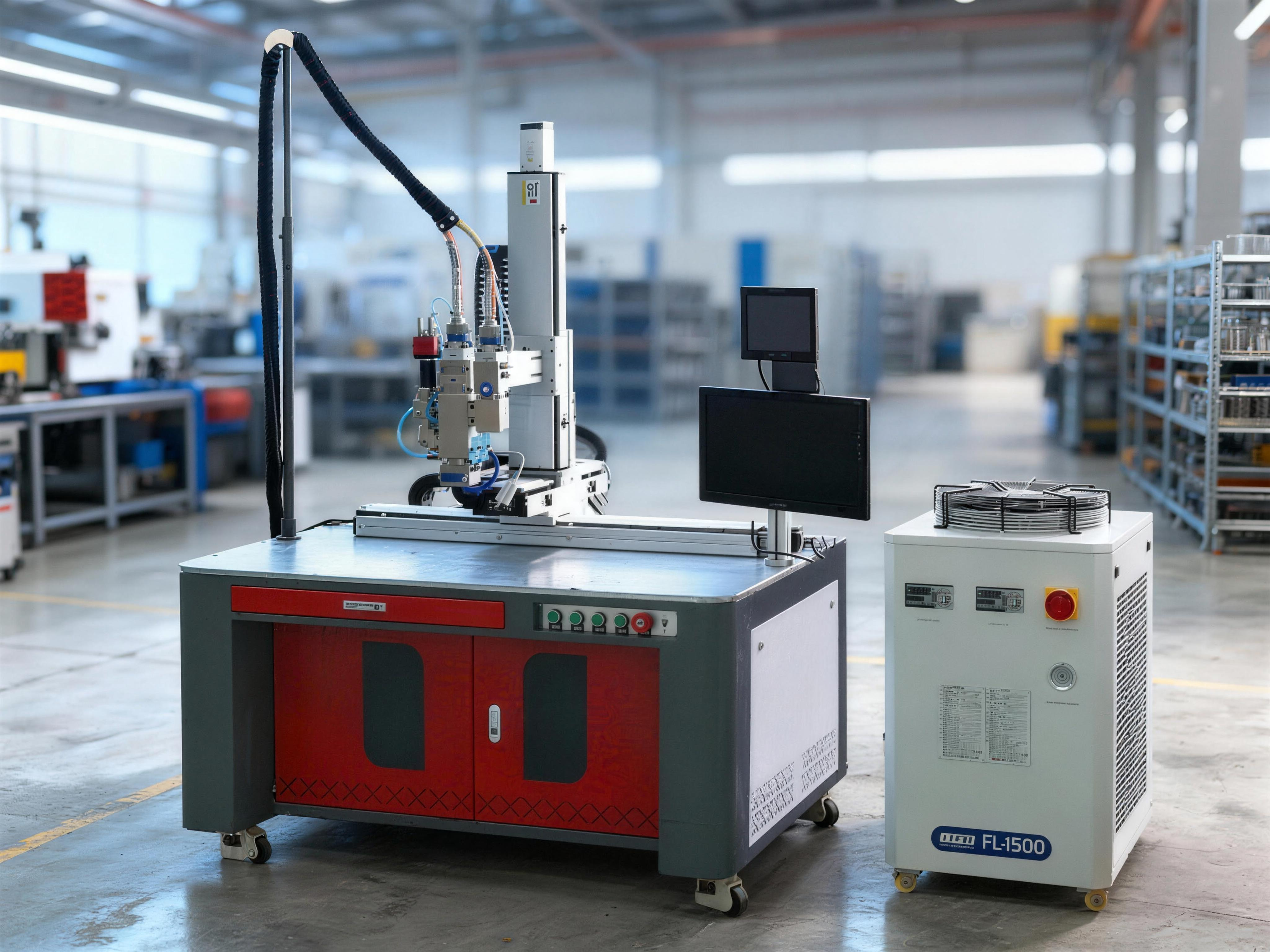
Automatic Fiber Laser Welding
Best for:
- Mass production
- Automotive manufacturing
- Battery production lines
- Aerospace applications
Advantages:
- High repeatability
- Consistent quality
- Continuous production capability
- Intelligent monitoring systems
🔹 8. Common Materials Used in Fiber Laser Welding
Fiber laser welding can process a wide range of metals, including:
- Stainless steel
- Carbon steel
- Aluminum
- Copper
- Titanium
- Brass
- Dissimilar metals
Modern fiber laser systems perform especially well on reflective metals that were difficult to weld with older laser technologies.
🏭 9. Industrial Applications of Fiber Optic Laser Welding
Automotive Industry
- Body structures
- EV battery modules
- Exhaust systems
Aerospace
- Precision structural components
- Lightweight alloy welding
Electronics
- Sensors
- Micro-components
- Precision assemblies
Medical Devices
- Surgical instruments
- Implant components
Sheet Metal Fabrication
- Cabinets
- Furniture
- Stainless steel products
Battery Manufacturing
Laser welding is increasingly used for cylindrical and prismatic battery cell connections.
⚠️ 10. Challenges and Limitations
Although fiber optic laser welding offers major advantages, manufacturers should also consider several challenges.
Higher Initial Investment
Industrial fiber laser systems often require higher upfront costs than traditional welding equipment.
Safety Requirements
Laser systems require proper:
- Protective enclosures
- Laser safety glasses
- Fume extraction systems
Surface Preparation Sensitivity
Contaminants such as oil, paint, or oxidation can affect weld quality.
Reflective Material Challenges
Some reflective metals still require optimized process settings and specialized welding parameters.
🔮 11. Future Trends in Fiber Laser Welding Technology
The future of fiber optic laser welding is closely linked with smart manufacturing and automation.
Emerging trends include:
- AI-based welding quality control
- Real-time seam tracking
- Robotic collaborative welding
- IoT-connected laser systems
- Higher power fiber lasers
- Fully automated welding cells
As Industry 4.0 continues expanding, fiber laser welding will become even more important in intelligent factories.
🟩 12. Conclusion
Fiber optic laser welding is transforming modern manufacturing through:
- High precision
- Fast processing speed
- Low heat distortion
- Excellent automation capability
Compared with traditional welding methods, fiber laser technology delivers cleaner welds, higher productivity, and lower long-term operating costs.
Whether used in handheld systems for flexible fabrication or fully automated robotic production lines, fiber optic laser welding is becoming one of the most important technologies in industrial metal processing today.