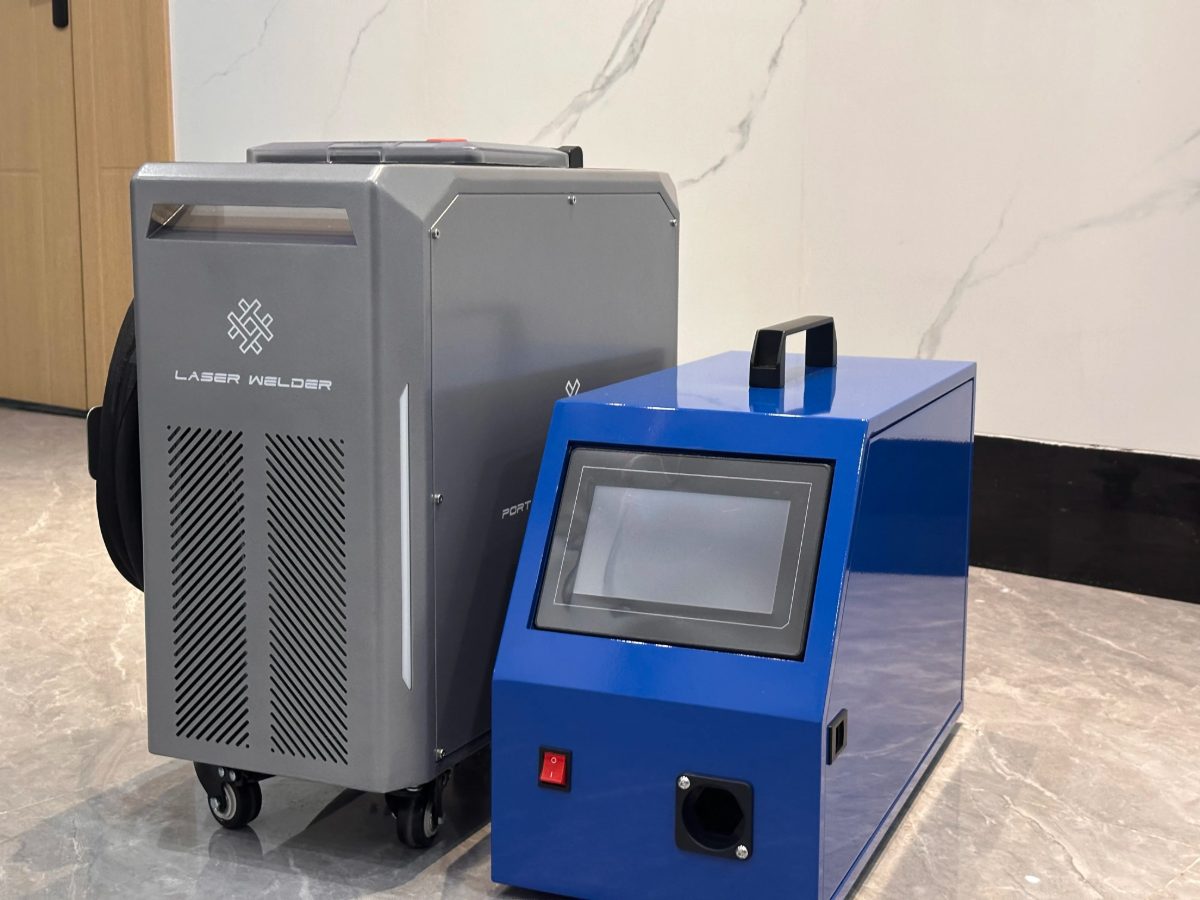
3 in 1 Laser Welder: The Truth About Rust Removal, Cutting and Welding in One Machine
News 2026-05-06 251
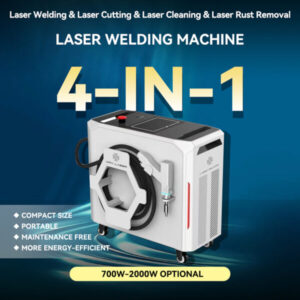
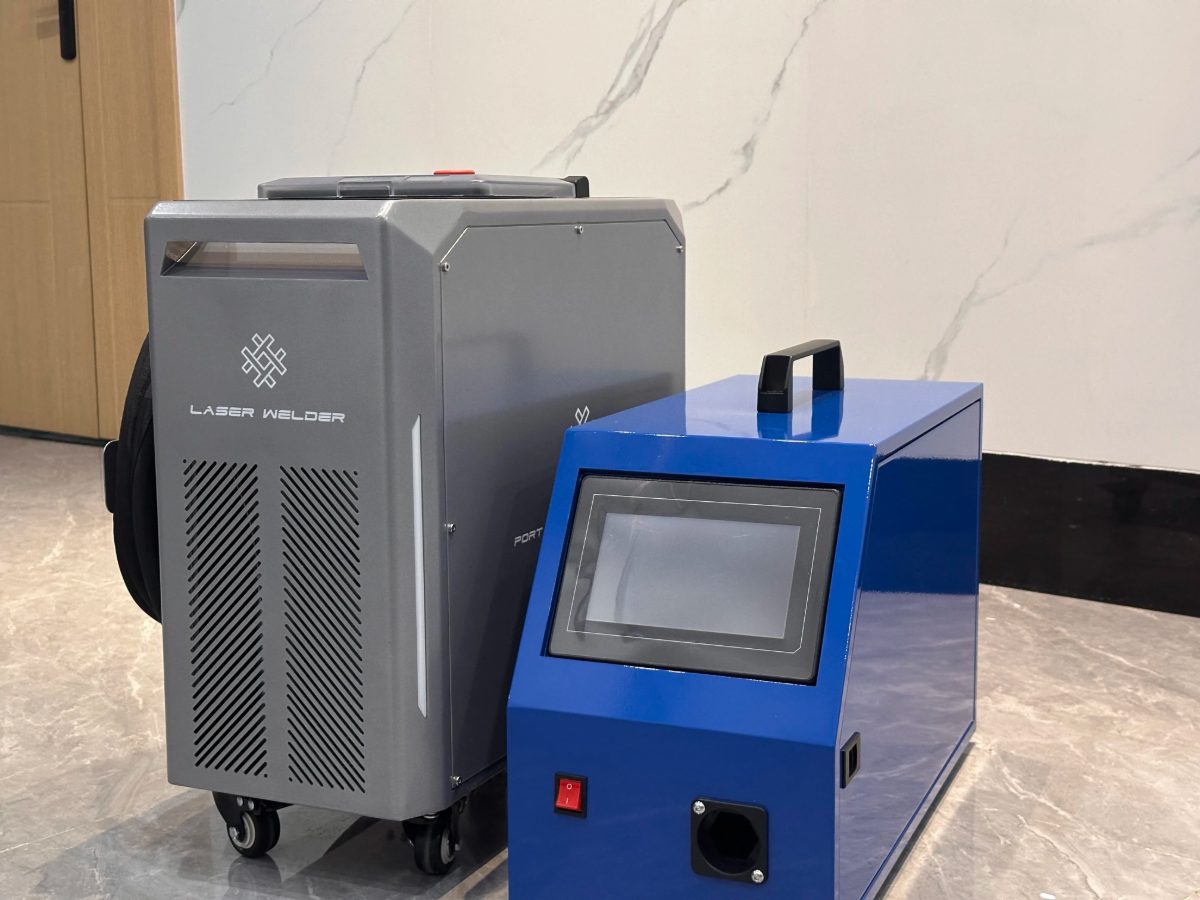
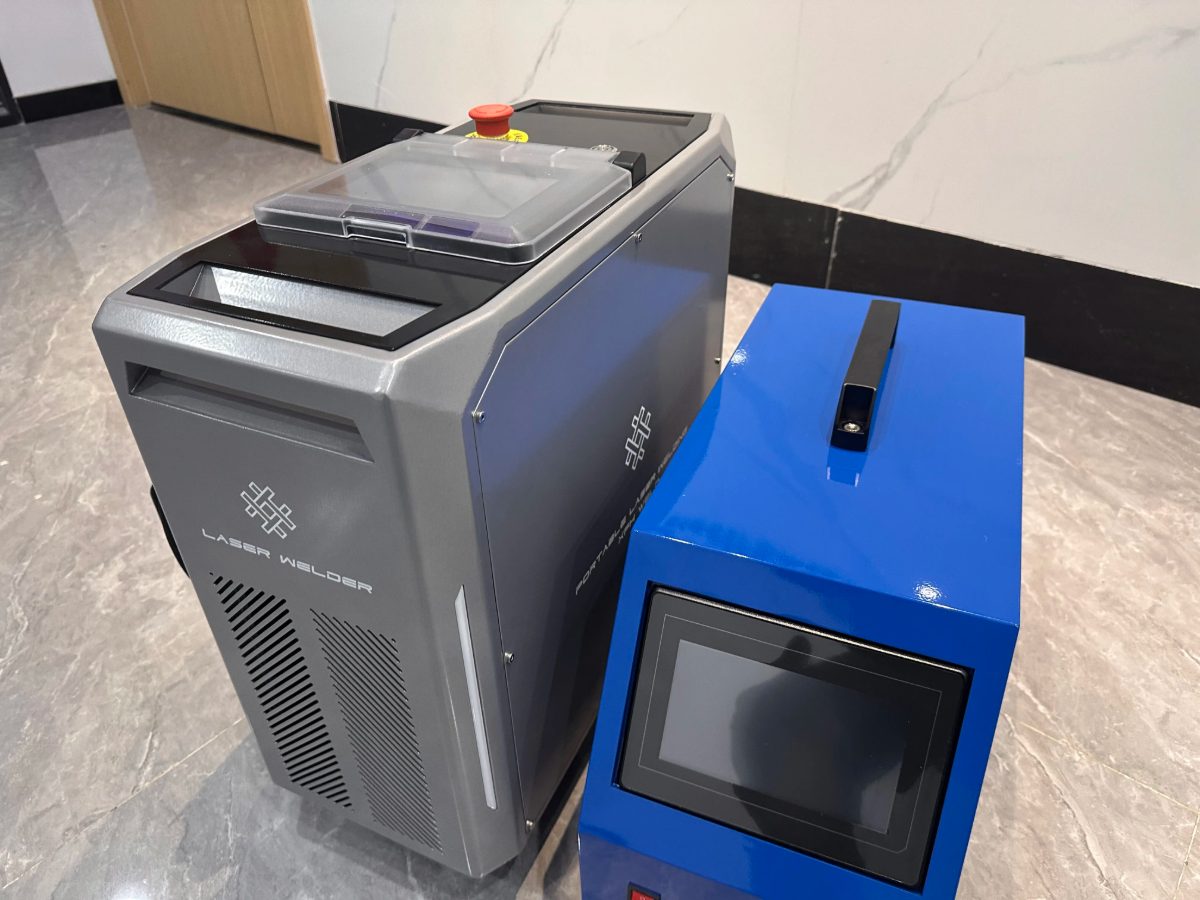
Introduction In recent years, the 3 in 1 laser welder has become one of the most talked-about tools in the metal fabrication industry. Promoted as a machine capable of rust removal, cutting, and welding, it promises to replace multiple pieces of equipment with a single compact solution. But is this technology truly revolutionary—or just clever marketing? If you’ve heard claims that “3 in 1 machines are just a publicity stunt”, you’re not alone. Many professionals question whether combining three functions compromises performance. In this guide, we’ll break down the reality behind 3 in 1 rust removal cutting welding machines, using practical industry insights, real-world applications, and technical analysis to help you decide if it’s worth the investment. Table of Contents What is a 3 in 1 Laser Welder? How 3 in 1 Rust Removal, Cutting and Welding Works Advantages of 3 in 1 Laser Welders Are 3 in 1 Machines Just a Marketing Gimmick? Welding Quality vs Single-Purpose Machines Cutting and Cleaning Performance Who Should Buy a 3 in 1 Laser Welder? Limitations You Should Know Before Buying Cost vs ROI (Return on Investment) Expert Buying Advice Final Verdict: Is It Worth It? Conclusion What is a 3 in 1 Laser Welder? A 3 in 1 laser welder is a type of handheld fiber laser welding machine designed to perform three key functions: Laser welding Laser cutting (thin materials) Laser cleaning (rust, paint, oil removal) Instead of using separate machines, operators can switch modes by adjusting parameters and replacing nozzles. At its core, however, the machine is still fundamentally a fiber laser welding system, with cleaning and cutting acting as additional capabilities. How 3 in 1 Rust Removal, Cutting and...
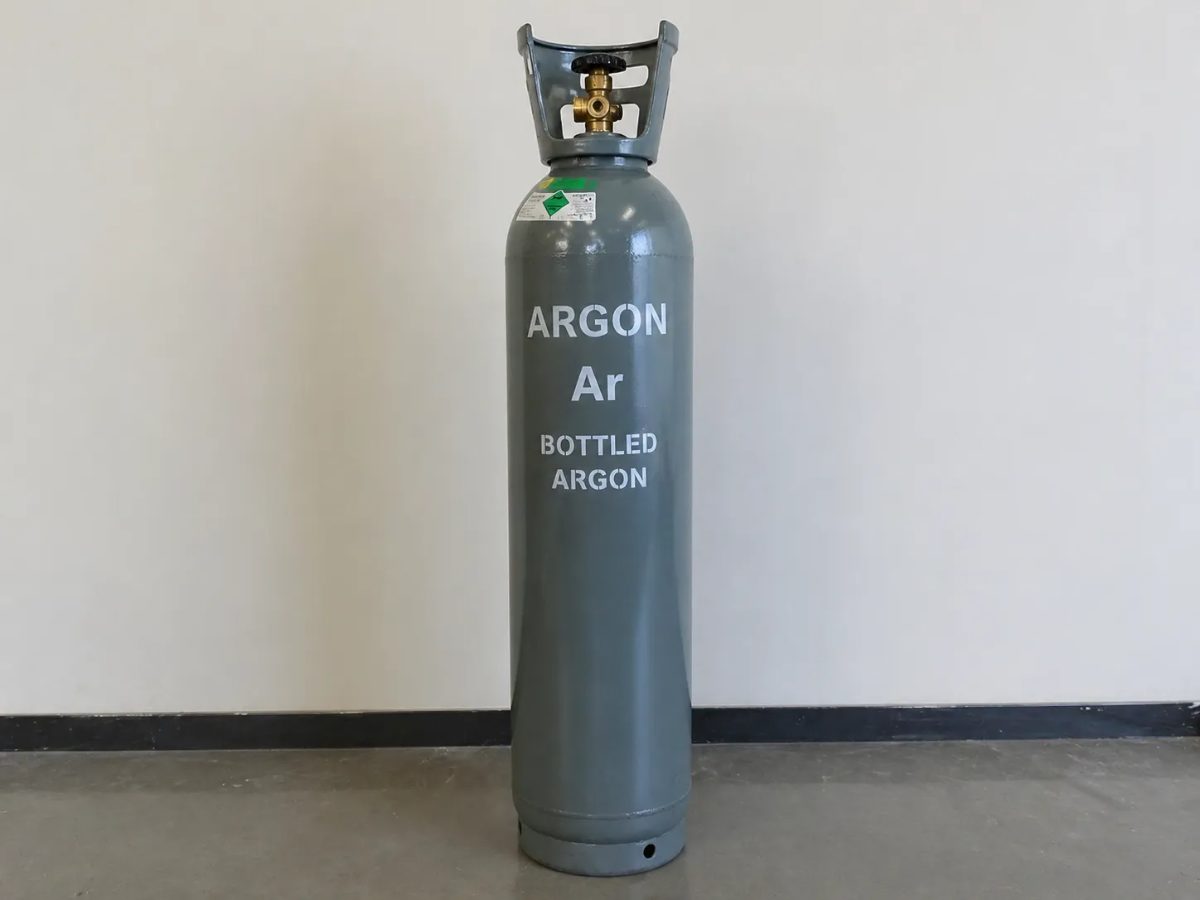
Portable Laser Welder Gas Guide: Argon, Nitrogen, CO2, or Air?
News 2026-04-30 903
If you own or operate a portable laser welder, you already know how convenient it is for on‑site repairs, small batch production, and tight spaces. But one question confuses many beginners: What shielding gas should I use? The gas you choose directly affects weld bead appearance, oxidation, porosity, and even the life of your consumables. In this guide, we’ll walk through the four common gas options for a laser welder – argon, nitrogen, CO2, and air – plus two critical gas‑related settings that many operators get wrong. Table of Contents Gas Selection Overview Argon – Best for Quality & Low Porosity Nitrogen – Good Appearance, Low Oxidation Carbon Dioxide (CO2) – When Appearance Doesn’t Matter Air – Cheap but Conditionally Usable Important Gas‑Related Notes Gas Regulator Choice (Don’t Use Energy‑Saving Regulators) Gas Flow Rate – 10 to 15 Liters per Minute Final Recommendation for Portable Laser Welders 1. Gas Selection Overview {#gas-selection-overview} All laser welding – including handheld laser welding – requires a shielding gas to protect the molten pool from atmospheric oxygen and nitrogen. Without gas, you’ll get heavy oxidation, porosity, and a dark, rough bead. But not every gas works the same way. Below are four practical choices, ranked by quality and cost. 2. Argon – Best for Quality & Low Porosity {#argon} Argon is the most common shielding gas for portable laser welders when weld quality is the top priority. Pros: Very stable arc, minimal spatter, excellent wetting, and very low porosity. Cons: Higher cost than other gases. Best for: Stainless steel, mild steel, aluminum, and any joint that requires a clean, dense weld bead with no internal voids. When to choose argon: You need strong, gas‑tight welds – for example, pressure vessels, food equipment, or visible cosmetic welds. If...
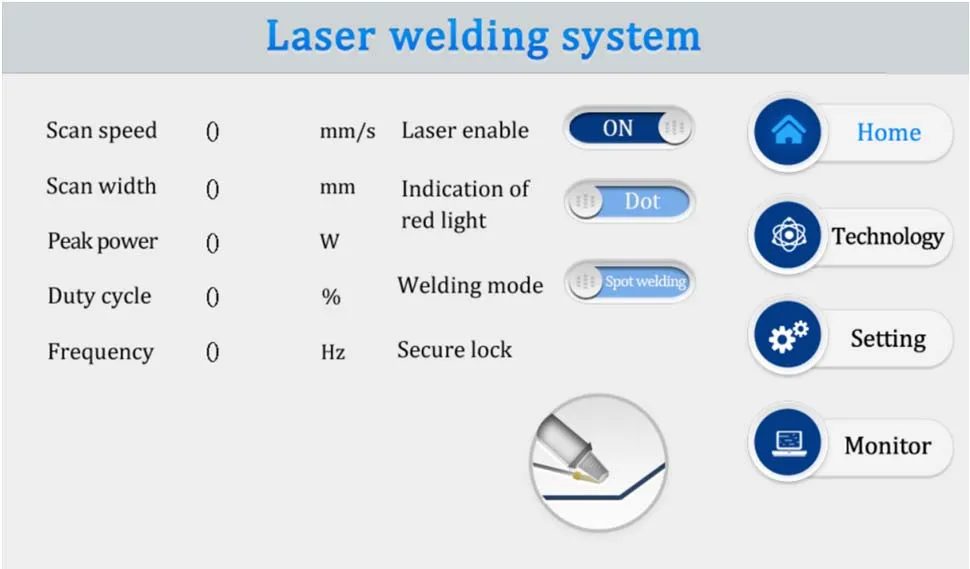
3 Critical Laser Welder Parameters That Solve 80% of Your Problems
News 2026-04-29 435
If you work with a laser welder, you know that getting the perfect weld often comes down to a handful of settings. While machines offer dozens of adjustable values, three parameters make up the bulk of day‑to‑day adjustments. Master these, and you’ll be able to handle 80% of all parameter‑related welding issues – the remaining 20% come with experience and material‑specific fine‑tuning. Let’s dive into the three most important laser welding parameters: peak power, swing width, and laser center offset. 1. Peak Power (Laser Power) Peak power – sometimes labelled as “peak pulse power” – directly affects how much energy the laser delivers to the workpiece. The rule is simple: Thicker material + faster welding speed → higher peak power Thinner material + slower welding speed → lower peak power For example, a 700W laser welder can comfortably weld steel plates up to about 2 mm thick at full power. But if you switch to a 1 mm plate, you should dial the power down to avoid burn‑through, excessive spatter, or a concave bead. Practical tip: Always start with a slightly lower power and run a test bead. Increase stepwise until you achieve full penetration with a smooth, clean surface. Overpowering wastes energy and can warp thin sheets. Why it’s critical: Incorrect peak power leads to weak joints (too low) or melting / burn‑through (too high). This single parameter influences penetration depth, bead shape, and heat input. 2. Swing Width (Oscillation / Wobble Width) Swing width (often called wobble width or oscillation amplitude) determines how wide the laser beam oscillates as it moves along the seam. The wider the swing, the wider the weld bead. This parameter becomes especially important when you use filler wire. A wider swing...
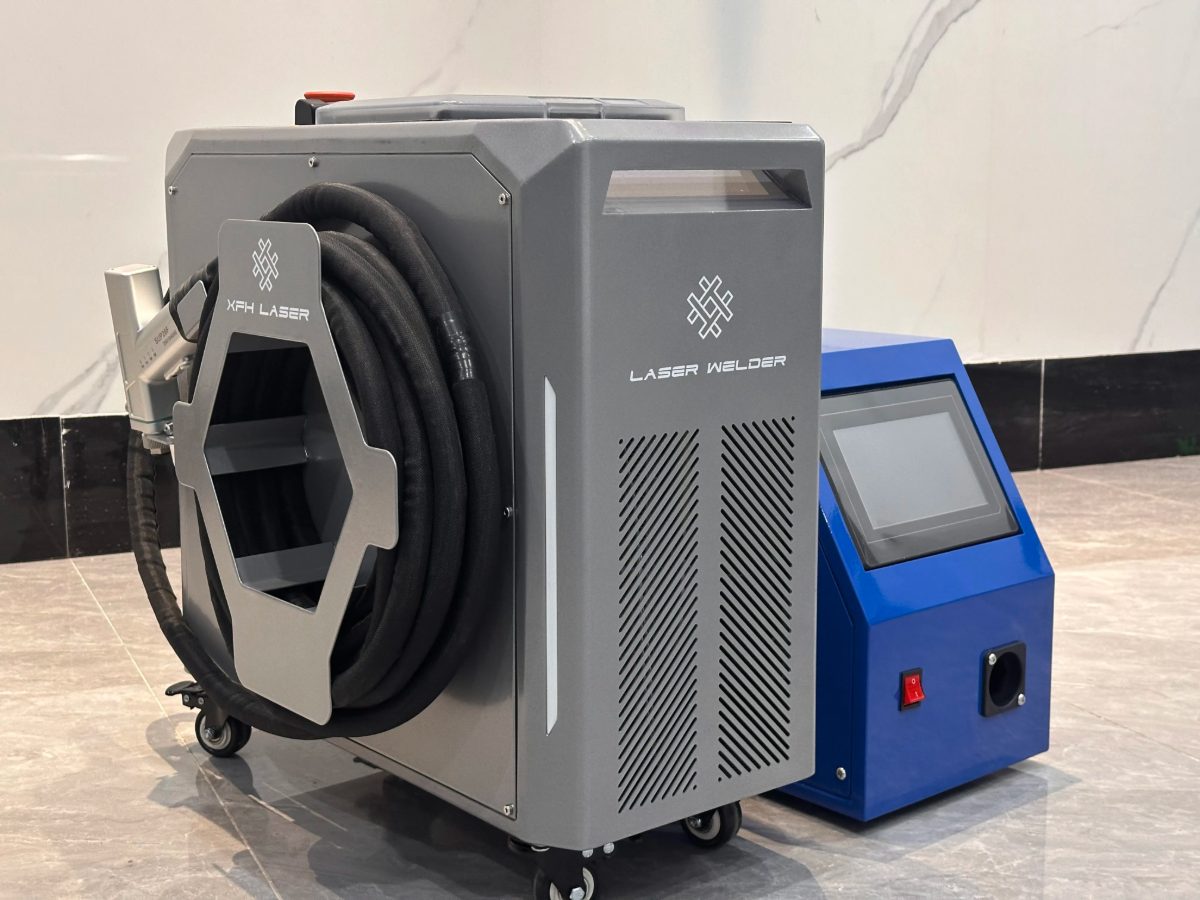
Handheld Laser Welding: The Complete Guide to Modern Metal Welding Technology
News 2026-04-13 272
Introduction In today’s competitive manufacturing landscape, efficiency, precision, and cost control are more important than ever. Traditional welding methods such as TIG and MIG have been widely used for decades, but they come with limitations including slower speeds, high heat input, and a strong dependence on skilled labor. This is where handheld laser welding comes into play. A handheld laser welding machine is a revolutionary tool that combines advanced fiber laser technology with portability and ease of use. It allows manufacturers to achieve high-quality welds at significantly higher speeds while reducing operational complexity. From metal fabrication workshops to large-scale industrial production lines, handheld laser welding is rapidly becoming the preferred solution for modern metal joining. What Is Handheld Laser Welding? Handheld laser welding is an advanced welding process that uses a high-energy laser beam to join metal parts. Unlike traditional welding methods, which rely on electrical arcs or gas flames, laser welding focuses a concentrated beam of light onto a small area, instantly melting the material and forming a strong bond. The key difference lies in its design:A portable laser welder features a handheld welding gun connected to a fiber laser source, making it flexible and easy to operate. This innovation allows operators to weld complex shapes, large components, and hard-to-reach areas with minimal effort. How Does a Handheld Laser Welding Machine Work? The working principle of a fiber laser welding machine is based on high-energy density laser beams. Step-by-Step Process The laser source generates a high-intensity beam The beam is transmitted through an optical fiber The handheld gun focuses the beam onto the metal surface The material melts and forms a weld pool The molten metal solidifies, creating a...
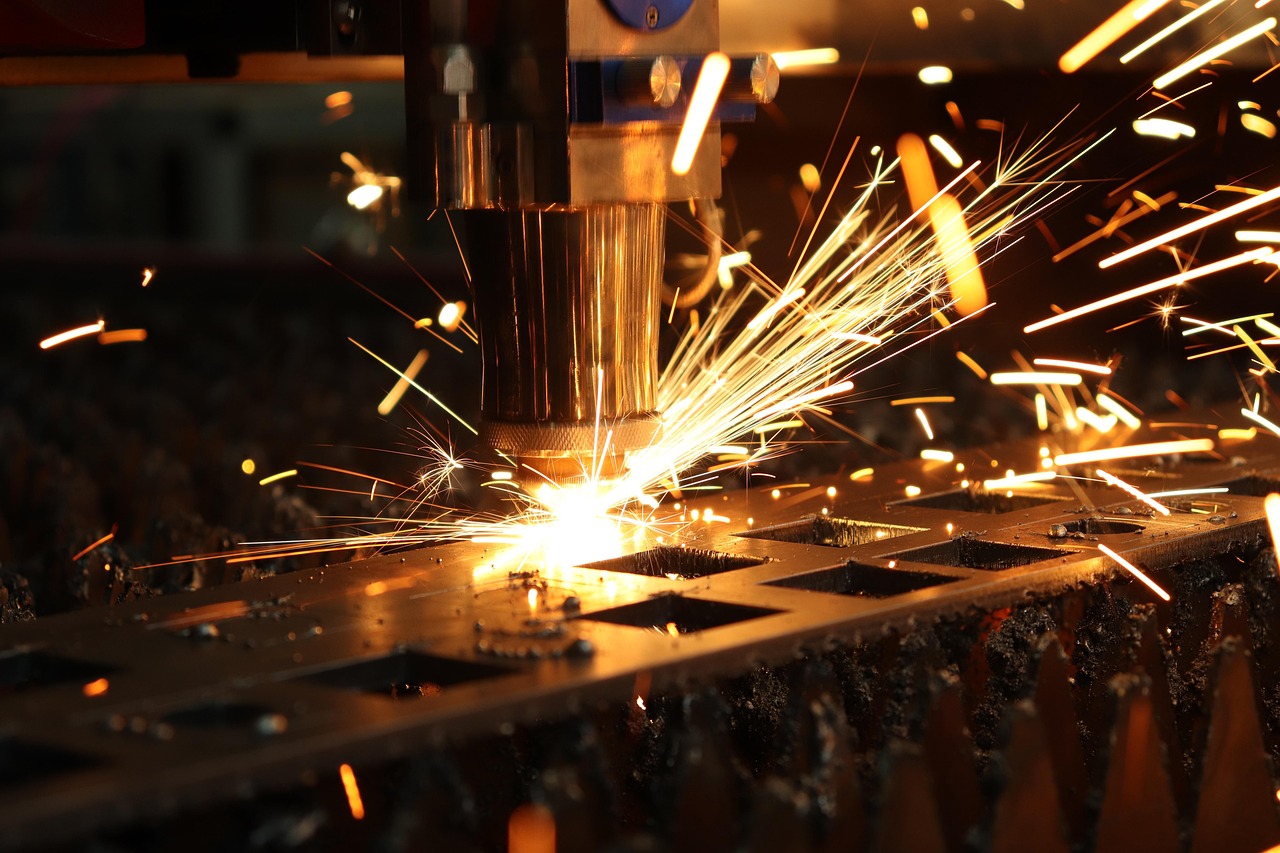
3 in 1 Rust Removal Cutting Welding Machine: The Complete Guide for Modern Factories
News 2026-04-07 184
What Is a 3 in 1 Rust Removal Cutting Welding Machine? A 3 in 1 rust removal cutting welding machine is a multi-functional laser system designed to perform: Laser welding Laser cleaning (rust removal, paint removal) Laser cutting All within a single piece of equipment. Instead of switching between different machines, operators can easily change modes depending on the task. This flexibility makes the system ideal for modern workshops and factories that handle diverse production requirements. How the 3 in 1 System Works The 3 in 1 rust removal cutting welding system uses a high-energy laser beam to perform different operations based on settings and accessories. Welding Mode In welding mode, the laser beam melts the metal surfaces and fuses them together. Produces smooth weld seams High strength joints Minimal distortion Cleaning Mode (Rust Removal) In cleaning mode, the laser removes contaminants such as: Rust Oil Paint Oxide layers This process is non-contact, meaning it does not damage the base material. Cutting Mode In cutting mode, the laser beam slices through metal with high precision. Clean edges Minimal burrs Reduced post-processing Key Features of 3 in 1 Laser Machines Multi-Function Integration The biggest advantage of a 3 in 1 rust removal cutting welding system is its ability to perform multiple tasks. This eliminates the need for separate machines and simplifies production. Handheld and Flexible Design Most systems are designed with: Handheld laser guns Portable structure Easy operation This allows users to work in different environments, including on-site applications. High Precision and Efficiency Laser technology ensures: Accurate processing Consistent results Fast operation Quick Mode Switching Operators can switch between functions quickly without complicated setup, improving workflow efficiency. Low...
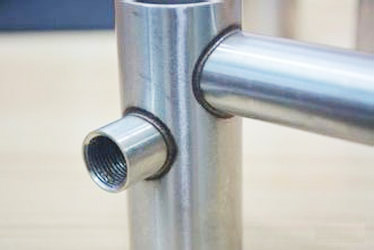
CNC Laser Welding Machine: The Complete Guide to Automated Precision Welding
News 2026-03-27 273
Introduction: Why Automation Is Reshaping Welding Technology Manufacturing is evolving rapidly. Companies are no longer focused only on production—they are focused on efficiency, consistency, and scalability. Traditional welding methods rely heavily on skilled operators. While effective, they often lead to: Inconsistent weld quality Higher labor costs Slower production speed To overcome these challenges, many factories are turning to the cnc laser welding machine. By combining laser technology with computer numerical control (CNC), this system enables fully automated, high-precision welding. It allows manufacturers to produce consistent results at scale while reducing dependence on manual labor. What Is a CNC Laser Welding Machine? A cnc laser welding machine is an advanced welding system that uses a high-energy laser beam controlled by a CNC system to join metal materials. The CNC system controls: Welding path Speed Position Depth This automation ensures that every weld is consistent and repeatable, even in high-volume production environments. Compared to manual welding, a cnc-controlled system offers greater precision and efficiency. How a CNC Laser Welding Machine Works The working process combines digital control with laser technology: A CAD design defines the welding path The CNC system converts the design into machine instructions The laser beam is generated and transmitted The beam is focused onto the material The material melts and forms a weld The weld solidifies into a strong joint Because the entire process is programmed, human error is significantly reduced. Key Features of CNC Laser Welding Machines Fully Automated Operation A cnc laser welding machine operates with minimal manual input. Pre-programmed welding paths Consistent production Reduced operator dependency Multi-Axis Precision Control Most systems support: X, Y, Z axis movement Optional rotary or multi-axis configurations This allows welding...
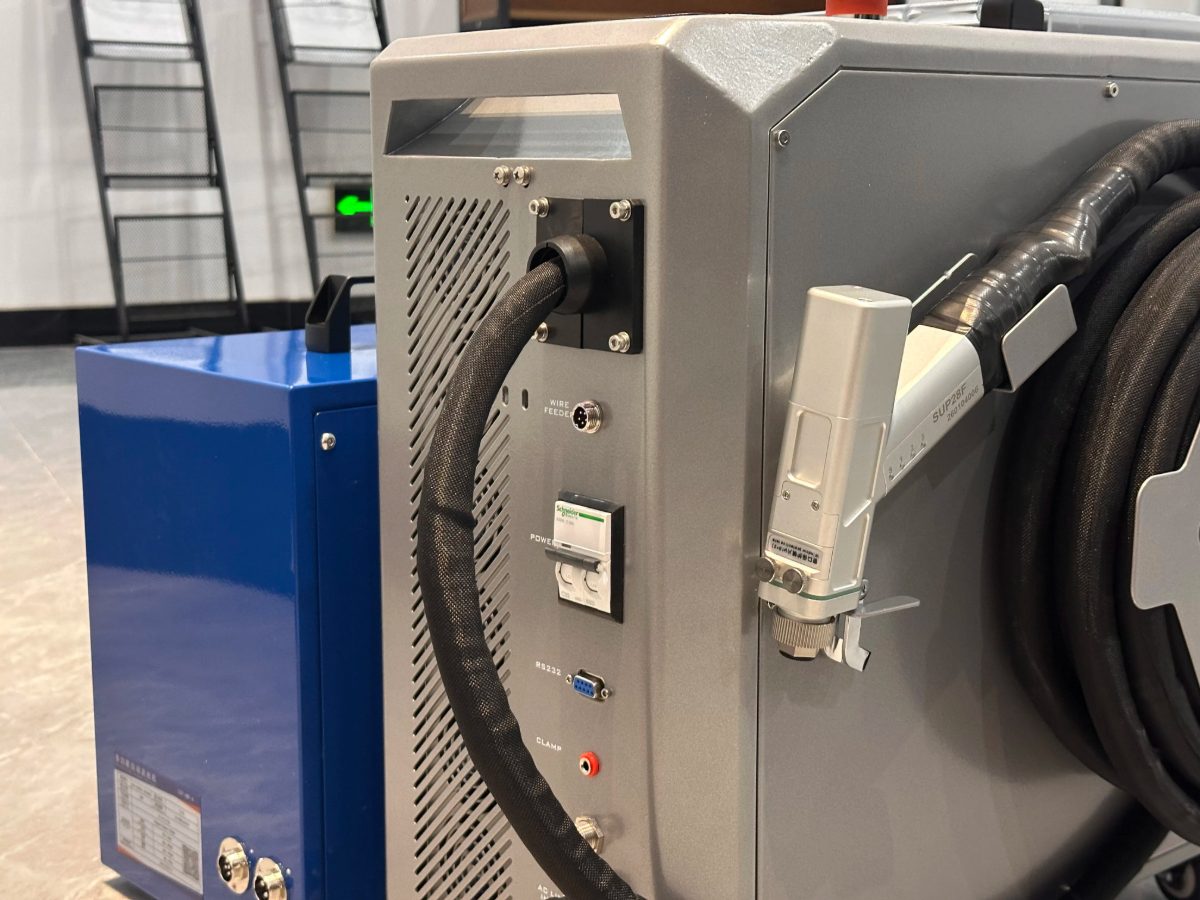
Fiber Laser Welding Machine: Complete Guide for Modern Manufacturing
News 2026-03-27 439
Introduction: Why This Technology Is Transforming Industry In today’s manufacturing environment, companies are under constant pressure to improve efficiency, reduce labor costs, and maintain consistent product quality. Traditional welding methods such as TIG and MIG welding are still widely used, but they often require skilled operators and can lead to inconsistent results. This is where the fiber laser welding machine has become a preferred solution. With advantages such as high speed, low heat distortion, and clean weld seams, this technology is helping factories upgrade their production capabilities. What Is a Fiber Laser Welding Machine? A fiber laser welding machine uses a fiber laser source to generate a high-energy beam that joins metal materials. The beam is transmitted through optical fiber and focused onto the workpiece, melting the material and forming a strong weld. Compared to conventional methods, this system offers better precision, higher efficiency, and more stable performance. It is commonly used for welding: Stainless steel Carbon steel Aluminum Galvanized materials How the Welding Process Works The process is relatively straightforward: The laser source generates a high-energy beam The beam is delivered through a fiber optic cable It is focused onto the welding area The material melts and forms a weld pool The molten metal cools and solidifies Because the process is highly controlled, results are consistent and repeatable. Types of Fiber Laser Welding Systems Handheld Systems A fiber laser welding machine in handheld form is designed for flexibility. Easy to use Portable Ideal for small workshops Automated Systems Automated solutions are used for industrial production. High efficiency Stable output Consistent quality Robotic Welding Systems These systems are designed for advanced manufacturing. High precision Complex welding paths Suitable for large-scale...

Laser Accessories Guide: Everything You Need to Improve Performance and Reduce Costs
News 2026-03-25 243
Introduction: Why Laser Accessories Are Critical for Industrial Performance When investing in laser equipment such as welding, cutting, or cleaning systems, many buyers focus primarily on the machine itself. However, experienced manufacturers understand that laser accessories are just as important. The right accessories directly affect: Processing quality Equipment lifespan Maintenance frequency Overall production efficiency In fact, poor-quality or mismatched accessories can lead to unstable performance, increased downtime, and higher long-term costs. Whether you are a factory owner or a distributor, understanding how to choose and use laser accessories properly can significantly improve your operational results and profitability. What Are Laser Accessories? Laser accessories refer to all supporting components used with laser machines to ensure proper operation, enhance performance, and maintain safety. These accessories are used in: Laser welding systems Laser cutting machines Laser cleaning equipment They are essential for both daily operation and long-term maintenance. Laser accessories can be divided into consumables, functional components, and safety equipment, depending on their role. Main Types of Laser Accessories Understanding different types of laser accessories helps you make better purchasing decisions. Optical Components Optical components are among the most important laser accessories because they directly affect beam quality. Common types include: Protective lenses Focusing lenses Collimating lenses Key functions: Control laser beam focus Protect internal laser sources Improve processing accuracy High-quality optical components ensure stable performance and reduce the risk of damage to expensive laser systems. Laser Nozzles Nozzles are critical laser machine accessories used in welding and cutting applications. Functions: Guide assist gas flow Improve weld seam quality Reduce spatter and defects Different nozzle sizes and shapes are required depending on material type and thickness. Cooling Systems Laser systems generate significant heat,...
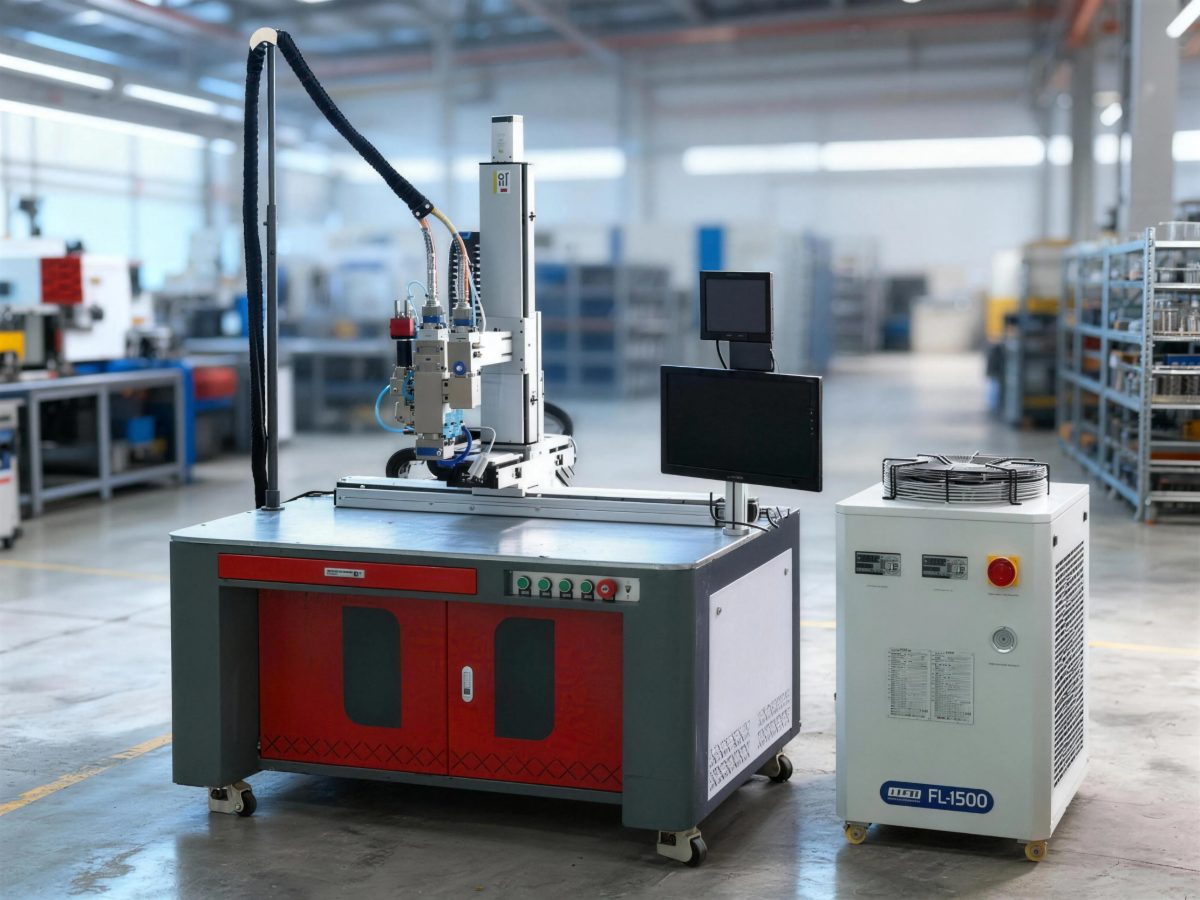
Automated Welding Guide: What Manufacturers Need to Know Before Upgrading
News 2026-03-24 240
Introduction: Why Automated Welding Is Becoming a Standard in Manufacturing Across industries such as metal fabrication, automotive, and equipment manufacturing, companies are facing increasing pressure to improve productivity while maintaining consistent quality. At the same time, skilled welders are becoming harder to find, and labor costs continue to rise. This is why automated welding is no longer just an option—it is becoming a necessity. By replacing manual processes with controlled, repeatable systems, automated welding allows manufacturers to: Increase production speed Improve weld consistency Reduce labor dependency Lower long-term operational costs However, before investing in an automated system, it is important to understand how it works, what it costs, and whether it is the right fit for your production environment. What Is Automated Welding? Automated welding refers to the use of machines, programmable systems, or robots to perform welding operations with minimal human intervention. Unlike manual welding, where results depend heavily on operator skill, automated welding relies on: Pre-programmed parameters Controlled motion systems Consistent welding conditions This results in highly repeatable and predictable weld quality. Automated welding can range from simple mechanized setups to fully robotic production lines integrated with advanced control systems. Types of Automated Welding Systems Understanding different system types is essential when evaluating automated welding solutions. Semi-Automated Welding Systems In semi-automated setups: Operators load and position parts The machine controls welding parameters Best for: Small to medium production Companies transitioning from manual welding Fully Automated Welding Systems Fully automated systems handle: Part positioning Welding execution Process control These systems require minimal human involvement and are ideal for: High-volume production Standardized products Robotic Welding Systems Robotic welding is one of the most advanced forms of automated welding. Features include:...
Small Laser Welding Machine Price Guide: What Buyers Really Need to Know
News 2026-03-23 285
Introduction: Why Small Laser Welding Machines Are Becoming Popular Over the past few years, more small factories, workshops, and even individual fabricators have started switching to laser welding. One of the biggest reasons behind this shift is the rapid drop in the small laser welding machine price, making this technology accessible to a much wider audience. In the past, laser welding was considered expensive and only suitable for large industrial production. Today, entry-level machines start at around $2,999, opening the door for small businesses to upgrade their welding processes. However, from a buyer’s perspective, the most important question is not just: 👉 “What is the price?” But rather: 👉 “Is this machine worth the investment?” In this guide, we will break down everything you need to know about small laser welding machine price, including cost ranges, influencing factors, applications, ROI, and how to choose the right system for your business. What Is a Small Laser Welding Machine? A small laser welding machine is a compact welding system designed for flexibility, affordability, and ease of use. Most of these machines are handheld or portable, making them ideal for small workshops and medium-sized production environments. Unlike traditional welding methods, a laser welding machine uses a focused beam of light to melt and fuse metal materials. This allows for: High precision Minimal heat distortion Faster welding speed Cleaner weld seams Most small systems use fiber laser welding technology, which offers stable performance and low maintenance requirements. Small Laser Welding Machine Price: Full Breakdown Typical Price Range The small laser welding machine price varies depending on configuration and features: Entry-level systems: $2,999 – $5,000 Mid-range machines: $4,000 – $6,000 High-end configurations: $5,000 – $8,000...
Laser Welding Machine Guide: What Buyers Really Need to Know Before Investing
News 2026-03-18 673
Introduction: Why More Factories Are Switching to Laser Welding If you are currently using MIG, TIG, or spot welding, you may already be facing challenges such as inconsistent weld quality, high labor costs, and slow production speeds. This is exactly why more manufacturers are upgrading to a laser welding machine. Unlike traditional welding methods, laser welding offers faster processing, cleaner weld seams, and significantly lower heat distortion. But from a buyer’s perspective, the most important questions are not just about technology—they are about cost, reliability, return on investment, and long-term usability. In this guide, we will break down everything you need to know before purchasing a laser welding system, including how it works, how much it costs, what industries use it, and how to choose the right configuration for your factory. What Is a Laser Welding Machine and How Does It Work? A laser welding machine uses a highly focused laser beam to melt and fuse materials together. The beam generates intense heat in a very small area, which allows for precise and controlled welding. The process happens in just milliseconds: A laser source generates high-energy light The beam is focused onto the material The material melts and forms a molten pool The pool cools and solidifies into a strong weld Compared to traditional welding, this method produces: Narrow weld seams Minimal deformation Strong and consistent joints For users, this means less rework, higher product quality, and faster production cycles. Types of Laser Welding Machines: Which One Fits Your Needs? Choosing the right type of laser welding machine is one of the most important decisions for buyers. Handheld Laser Welding Machine This is the most popular option for small to...
Laser Welders for Sale: How to Choose the Right Laser Welding Machine for Your Business
News 2026-03-13 252
Introduction In modern metal fabrication and industrial manufacturing, welding technology plays a crucial role in ensuring product strength, durability, and quality. Traditional welding methods such as TIG and MIG welding have been widely used for decades, but as manufacturing requirements continue to evolve, industries are increasingly seeking faster, more precise, and more efficient welding solutions. This is where laser welding technology comes in. Laser welding machines have rapidly become one of the most advanced and efficient metal joining solutions available today. With high precision, fast welding speeds, and minimal heat distortion, laser welding systems are now widely used in industries such as automotive manufacturing, metal fabrication, aerospace engineering, electronics production, and kitchen equipment manufacturing. As a result, many workshops, fabrication companies, and factories are actively searching for laser welders for sale to upgrade their welding capabilities and improve productivity. However, choosing the right laser welding machine can be challenging. Buyers must consider several factors including laser power, machine type, cooling systems, welding applications, and budget. In this guide, we will explain everything you need to know about laser welders for sale, including how they work, the different types available, key features to look for, price ranges, and how to select the best machine for your business. What Are Laser Welders? Laser welders are machines that use a high-energy laser beam to melt and fuse materials together. The laser beam focuses intense energy onto a very small area of the material, creating a molten pool that solidifies to form a strong welded joint. Because the laser beam can be precisely controlled, laser welding machines can produce extremely accurate weld seams with minimal heat impact on surrounding materials. Compared with traditional welding...