What Is Laser Welding? A Complete Guide to Laser Welding Technology, Parameters, and Best Practices
News 2026-03-11 225
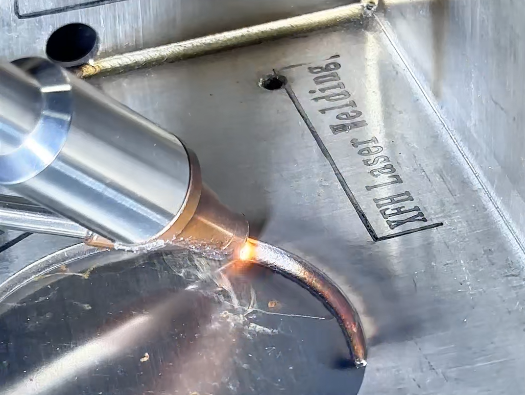
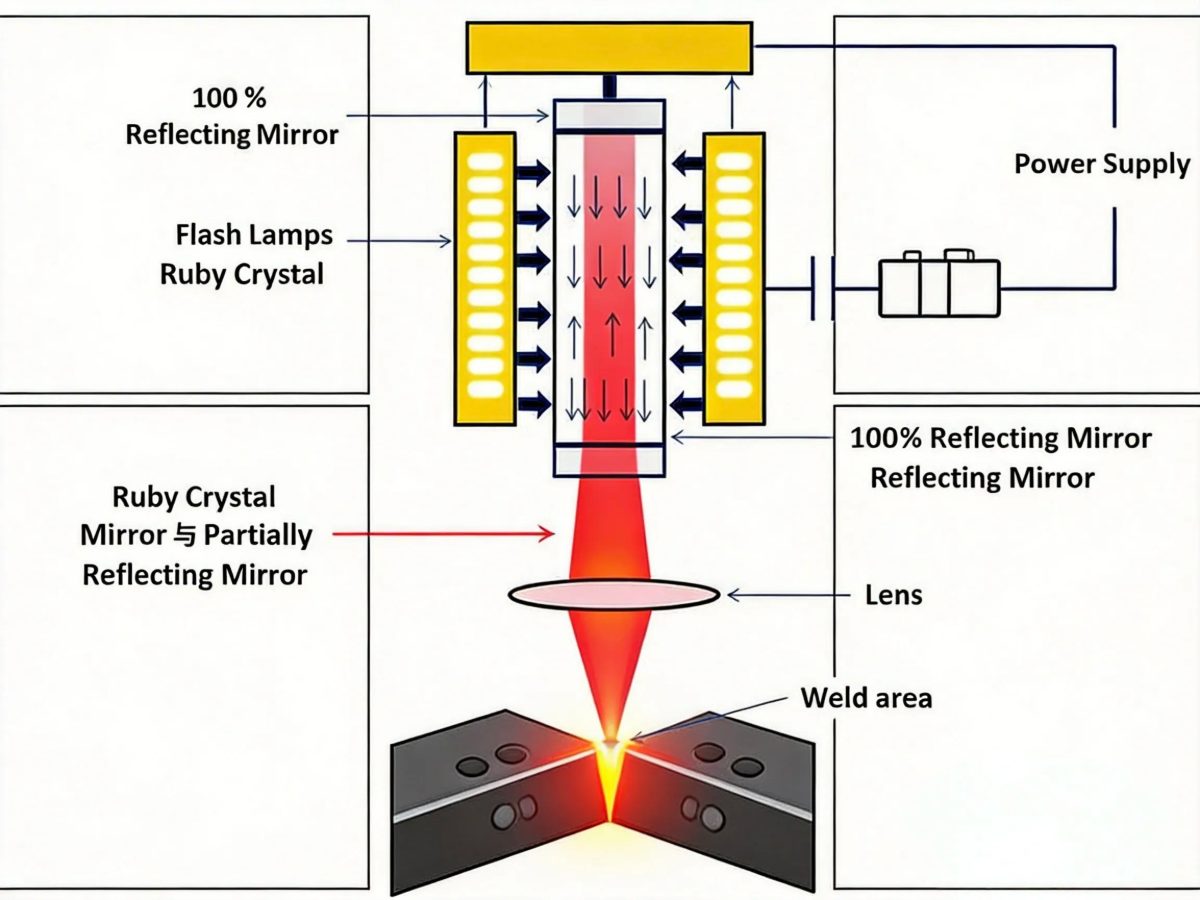
Introduction In modern manufacturing, welding technology plays a critical role in producing strong, precise, and reliable metal joints. As industries move toward higher automation and greater production efficiency, traditional welding methods such as TIG or MIG welding are increasingly complemented by advanced technologies. One of the most important innovations in metal joining is laser welding. This technology has become widely used in industries such as automotive manufacturing, electronics production, aerospace engineering, battery manufacturing, and metal fabrication. Many manufacturers and technicians often ask a fundamental question: what is laser welding and why is it becoming so popular in industrial production? Laser welding provides extremely precise heat control, fast welding speeds, and minimal thermal distortion. With the right parameters and proper setup, a laser welding machine can produce high-quality weld seams with excellent strength and appearance. In this article, we will explain: What is laser welding How laser welding works The main advantages of laser welding Applications across different industries How to adjust key laser welding parameters How to select the correct welding wire for better weld quality This guide will help beginners and professionals better understand how to optimize laser welding processes for various materials and thicknesses. What Is Laser Welding? Laser welding is a welding process that uses a highly concentrated laser beam as a heat source to melt and fuse materials together. The laser beam produces extremely high energy density in a very small area. When the beam is focused on the surface of the material, it quickly heats the metal until it melts. As the molten metal cools and solidifies, it forms a strong welded joint. Compared with conventional welding methods, laser welding provides: Higher precision Faster welding...
Laser Beam Welding: Process, Advantages, Applications & Industrial Guide
News 2026-03-09 1,014
Introduction Modern manufacturing industries demand higher precision, faster production speeds, and consistent product quality. Traditional welding methods such as MIG, TIG, and resistance welding have served the industry for decades, but they often struggle to meet the requirements of modern high-precision manufacturing. This is where laser beam welding has become a transformative technology. Laser beam welding is an advanced joining process that uses a highly concentrated laser beam to melt and fuse materials together. The process produces narrow weld seams, minimal heat distortion, and extremely strong joints. Because of these advantages, laser welding technology is now widely used across industries including automotive manufacturing, aerospace engineering, electronics production, and battery manufacturing. As factories move toward automation and smart manufacturing, laser welding machines are becoming essential equipment in modern production lines. With the ability to integrate with robotic systems and automated assembly lines, laser welding technology helps manufacturers improve productivity while reducing labor costs. In this guide, we will explore the working principle of laser beam welding, its advantages, major industrial applications, and why many factories are transitioning to fiber laser welding systems. What Is Laser Beam Welding? Laser beam welding (LBW) is a welding process that uses a focused laser beam as the heat source to join two materials together. The high-energy beam rapidly heats the metal surface, causing it to melt and form a molten pool. As the molten material cools and solidifies, a strong weld joint is formed. Unlike traditional welding methods that rely on electrical arcs or mechanical pressure, laser beam welding delivers energy in a highly concentrated and controlled manner. This allows manufacturers to produce extremely precise welds with minimal heat-affected zones. The process can be performed...
Laser Cleaner Machine: The Complete Guide to Modern Laser Cleaning Technology
News 2026-03-05 510
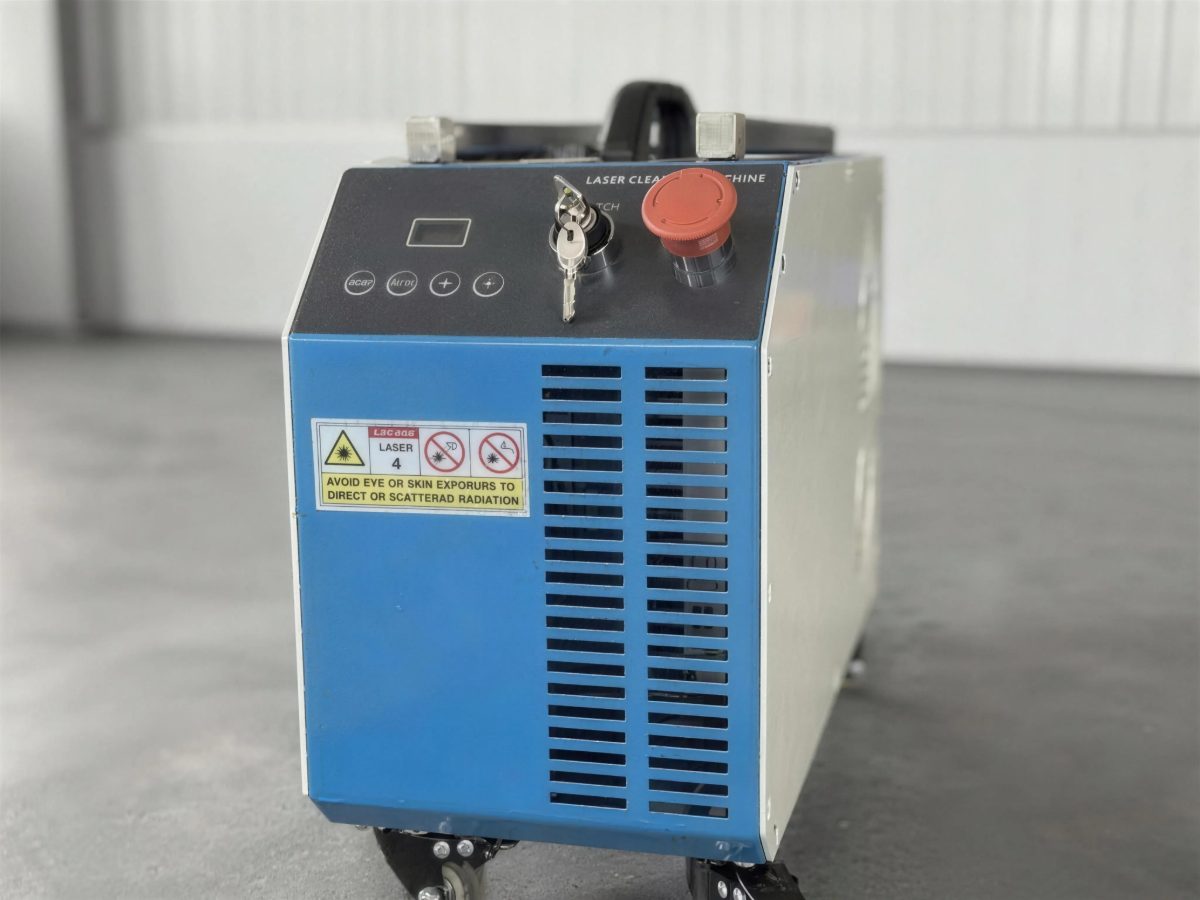
Introduction In modern manufacturing and industrial maintenance, surface cleaning plays a critical role in ensuring product quality, equipment longevity, and production efficiency. Traditional cleaning methods such as sandblasting, chemical cleaning, and mechanical grinding have long been used to remove rust, paint, grease, and other contaminants from metal surfaces. However, these methods often produce dust, require chemical waste disposal, or risk damaging the material surface. A Laser Cleaner Machine has emerged as a revolutionary solution that solves many of these problems. By using high-energy laser beams to remove contaminants from surfaces without damaging the base material, a laser cleaner machine provides an environmentally friendly, precise, and highly efficient cleaning method. Today, laser cleaning machines are widely used in industries such as automotive manufacturing, metal fabrication, aerospace, shipbuilding, mold maintenance, and cultural relic restoration. This article will explore everything you need to know about laser cleaner machines, including how they work, their advantages, applications, and how to choose the right laser cleaning system for your needs. What Is a Laser Cleaner Machine? A Laser Cleaner Machine is an advanced industrial system that uses laser technology to remove rust, oxide layers, oil stains, paint coatings, and other contaminants from material surfaces. Unlike traditional cleaning methods that rely on mechanical force or chemicals, a laser cleaner machine uses high-intensity laser pulses to evaporate or separate contaminants from the substrate. When the laser beam hits the contaminated surface: The contaminant absorbs laser energy The material rapidly heats up Contaminants vaporize or detach from the surface The base material remains largely unaffected because the laser parameters are precisely controlled. As a result, a laser cleaning machine can clean surfaces without abrasion, chemicals, or secondary pollution. How...
Laser Cleaning Machine Price 2026: Cost Breakdown, Types, ROI & Industrial Buying Guide
News 2026-03-04 1,474
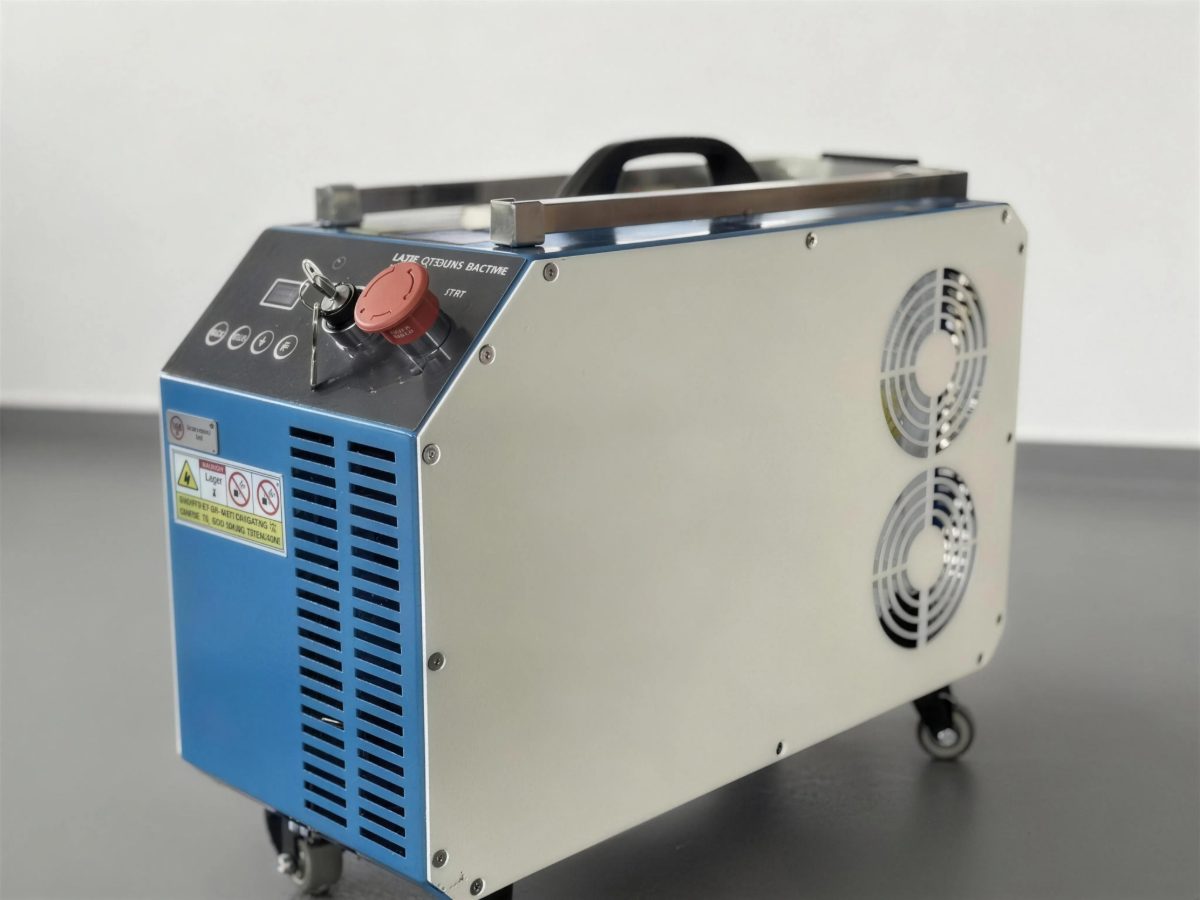
Laser cleaning technology has moved from niche industrial use to mainstream adoption across fabrication shops, maintenance facilities, automotive workshops, and heavy industry. As demand increases, one of the most common questions buyers ask is simple: What is the real laser cleaning machine price in 2026? The answer depends on power level, cooling method, automation, build quality, and supplier support. In this complete guide, we will break down: Types of laser cleaning machines Laser cleaning machine price ranges What affects the cost Air-cooled vs water-cooled systems ROI and long-term value How to choose the right supplier If you are considering investing in industrial laser cleaning, this article will give you a clear and practical roadmap. What Is a Laser Cleaning Machine? A laser cleaning machine uses high-energy laser beams to remove unwanted surface materials such as: Rust Paint Oil and grease Oxide layers Coatings Carbon deposits Unlike sandblasting or chemical stripping, laser cleaning is: Non-contact Chemical-free Highly precise Environmentally friendly The laser energy vaporizes or ablates contaminants while preserving the base metal underneath. This makes it ideal for industrial surface preparation and precision maintenance tasks. Why Laser Cleaning Is Replacing Traditional Methods Before diving into laser cleaning machine price, it’s important to understand why companies are switching from traditional cleaning methods. 1. No Abrasive Media Sandblasting requires large quantities of abrasive materials and generates dust and waste. Laser cleaning produces minimal secondary waste. 2. No Chemicals Chemical stripping involves hazardous materials and disposal regulations. Laser cleaning is dry and chemical-free. 3. Higher Precision Grinding and blasting can damage substrates. Laser rust removal machines can selectively remove contamination without harming the base material. 4. Lower Long-Term Labor Cost Laser systems improve consistency...

How to Choose the Right Laser Welding Machine Supplier in 2026: Complete Industrial Buying Guide
News 2026-03-04 298
Introduction: Why Choosing the Right Laser Welding Machine Supplier Matters In today’s competitive manufacturing environment, investing in advanced equipment is no longer just about performance specifications. It is about reliability, service support, scalability, and long-term partnership. When it comes to industrial metal fabrication, selecting the right laser welding machine supplier can determine whether your investment drives growth — or creates operational headaches. Laser welding technology has become essential in sheet metal fabrication, automotive manufacturing, kitchen equipment production, precision engineering, and many other industries. However, the market is filled with different suppliers offering a wide range of laser welding systems, making it difficult for buyers to evaluate which partner is truly reliable. This comprehensive guide is designed to help customers understand: What a professional laser welding machine supplier should provide How laser welding systems differ Typical price ranges and cost considerations How to assess technical support and after-sales service Key factors that ensure long-term stability and return on investment By the end of this article, you will have a clear framework for choosing a laser welding equipment supplier that supports your production goals and future growth. Understanding the Role of a Laser Welding Machine Supplier A laser welding machine supplier does far more than sell equipment. A true supplier provides complete laser welding solutions tailored to specific production needs. Equipment Provider vs Solution Partner There is a major difference between simply purchasing a machine and forming a strategic partnership. A professional laser welding equipment supplier should offer: Consultation based on application requirements Equipment customization options Installation guidance Operator training After-sales support Spare parts availability Long-term technical assistance Your supplier should understand your industry, materials, and workflow — not just the product...
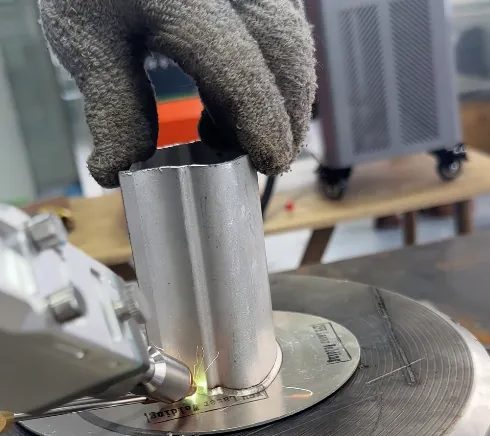
Max 1500W Laser Welding Machine Guide 2026: Stable Performance, Industrial Applications & Real Business Transformation
News 2026-02-28 363
Introduction: Why Stability Matters More Than Power Alone In today’s competitive manufacturing environment, investing in advanced equipment is no longer just about increasing output — it is about ensuring consistent quality, minimal downtime, and reliable long-term performance. Among modern fabrication technologies, the max 1500W laser welding machine has emerged as one of the most practical and cost-effective solutions for small-to-medium industrial production. While many buyers focus only on specifications such as power level or price, experienced factory owners understand that the true value of a laser welding device lies in its stability, ease of operation, and after-sales support. A powerful machine that frequently fails or produces inconsistent welds can quickly become a liability rather than an asset. This comprehensive guide explains how a max 1500W laser welding machine can transform manufacturing operations — especially for sheet metal factories and door-window manufacturers — by delivering reliable performance, high efficiency, and responsive technical support that solves real production problems. What Is a Max 1500W Laser Welding Machine? A max 1500W laser welding machine is a high-power fiber laser welding device designed for precision metal joining across a wide range of industrial applications. It delivers enough energy to weld medium-thickness materials while maintaining fine control for thin sheet fabrication. Core Characteristics High beam quality for precise energy delivery Stable continuous output for uniform weld seams Minimal heat-affected zone Reduced distortion compared to traditional welding Suitable for automated or manual operation Unlike low-power portable units, a 1500W system offers deeper penetration and faster processing speeds, making it ideal for production environments rather than occasional repair work. Why 1500W Is the Sweet Spot for Industrial Use Many manufacturers struggle to choose between lower-power portable welders...
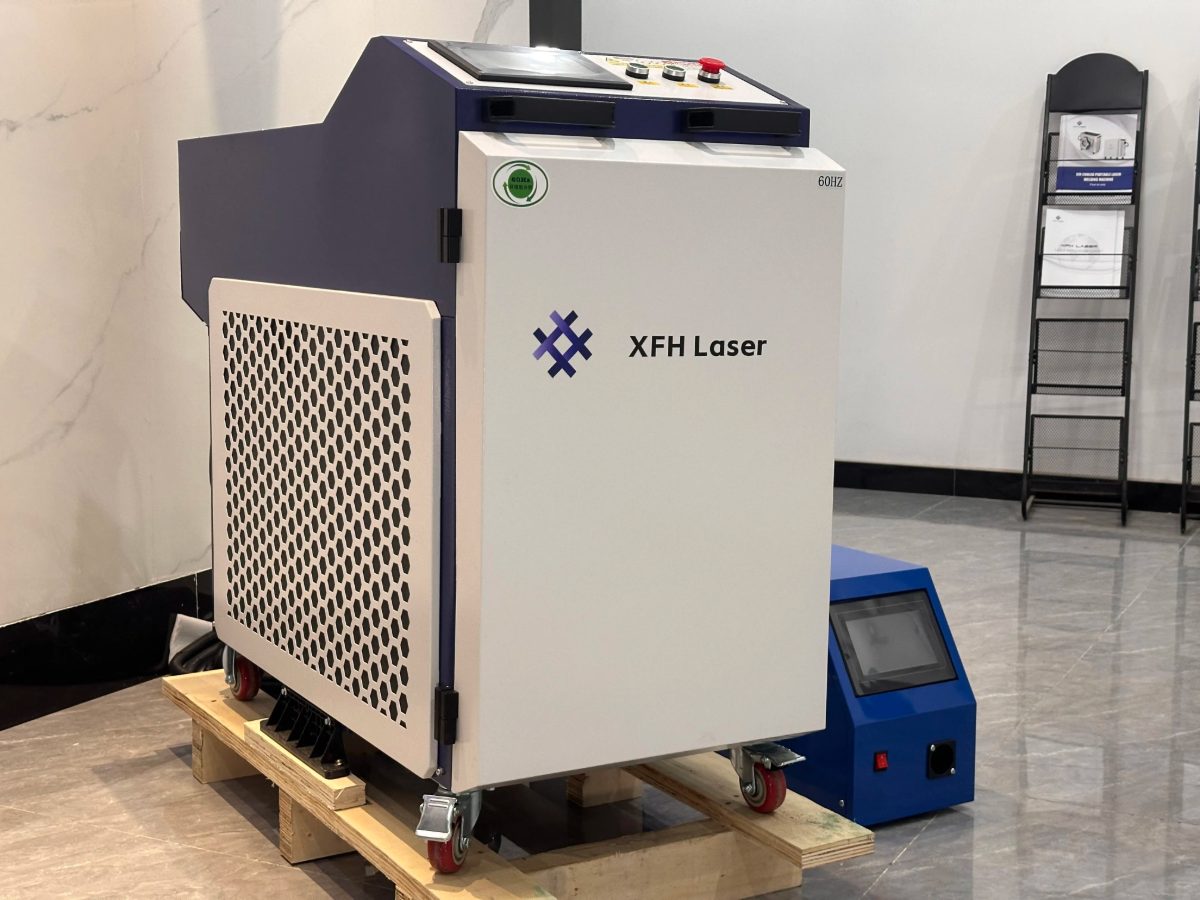
Are Laser Welding Devices Worth It in 2026? Cost, Benefits & Real-World Applications
News 2026-02-27 440
Introduction Over the past decade, the laser welding device has evolved from a niche industrial tool into a widely discussed solution across engineering communities, manufacturing facilities, and even small workshops. As costs gradually decrease and technology becomes more accessible, many professionals are asking the same question: Are laser welders really worth the investment? The answer depends heavily on application, production volume, and performance expectations. While traditional welding methods such as MIG and TIG remain dominant in many industries, modern laser welding machines offer unmatched precision, reduced heat distortion, and automation potential. This article explores how a laser welding device works, where it excels, what it costs, and whether investing in a laser welder makes sense for your operation in 2026. What Is a Laser Welding Device? A laser welding device is a system that uses a concentrated beam of high-energy light to melt and fuse materials, typically metals. Unlike arc-based welding, which relies on electrical arcs and filler materials, laser welding delivers highly focused energy directly to the weld joint. A typical laser welding machine includes: Laser source (often fiber-based) Beam delivery system (optics or fiber cable) Control interface Cooling system Workpiece fixture or motion system The laser beam generates intense localized heat, creating a weld pool that solidifies rapidly. This controlled energy delivery enables extremely precise welds with minimal heat-affected zones (HAZ). How Laser Welding Works Laser welding operates in two main modes: Conduction Mode Used for shallow welds, conduction welding melts the material surface without deep penetration. It is ideal for thin materials and cosmetic welds. Keyhole Mode In higher-power systems, the laser creates a vaporized cavity (keyhole) that allows deep penetration. This method is commonly used in...
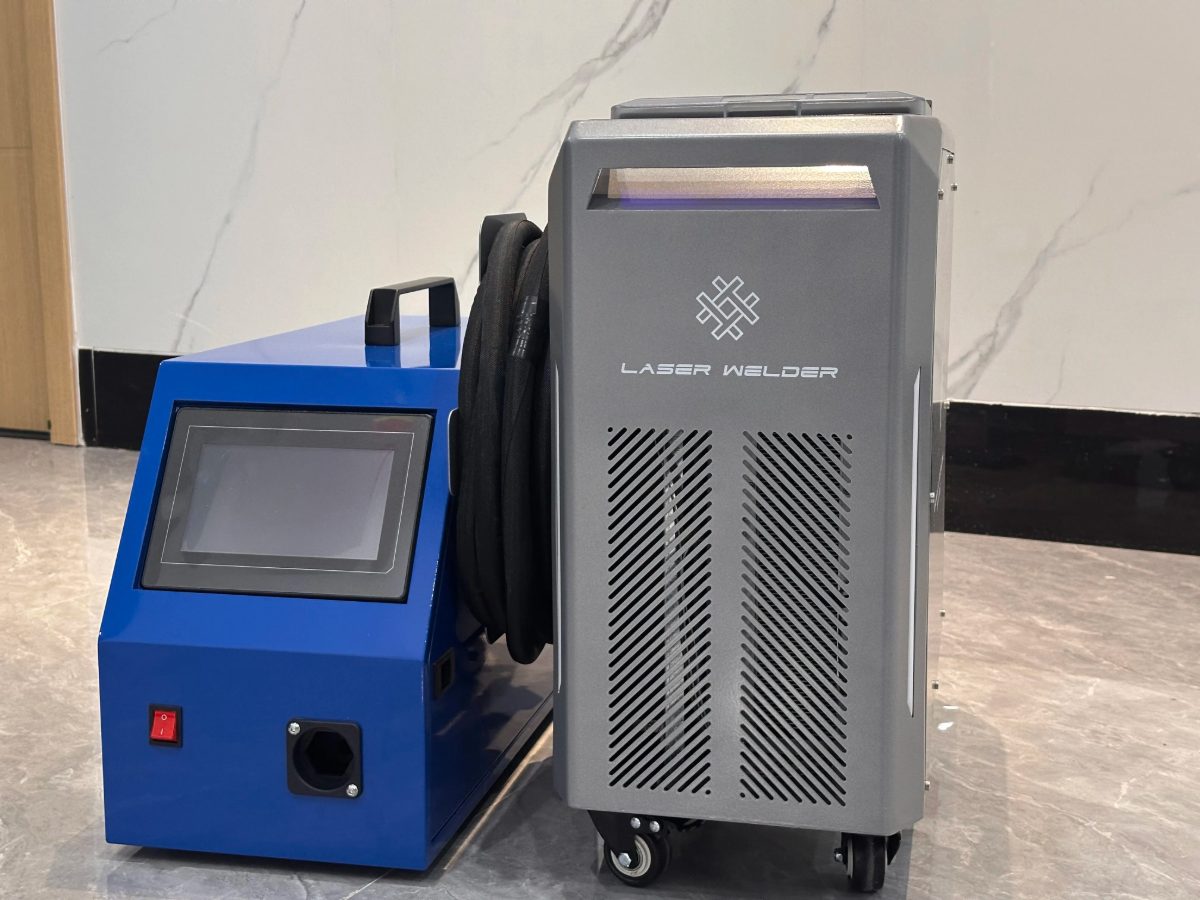
Handheld Welder Applications: Real-World Uses, Benefits & Pro Tips for 2026
News 2026-02-25 285
Introduction Modern fabrication and repair work increasingly demand mobility, flexibility, and efficiency. Large stationary welding systems are powerful but often impractical outside controlled workshop environments. This is where the handheld welder has transformed the industry. Portable welding machines allow technicians, contractors, mechanics, and DIY users to perform high-quality welds almost anywhere — from construction sites to farm equipment repairs, from home garages to emergency field operations. As technology advances, these compact tools are becoming more powerful, reliable, and accessible than ever before. However, many buyers focus only on specifications and price while overlooking the most important factor: how the machine performs in real-world applications. This article explores how handheld welders are actually used across industries, their advantages in mobile environments, practical limitations, and expert tips for maximizing productivity and safety in 2026. Why Mobility Matters in Modern Welding Traditional welding setups often require: Heavy equipment Dedicated workspace Stable power infrastructure Transport of workpieces to the machine In many real situations, moving the object to the welder is impossible. Large structures, installed components, or remote locations demand the opposite approach — bringing the welder to the job. A handheld welding machine enables this shift by offering: Compact size Lightweight design Compatibility with portable power sources Quick setup time This mobility significantly reduces downtime and labor costs. Major Real-World Applications of Handheld Welders Construction Site Repairs Construction environments are dynamic and unpredictable. Structural elements, support frames, railings, and temporary fixtures often require on-site welding adjustments. Portable welders are used for: Reinforcing steel beams Fixing structural joints Repairing scaffolding components Attaching brackets and supports Because these tasks occur at various heights and locations, mobility is essential. Carrying a compact welder is far more...
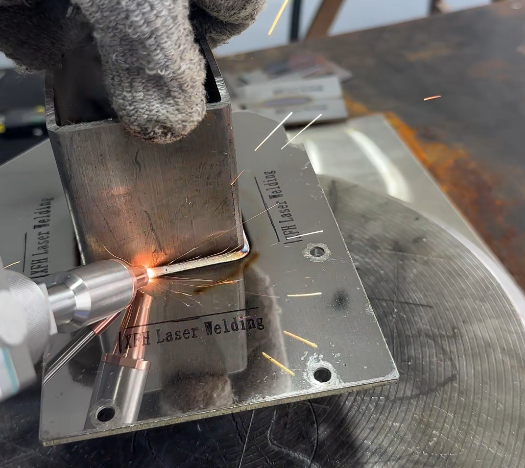
Affordable Laser Welders: Prices, Types, and Buying Guide (2026)
News 2026-02-06 1,747
Introduction In recent years, laser welding machines have become increasingly popular across industries, from small metal workshops to high-end manufacturing facilities. Their precision, efficiency, and ability to handle delicate and complex metalwork have made them a staple in modern fabrication and repair processes. With the growing demand, many newcomers to the field are curious about the laser welder price, especially when encountering budget-friendly models online. While affordable devices may seem tempting, buyers should be aware that not all advertised “laser welders” deliver genuine laser welding performance. This guide will break down the true laser welder price ranges, highlight different types of machines, and provide practical tips to make informed purchase decisions in 2026. 1. What is a Laser Welder? A laser welder is a machine that uses a focused laser beam to join metal parts together. Unlike traditional welding methods such as MIG or TIG, laser welding provides: Minimal heat-affected zones Cleaner weld seams High precision for thin metals and delicate workpieces Faster welding speeds and reduced labor costs Laser welders are widely used in industries such as automotive, electronics, jewelry, aerospace, and small-scale repair shops. They are particularly useful for achieving a professional finish on metals that are difficult to weld using conventional methods. 2. Types of Laser Welding Machines Understanding the different types of laser welding machines is crucial for evaluating their prices and selecting the right model for your needs. 2.1 Handheld Laser Welders Handheld laser welders are portable, user-friendly devices suitable for small workshops or repair operations. They are ideal for: Jewelry repair Car body maintenance Thin sheet metal welding These machines often include simple digital controls and may offer integrated functions such as...
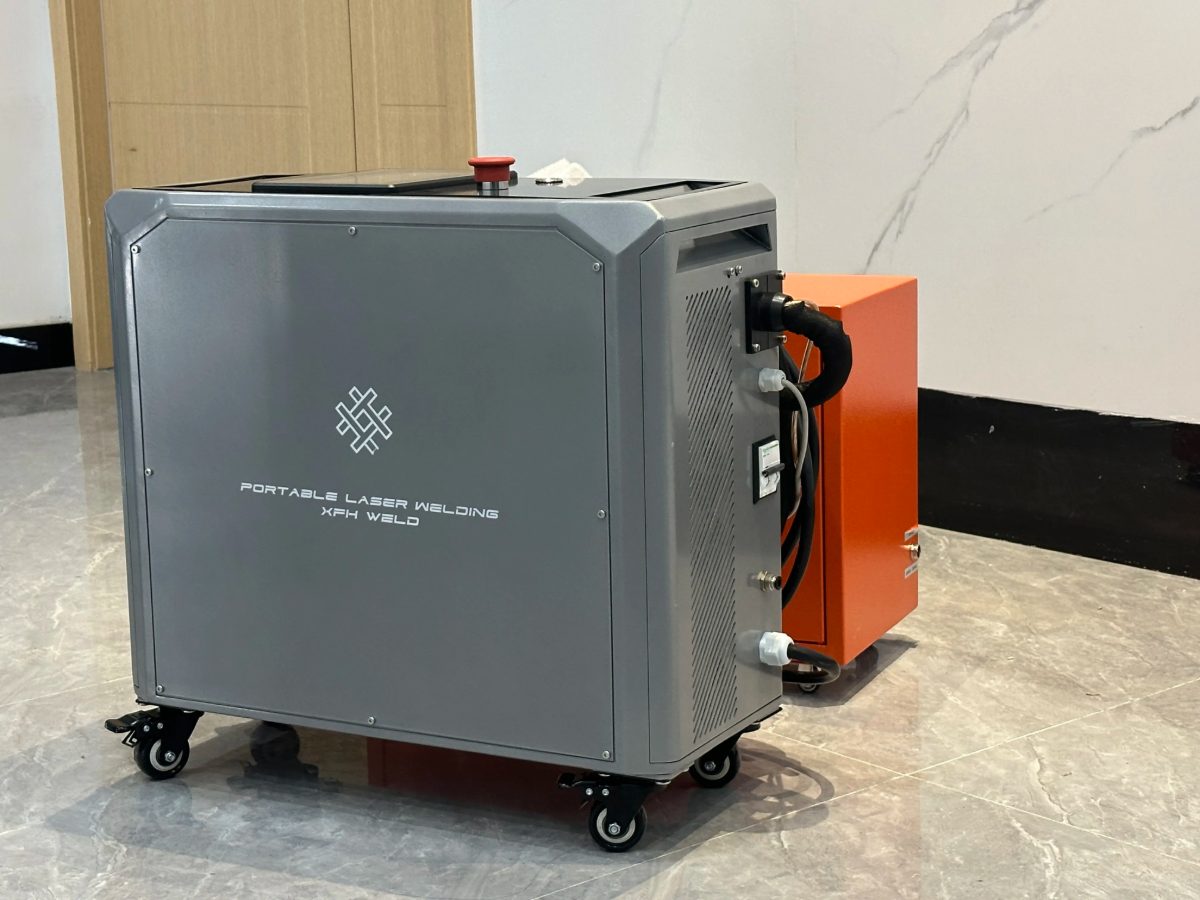
Handheld Laser Welder: Complete Guide to Laser Welding Technology, Applications, and Price Factors
News 2022-06-14 511
Introduction: Why Handheld Laser Welders Are Changing the Welding Industry In recent years, the handheld laser welder has rapidly gained attention across manufacturing, repair, and fabrication industries. Compared with traditional welding methods such as MIG, TIG, or arc welding, laser weld technology offers faster speeds, cleaner weld seams, lower heat input, and significantly reduced post-processing requirements. As labor costs rise and production efficiency becomes more critical, more workshops and factories are exploring laser welding as a practical alternative. At the same time, discussions about laser welder price, performance differences, and long-term value have become increasingly common. This guide provides a complete, practical overview of handheld laser welders—how they work, where they are used, their advantages and limitations, and what really determines laser welder pricing. What Is a Handheld Laser Welder? A handheld laser welder is a portable laser welding system that allows operators to manually guide a laser welding head to join metal parts. Unlike large fixed laser welding stations, handheld systems emphasize flexibility, mobility, and ease of use. Basic Definition Uses a high-energy laser beam to melt and fuse metals Operated manually with a handheld welding gun Suitable for thin to medium-thickness materials Designed for flexibility rather than full automation How Laser Weld Technology Works Laser weld systems focus a high-density laser beam onto a small area of the workpiece. This concentrated energy rapidly heats the metal, forming a molten pool that solidifies into a strong, precise weld seam. Key characteristics of laser weld processes include: Extremely small heat-affected zone High penetration depth with minimal distortion Clean weld seams with low spatter Key Components of a Handheld Laser Welding System Understanding the main components helps buyers better...
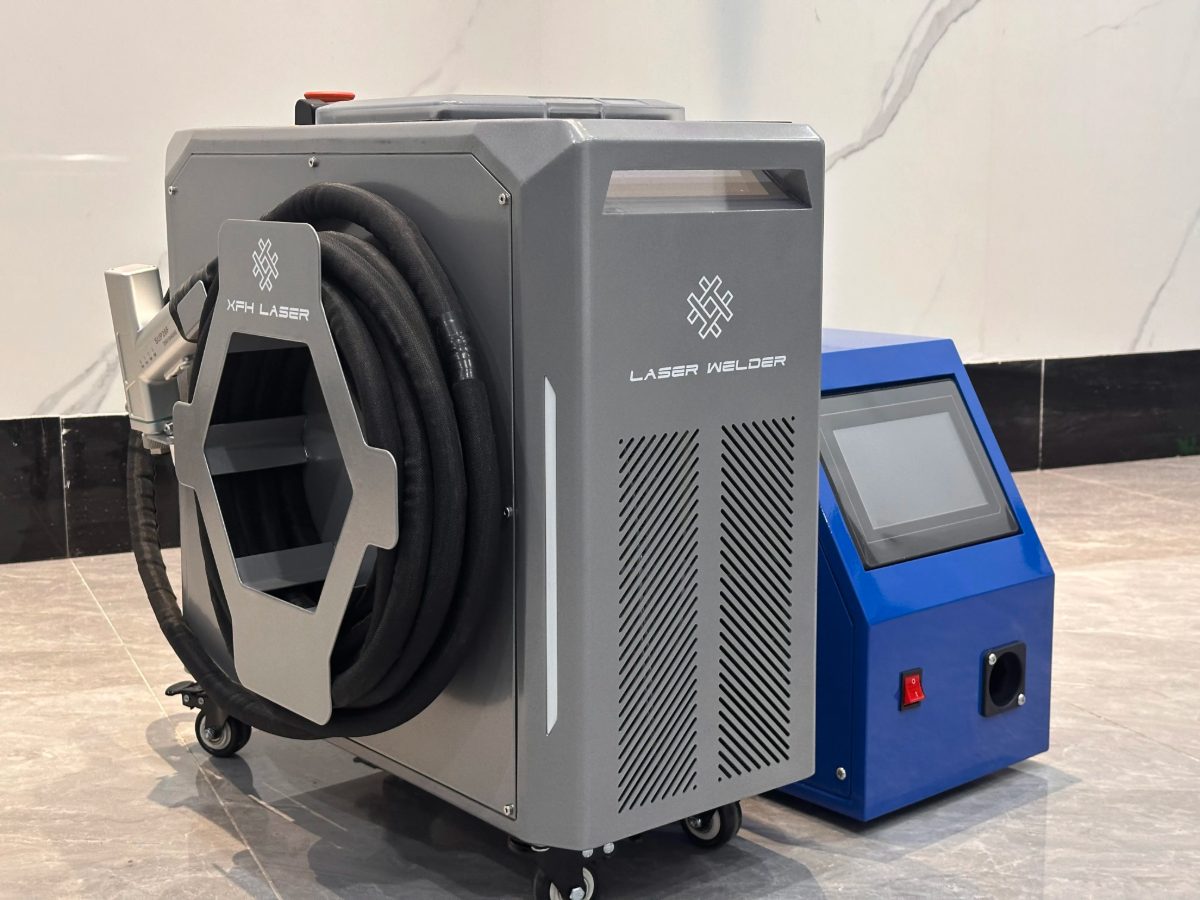
Why Small Laser Welding Machines Are in High Demand
News 2022-06-14 485
In recent years, laser welding technology has moved beyond large industrial production lines and entered workshops, repair centers, and small manufacturing businesses. One of the most important drivers of this shift is the growing availability of the small laser welding machine and the handheld laser welder. Compared with traditional welding methods, laser weld technology offers faster speed, higher precision, and cleaner weld seams. For many users, understanding the small laser welding machine price, real-world performance, and return on investment is now a key decision factor. This article provides a complete, practical guide to laser welding—explaining how handheld laser welders work, what affects laser weld quality, how prices are structured, and how to choose the right system for your specific needs. What Is a Small Laser Welding Machine? A small laser welding machine is a compact laser welding system designed for flexible operation and moderate power output. Unlike large automated laser welding stations, small systems are optimized for portability, manual control, and cost efficiency. Most modern small laser welding machines use fiber laser technology, which offers excellent beam quality, high energy efficiency, and long service life. When combined with a handheld welding gun, these machines allow operators to perform precise laser welds on a wide range of metal parts. Typical Characteristics Compact footprint Handheld or semi-portable design Moderate laser power suitable for thin to medium materials Easy parameter adjustment Low maintenance requirements Understanding Laser Weld Technology How Laser Welding Works A laser weld is created by focusing a high-energy laser beam onto a metal joint. The concentrated energy rapidly heats and melts the base material, forming a molten pool. As the laser moves along the seam, the...
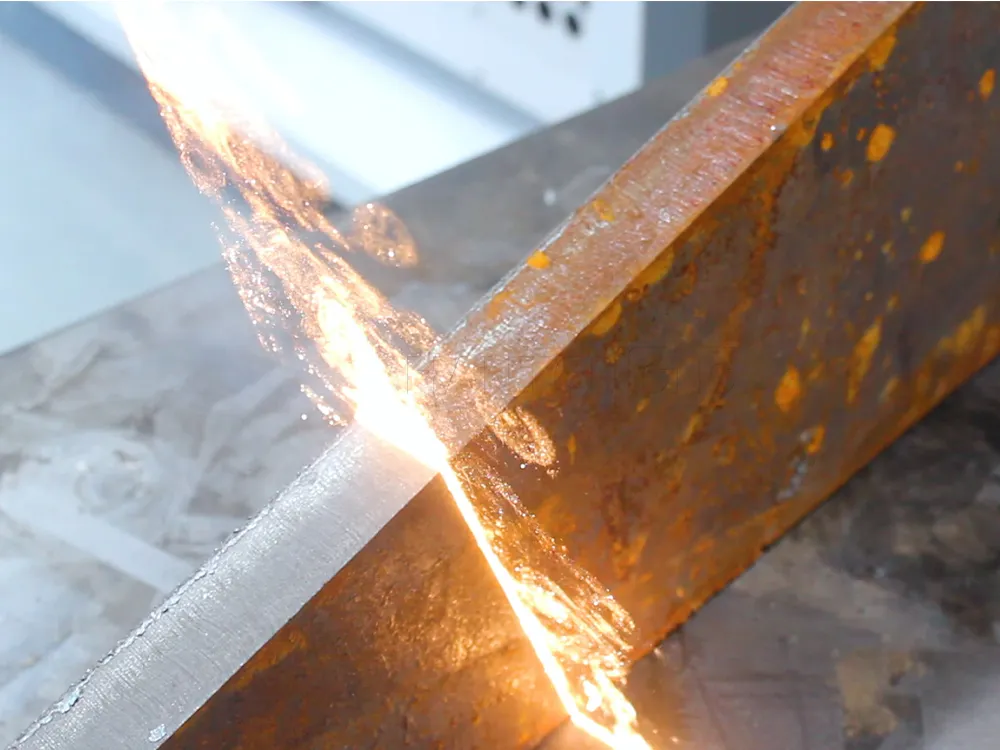
Laser Cleaning Machine: The Complete Industrial Guide
News 2022-06-14 1,656
As industries worldwide continue to pursue higher efficiency, cleaner production, and lower operating costs, traditional surface cleaning methods are increasingly struggling to meet modern manufacturing demands. Sandblasting, chemical cleaning, and manual grinding often involve high labor costs, environmental concerns, and inconsistent results. In this context, the laser cleaning machine has emerged as a powerful and innovative solution for industrial surface treatment. With its non-contact operation, precise control, and environmentally friendly process, laser cleaning technology is rapidly transforming industries such as metal fabrication, automotive repair, aerospace, mold maintenance, and heavy equipment manufacturing. This comprehensive guide explains how laser cleaning machines work, their advantages, applications, different system types, limitations, and how to choose the right laser cleaning machine for your business. How Does a Laser Cleaning Machine Work? Understanding the working principle of a laser cleaning machine helps users maximize performance and choose the right system. When the laser beam strikes the surface: The contaminant layer absorbs the laser energy more efficiently than the base material Rapid heating causes the contamination to expand, vaporize, or break its adhesion The unwanted material is removed, often assisted by micro-shockwaves The base material remains largely unaffected due to controlled energy density Key adjustable parameters include laser power, pulse duration, frequency, scanning speed, and spot size. By precisely tuning these parameters, a pulse laser cleaning machine can remove delicate coatings without harming sensitive surfaces, while high-power fiber laser cleaning machines can efficiently remove thick rust or paint layers. Key Advantages Environmentally Friendly Cleaning One of the biggest advantages of a laser cleaning machine is its eco-friendly nature. The process does not require chemicals, solvents, or abrasive media. As a result, there is no secondary pollution,...