Introduction: Why Understanding the Types of Laser Welders Matters
Laser welding has rapidly transformed modern manufacturing, replacing many traditional joining methods in industries ranging from sheet metal fabrication to precision electronics. However, for buyers and engineers new to this technology, the wide variety of machines available can be confusing.
Questions commonly asked include:
- What are the main types of laser welders?
- Which laser welding machine is most widely used today?
- Why do prices vary so dramatically?
- Should I choose an air-cooled or water-cooled system?
- Which option is best for my factory or workshop?
This comprehensive guide is designed as an educational resource for customers evaluating laser welding technology. It explains the types of laser welders, their working principles, price differences, cooling methods, and real-world advantages so you can make an informed decision.
What Is Laser Welding?
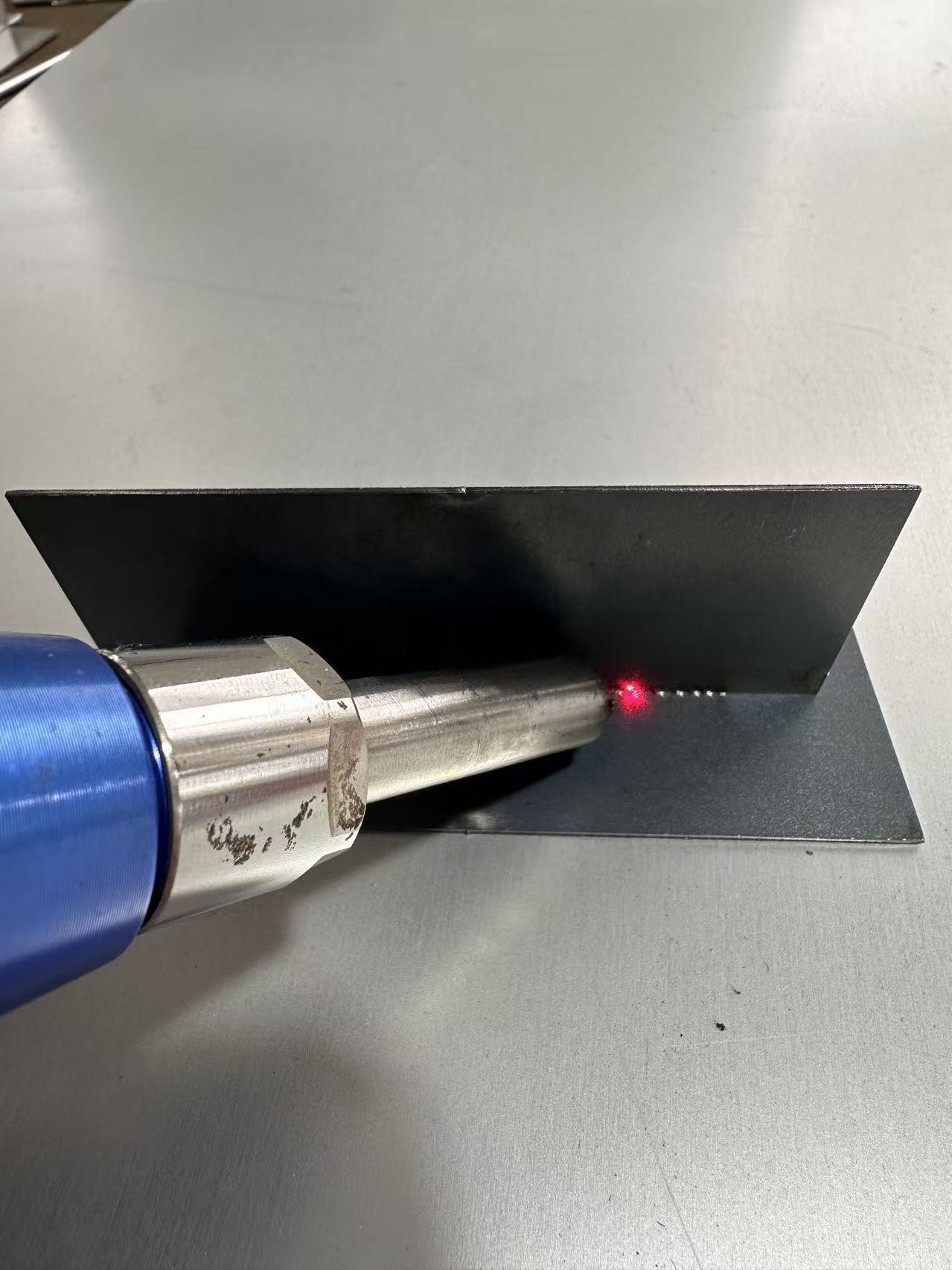
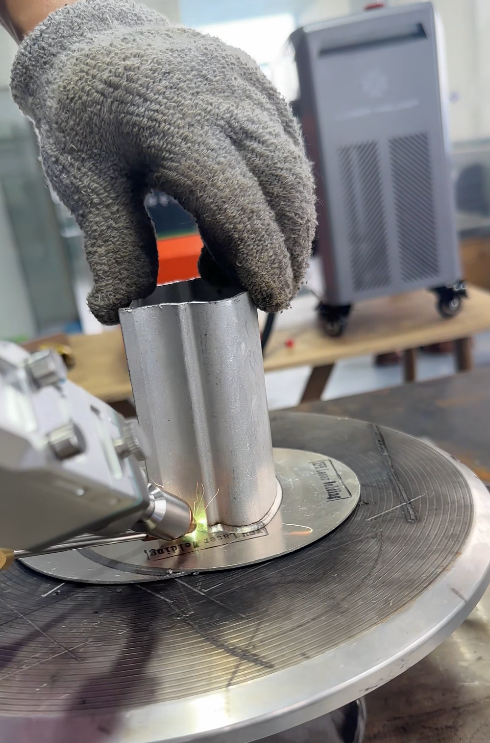
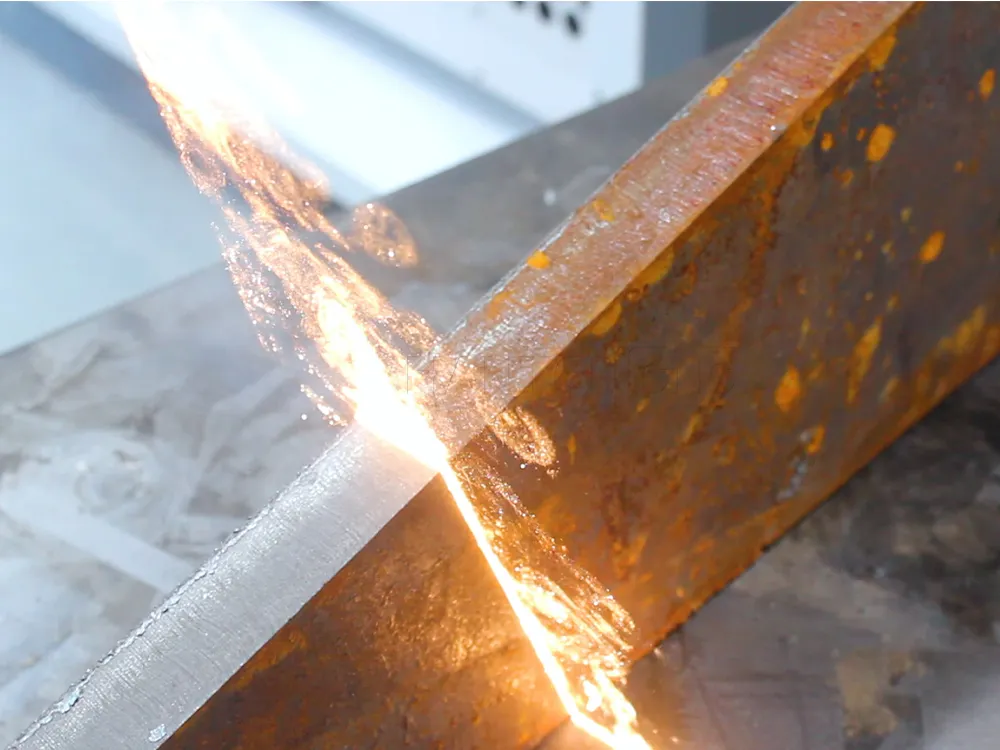
Laser welding is a process that uses a highly concentrated beam of light to melt and fuse materials, typically metals. Because the energy is precisely controlled, laser welding offers significant advantages over conventional methods:
- Extremely high precision
- Minimal heat-affected zone
- Low distortion
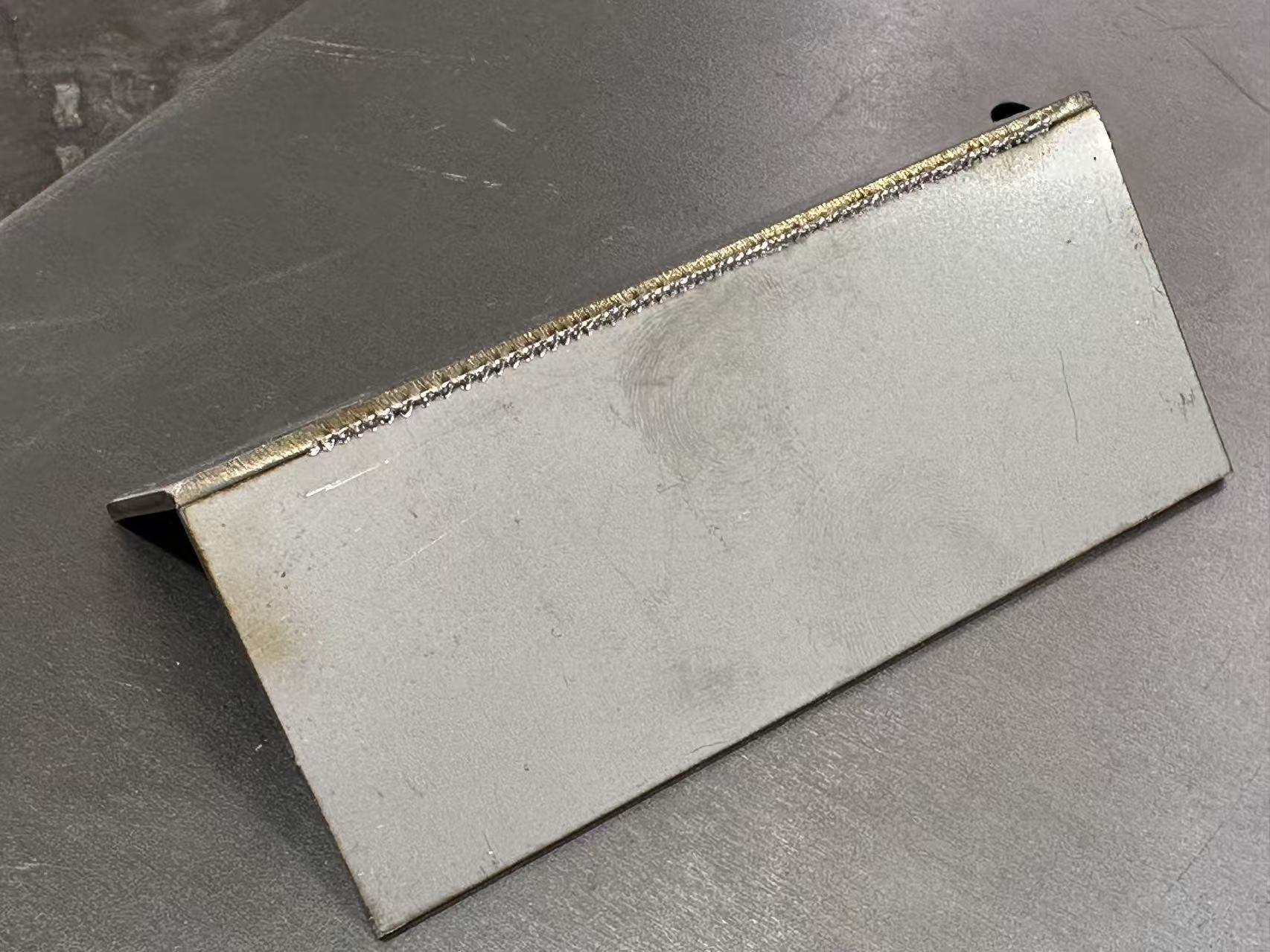
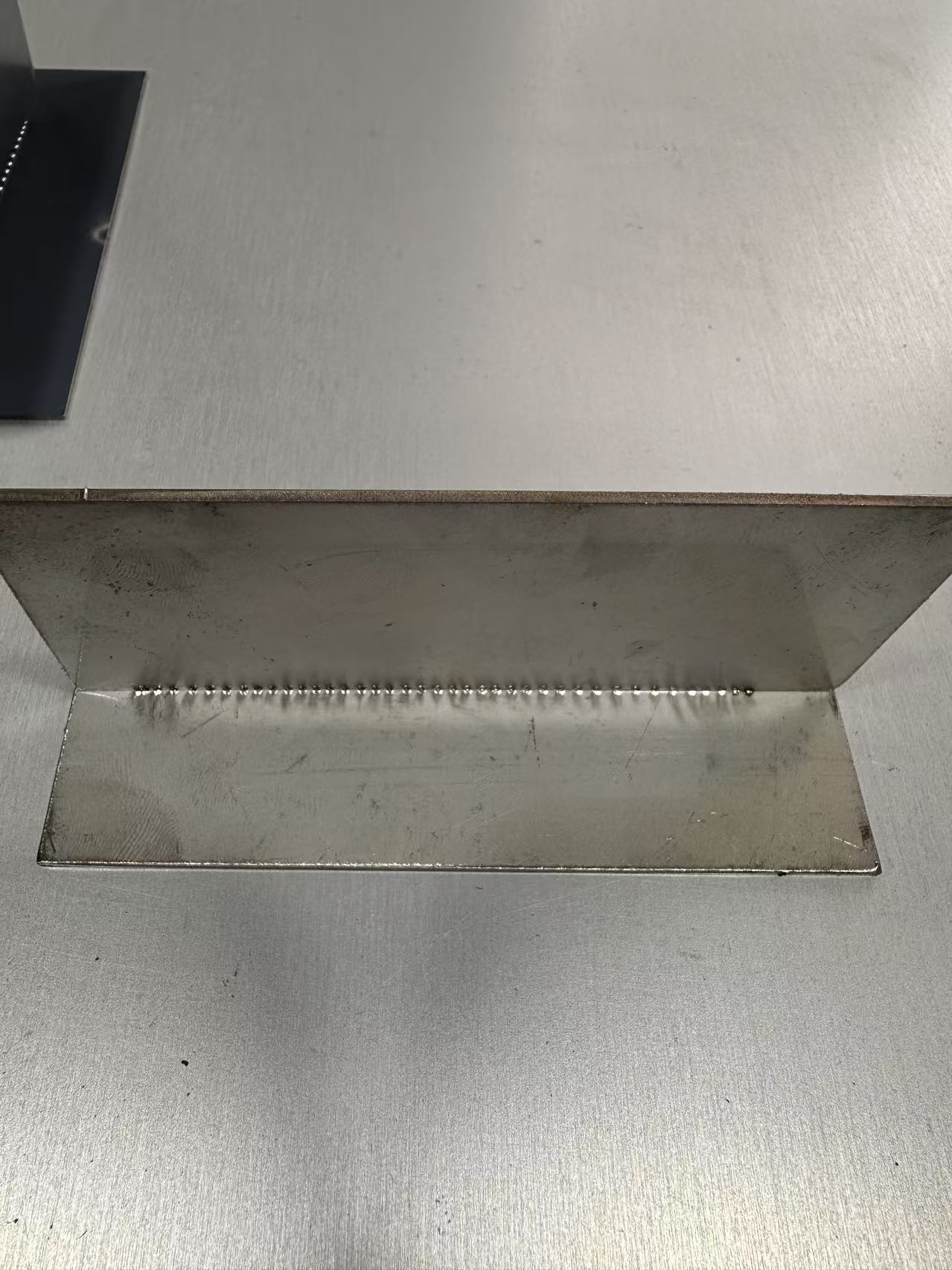
- Clean weld appearance
- High speed
- Easy automation
Laser welding can operate in two main modes:
Conduction Mode
Energy heats the surface, creating shallow welds suitable for thin materials.
Keyhole Mode
Higher power creates deep penetration welds for thicker sections.
Main Types of Laser Welders
Understanding the laser welder types available is the first step in selecting the right system.
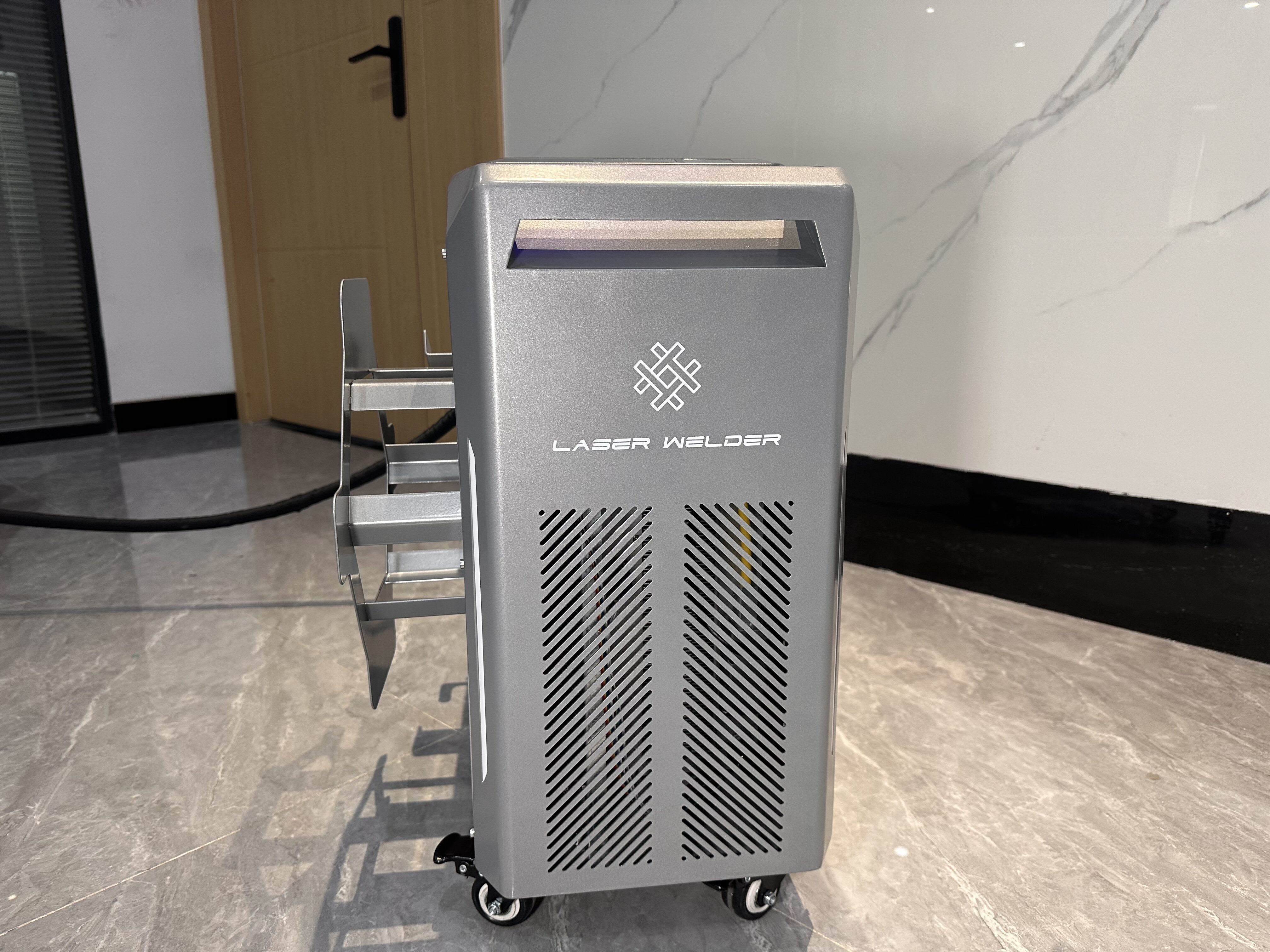
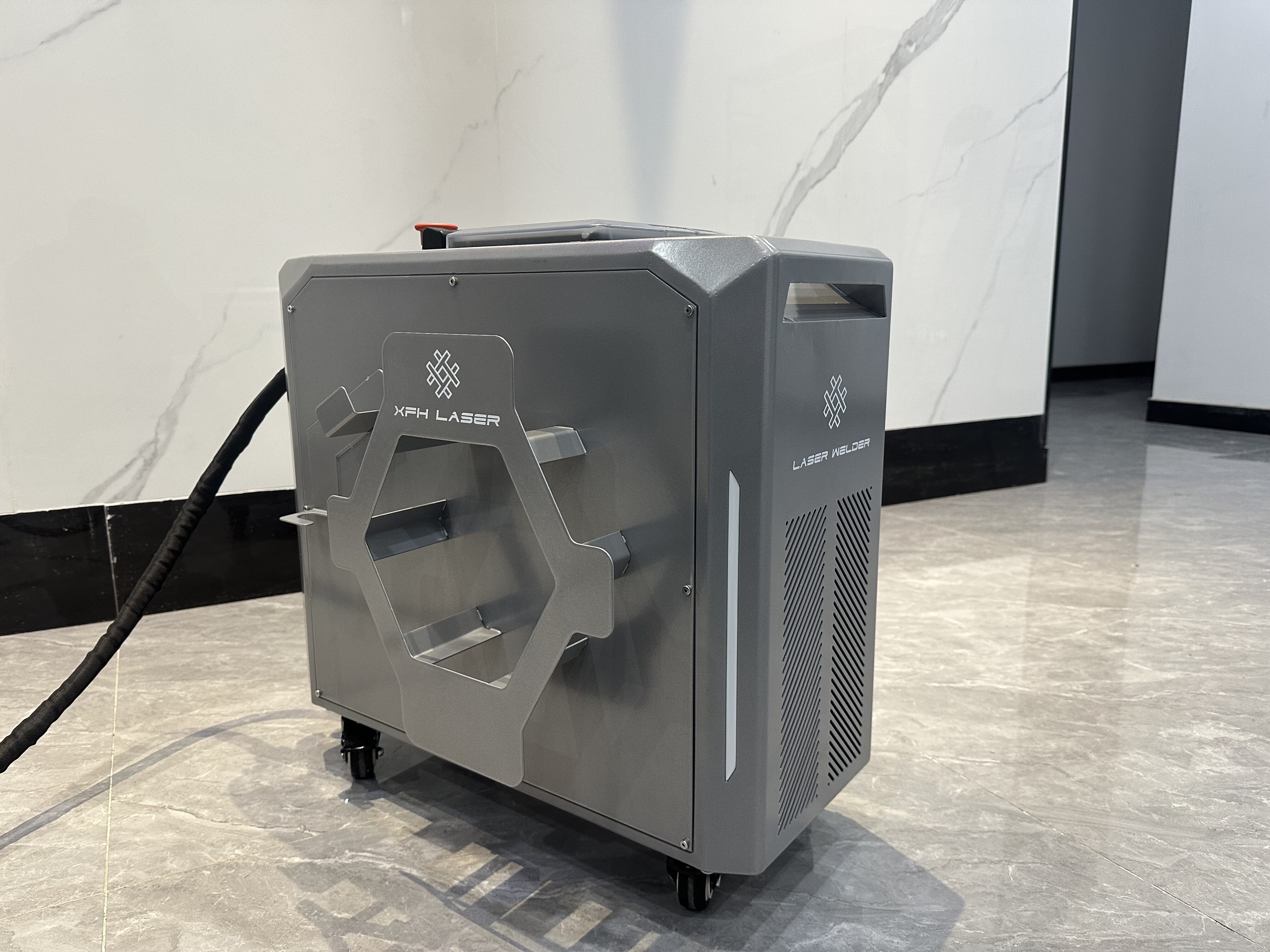
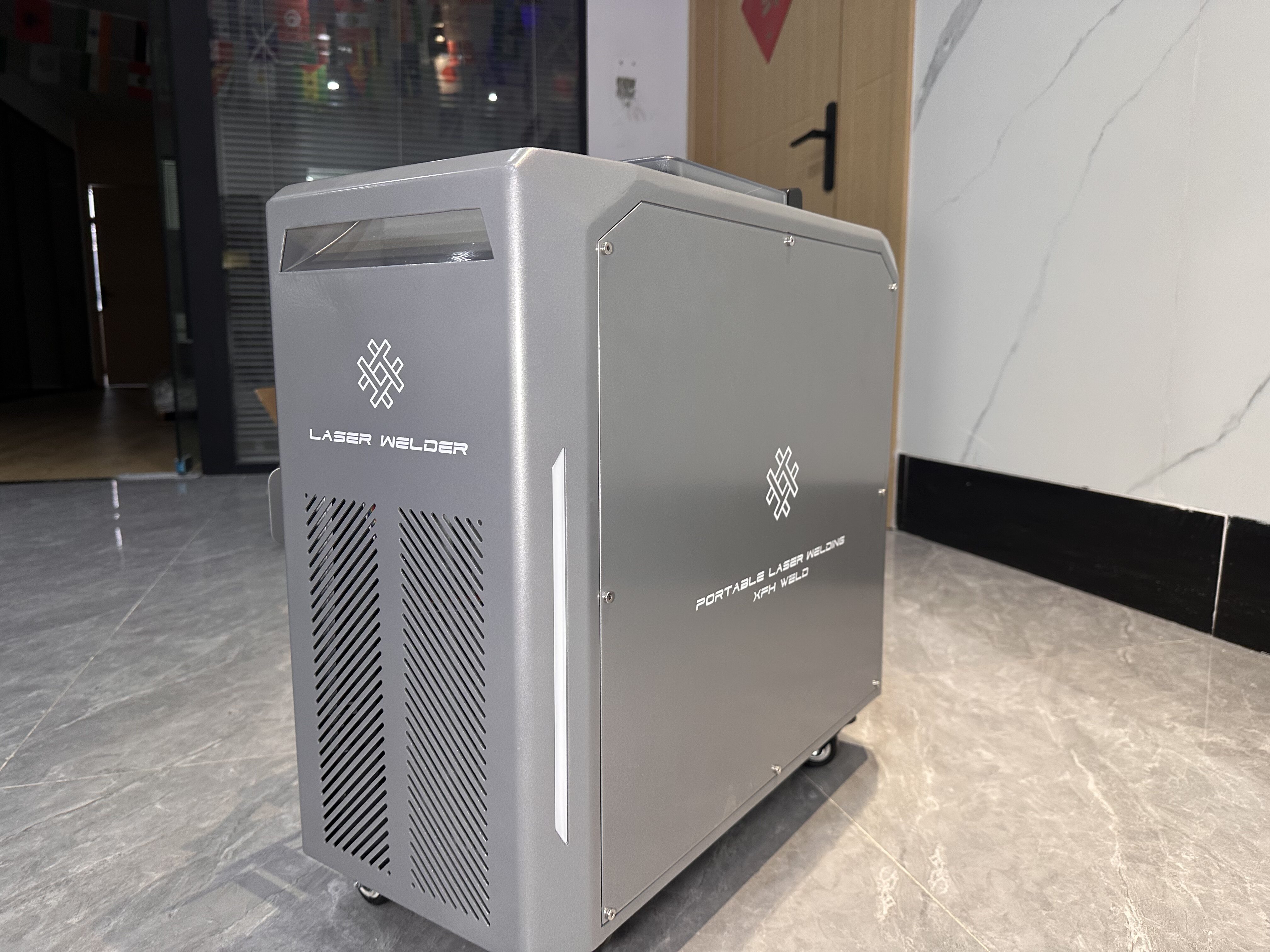
Fiber Laser Welders (Most Common Today)
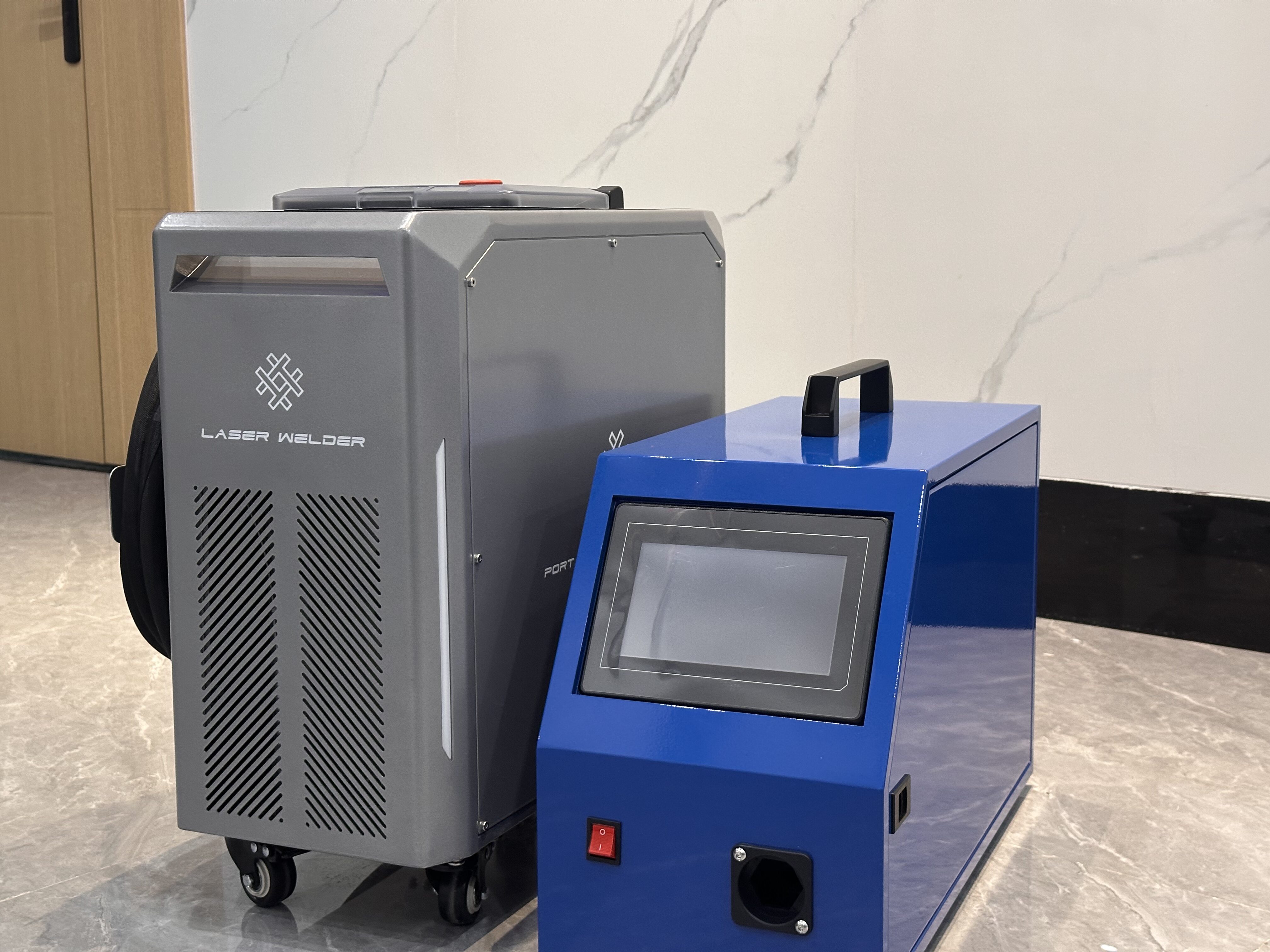
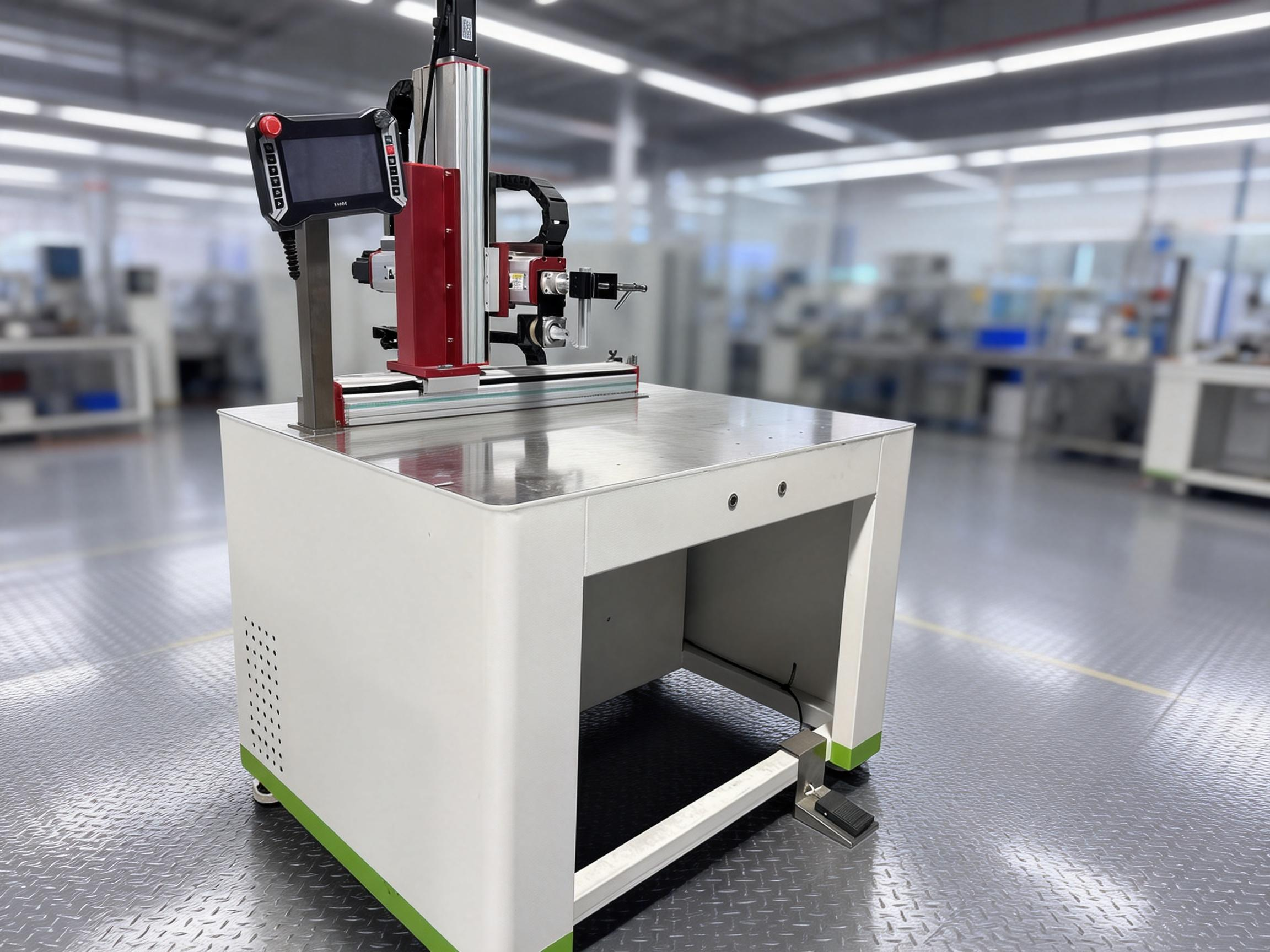
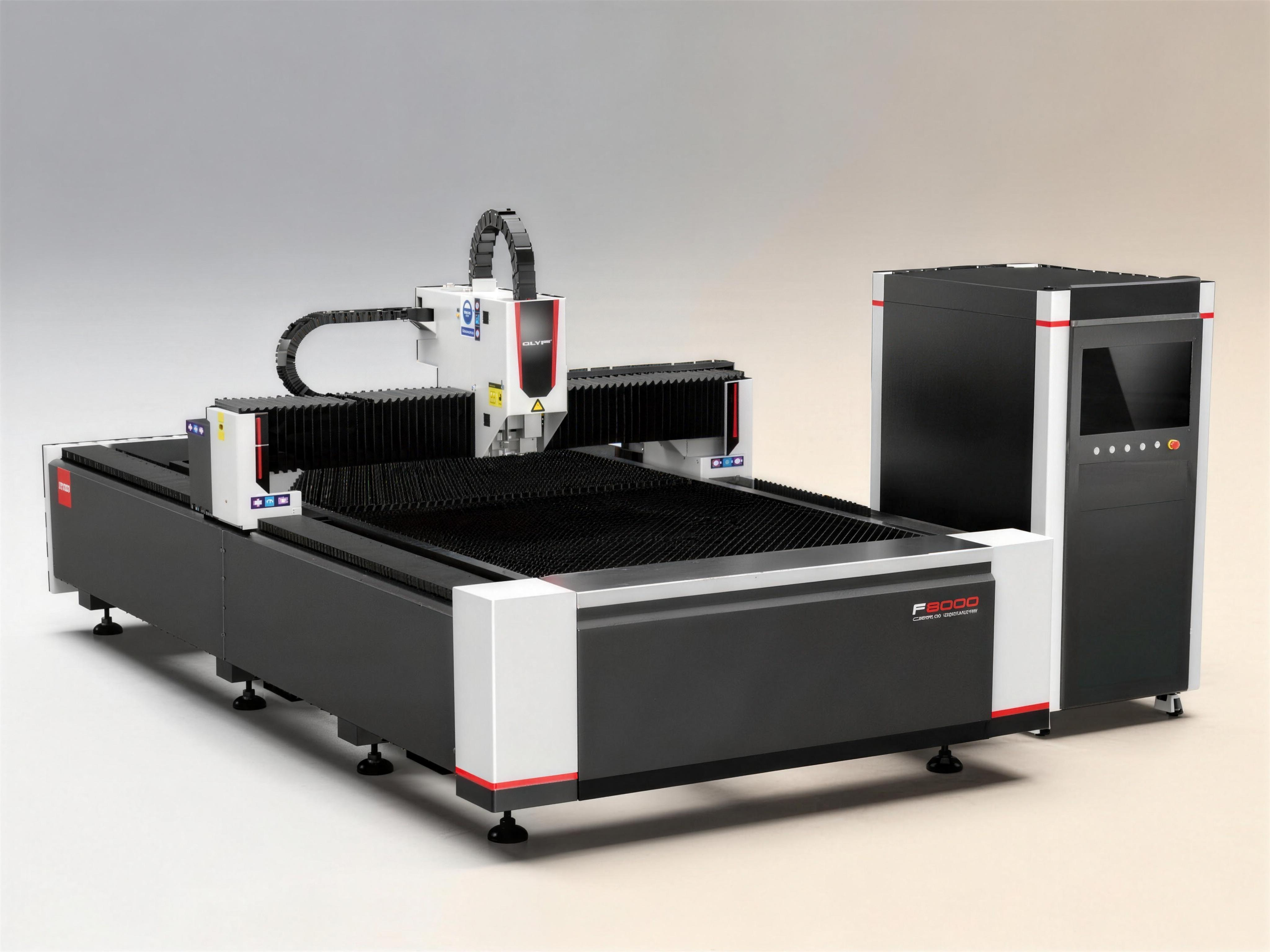
Fiber laser welding machines dominate modern industrial applications and are widely considered the most versatile solution.
How They Work
A fiber optic cable amplifies the laser beam, delivering high energy efficiency and excellent beam quality.
Why They Are So Popular
Fiber lasers combine power, precision, reliability, and relatively low maintenance.
Typical Applications
- Sheet metal fabrication
- Stainless steel products
- Aluminum components
- Automotive parts
- Machinery manufacturing
- Kitchen equipment
- Door and window frames
Advantages
- High electrical efficiency
- Compact design
- Stable output
- Low maintenance requirements
- Excellent weld quality
Limitations
- Higher initial cost than entry-level systems
- Reflective metals may require optimized parameters
Typical Price Range
Fiber laser welding machine prices vary widely based on power and configuration:
- Small portable units: about $3,000–$6,000
- Mid-range industrial systems: about $4,000–$10,000
- High-end automated systems: $50,000–$30,000+
👉 This is the most commonly used type of laser welder in industry today.
CO₂ Laser Welders
CO₂ lasers use gas as the active medium and were among the earliest industrial laser technologies.
Applications
- Thick metal sections
- Certain plastics
- Large structural components
Advantages
- Deep penetration capability
- Suitable for some specialized materials
Limitations
- Large machine size
- Lower energy efficiency
- More complex optical path
- Higher maintenance requirements
Typical Price Range
- Industrial systems typically range from $10,000 to over $50,000
Today, CO₂ laser welding machines are less common than fiber lasers for metal fabrication.
Nd:YAG Laser Welders
These solid-state lasers are known for precision and pulsed operation.
Applications
- Jewelry manufacturing
- Medical devices
- Electronics
- Small precision parts
Advantages
- Excellent for micro welding
- Controlled pulse energy
- Minimal heat input
Limitations
- Lower efficiency than fiber lasers
- Higher cooling requirements
- Generally lower output power
Typical Price Range
- Small precision systems: $3,000–$25,000
- Specialized industrial units: $15,000–$40,000
Diode Laser Welders
Diode lasers offer a compact and cost-effective option for lower-power applications.
Applications
- Surface welding
- Plastic joining
- Light industrial work
Advantages
- Smaller footprint
- Lower cost
- Simple design
Limitations
- Limited penetration depth
- Lower beam quality compared to fiber lasers
Typical Price Range
- Approximately $3,000–$15,000 depending on configuration
Pulsed vs Continuous Laser Welding
Laser welders can also be categorized by operating mode.
- Energy delivered in bursts
- Ideal for thin materials and delicate parts
- Reduces heat buildup
Continuous Wave (CW) Laser Welding
- Constant energy output
- Suitable for high-speed industrial welding
- Enables deep penetration
Most modern fiber laser welding machines support continuous operation, while precision systems may use pulsed mode.
Air-Cooled vs Water-Cooled Laser Welding Machines
Another critical classification — often overlooked — is the cooling method.
Cooling directly affects machine stability, performance, and lifespan.
Air-cooled systems dissipate heat using fans and heat sinks.
Advantages of Air Cooling
1. Simple Installation
No external chiller or water supply required.
2. Compact and Portable
Ideal for mobile applications or small workshops.
3. Minimal Maintenance
No water replacement, filtration, or leak concerns.
4. Energy Efficient at Lower Power Levels
Suitable for moderate duty cycles.
5. Better Performance in Hot Environments
Less affected by ambient temperature.
Disadvantages of Air Cooling
1. Reduced Continuous Operation Capacity
Not ideal for heavy industrial production.
2. Higher Initial Cost
Includes chiller system and plumbing.
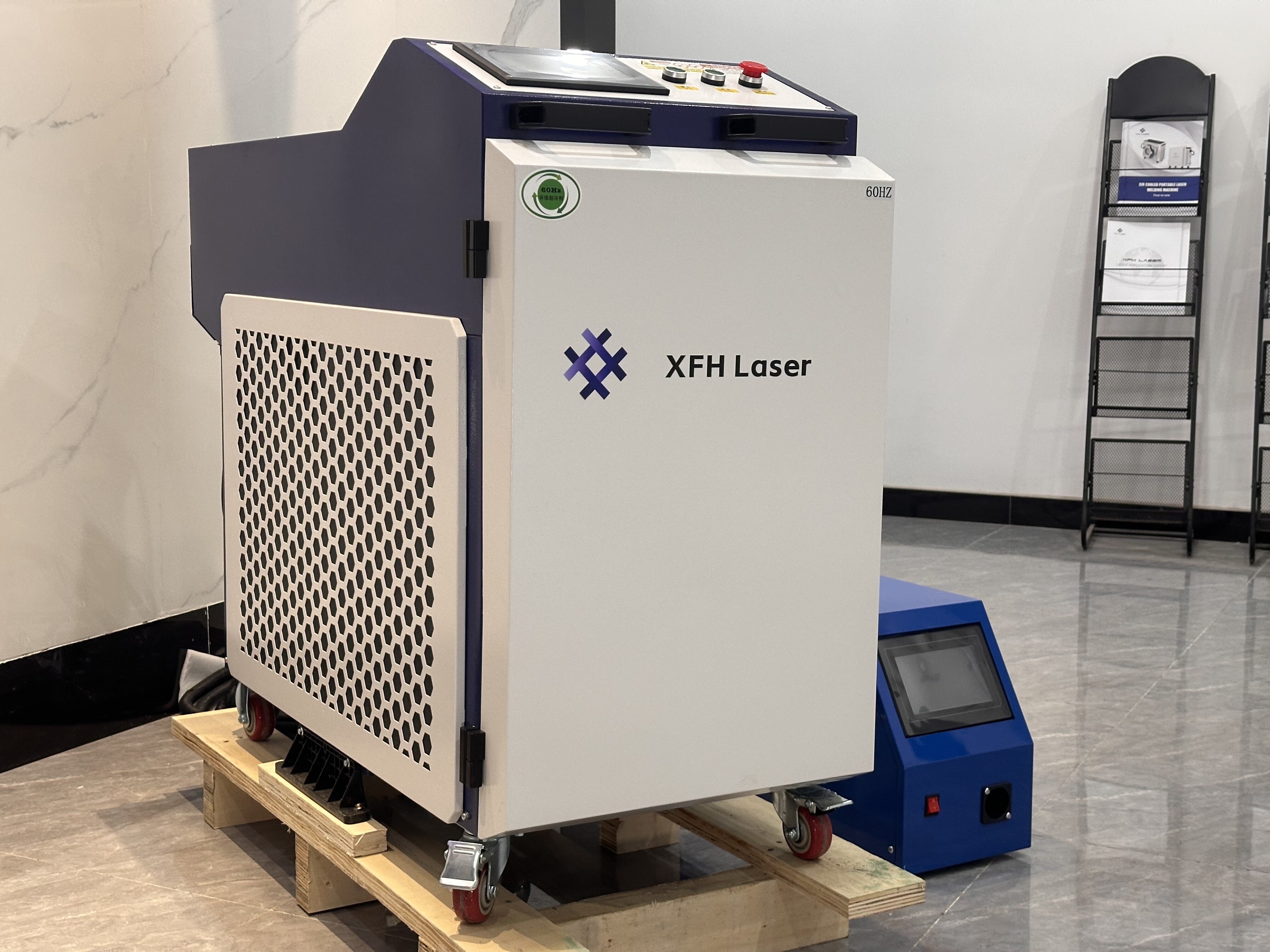
Water-cooled systems use circulating coolant to remove heat efficiently.
Advantages of Water Cooling
1. Superior Heat Dissipation
Supports higher power output and long operation times.
2. Stable Performance
Temperature control ensures consistent weld quality.
3. Longer Component Lifespan
Sensitive optical components remain protected.
4. Suitable for Industrial Production
Designed for continuous duty cycles.
Disadvantages of Water Cooling
1. Larger Footprint
Requires additional space for cooling equipment.
2. Maintenance Requirements
Coolant replacement and system checks are necessary.
Which Cooling Method Is Most Common?
For industrial fiber laser welding machines above 2 kW power, water cooling is the dominant solution due to its reliability and ability to maintain stable performance.
Air-cooled machines are gaining popularity for portable and mid-power applications, especially where mobility and simplicity are priorities.
Why Prices Vary So Much Between Laser Welders
Customers often wonder why two machines that appear similar can have drastically different prices.
Key factors include:
Laser Source Type
Fiber lasers generally cost more than diode systems but offer better performance.
Output Power
Higher wattage increases material capability but also raises cost.
Cooling System
Water-cooled units are typically more expensive.
Build Quality
Industrial-grade components significantly impact price.
Automation Features
Robotic integration, software control, and sensors add value.
Brand Support and Service
Reliable technical support can justify higher upfront investment.
Choosing the Right Laser Welding Machine
Selecting among the types of laser welders should be based on actual production needs.
Consider Material Types
- Stainless steel
- Carbon steel
- Aluminum
- Copper alloys
Different materials require different laser characteristics.
Consider Thickness Range
Thin sheet fabrication requires precision, while thicker materials demand higher power.
Consider Production Volume
High-volume factories benefit from water-cooled, high-power systems.
Consider Workspace Conditions
Portable air-cooled machines may be ideal for limited space or field work.
Consider Budget vs ROI
Lower upfront cost may not always mean lower total cost over time.
Real-World Industrial Examples
Sheet Metal Fabrication Plants
Fiber laser welding machines are widely used for cabinets, enclosures, HVAC parts, and machinery housings due to speed and precision.
Door and Window Manufacturing
Laser welding enables clean joints on aluminum and steel frames with minimal deformation.
Kitchen Equipment Production
Smooth weld seams reduce polishing requirements and improve hygiene standards.
Precision Manufacturing
Small pulsed systems are preferred for delicate components requiring tight tolerances.
Future Trends in Laser Welding Technology
Laser welding continues to evolve rapidly.
Key developments include:
- Higher energy efficiency
- More compact systems
- Smart process monitoring
- Integration with robotics
- Increased affordability for small businesses
Fiber laser technology is expected to remain dominant across most industries.
Conclusion: Which Type of Laser Welder Is Best?
There is no single universal answer, but for most modern manufacturing applications:
👉 Fiber laser welding machines are the most commonly used and versatile option.
For cooling systems:
👉 Water-cooled machines dominate heavy industrial production.
👉 Air-cooled machines are ideal for portability and moderate workloads.
Understanding the different types of laser welders and their price differences allows buyers to select equipment that matches their real operational needs — avoiding underpowered solutions or unnecessary overspending.
Laser welding technology offers a powerful path toward higher efficiency, better quality, and reduced labor dependence. Choosing the right system can significantly enhance productivity and competitiveness for years to come.