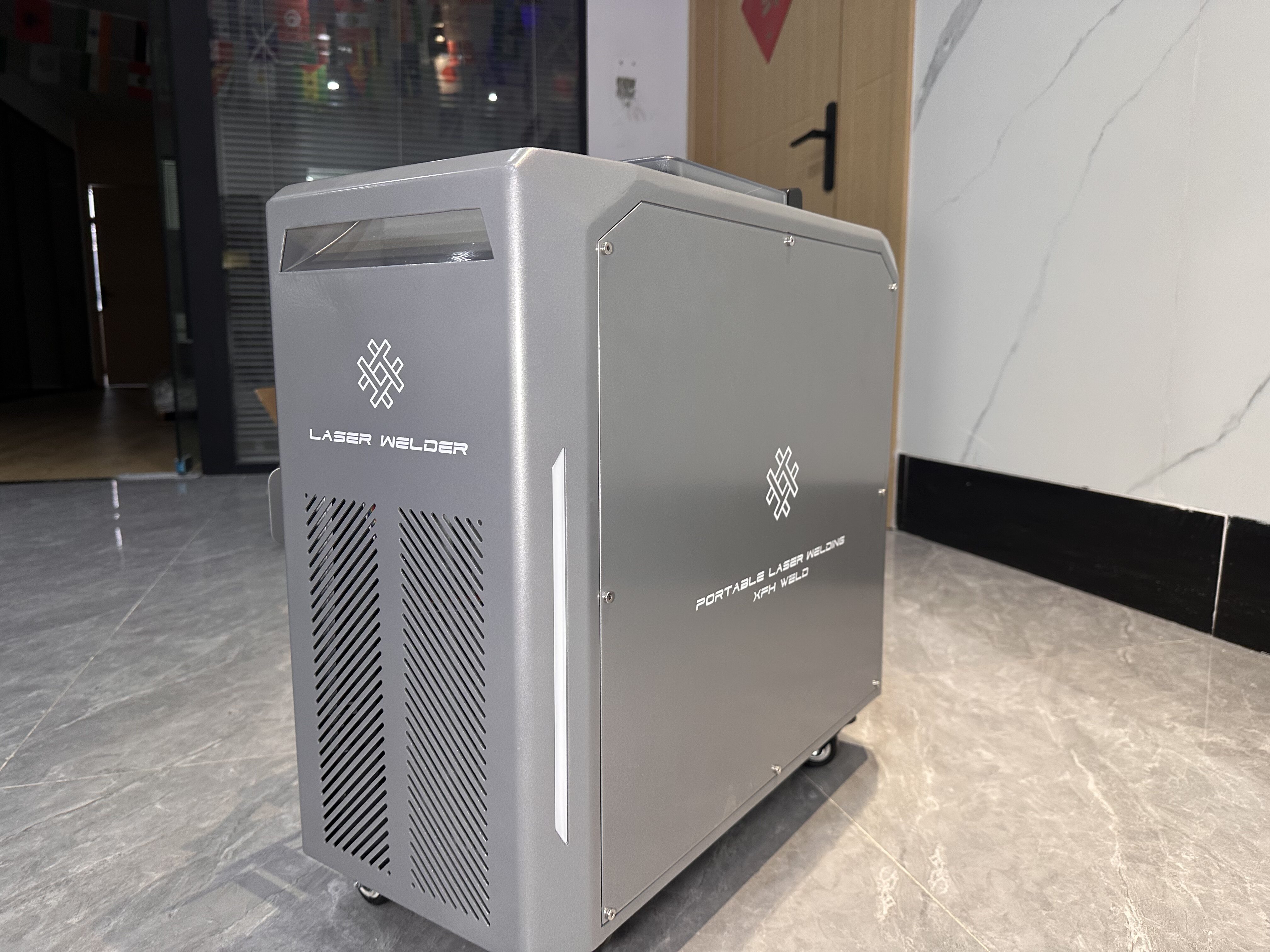
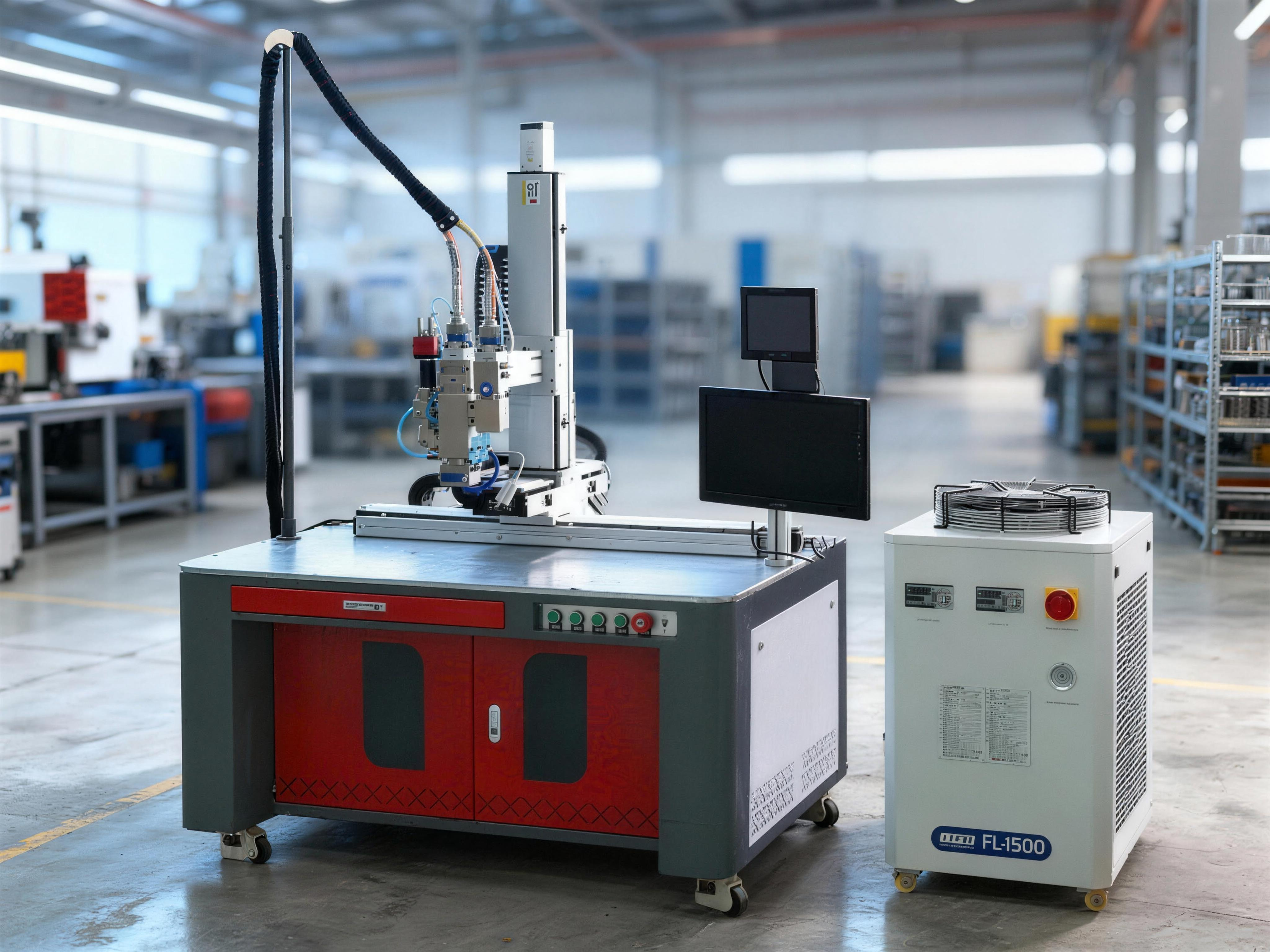
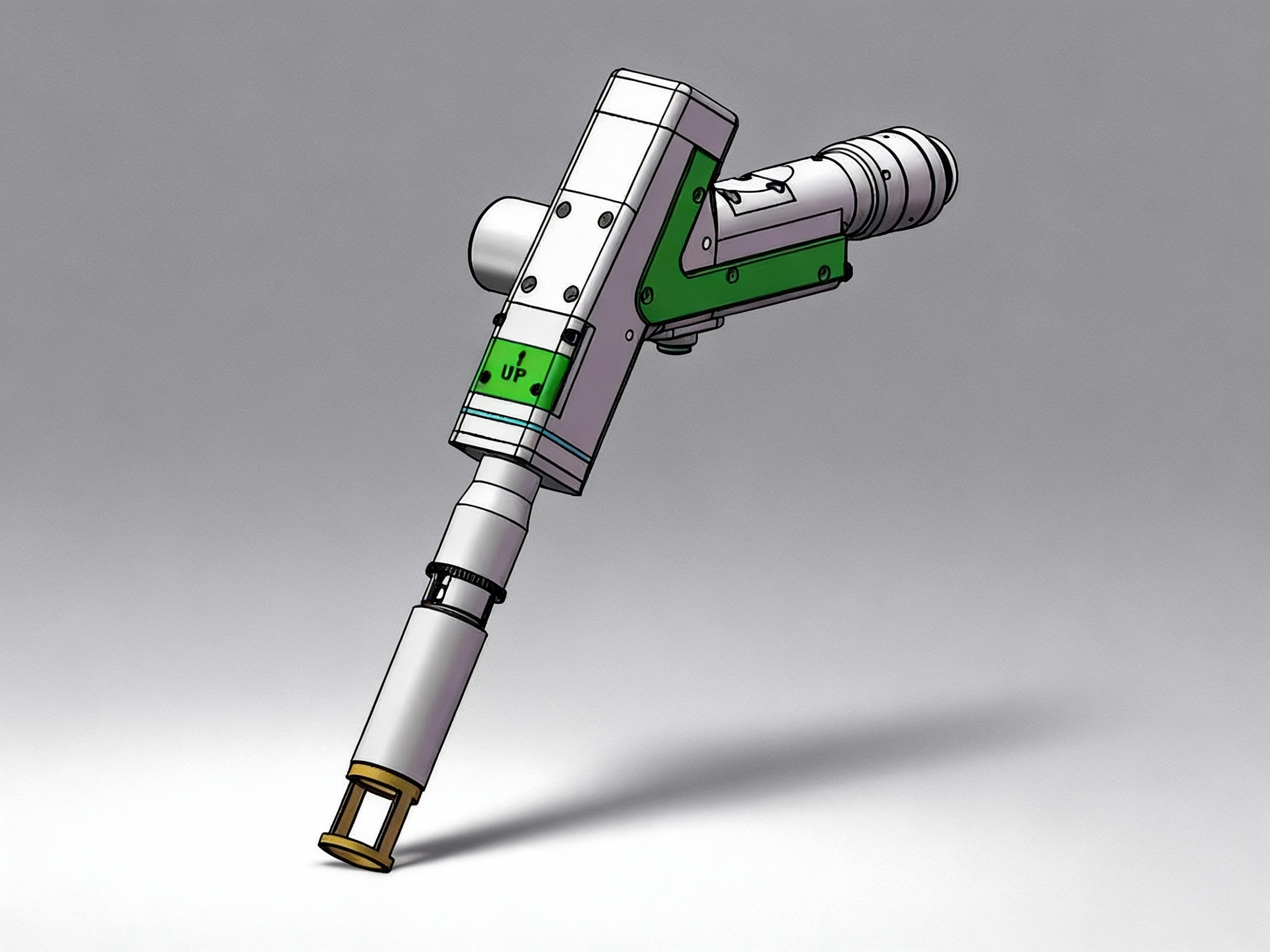
Pulsed laser welding machine

  • Laser Type: Pulsed Fiber Laser

  • Available Power: 1500W / 2000W

  • Pulse Duration: 0.1–20 ms

  • Repetition Rate: 1–200 Hz

  • Welding Thickness: 0.1–1.5 mm (1500W) / 0.1–2 mm (2000W)

  • Spot Size: 0.2–0.5 mm

  • Working Voltage: AC 220V ±10%

Product Details

Pulsed Laser Welding Machine for Thin Sheet Metal Fabrication

Our pulsed laser welding machine is specifically designed for thin sheet metal welding applications that require clean appearance, flexible welding methods, and stable performance. Optimized for materials such as stainless steel and carbon steel, this system is not suitable for copper or aluminum, but excels in industries where surface quality, joint precision, and efficiency are critical.

With advanced pulsed laser control and flexible welding modes, the machine is widely used in metal enclosures and cabinets, kitchenware and sanitary products, and lighting fixture manufacturing, providing reliable solutions for both decorative and functional metal components.


Designed for Thin Metal Sheets and Appearance-Critical Welding

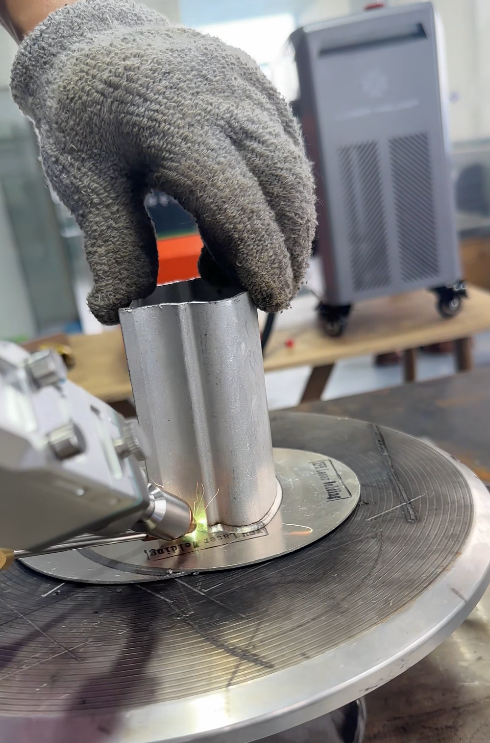
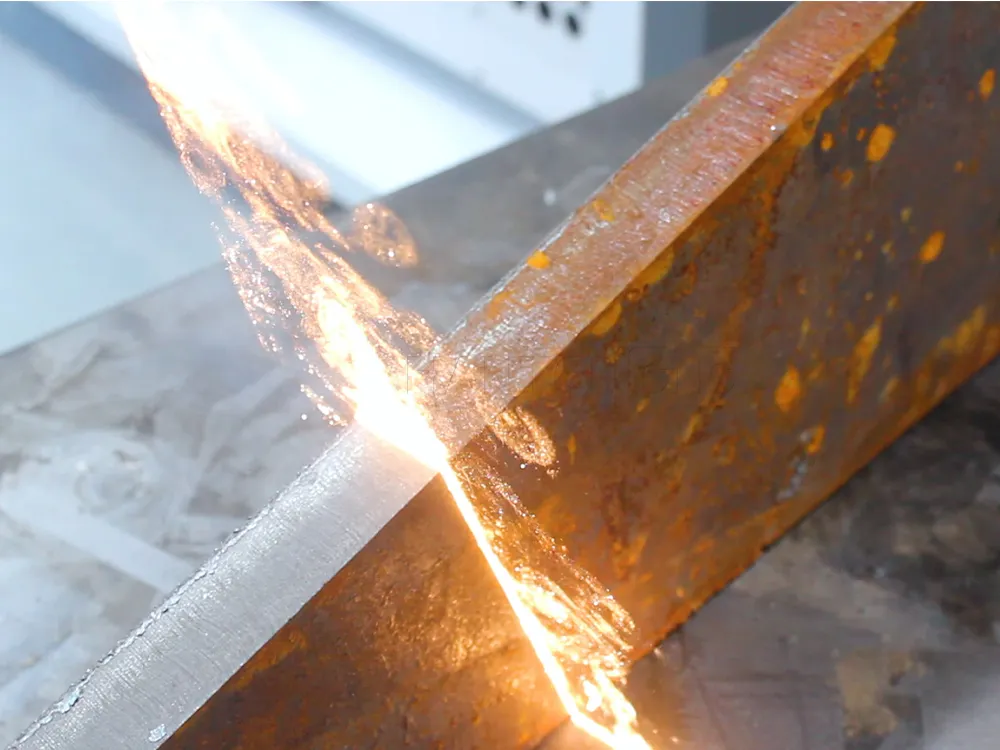
This pulsed laser welding machine is especially suitable for thin sheet materials up to 2mm thickness. The pulsed energy output allows precise heat control, ensuring stable penetration while minimizing deformation, burn-through, and discoloration. For applications where mechanical strength requirements are moderate, the machine can also weld thicker materials, offering greater flexibility for different product designs.

Its controlled heat input makes it ideal for visible weld areas where surface finish is important, reducing the need for post-weld grinding or polishing.


Multiple Welding Modes for Diverse Applications

One of the key advantages of this pulsed laser welding machine is its versatility in welding methods. By adjusting pulse parameters, energy output, and welding speed, the system supports a wide range of welding techniques, including:

  • Seamless (trace-free) welding for decorative surfaces

  • High-strength welding for structural connections

  • Fast welding for improved production efficiency

  • Spot welding for positioning and localized joints

  • Inner corner welding for cabinet frames and box structures

  • Outer corner welding for edges, frames, and exposed joints

This flexibility allows manufacturers to handle complex product structures and multiple welding requirements using a single machine.


Ideal for Cabinet, Kitchenware, and Lighting Industries

The pulsed laser welding machine is widely applied in industries that focus on thin metal fabrication and refined product appearance, including:

Metal Cabinets and Enclosures

Used for electrical cabinets, control boxes, distribution enclosures, and metal housings. The machine enables clean corner welding, strong joints, and smooth seams without visible weld marks.

Kitchenware and Sanitary Products

Suitable for sinks, countertops, kitchen accessories, and bathroom hardware made from stainless steel. The seamless welding capability improves product aesthetics while maintaining functional strength.

Lighting Industry

Ideal for welding lamp housings, frames, and decorative lighting components. The precise pulse control ensures clean welds on thin materials, protecting surface finishes and design details.


Clean Weld Seams and Minimal Post-Processing

Thanks to the pulsed laser welding process, weld seams are narrow, smooth, and well-controlled. This significantly reduces spatter and oxidation, resulting in clean, visually appealing welds. In many cases, welds require little to no secondary processing, helping manufacturers save time and labor costs.

The reduced heat-affected zone also minimizes distortion, ensuring consistent dimensions and improved assembly accuracy.


Stable Performance and Easy Operation

The machine is built with high-quality components and a stable laser source to ensure consistent performance during daily production. Welding parameters such as pulse width, frequency, and energy can be precisely adjusted, allowing operators to quickly adapt to different materials and joint types.

Its user-friendly control system reduces reliance on operator experience, making it suitable for both skilled welders and general production workers.


Reliable Solution for Thin Sheet Metal Welding

By combining precision pulse control, multiple welding modes, and stable operation, this pulsed laser welding machine offers an efficient and flexible solution for thin sheet metal fabrication. It is especially suitable for manufacturers who prioritize appearance quality, welding flexibility, and production efficiency over heavy structural welding.

Frequently Asked Questions

Welcome to our detailed FAQ guide—designed specifically for factory customers and distribution partners who want to understand exactly what we can provide, why our laser solutions are trusted in 2026, and how we support industry success.

Whether you are a manufacturing plant looking to upgrade production, a precision fabrication shop seeking reliable laser welding systems, or a distributor building a competitive product portfolio, this guide answers your most important questions clearly and practically.


Table of Contents

  1. What types of laser solutions do we offer?
  2. What industries do our laser machines serve?
  3. What laser welding machines are available?
  4. What laser cutting systems do we provide?
  5. Do we have laser cleaning and surface preparation solutions?
  6. Can we customize laser systems for specific applications?
  7. What is the typical delivery time for orders?
  8. What kind of installation and training support do we offer?
  9. How do we ensure quality and reliability?
  10. What after-sales services do we provide?
  11. Do we work with distributors and resellers?
  12. How do our pricing and financing options work?
  13. What warranty and maintenance plans do we offer?
  14. How do we support global customers?
  15. How can you request a quote or technical consultation?

1. What types of laser solutions do we offer?


Laser Welding Machine

We provide a broad portfolio of industrial-grade laser systems to suit a wide range of factory and workshop needs.

Our laser solutions include:

  • Laser Welding Machines — Fiber laser welders, high-power welding systems, handheld laser welders
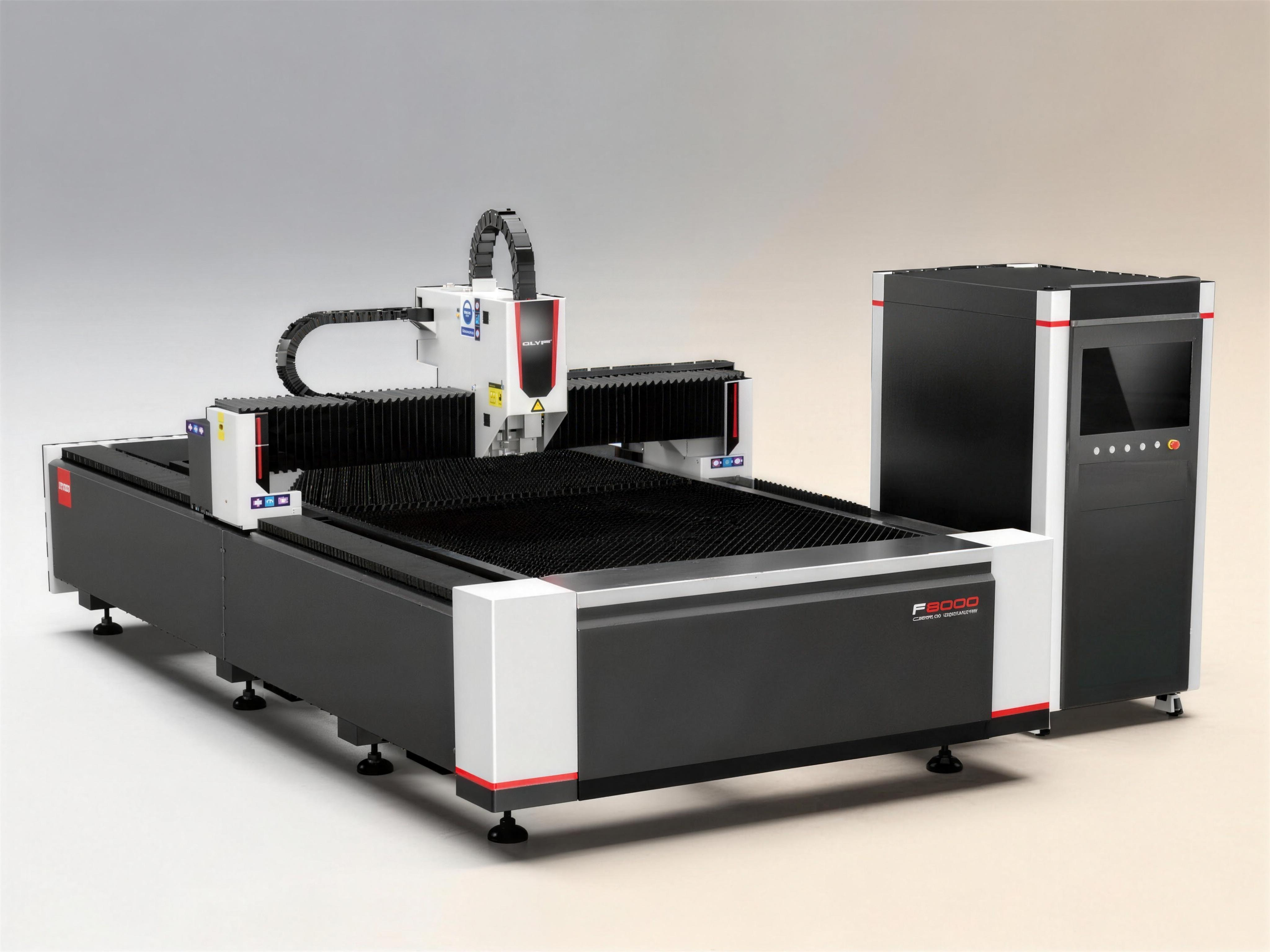
  • Laser Cutting Machines — CNC laser cutting systems for sheet metal, tube and pipe laser cutting
  • Laser Rust Removal & Cleaning Systems — Portable and industrial laser cleaning machines
  • Laser Marking and Engraving Systems — High-precision marking for traceability and branding
  • Laser Cladding & Surface Treatment Machines — Enhancing material performance
  • Multi-Function Laser Machines — Combined welding, cutting, and cleaning in one platform

Each system is engineered for stable performance and industrial reliability.


2. What industries do our laser machines serve?

Our laser solutions are used by factory customers across multiple sectors, including:

  • Sheet Metal Fabrication — Cabinets, enclosures, HVAC components
  • Automotive & Transportation Manufacturing — Structural welding and precision cutting
  • Aerospace Parts Production — High-precision laser machining
  • Construction and Heavy Equipment — Durable welds and rust removal
  • Kitchen Equipment & Stainless Fabrication — Clean, hygienic welds
  • Door & Window Manufacturing — Aluminum and steel framing
  • Electronics & Precision Engineering — Micro welding and fine cutting
  • Tooling & Mold Maintenance — Laser cleaning and surface conditioning

By serving diverse sectors, we ensure our technology meets complex production demands.


3. What laser welding machines are available?

We supply a complete range of laser welding solutions suited to factory production and distributor portfolios.

Common Laser Welding Systems:

  • Handheld Laser Welding Units — Portable, flexible, suitable for maintenance and field use
  • 1500W to 3000W Fiber Laser Welders — Industrial production welders with high penetration
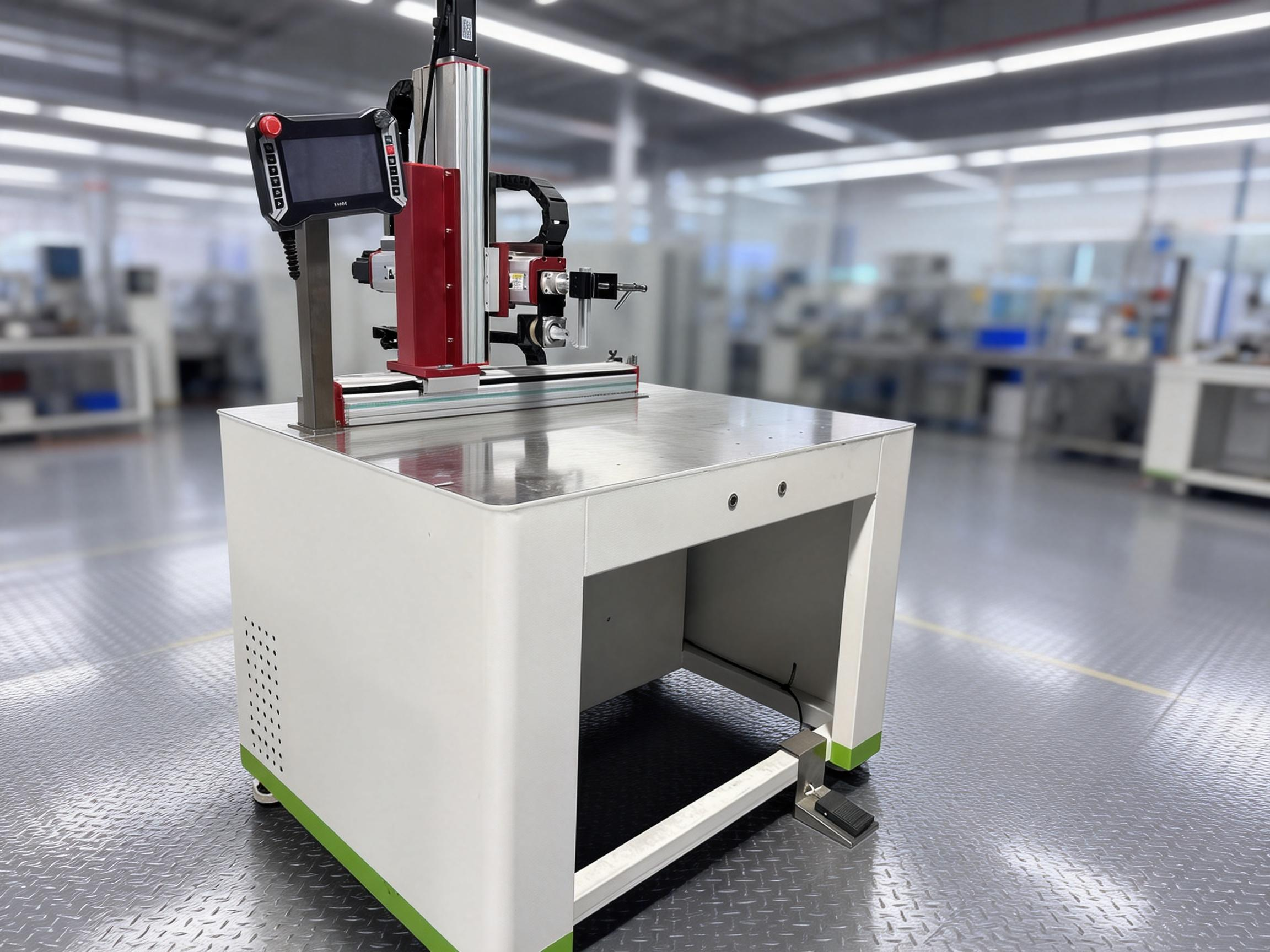
  • Automatic Welding Systems — Integrated with motion control or robotic arms for line automation
  • Pulse and Continuous Laser Welders — For different material thicknesses and precision requirements
  • These laser welders provide:
  • High Precision & Clean Welds
  • Minimal Heat-Affected Zone (HAZ)
  • Fast Processing Speed
  • Consistent Performance

Perfect for factories seeking quality improvement and cost savings.


4. What laser cutting systems do we provide?

Our laser cutting solutions are engineered for:

  • Sheet Metal Cutting — High precision for thin to medium thickness materials
  • Tube & Pipe Laser Cutting — Efficient cutting of circular and rectangular profiles
  • Mixed Operation Platforms — Machines that switch between sheet and profile cutting
  • High-Speed Production Lines — For high throughput industrial applications

These systems help factories maximize output while maintaining clean edges and tight tolerances.


5. Do we have laser cleaning and surface preparation solutions?

Yes. We offer advanced laser cleaning machines that help factories replace traditional abrasive cleaning methods.

Key benefits include:

  • Chemical-Free Rust Removal
  • Precision Oxide and Scale Removal
  • Surface Prep Before Welding or Coating
  • Low Secondary Waste

Laser cleaning machines vary from portable handheld units to fixed systems integrated into production cells.


6. Can we customize laser systems for specific applications?

Absolutely. Customization is one of our core strengths.

We tailor laser welding and cutting systems to:

  • Material type and thickness
  • Production volume requirements
  • Automation level (standalone vs robotic integration)
  • Cooling method preferences (air-cooled or water-cooled)
  • Software control interfaces
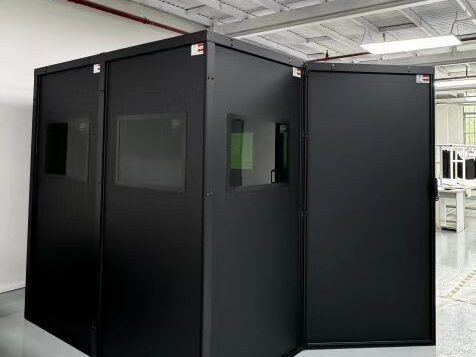
  • Safety and enclosure specifications

Whether you need a unique motion system, special fixturing, or custom process parameters, we collaborate with your engineering team to deliver the right solution.


7. What is the typical delivery time for orders?

Delivery time depends on the type of system and customization level:

  • Standard Laser Machines: 2–6 weeks
  • Customized Configurations: 6–12 weeks or more
  • Automated or Robotic Systems: 12 weeks+

We strive to meet urgent project timelines while ensuring quality and reliability.


8. What kind of installation and training support do we offer?

We provide comprehensive support, including:

  • Installation and Commissioning — On-site or remote support from trained engineers
  • Operator Training — Hands-on instruction to run and maintain your machine
  • Programming Guidance — Help with CNC or motion control parameters
  • Safety Best Practices — Laser safety, enclosures, fume management

Our goal is to ensure your team is fully confident with your laser system from day one.


9. How Do We Ensure Quality and Reliability of Our Laser Welding Machine Systems?

Quality, stability, and long-term performance are central to every laser welding machine we manufacture.

A professional laser welding machine must deliver consistent weld quality, stable beam output, and uninterrupted industrial operation. That is why we design and manufacture each system according to strict industrial standards and precision engineering processes.

How We Guarantee Performance:

  • Use of high-quality laser sources (fiber, diode, etc.)
  • Precision optics and stable beam delivery systems
  • Industrial-grade control electronics
  • Robust cooling systems (air-cooled or water-cooled configurations)
  • Stringent pre-shipment testing and multi-stage inspection
  • ISO-aligned manufacturing standards

Before shipment, each laser welding machine undergoes comprehensive performance testing, including welding stability verification, power calibration, and durability assessment.

All equipment is engineered for long-term production duty cycles, ensuring reliable operation in demanding factory environments.


10. What After-Sales Services Do We Provide for Laser Welding Machine Customers?

A laser welding machine is a long-term industrial investment. We provide full life-cycle support to protect your equipment and ensure continuous production.

Our after-sales services include:

  • Remote diagnostics and troubleshooting
  • On-site repair and maintenance support (where applicable)
  • Genuine spare parts supply
  • Software and firmware updates
  • Technical hotlines and online engineering assistance

Whether you operate a handheld system, an automated production unit, or a robotic configuration, our team ensures minimal downtime and fast response for your laser welding machine.

Your equipment must operate reliably for years — and our structured support is designed to protect your laser welding machine investment.


11. Do We Work With Distributors and Resellers of Laser Welding Machine Equipment?

Yes. We actively partner with global distributors and reseller networks specializing in laser welding machine systems, industrial machinery, and automation solutions.

If you distribute welding equipment, cutting systems, or manufacturing machinery, we welcome collaboration.

Benefits for Distribution Partners:

  • Competitive pricing and structured margins
  • Marketing support and professional product materials
  • Demo units and showroom solutions
  • Technical training for sales and service teams
  • Coordinated after-sales collaboration

Our goal is to help partners expand their laser welding machine portfolio with reliable, high-performance systems backed by strong technical expertise.


12. How Do Our Laser Welding Machine Pricing and Financing Options Work?

The price of a laser welding machine depends on configuration and production requirements. We provide transparent quotations tailored to your application.

Factors That Influence Price:

  • Laser power level and source type
  • Equipment structure and motion system
  • Cooling method (air-cooled vs water-cooled)
  • Automation level (manual, semi-automatic, robotic integration)
  • Software and control features
  • Warranty length and service package

We offer tailored pricing for factories and structured programs for distributors.

For qualified clients, we can provide:

  • Tiered volume pricing
  • Flexible payment terms
  • Leasing or financing options (where applicable)

Our objective is to make advanced laser welding machine technology financially accessible while maintaining industrial-grade quality.


13. What Warranty and Maintenance Plans Do We Offer?

Every laser welding machine we supply is backed by structured warranty and maintenance programs designed to protect uptime and productivity.

Our support includes:

  • Standard warranty on key components
  • Extended warranty packages
  • Scheduled maintenance contracts
  • Priority support for partner customers

A properly maintained laser welding machine delivers stable weld quality, consistent power output, and reduced operational risk.

Preventive maintenance plans help avoid unexpected downtime and extend overall service life.


14. How Do We Support Global Customers?

We serve factory clients and distribution partners across multiple regions worldwide.

Our international support structure includes:

  • Multilingual sales and technical teams
  • Local service hubs (where available)
  • Remote diagnostics and troubleshooting
  • Online training for operation and maintenance
  • Spare parts logistics across North America, Europe, Asia, and emerging markets

Whether your facility operates a single unit or multiple automated production lines, we provide structured global support to ensure every laser welding machine performs efficiently regardless of location.


15. How Can You Request a Laser Welding Machine Quote or Technical Consultation?

Getting started with a professional laser welding machine solution is simple.

Steps to Request a Quote:

  1. Visit our website and complete the Contact or Quote Form
  2. Provide production details (materials, thickness, welding requirements, production volume)
  3. Our engineers evaluate your application
  4. Receive a customized proposal, including pricing, delivery timeline, and technical specifications

We also offer free consultation for:

  • Factory layout planning and integration
  • Equipment configuration selection
  • Automation upgrade recommendations
  • Cost-benefit analysis for transitioning from traditional welding to laser technology

Our engineering team ensures you choose the right laser welding machine for your production goals.


Final Thoughts: Why Partner With Us

Factories and distributors need more than equipment — they need reliable industrial solutions that drive productivity and long-term growth.

A professional laser welding machine should deliver:

  • Stability and industrial reliability
  • Improved welding efficiency
  • Lower overall production cost
  • High weld quality and repeatability
  • Long-term technical and service support

We do not simply supply equipment — we deliver integrated production solutions that optimize workflows, reduce labor costs, and improve consistency.

Whether you are upgrading production capacity, scaling with automation, or expanding your equipment portfolio as a distributor, we provide the technology, engineering support, and partnership model you can rely on.

Your investment should deliver measurable value — and we are committed to ensuring it does.

Introduction: Why Understanding the Types of Laser Welders Matters

Laser welding has rapidly transformed modern manufacturing, replacing many traditional joining methods in industries ranging from sheet metal fabrication to precision electronics. However, for buyers and engineers new to this technology, the wide variety of machines available can be confusing.

Questions commonly asked include:

  • What are the main types of laser welders?
  • Which laser welding machine is most widely used today?
  • Why do prices vary so dramatically?
  • Should I choose an air-cooled or water-cooled system?
  • Which option is best for my factory or workshop?

This comprehensive guide is designed as an educational resource for customers evaluating laser welding technology. It explains the types of laser welders, their working principles, price differences, cooling methods, and real-world advantages so you can make an informed decision.


What Is Laser Welding?

Laser welding is a process that uses a highly concentrated beam of light to melt and fuse materials, typically metals. Because the energy is precisely controlled, laser welding offers significant advantages over conventional methods:

  • Extremely high precision
  • Minimal heat-affected zone
  • Low distortion
  • Clean weld appearance
  • High speed
  • Easy automation

Laser welding can operate in two main modes:

Conduction Mode

Energy heats the surface, creating shallow welds suitable for thin materials.

Keyhole Mode

Higher power creates deep penetration welds for thicker sections.


Main Types of Laser Welders

Understanding the laser welder types available is the first step in selecting the right system.

Fiber Laser Welders (Most Common Today)
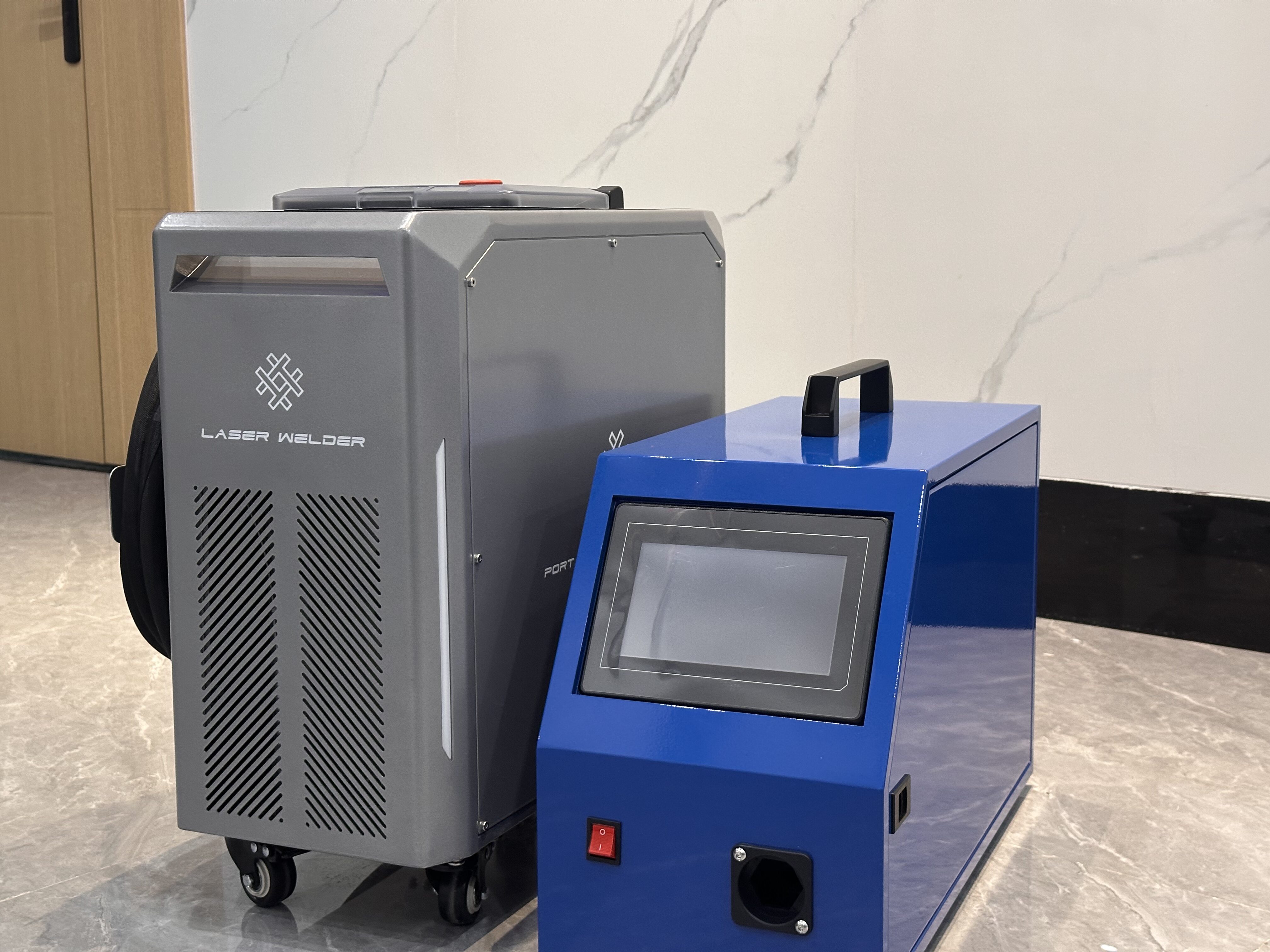
Fiber laser welding machines dominate modern industrial applications and are widely considered the most versatile solution.

How They Work

A fiber optic cable amplifies the laser beam, delivering high energy efficiency and excellent beam quality.

Why They Are So Popular

Fiber lasers combine power, precision, reliability, and relatively low maintenance.

Typical Applications

  • Sheet metal fabrication
  • Stainless steel products
  • Aluminum components
  • Automotive parts
  • Machinery manufacturing
  • Kitchen equipment
  • Door and window frames

Advantages

  • High electrical efficiency
  • Compact design
  • Stable output
  • Low maintenance requirements
  • Excellent weld quality

Limitations

  • Higher initial cost than entry-level systems
  • Reflective metals may require optimized parameters

Typical Price Range

Fiber laser welding machine prices vary widely based on power and configuration:

  • Small portable units: about $3,000–$6,000
  • Mid-range industrial systems: about $4,000–$10,000
  • High-end automated systems: $50,000–$30,000+

👉 This is the most commonly used type of laser welder in industry today.


CO₂ Laser Welders

CO₂ lasers use gas as the active medium and were among the earliest industrial laser technologies.

Applications

  • Thick metal sections
  • Certain plastics
  • Large structural components

Advantages

  • Deep penetration capability
  • Suitable for some specialized materials

Limitations

  • Large machine size
  • Lower energy efficiency
  • More complex optical path
  • Higher maintenance requirements

Typical Price Range

  • Industrial systems typically range from $10,000 to over $50,000

Today, CO₂ laser welding machines are less common than fiber lasers for metal fabrication.


Nd:YAG Laser Welders

These solid-state lasers are known for precision and pulsed operation.

Applications

  • Jewelry manufacturing
  • Medical devices
  • Electronics
  • Small precision parts

Advantages

  • Excellent for micro welding
  • Controlled pulse energy
  • Minimal heat input

Limitations

  • Lower efficiency than fiber lasers
  • Higher cooling requirements
  • Generally lower output power

Typical Price Range

  • Small precision systems: $3,000–$25,000
  • Specialized industrial units: $15,000–$40,000

Diode Laser Welders

Diode lasers offer a compact and cost-effective option for lower-power applications.

Applications

  • Surface welding
  • Plastic joining
  • Light industrial work

Advantages

  • Smaller footprint
  • Lower cost
  • Simple design

Limitations

  • Limited penetration depth
  • Lower beam quality compared to fiber lasers

Typical Price Range

  • Approximately $3,000–$15,000 depending on configuration

Pulsed vs Continuous Laser Welding

Laser welders can also be categorized by operating mode.

Pulsed Laser Welding

  • Energy delivered in bursts
  • Ideal for thin materials and delicate parts
  • Reduces heat buildup

Continuous Wave (CW) Laser Welding

  • Constant energy output
  • Suitable for high-speed industrial welding
  • Enables deep penetration

Most modern fiber laser welding machines support continuous operation, while precision systems may use pulsed mode.


Air-Cooled vs Water-Cooled Laser Welding Machines

Another critical classification — often overlooked — is the cooling method.

Cooling directly affects machine stability, performance, and lifespan.


Air-Cooled Laser Welding Machines

Air-cooled systems dissipate heat using fans and heat sinks.

Advantages of Air Cooling

1. Simple Installation
No external chiller or water supply required.

2. Compact and Portable
Ideal for mobile applications or small workshops.

3. Minimal Maintenance
No water replacement, filtration, or leak concerns.

4. Energy Efficient at Lower Power Levels
Suitable for moderate duty cycles.

5. Better Performance in Hot Environments
Less affected by ambient temperature.

Disadvantages of Air Cooling

1. Reduced Continuous Operation Capacity
Not ideal for heavy industrial production.

2. Higher Initial Cost
Includes chiller system and plumbing.


Water-Cooled Laser Welding Machines

Water-cooled systems use circulating coolant to remove heat efficiently.
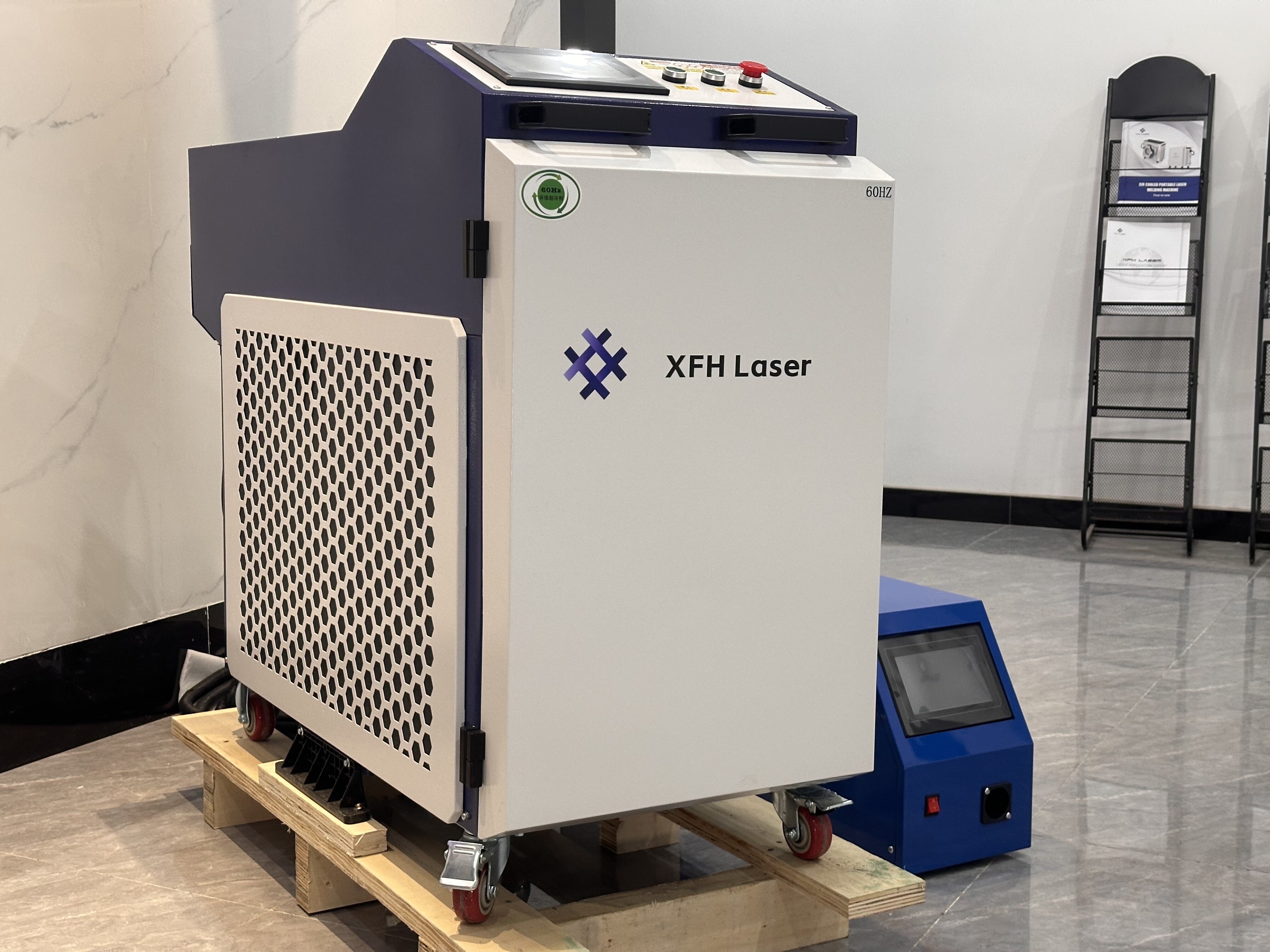
types of laser welders

Advantages of Water Cooling

1. Superior Heat Dissipation
Supports higher power output and long operation times.

2. Stable Performance
Temperature control ensures consistent weld quality.

3. Longer Component Lifespan
Sensitive optical components remain protected.

4. Suitable for Industrial Production
Designed for continuous duty cycles.

Disadvantages of Water Cooling

1. Larger Footprint
Requires additional space for cooling equipment.

2. Maintenance Requirements
Coolant replacement and system checks are necessary.


Which Cooling Method Is Most Common?

For industrial fiber laser welding machines above 2 kW power, water cooling is the dominant solution due to its reliability and ability to maintain stable performance.

Air-cooled machines are gaining popularity for portable and mid-power applications, especially where mobility and simplicity are priorities.


Why Prices Vary So Much Between Laser Welders

Customers often wonder why two machines that appear similar can have drastically different prices.

Key factors include:

Laser Source Type

Fiber lasers generally cost more than diode systems but offer better performance.

Output Power

Higher wattage increases material capability but also raises cost.

Cooling System

Water-cooled units are typically more expensive.

Build Quality

Industrial-grade components significantly impact price.

Automation Features

Robotic integration, software control, and sensors add value.

Brand Support and Service

Reliable technical support can justify higher upfront investment.


Choosing the Right Laser Welding Machine

Selecting among the types of laser welders should be based on actual production needs.

Consider Material Types

  • Stainless steel
  • Carbon steel
  • Aluminum
  • Copper alloys

Different materials require different laser characteristics.

Consider Thickness Range

Thin sheet fabrication requires precision, while thicker materials demand higher power.

Consider Production Volume

High-volume factories benefit from water-cooled, high-power systems.

Consider Workspace Conditions

Portable air-cooled machines may be ideal for limited space or field work.

Consider Budget vs ROI

Lower upfront cost may not always mean lower total cost over time.


Real-World Industrial Examples

Sheet Metal Fabrication Plants

Fiber laser welding machines are widely used for cabinets, enclosures, HVAC parts, and machinery housings due to speed and precision.

Door and Window Manufacturing

Laser welding enables clean joints on aluminum and steel frames with minimal deformation.

Kitchen Equipment Production

Smooth weld seams reduce polishing requirements and improve hygiene standards.

Precision Manufacturing

Small pulsed systems are preferred for delicate components requiring tight tolerances.


Future Trends in Laser Welding Technology

Laser welding continues to evolve rapidly.

Key developments include:

  • Higher energy efficiency
  • More compact systems
  • Smart process monitoring
  • Integration with robotics
  • Increased affordability for small businesses

Fiber laser technology is expected to remain dominant across most industries.


Conclusion: Which Type of Laser Welder Is Best?

There is no single universal answer, but for most modern manufacturing applications:

👉 Fiber laser welding machines are the most commonly used and versatile option.

For cooling systems:

👉 Water-cooled machines dominate heavy industrial production.
👉 Air-cooled machines are ideal for portability and moderate workloads.

Understanding the different types of laser welders and their price differences allows buyers to select equipment that matches their real operational needs — avoiding underpowered solutions or unnecessary overspending.

Laser welding technology offers a powerful path toward higher efficiency, better quality, and reduced labor dependence. Choosing the right system can significantly enhance productivity and competitiveness for years to come.
How to Choose the Right Laser Welder Based on Material Thickness and Application

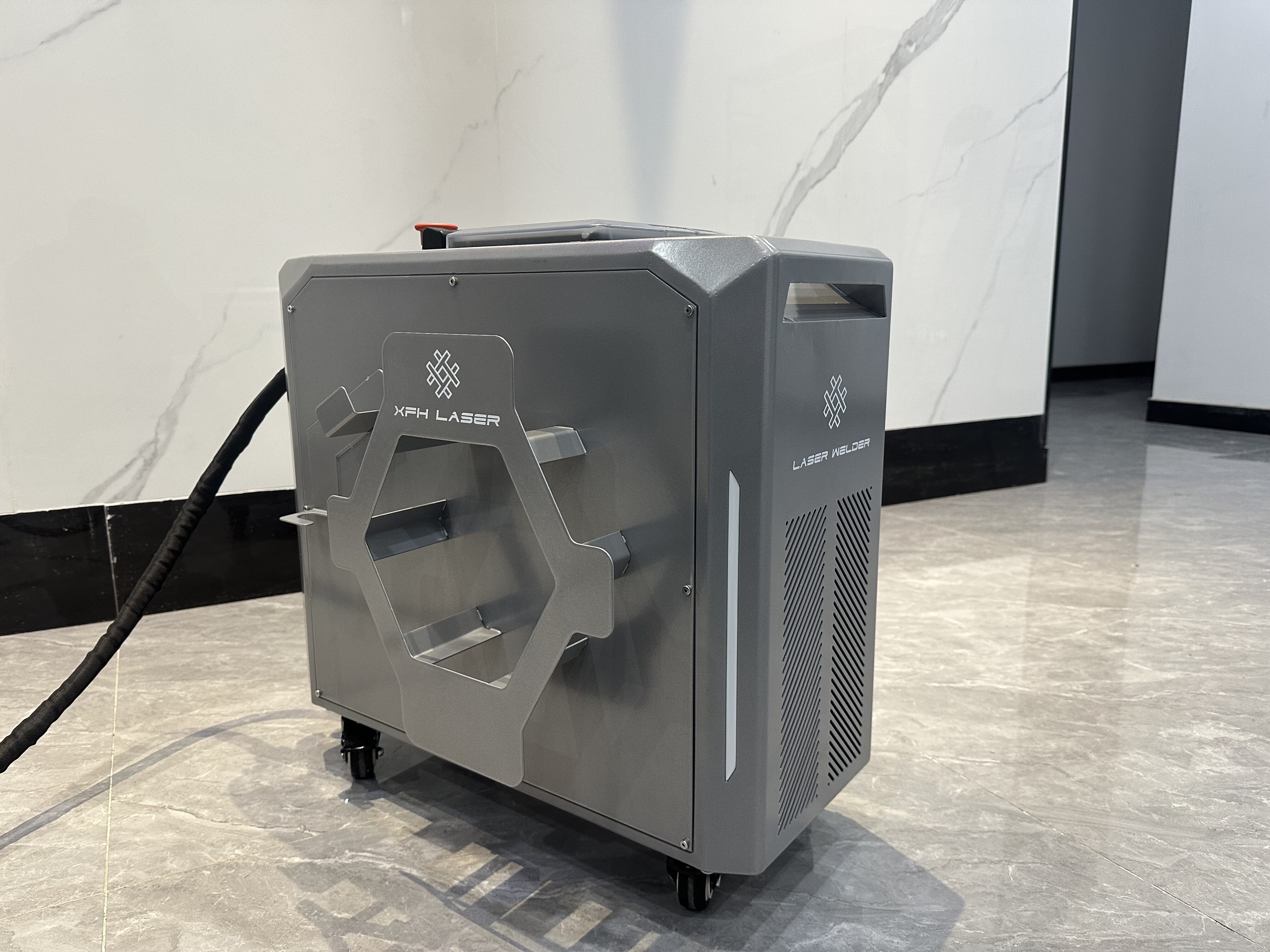
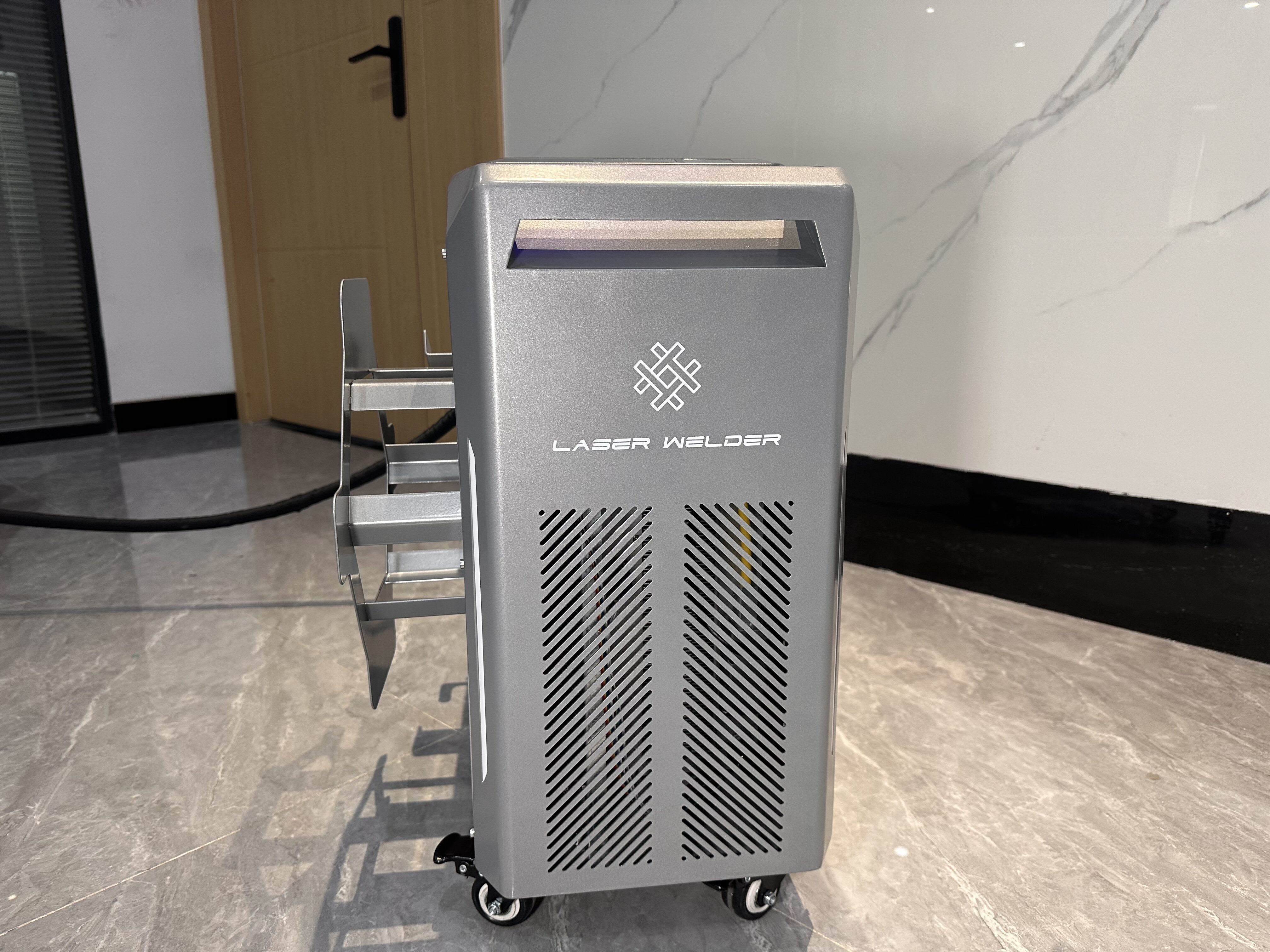
Choosing the right laser welder is a critical decision for manufacturers, fabricators, and workshops aiming to improve welding quality and production efficiency. Unlike traditional welding methods, laser welding offers higher precision, faster speeds, and cleaner weld seams—but only when the equipment is properly matched to the application. Among all selection criteria, material thickness and usage scenario are the two most important factors that directly influence performance, cost, and long-term reliability.

laser welder


1. What is the most important factor when choosing a laser welder?

The most important factors when selecting a laser welder are material thickness and welding scenario. Material thickness determines the required laser power to achieve sufficient penetration and joint strength, while the usage scenario defines the machine configuration—such as handheld, workstation-based, or fully automated systems.

Ignoring either factor can result in poor weld quality, low efficiency, or unnecessary investment. A well-matched laser welder ensures consistent welds, minimal heat-affected zones, and stable long-term operation.


2. How does material thickness affect laser welder selection?

Laser power must be carefully matched to the thickness of the material being welded. Insufficient power leads to shallow penetration and weak joints, while excessive power can cause burn-through, distortion, or poor surface appearance.

General guidelines include:

  • 0.5–3 mm thickness: Low to medium power laser welders are ideal for thin sheet metal, decorative components, and precision parts. These applications benefit from controlled heat input and smooth weld seams.

  • 3–6 mm thickness: Medium power laser welders are commonly used for general metal fabrication, frames, brackets, and industrial components where strength and efficiency are both important.

  • 6 mm and above: High-power laser welders are recommended for structural parts, thick plates, and heavy-duty welding tasks that require deeper penetration and strong joints.

Choosing the correct power range improves weld consistency and reduces post-weld processing.


3. Can one laser welder handle different thicknesses?

Yes, most modern laser welders feature adjustable power settings, allowing them to handle a range of material thicknesses. Operators can fine-tune laser power, welding speed, and focus position to suit different applications.

However, it is important to select the base laser power according to the most common thickness used in daily production. While a higher-power system can be adjusted downward, selecting a machine that is underpowered for your primary application will limit productivity and weld quality.


4. How does the welding scenario influence the choice?

The working environment and production method play a major role in laser welder selection:

  • Handheld laser welding: Ideal for flexible jobs, on-site repairs, small-batch production, and irregular workpieces. Handheld systems offer excellent maneuverability and are well suited for workshops and maintenance tasks.

  • Workshop or production welding: Suitable for repetitive welding of standardized parts with consistent thickness. These systems often use fixtures or workstations to improve accuracy and efficiency.

  • Industrial or heavy-duty welding: Requires higher laser power, stable cooling systems, and often automated or robotic solutions to support continuous operation and high throughput.

Matching the machine configuration to the application improves efficiency and operator comfort.


5. Does material type matter in addition to thickness?

Yes. Material type has a significant impact on laser welding performance. Stainless steel and carbon steel are relatively easy to weld and respond well to laser energy. In contrast, aluminum and copper reflect more laser energy and conduct heat rapidly, often requiring higher power or optimized parameters, even at the same thickness.

Understanding material properties helps ensure proper parameter selection and consistent welding results.


6. Is higher laser power always better?

No. While higher laser power increases penetration capability, it also raises equipment cost and the risk of overheating thin materials. Excessive power can lead to burn-through, excessive spatter, and poor surface finish.

The best choice is a laser welder that matches your actual thickness range and application needs, rather than simply selecting the highest wattage available.


7. What other features should I consider?

In addition to laser power, consider factors such as cooling system stability, welding head control, safety features, ease of operation, and suitability for continuous or intermittent use. These features directly affect reliability, productivity, and long-term operating cost.


Summary

To choose the right laser welder, start by identifying your material thickness range, then match it with your welding scenario and production requirements. A properly selected laser welder delivers stable penetration, clean weld seams, and high efficiency—without unnecessary cost or complexity.

1. What is the first thing to consider when choosing a laser cleaning machine?

Start by identifying your cleaning needs: the type of material (metal, plastic, rubber), the kind of contaminants (rust, paint, oil), and the size of surfaces you will clean most often. Matching machine specs to these requirements is essential for effective cleaning.


2. How does laser power affect the choice ?

Laser power determines how fast and effectively contaminants are removed:

  • Low power (20–200W): Suitable for delicate surfaces, light rust, thin paint, or precision tasks.
  • Medium power (200–500W): Ideal for general cleaning of rust, grease, and paint on moderate-sized parts.
  • High power (500W+): Best for heavy-duty cleaning on thick coatings and large surfaces in industrial environments.

Choose the lowest power that safely handles your hardest cleaning task to avoid surface damage and excessive cost.

laser cleaning machine


3. Should I choose handheld or stationary?

Handheld machines are great for flexible on-site cleaning, repairs, and variable workpieces. Stationary units or automated systems suit high-volume production, assembly lines, or fixed cleaning stations.


4. Is wavelength important?

Yes. The laser wavelength affects how well energy is absorbed by the material:

  • Fiber lasers (~1064 nm): Common for most metal cleaning.

  • CO₂ lasers (~10.6 µm): Often better for non-metal materials like plastics or wood.

Matching wavelength to material improves cleaning efficiency and reduces heat damage.


5. What about pulse type and frequency?

Laser cleaners can operate in pulsed or continuous modes:

  • Pulsed lasers: Deliver bursts of energy, reducing heat impact — ideal for precision cleaning and sensitive surfaces.

  • Continuous wave lasers: Provide steady output, useful for bulk contaminant removal where thermal impact is less critical.

Pulse frequency and duration influence how aggressively contaminants are removed without harming the substrate.


6. How does production volume influence my choice?

  • Small batches or occasional use: Compact or portable systems work best.

  • Continuous high throughput: Fixed or automated laser cleaning machines with robust cooling and duty cycles improve productivity.

Always consider how much cleaning your operation requires over time.


7. What safety and support features should I look for?

Ensure the machine has proper safety measures (interlocks, shielding), cooling systems to manage heat, and quality support from the supplier for training, maintenance, and repairs. Good safety design and after-sales service reduce risk and downtime.


8. Do I need to consider long-term costs?

Yes — look beyond the purchase price. Factor in operational costs like energy consumption, maintenance, consumables (filters, optics), and downtime costs. A machine that is inexpensive upfront but costly to maintain can reduce overall value.


9. Is testing important before buying?

Absolutely. Testing with your materials and contaminant types helps verify cleaning speed, power sufficiency, and surface impact. This practical step prevents mismatches between specifications and real-world performance.


10. What’s the best way to balance performance and cost?

Choose a machine that meets your heaviest cleaning need without over-specifying. For most general industrial tasks, a mid-range power laser cleaner (200–500W) balances cost, flexibility, and capability. For specialized tasks, adjust power, configuration, and automation accordingly.


Final Thoughts

Choosing the right laser cleaning machine is not only about comparing technical specifications—it’s about selecting a solution that truly matches your cleaning application, production environment, and long-term operational goals. A well-selected laser cleaning machine can significantly improve cleaning efficiency, protect the base material, and reduce manual labor and maintenance costs over time.

Before purchasing a laser cleaning machine, carefully evaluate how it will be used in real production. Consider whether your cleaning tasks are occasional or continuous, whether you need a handheld laser cleaning machine for mobility, or a stationary laser cleaning machine for fixed workstations. Surface quality requirements, cleaning speed, and repeatability should all influence your final decision.

It is also important to work with a supplier that can provide application testing, technical guidance, and reliable after-sales support. A stable laser cleaning machine with proper training and service support ensures consistent performance and minimizes downtime.

By balancing laser power, configuration, safety features, and total ownership cost, you can choose a laser cleaning machine that delivers both performance and value. The right laser cleaning machine will not only solve current cleaning challenges but also support future production expansion and evolving industrial cleaning needs.

 
Inquiry

    +86 18956040458

    LiveChat

    Related Products