Fiber Laser Welding Machine vs Pulsed Laser Welding Machine: Which One Is Better?
News 2026-05-14
By XFH LASER Engineering Team · December 11, 2025 · 8 min read
Table of Contents
- Introduction
- What Is a Fiber Laser Welding Machine?
- What Is a Pulsed Laser Welding Machine?
- Working Principle of Fiber Laser Welding
- Working Principle of Pulsed Laser Welding
- Fiber Laser Welding Machine vs Pulsed Laser Welding Machine
- Welding Speed Comparison
- Suitable Industries for Fiber Laser Welding Machines
- Suitable Industries for Pulsed Laser Welding Machines
- Advantages of Pulsed Laser Welding Machines
- Advantages of Fiber Laser Welding Machines
- How to Choose the Right Laser Welding Machine
- Future Trends in Industrial Laser Welding
- Conclusion
Introduction
Laser welding technology has become one of the fastest-growing solutions in modern metal fabrication. Compared with traditional TIG and MIG welding, laser welding machines provide:
- Faster welding speed
- Cleaner weld seams
- Lower deformation
- Easier operation
- Higher production efficiency
Today, two major laser welding technologies are widely used in industrial manufacturing:
- Fiber Laser Welding Machines
- Pulsed Laser Welding Machines
The full name of a fiber laser welding machine is:
Fiber Continuous Laser Welding Machine
The full name of a pulsed laser welding machine is:
QCW Pulsed Laser Welding Machine
Although both systems use laser energy for welding, their working methods, applications, and welding characteristics are very different.
Choosing the correct laser welding machine depends on:
- Material thickness
- Welding precision
- Production efficiency
- Industry application
- Heat control requirements
This guide explains the differences between fiber laser welding machines and pulsed laser welding machines, helping manufacturers select the most suitable welding solution for their production needs.
What Is a Fiber Laser Welding Machine?
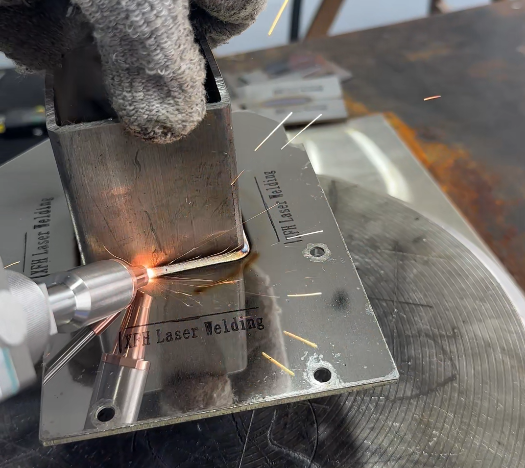
A fiber laser welding machine uses continuous wave (CW) laser technology to deliver uninterrupted laser energy during welding.
This type of machine provides:
- Continuous welding output
- Deep weld penetration
- Stable laser energy
- High-speed welding capability
- Excellent industrial performance
Fiber laser welding machines are commonly used for:
- Stainless steel welding
- Carbon steel welding
- Aluminum welding
- Thick metal fabrication
- Automated production lines
- Large-scale industrial manufacturing
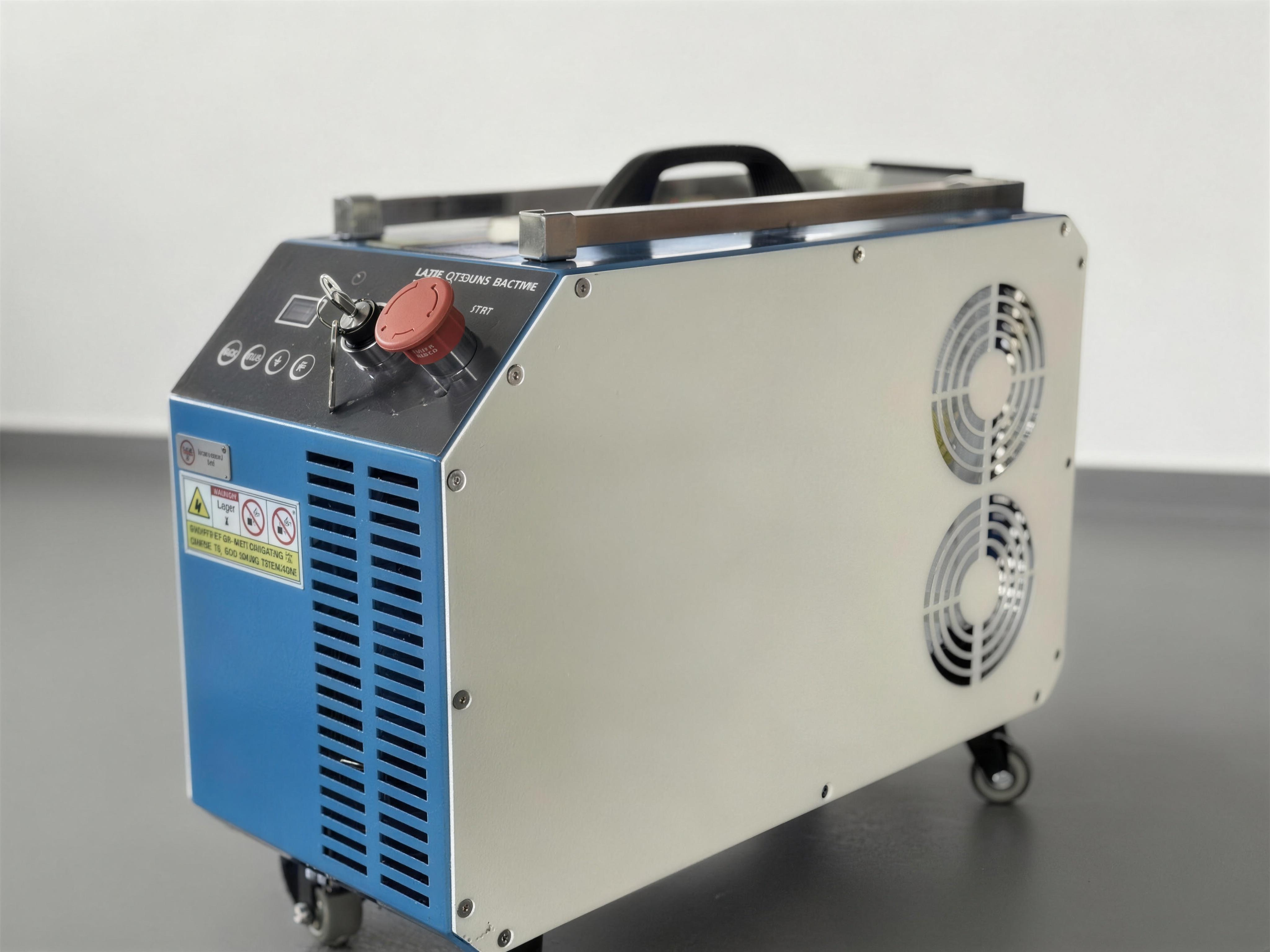
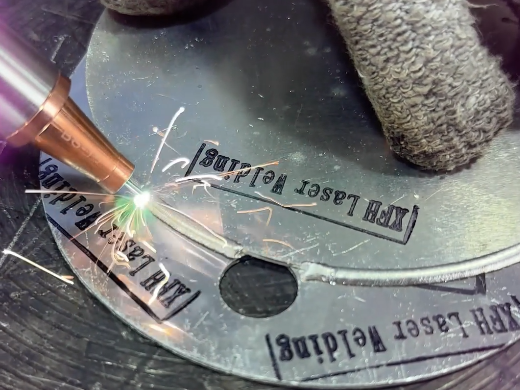
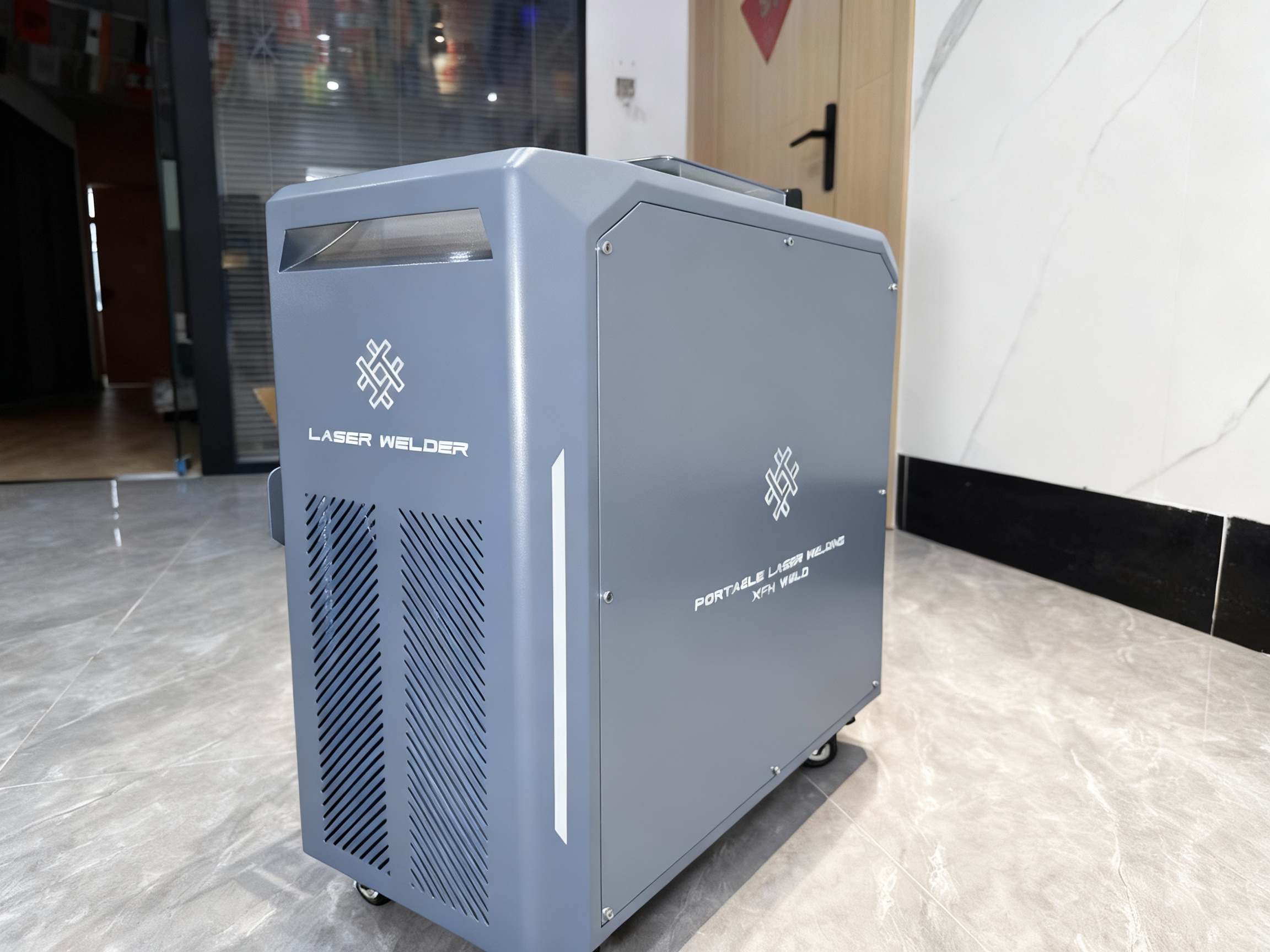
Modern handheld fiber laser welding machines are especially popular because they combine portability with industrial-grade performance.
What Is a Pulsed Laser Welding Machine?
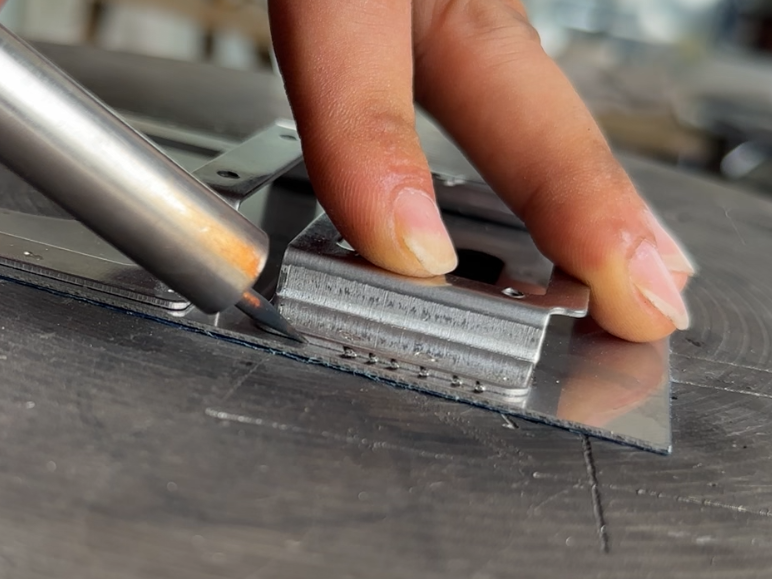
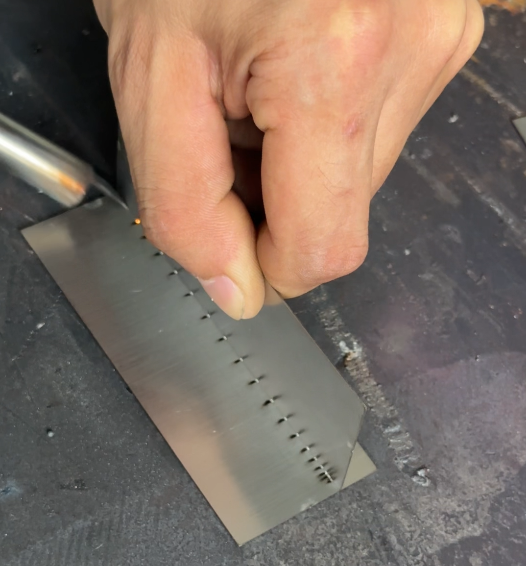
A pulsed laser welding machine uses pulsed laser technology instead of continuous laser output.
The laser releases energy in rapid pulses, allowing extremely high peak power with lower average heat input.
Pulsed laser welding machines are mainly suitable for welding thin materials ranging from:
0.1 mm to 2 mm
For thicker materials, welding strength and penetration should be confirmed through actual welding tests.
Pulsed laser welding machines are widely used in industries requiring:
- Thin sheet metal welding
- Precision welding
- Fast production efficiency
- Minimal deformation
- High-quality appearance
Working Principle of Fiber Laser Welding
Fiber laser welding machines generate a continuous laser beam through a fiber laser source.
The laser beam is transmitted through optical fiber and focused onto the material surface, producing concentrated heat energy that melts and joins the metal.
Continuous laser welding provides:
- Stable weld penetration
- Continuous seam welding
- High welding efficiency
- Deep welding capability
Because the laser beam remains continuous during welding, fiber laser welding machines are ideal for:
- Long weld seams
- Thick metal welding
- High-speed industrial production
Working Principle of Pulsed Laser Welding
Pulsed laser welding machines release laser energy in repeated pulses instead of a continuous beam.
Each pulse generates extremely high peak energy for a very short time, reducing the overall heat input to the material.
This pulsed welding process provides:
- Better heat control
- Reduced deformation
- Precise welding results
- Cleaner welding appearance
Because the material cools slightly between pulses, pulsed laser welding machines are especially suitable for:
- Thin metal materials
- Precision components
- Decorative metal fabrication
- Appearance-sensitive products
Fiber Laser Welding Machine vs Pulsed Laser Welding Machine
| Feature | Fiber Laser Welding Machine | Pulsed Laser Welding Machine |
|---|---|---|
| Laser Output | Continuous Wave | Pulsed Laser |
| Welding Thickness | 0.4–8 mm | 0.1–2 mm |
| Welding Speed | High | Extremely High for Thin Materials |
| Heat Input | Higher | Lower |
| Precision | High | Very High |
| Weld Penetration | Deep | Shallow to Medium |
| Deformation Control | Good | Excellent |
| Best For | Industrial fabrication | Thin sheet precision welding |
| Production Efficiency | Very High | Extremely High |
| Appearance Quality | Excellent | Excellent |
Welding Speed Comparison
One of the biggest advantages of pulsed laser welding machines is extremely high welding efficiency for thin sheet metal applications.
In many industries, welding speed can reach:
2–5 meters per minute
This significantly improves production efficiency compared with traditional TIG welding methods.
Pulsed laser welding machines are especially suitable for manufacturers requiring:
- Fast batch production
- Thin sheet welding
- Clean weld seams
- High-efficiency fabrication
Fiber laser welding machines also provide high welding speed, especially for thicker materials and continuous industrial welding applications.
However, for thin sheet metal industries, pulsed laser welding systems often provide better efficiency and cleaner welding results.
Suitable Industries for Fiber Laser Welding Machines
Fiber laser welding machines are widely used in:
- Heavy metal fabrication
- Industrial equipment manufacturing
- Stainless steel processing
- Automotive manufacturing
- Machinery production
- Construction equipment fabrication
- Thick metal welding industries
Because of their strong penetration capability, they are ideal for industrial production requiring continuous welding performance.
Suitable Industries for Pulsed Laser Welding Machines
Pulsed laser welding machines are especially suitable for industries focused on thin sheet metal fabrication and high production efficiency.
Common applications include:
Equipment Enclosure Manufacturing
Used for precision welding of industrial equipment shells and metal housings.
Cabinet & Electrical Box Fabrication
Suitable for thin sheet cabinet welding with clean appearance requirements.
Lighting Industry
Widely used for decorative lighting products and precision metal lamp structures.
Advertising Industry
Ideal for advertising letter welding and decorative metal fabrication.
Stiffener Welding
Suitable for welding stiffener and structural strengthening components.
Advantages of Pulsed Laser Welding Machines
Extremely Fast Welding Speed
Pulsed laser welding machines can achieve:
2–5 meters per minute welding speed
This significantly improves production efficiency.
Quick to learn and easy to adjust
Simply align the indicator red light with the weld seam; no manual technique is required.
The only parameters that need adjustment are intensity, speed, and the number of dots per stroke.
Lower Heat Deformation
The pulsed welding process minimizes thermal deformation and improves product appearance.
High Production Efficiency
Perfect for industries requiring:
- Fast production cycles
- Batch manufacturing
- Appearance-sensitive products
Cleaner Welding Results
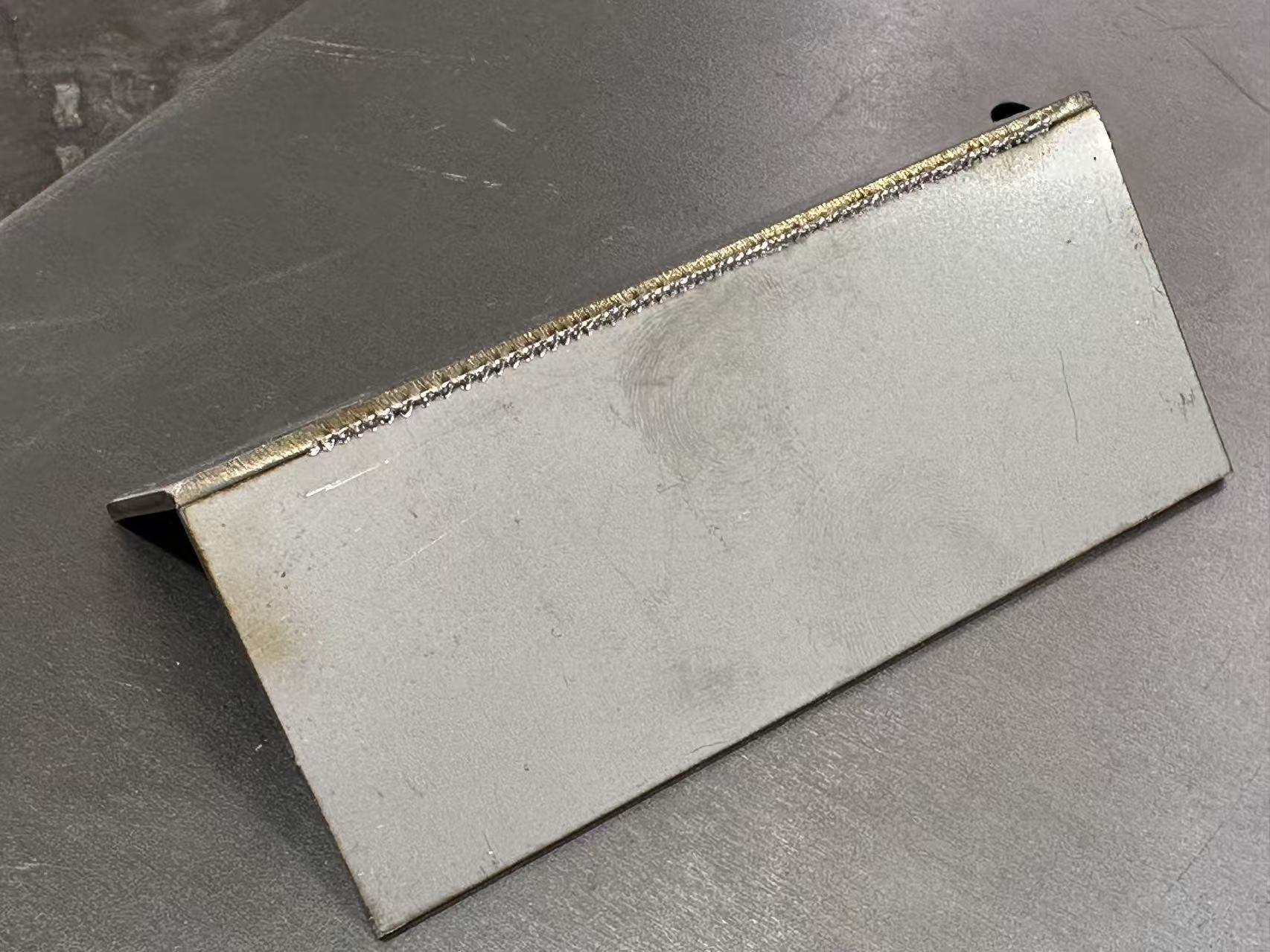
Pulsed laser welding provides smooth and visually attractive weld seams with minimal polishing requirements.
Advantages of Fiber Laser Welding Machines
Strong Weld Penetration
Suitable for thicker materials and structural welding.
Continuous Industrial Welding
Excellent for automated production lines and long continuous weld seams.
High Stability
Fiber laser welding systems provide stable industrial operation for large-scale manufacturing.
Wide Material Compatibility
Suitable for:
- Stainless steel
- Carbon steel
- Aluminum
- Galvanized steel
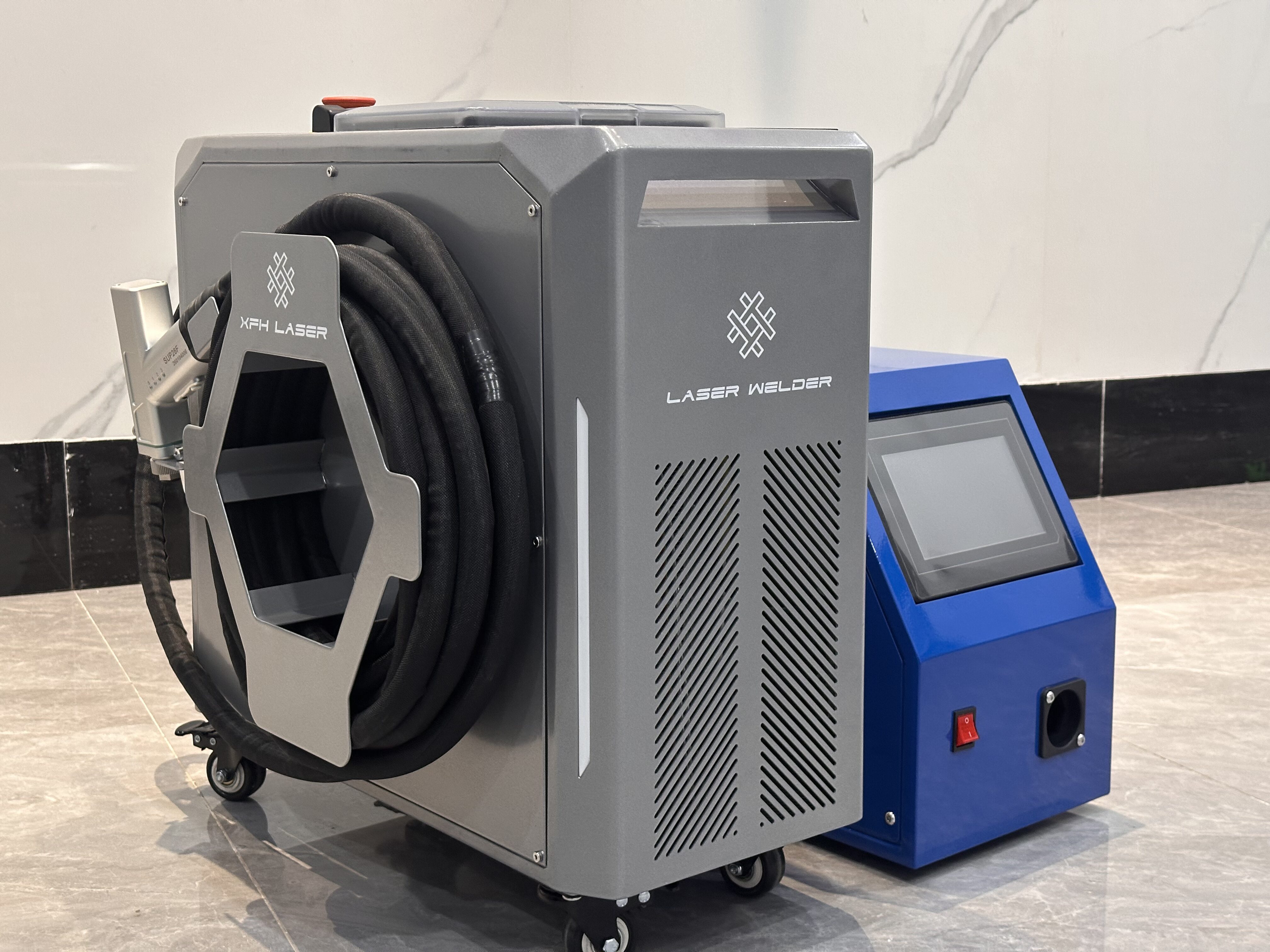
3-in-1 Multifunction Capability
Modern fiber laser welding machines can integrate:
- Laser Welding
- Laser Cutting
- Laser Cleaning
in one system.
This 3-in-1 design greatly improves production flexibility and reduces equipment costs for fabrication workshops.
Users can quickly switch between welding, cutting, and cleaning functions depending on different production requirements.
How to Choose the Right Laser Welding Machine
Choosing the correct laser welding machine depends on your production requirements.
Choose a Fiber Laser Welding Machine If You Need:
- Thick material welding
- Deep weld penetration
- Industrial structural fabrication
- Continuous seam welding
- Heavy-duty manufacturing
Choose a Pulsed Laser Welding Machine If You Need:
- Thin sheet welding
- Precision fabrication
- High-speed production
- Decorative welding
- Equipment enclosure fabrication
- Cabinet and lighting production
Future Trends in Industrial Laser Welding
As modern manufacturing continues developing, laser welding technology is moving toward:
- Higher automation
- Faster production speed
- Better welding precision
- Lower energy consumption
- More intelligent manufacturing systems
Pulsed laser welding machines are expected to grow rapidly in thin sheet metal fabrication industries because of their exceptional speed and efficiency.
Fiber laser welding machines will continue dominating heavy industrial and structural welding applications.
Conclusion
Both fiber laser welding machines and pulsed laser welding machines play important roles in modern manufacturing.
Fiber laser welding machines are ideal for:
- 0.4–8 mm
- Industrial production
- Continuous welding
- Heavy fabrication
Pulsed laser welding machines are better suited for:
- 0.1–2 mm thin sheet metal
- Precision welding
- Decorative fabrication
- High-speed production industries
For manufacturers focused on equipment enclosures, cabinets, lighting products, advertising fabrication, and reinforcement plate welding, pulsed laser welding machines provide exceptional efficiency, fast welding speed, and excellent welding appearance.
Choosing the correct laser welding technology can significantly improve production quality, efficiency, and long-term manufacturing competitiveness.
About the Author
XFH LASER Engineering Team
Our technical team specializes in fiber laser welding,
cleaning, and cutting systems with over 10 years of
industrial manufacturing experience.