Pulse Laser Cleaning Machine vs CW Laser Cleaning: 2026 Complete Guide
News 2026-05-19
Article Information
Author: XFH LASER Engineering Team
Published Date: May 19, 2026
Table of Contents
- Introduction: Why Laser Cleaning Is Growing Rapidly
- What Is a Pulse Laser Cleaning Machine?
- What Is Continuous Laser Cleaning?
- Pulse vs Continuous Laser Cleaning: Main Differences
- Cleaning Speed Comparison
- Heat Impact and Surface Protection
- Precision and Cleaning Quality
- Best Applications for Pulse Laser Cleaning Machines
- Best Applications for Continuous Laser Cleaning Machines
- Cost and ROI Analysis
- How to Choose the Right Laser Cleaning Machine
- Conclusion
1. Introduction: Why Laser Cleaning Is Growing Rapidly
Laser cleaning technology is rapidly replacing traditional industrial cleaning methods such as:
- Sandblasting
- Chemical cleaning
- Dry ice cleaning
- Mechanical grinding
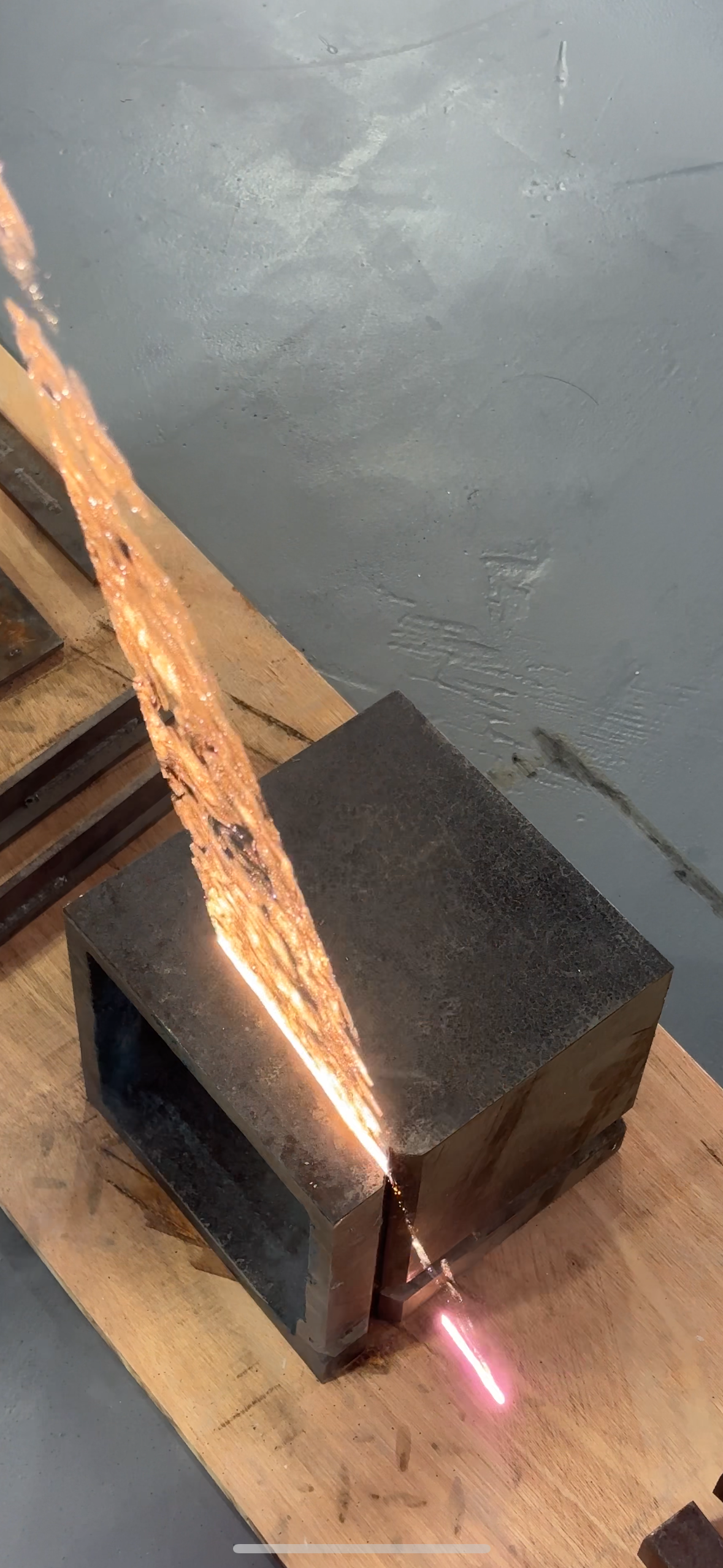
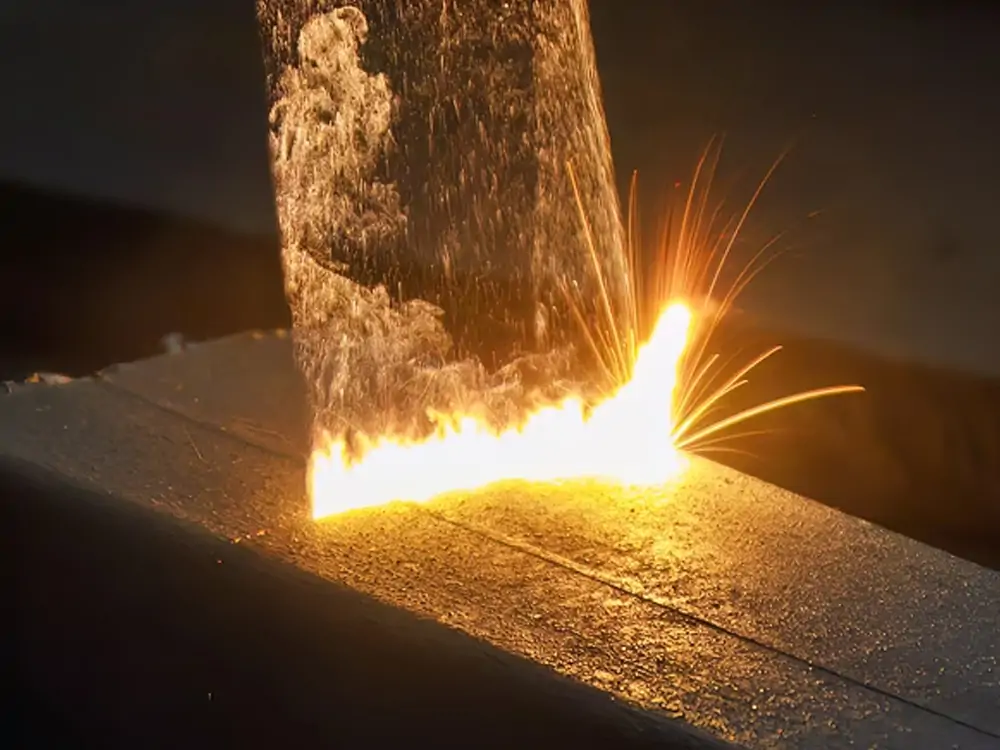
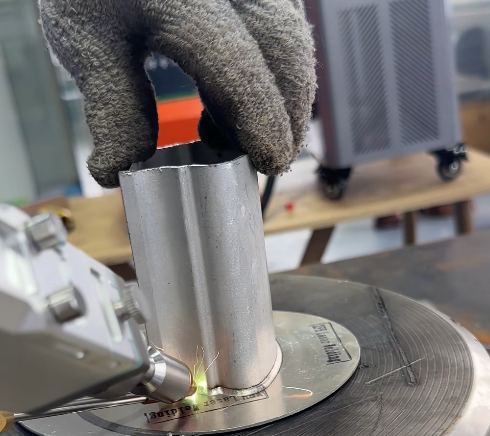
Modern laser cleaning systems provide several major advantages:
- Non-contact cleaning
- Environmentally friendly operation
- Minimal consumables
- High precision
- Reduced maintenance costs
Today, manufacturers mainly choose between two types of laser cleaning technology:
Although both systems use laser energy to remove contaminants, their working principles and ideal applications are very different.
2. What Is a Pulse Laser Cleaning Machine?
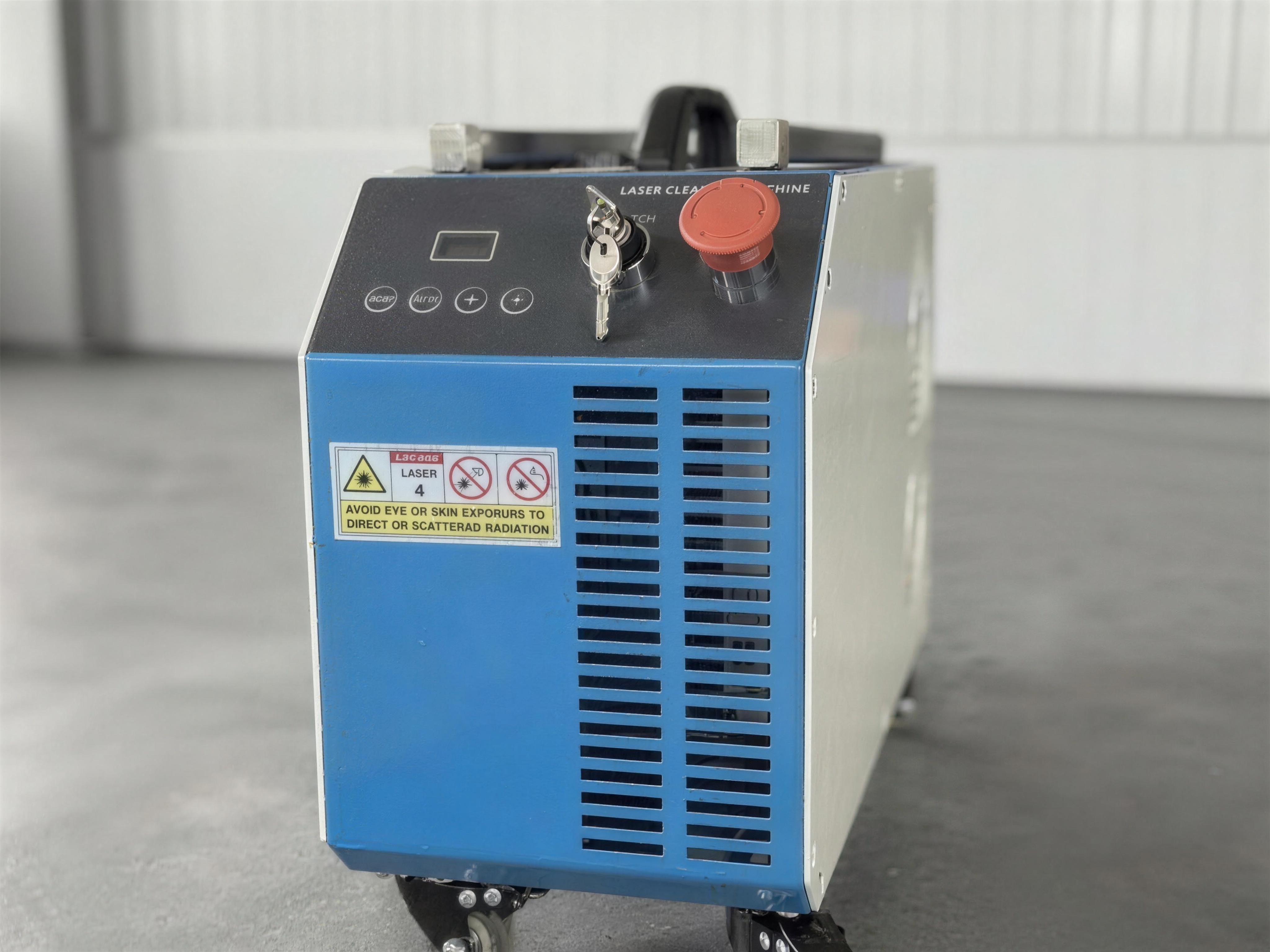
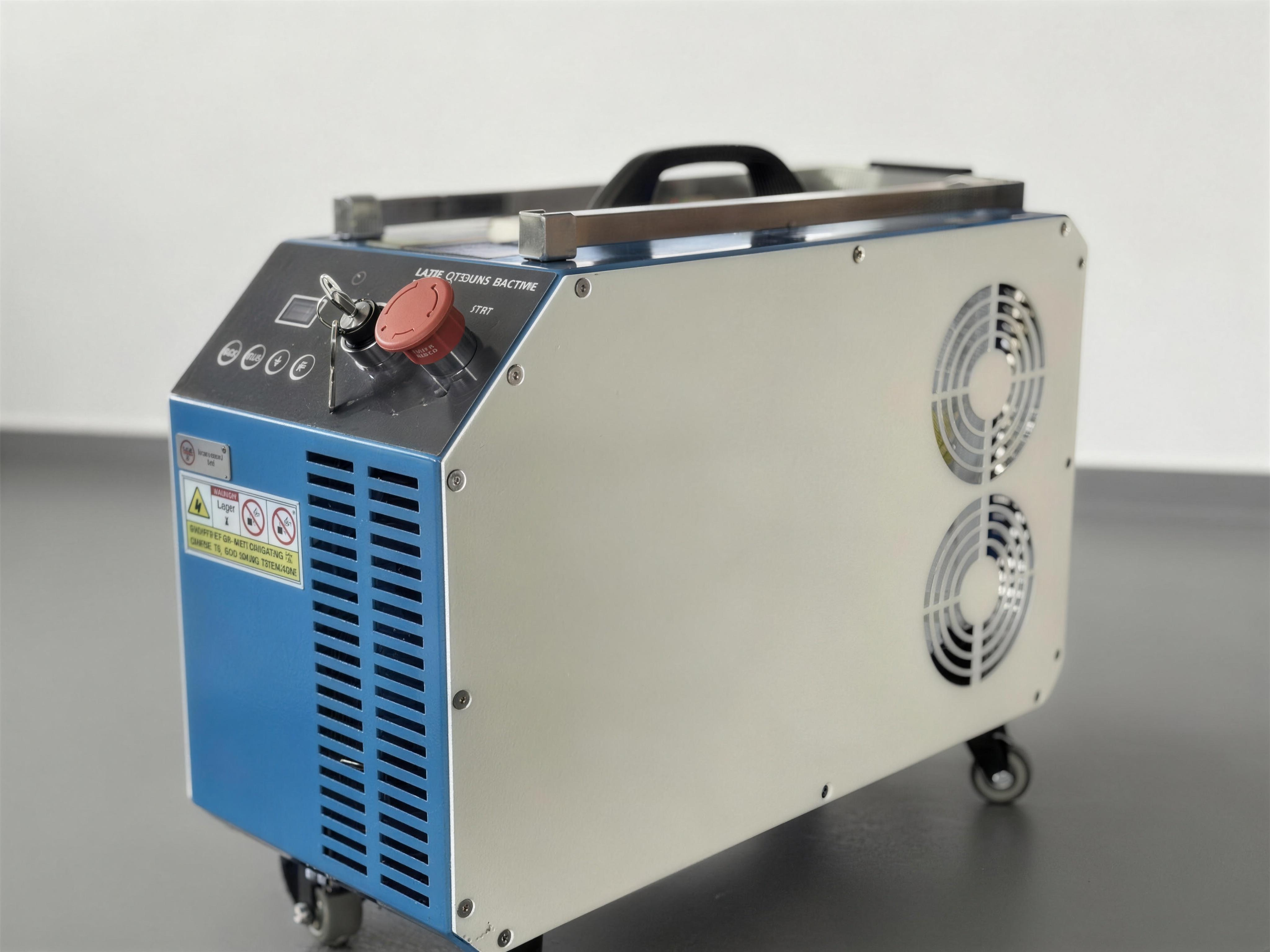
A pulse laser cleaning machine uses short-duration, high-energy laser pulses to remove rust, oxide layers, paint, grease, and other contaminants from a material surface.
Unlike continuous laser systems, pulsed lasers emit energy in extremely short bursts. This creates:
- High peak power
- Low average heat input
- Precise cleaning control
- Minimal substrate damage
Because heat accumulation is very low, pulse laser cleaning is often called “cold cleaning.”
Main Advantages of Pulse Laser Cleaning
High Precision
Pulse laser cleaning machines can remove contaminants selectively without damaging nearby material.
Low Thermal Impact
Minimal heat-affected zones reduce the risk of:
- deformation
- discoloration
- micro-melting
Better Surface Protection
This technology is ideal for sensitive or high-value surfaces.
Excellent Cleaning Quality
Pulsed systems provide controlled cleaning depth and better surface finish.
Typical Power Range
Most pulse laser cleaning machines operate between:
- 100W
- 200W
- 300W
- 500W
These systems are commonly used in precision industrial applications.
3. What Is Continuous Laser Cleaning?
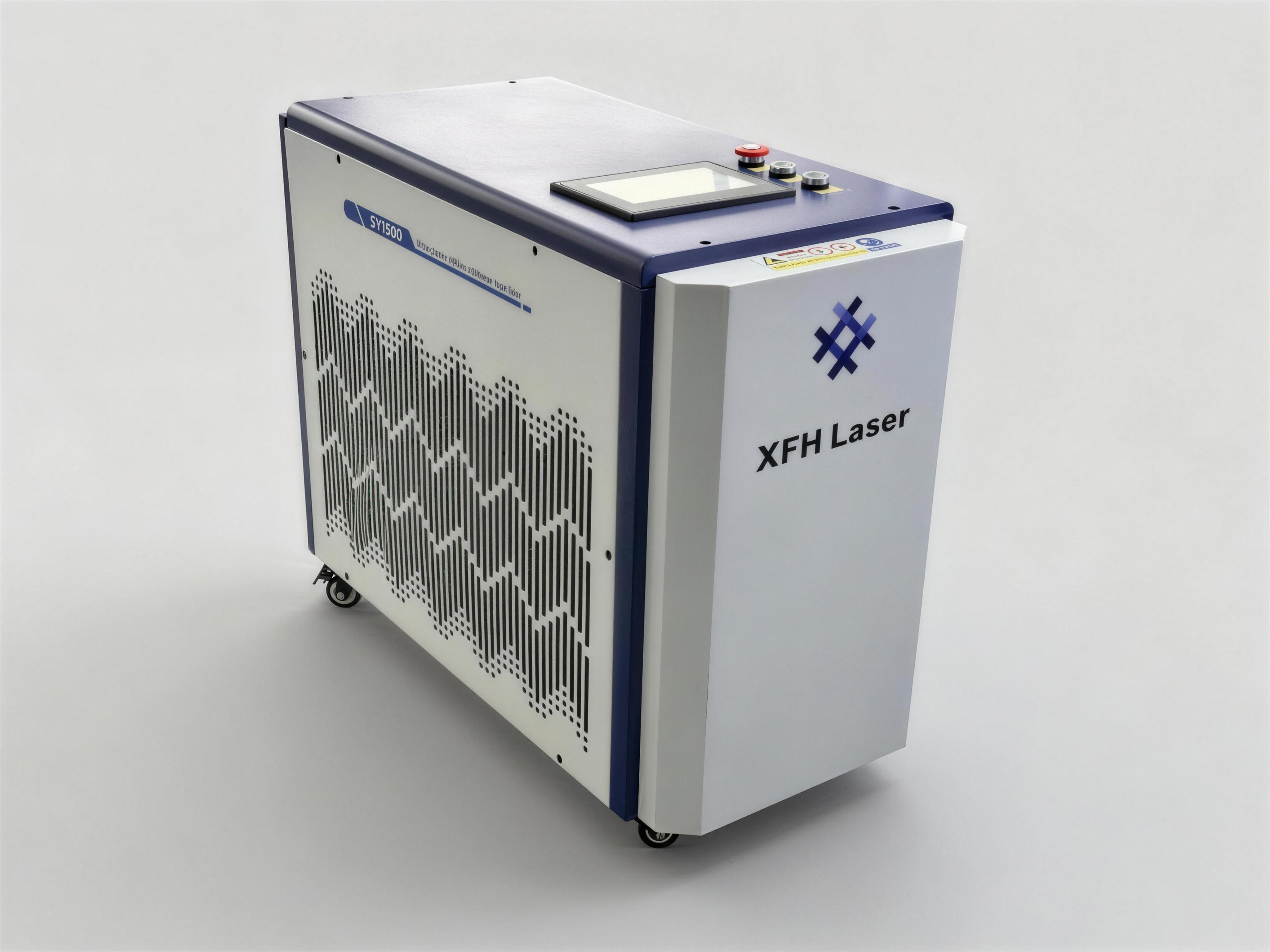
Continuous laser cleaning uses a continuous-wave laser beam that emits constant laser energy onto the surface.
Instead of short pulses, the laser continuously heats contaminants until they vaporize or detach from the material surface.
Continuous laser cleaning systems are mainly designed for:
- heavy rust removal
- large-area cleaning
- thick coating removal
- industrial surface preparation
These systems prioritize cleaning speed and industrial productivity.
Main Advantages of Continuous Laser Cleaning
Faster Cleaning Speed
Continuous laser cleaning machines can process large surfaces much faster than pulsed systems.
Higher Productivity
CW laser systems are ideal for high-volume industrial cleaning operations.
Better for Heavy Contamination
They are highly effective for:
- thick rust
- paint stripping
- industrial coatings
- large steel structures
Typical Power Range
Most continuous laser cleaning machines operate between:
- 1000W
- 1500W
- 2000W
- 3000W
These machines are commonly used in heavy industrial environments.
4. Pulse vs Continuous Laser Cleaning: Main Differences
| Feature | Pulsed Laser Cleaning | Continuous Laser Cleaning |
|---|---|---|
| Laser Output | Short pulses | Continuous beam |
| Heat Input | Low | Higher |
| Precision | Very high | Medium |
| Cleaning Speed | Medium | Very fast |
| Surface Damage Risk | Minimal | Higher |
| Best Use | Precision cleaning | Heavy-duty cleaning |
| Typical Power | 100W–500W | 1000W–3000W |
The biggest difference between the two technologies is the balance between cleaning precision and cleaning speed.
5. Cleaning Speed Comparison
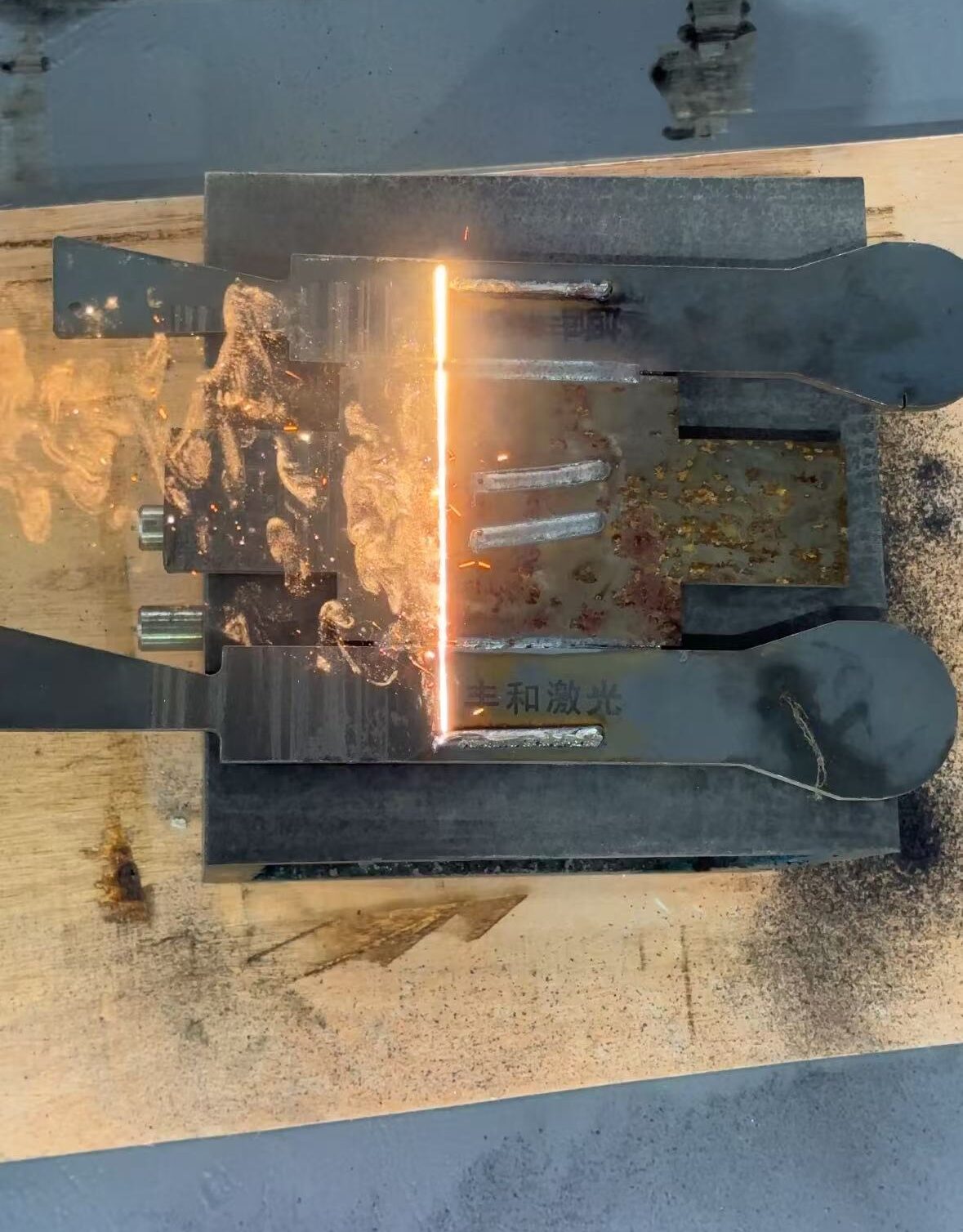
Continuous Laser Cleaning Speed
Continuous laser cleaning systems are much faster for large industrial surfaces.
Advantages include:
- rapid rust removal
- faster paint stripping
- high cleaning efficiency
- larger cleaning coverage
These systems are widely used in:
- shipyards
- steel fabrication
- pipeline maintenance
- industrial equipment refurbishment
Pulse Laser Cleaning Speed
Pulse laser cleaning machines operate more slowly but provide much greater cleaning control.
Advantages include:
- selective contaminant removal
- precise cleaning depth
- improved edge cleaning
- minimal substrate damage
For many industries, precision is more important than maximum cleaning speed.
6. Heat Impact and Surface Protection
Heat control is one of the most important differences between continuous and pulsed laser cleaning.
Pulse Laser Cleaning
Pulse laser cleaning produces:
- minimal heat accumulation
- smaller heat-affected zones
- reduced deformation risk
- improved substrate protection
This makes pulse laser cleaning ideal for:
- aerospace parts
- molds
- electronics
- precision tools
- thin metal sheets
Continuous Laser Cleaning
Continuous laser cleaning generates more heat because the laser energy is applied continuously.
Potential risks include:
- overheating
- discoloration
- micro-melting
- thin sheet deformation
However, this additional heat can also improve cleaning efficiency for heavy industrial rust and coatings.
7. Precision and Cleaning Quality
Pulse Laser Cleaning Quality
A pulse laser cleaning machine provides:
- controlled cleaning depth
- better surface finish
- high cleaning precision
- minimal material loss
This is why pulsed laser cleaning is commonly used for high-value industrial components.
Continuous Laser Cleaning Quality
Continuous laser cleaning focuses more on:
- cleaning efficiency
- large-area processing
- thick contaminant removal
Although cleaning quality remains high, continuous systems generally offer less fine control than pulsed systems.
8. Best Applications for Pulse Laser Cleaning Machines
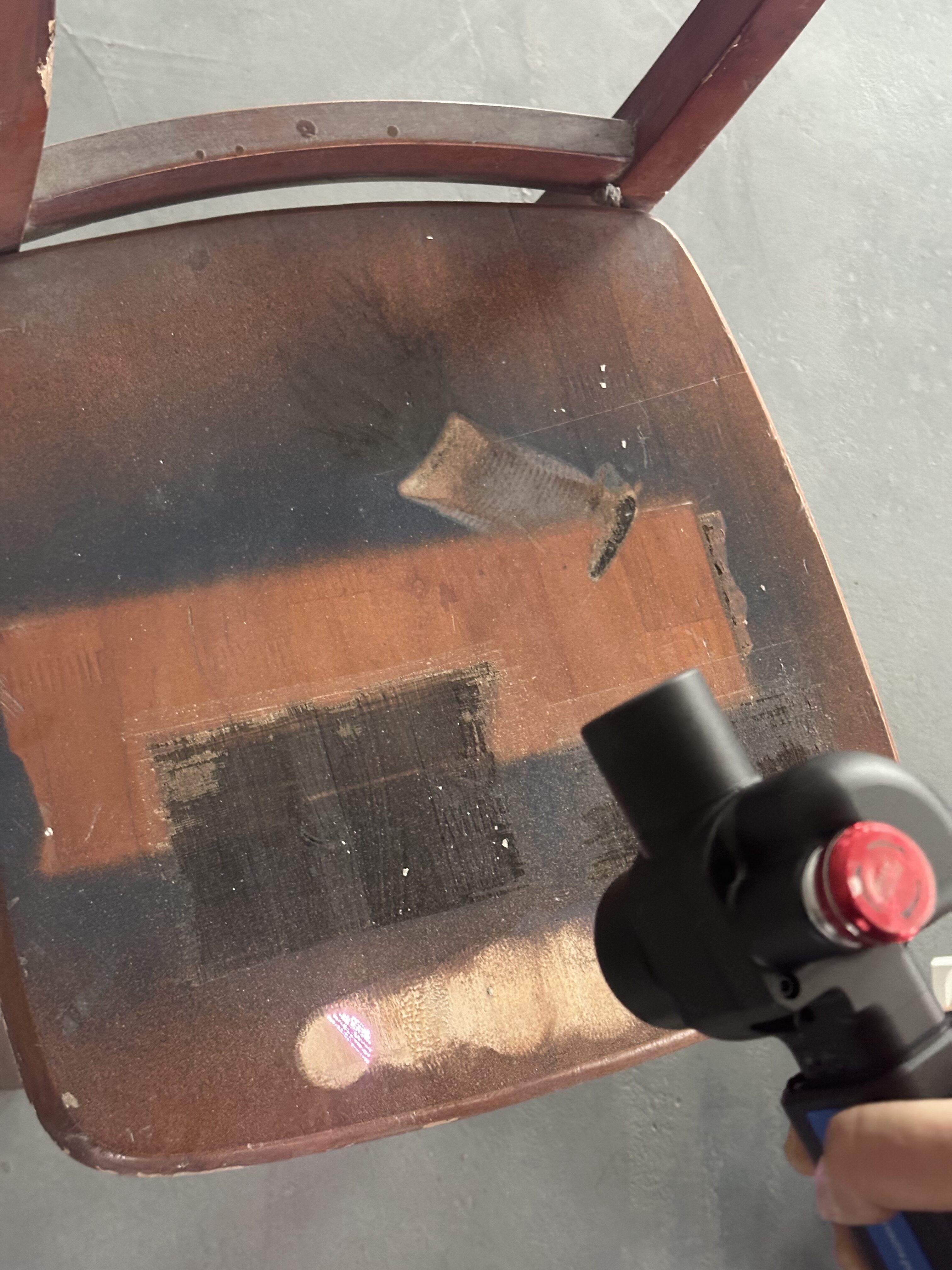
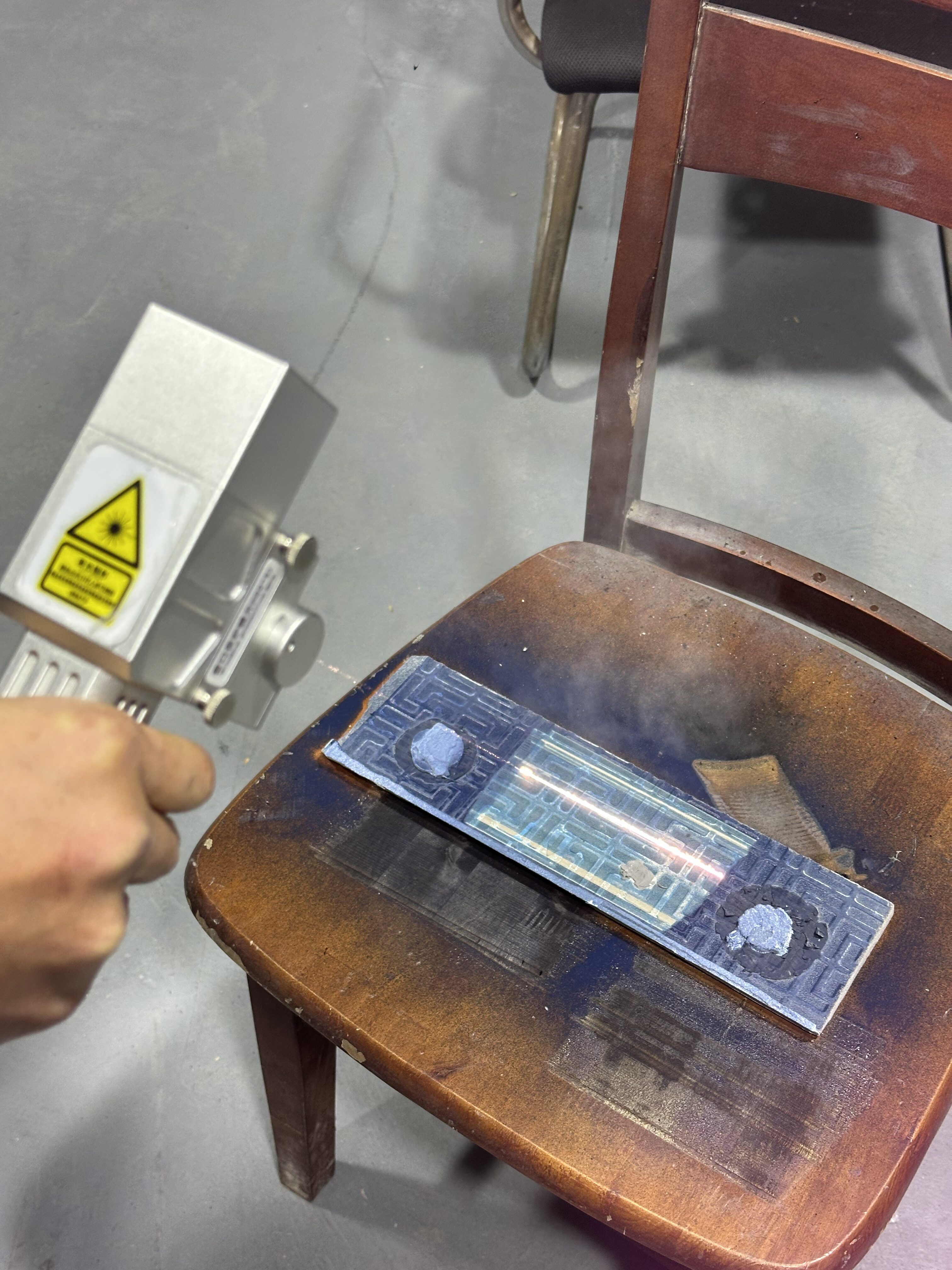
Pulse laser cleaning machines are commonly used for:
- precision mold cleaning
- weld seam cleaning
- aerospace component maintenance
- battery manufacturing
- electronics cleaning
- artifact restoration
- oxide layer removal
These industries require maximum surface protection and cleaning accuracy.
9. Best Applications for Continuous Laser Cleaning Machines
Continuous laser cleaning systems are commonly used for:
- heavy rust removal
- paint stripping
- shipyard maintenance
- steel structure cleaning
- industrial equipment refurbishment
- pre-welding surface preparation
- pipeline cleaning
These applications prioritize productivity and cleaning speed.
10. Cost and ROI Analysis
Pulse Laser Cleaning Machine Investment
Advantages:
- Better substrate protection
- Lower repair risk
- Suitable for high-value products
Challenges:
- Slower cleaning speed
- Higher cost per watt
- Smaller cleaning coverage area
Continuous Laser Cleaning Investment
Advantages:
- Faster industrial cleaning
- Lower cleaning cost for large surfaces
- Better productivity in industrial environments
Challenges:
- Higher thermal impact risk
- Less suitable for delicate materials
- Requires experienced operation in some applications
The right investment depends on balancing cleaning quality with production efficiency.
11. How to Choose the Right Laser Cleaning Machine
Choose a Pulse Laser Cleaning Machine If:
- You clean delicate surfaces
- Precision is critical
- You work with molds or electronics
- Surface protection is important
Choose Continuous Laser Cleaning If:
- You remove heavy rust or thick paint
- You clean large industrial surfaces
- Speed and productivity are priorities
- You work in heavy manufacturing environments
Some factories even combine both technologies to handle different cleaning tasks more efficiently.
12. Conclusion
Both continuous and pulsed laser cleaning technologies offer important advantages.
- Pulse laser cleaning machines provide high precision, low thermal impact, and excellent surface protection.
- Continuous laser cleaning machines deliver faster cleaning speed and stronger industrial productivity.
The best solution depends on:
- material sensitivity
- cleaning requirements
- production volume
- cleaning speed goals
- long-term ROI strategy
As industrial laser technology continues to evolve, both pulsed and continuous laser cleaning systems will remain essential solutions for modern surface treatment applications.