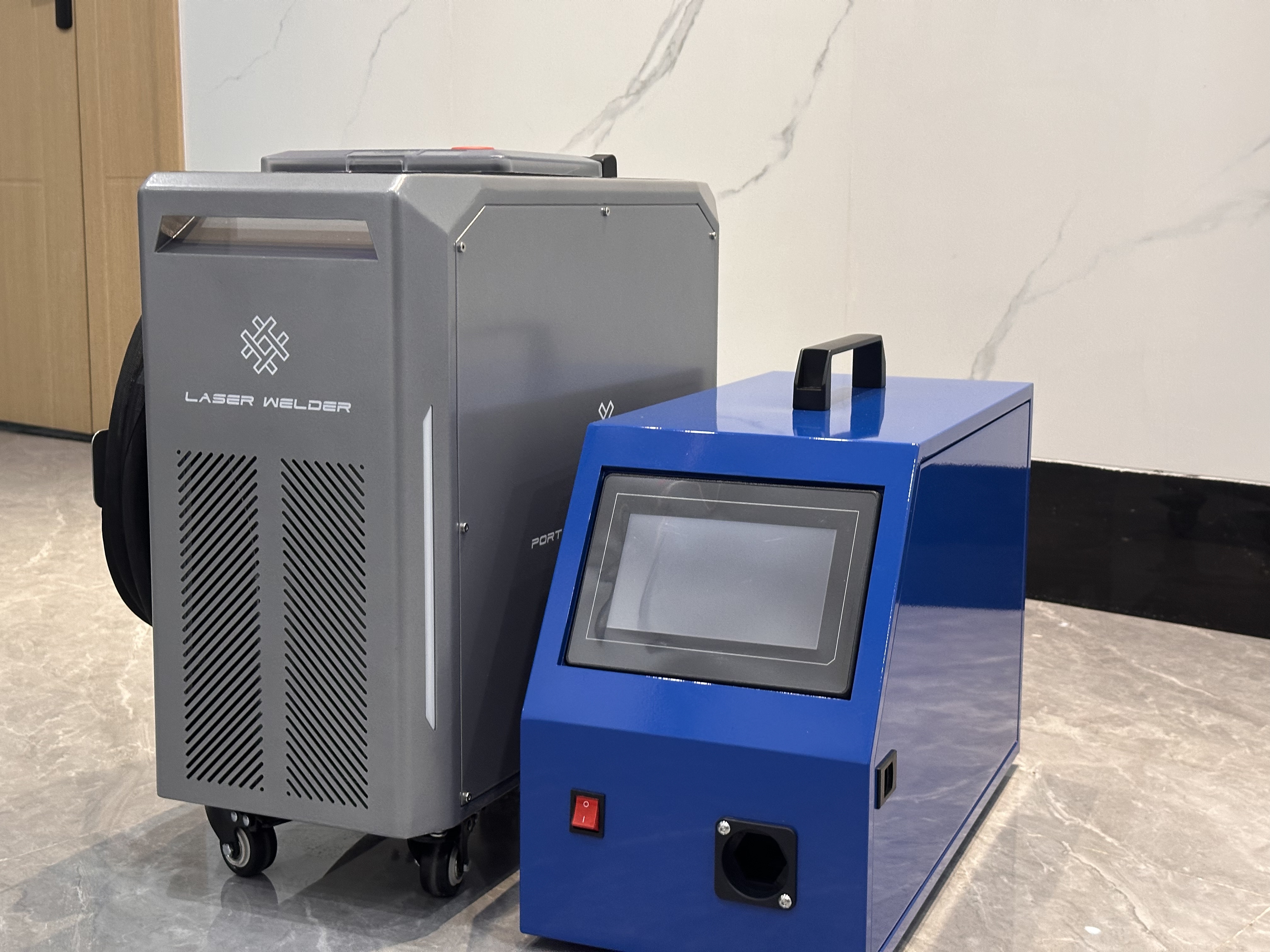
Laser Welding Aluminum: The Complete Guide to Aluminum Laser Welding Machines
News 2026-05-13
Table of Contents
- Introduction to Aluminum Laser Welding
- What Is Laser Welding Aluminum?
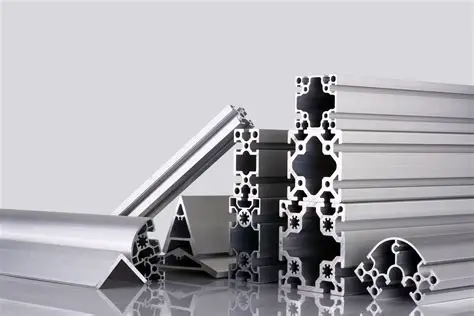
- Types of Aluminum Suitable for Laser Welding
- Best Welding Machines for Aluminum
- Handheld Laser Welder vs TIG Welding for Aluminum
- Recommended Laser Power for Aluminum Welding
- Common Problems in Aluminum Laser Welding
- How to Improve Aluminum Welding Quality
- Industries Using Aluminum Laser Welding
- Choosing the Right Aluminum Laser Welding Machine
- Future Trends in Aluminum Laser Welding
- Conclusion
Introduction to Aluminum Laser Welding
Aluminum has become one of the most widely used materials in modern manufacturing. Industries such as automotive, aerospace, kitchen equipment, electronics, construction, and metal fabrication rely heavily on aluminum because of its lightweight structure, corrosion resistance, and excellent strength-to-weight ratio.
As global manufacturing continues moving toward lightweight production and higher efficiency, laser welding aluminum has become an increasingly popular solution for industrial fabrication.
Compared with traditional welding methods, aluminum laser welding offers faster welding speed, cleaner weld seams, lower heat deformation, and better production efficiency. Modern handheld laser welding machines also make aluminum welding easier and more accessible for workshops of all sizes.
Today, many factories are replacing traditional TIG welding with handheld fiber laser welders to improve efficiency and reduce labor costs.
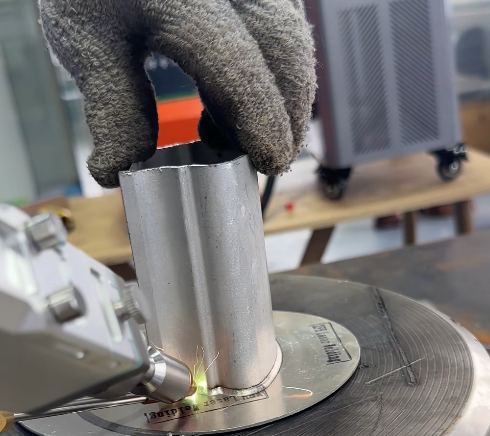
What Is Laser Welding Aluminum?
Aluminum laser welding is a welding process that uses a high-energy laser beam to melt and join aluminum materials with high precision and low heat input.
Fiber laser technology is currently the most popular method for aluminum welding because it provides:
- Stable laser output
- Deep weld penetration
- High welding speed
- Precise heat control
- Reduced deformation
Modern aluminum laser welding machines are suitable for:
- Aluminum sheet welding
- Aluminum tubing
- Thin aluminum panels
- Industrial aluminum components
- Precision metal fabrication
Handheld laser welders are especially popular because they combine portability, flexibility, and industrial-grade performance in one machine.
Types of Aluminum Suitable for Laser Welding
Many aluminum materials can be welded successfully using fiber laser welding machines.
Common aluminum series include:
1000 Series Aluminum
- High purity aluminum
- Good corrosion resistance
- Suitable for lightweight applications
3000 Series Aluminum
- Good formability
- Common in construction and decoration
5000 Series Aluminum
- Excellent corrosion resistance
- Widely used in marine and automotive industries
6000 Series Aluminum
- Strong mechanical properties
- Common in industrial manufacturing
Laser welding is especially suitable for:
- Thin aluminum sheet
- Medium-thickness aluminum plate
- Precision aluminum assemblies
- Lightweight industrial structures
Best Welding Machines for Aluminum
Handheld Fiber Laser Welders
Handheld fiber laser welding machines are currently one of the most popular welding machines for aluminum fabrication.
Advantages include:
- Portable design
- Flexible operation
- High welding efficiency
- Easy maintenance
- Lower training requirements
These machines are widely used in:
- Metal workshops
- Stainless steel fabrication
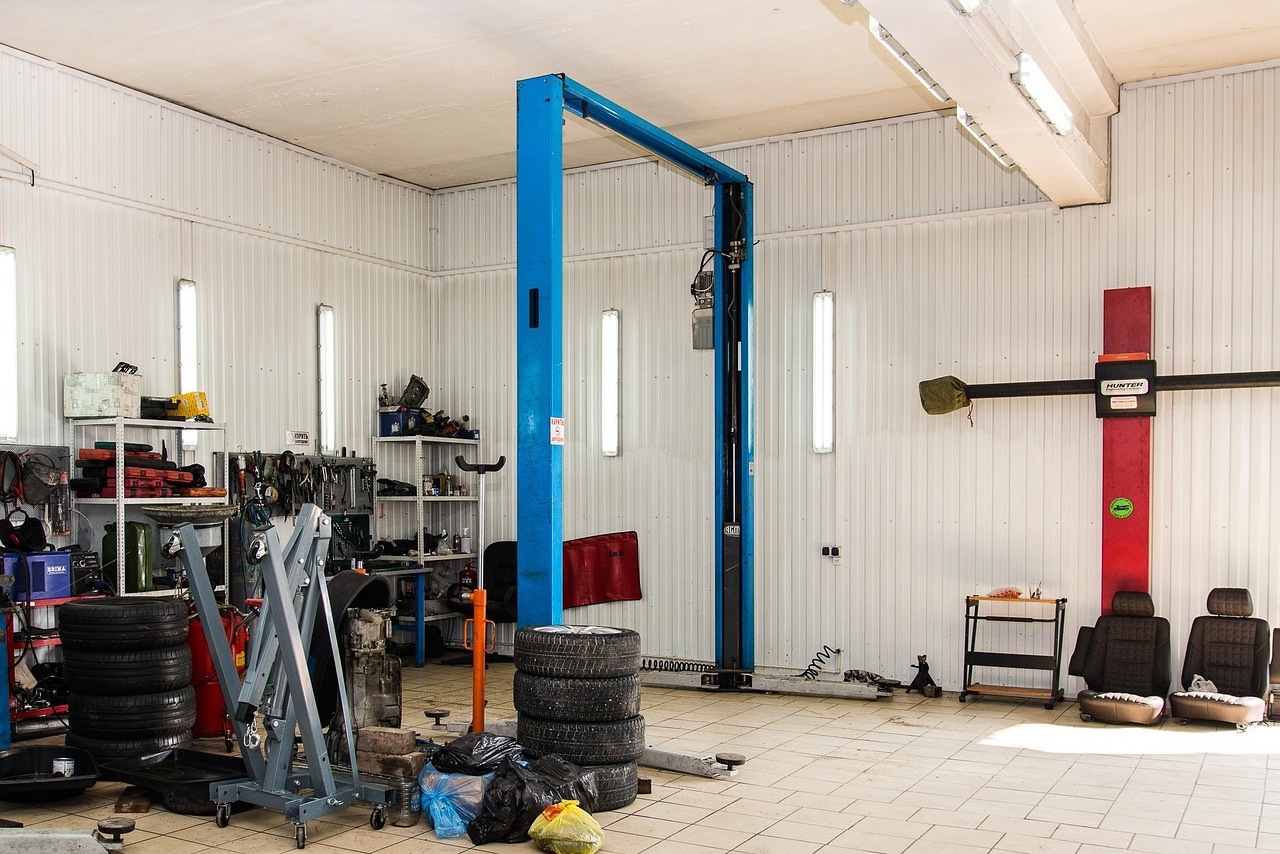
- Automotive repair
- Advertising industries
- Industrial manufacturing
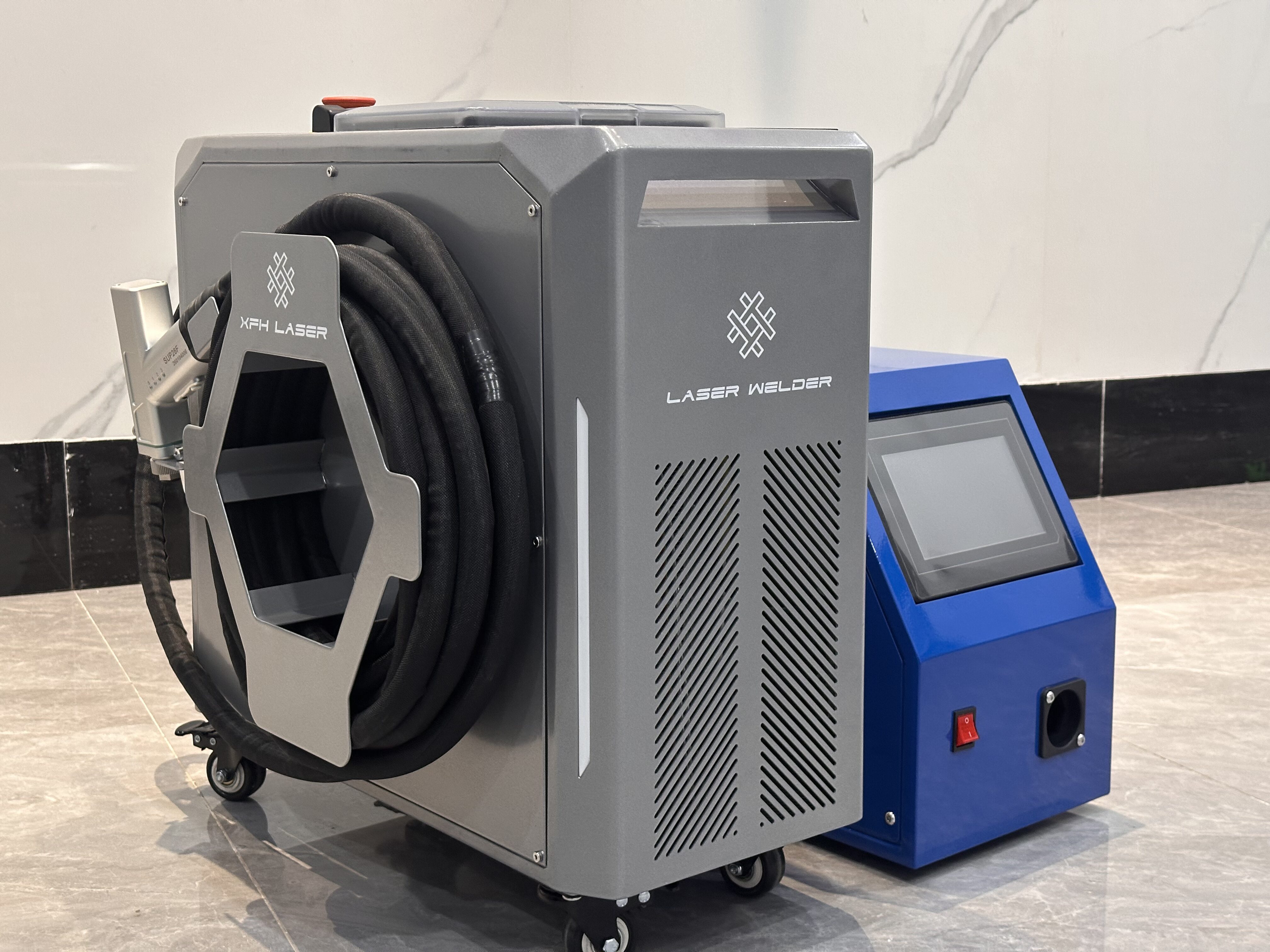
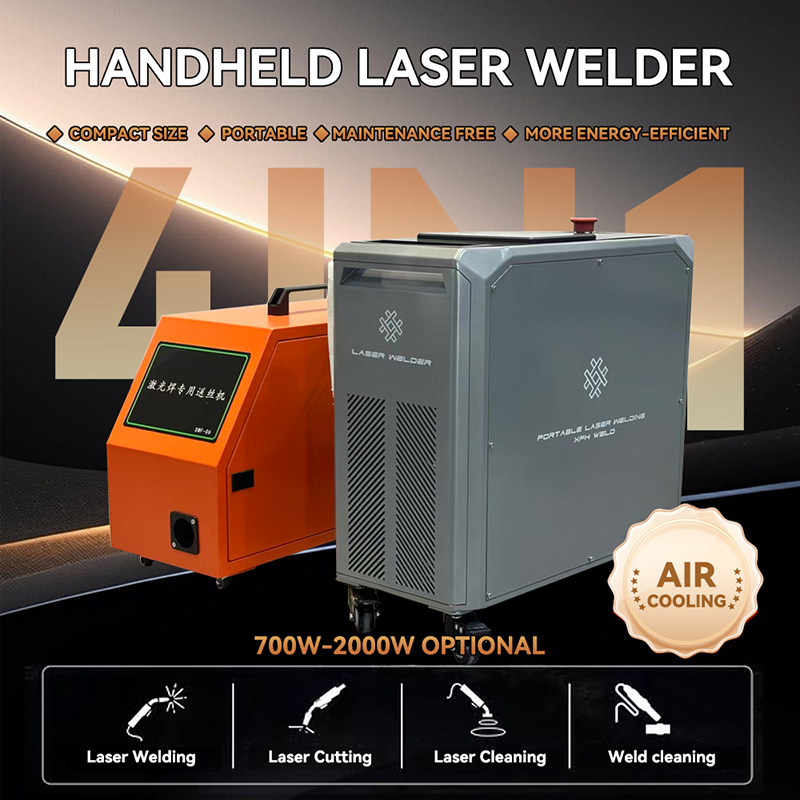
4-in-1 Laser Welding Machines
Modern 4-in-1 handheld laser welders combine:
- Laser welding
- Metal cutting
- Rust removal
- Weld seam cleaning
This multifunctional design improves workshop efficiency and reduces equipment costs.
For aluminum fabrication companies, 4-in-1 laser welding machines provide excellent flexibility.
Automated Aluminum Laser Welding Systems
Large factories often use automated robotic laser welding systems for high-volume production.
These systems offer:
- Consistent welding quality
- Higher production speed
- Reduced labor requirements
- Automated precision welding
They are commonly used in automotive and aerospace manufacturing.
Handheld Laser Welder vs TIG Welding for Aluminum
Welding Speed
Handheld laser welders are significantly faster than TIG welding, making them more suitable for high-efficiency production environments.
Heat Input
Laser welding generates lower heat input, reducing material deformation and improving weld quality.
Ease of Operation
TIG welding requires experienced welders, while handheld laser welding machines are easier to learn and operate.
Post-Processing
Laser welding usually requires less grinding and polishing due to cleaner weld seams.
Production Efficiency
For workshops focused on productivity and labor savings, handheld fiber laser welders provide a major advantage over traditional welding methods.
Recommended Laser Power for Aluminum Welding
Different aluminum thicknesses require different laser power levels.
700W Laser Welder
Suitable for:
- Thin aluminum sheet
- Lightweight fabrication
- Small workshop applications
1200W–1500W Handheld Laser Welders
Suitable for:
- General aluminum fabrication
- Medium-thickness materials
- Most industrial applications
2000W–3000W Fiber Laser Welders
Suitable for:
- Thick aluminum materials
- Heavy industrial welding
- Continuous production environments
Choosing the correct laser power improves welding stability and overall production quality.
Common Problems in Aluminum Laser Welding
Porosity
Improper shielding gas or contaminated surfaces may cause porosity in aluminum welds.
Weak Penetration
Incorrect welding speed or insufficient power may reduce weld strength.
Surface Contamination
Oil, oxidation, and dirt can affect welding quality.
Proper material preparation is important before aluminum laser welding.
How to Improve Aluminum Welding Quality
Clean the Material Surface
Remove oil, dust, and oxide layers before welding.
Use Stable Welding Parameters
Correct settings for power, speed, and focal position improve weld consistency.
Choose Reliable Shielding Gas
Argon is commonly used for aluminum laser welding because it provides stable weld protection.
Use High-Quality Components
Stable laser sources, reliable welding guns, and professional cooling systems improve long-term machine performance.
Operator Training
Basic training helps operators achieve better welding consistency and efficiency.
Industries Using Aluminum Laser Welding
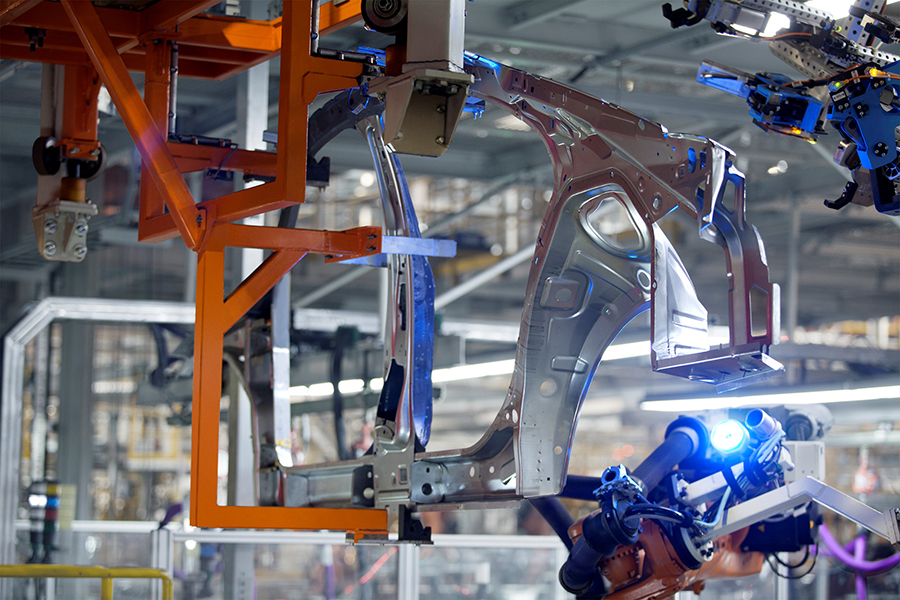
Automotive Manufacturing
Used for lightweight vehicle components and aluminum structural parts.
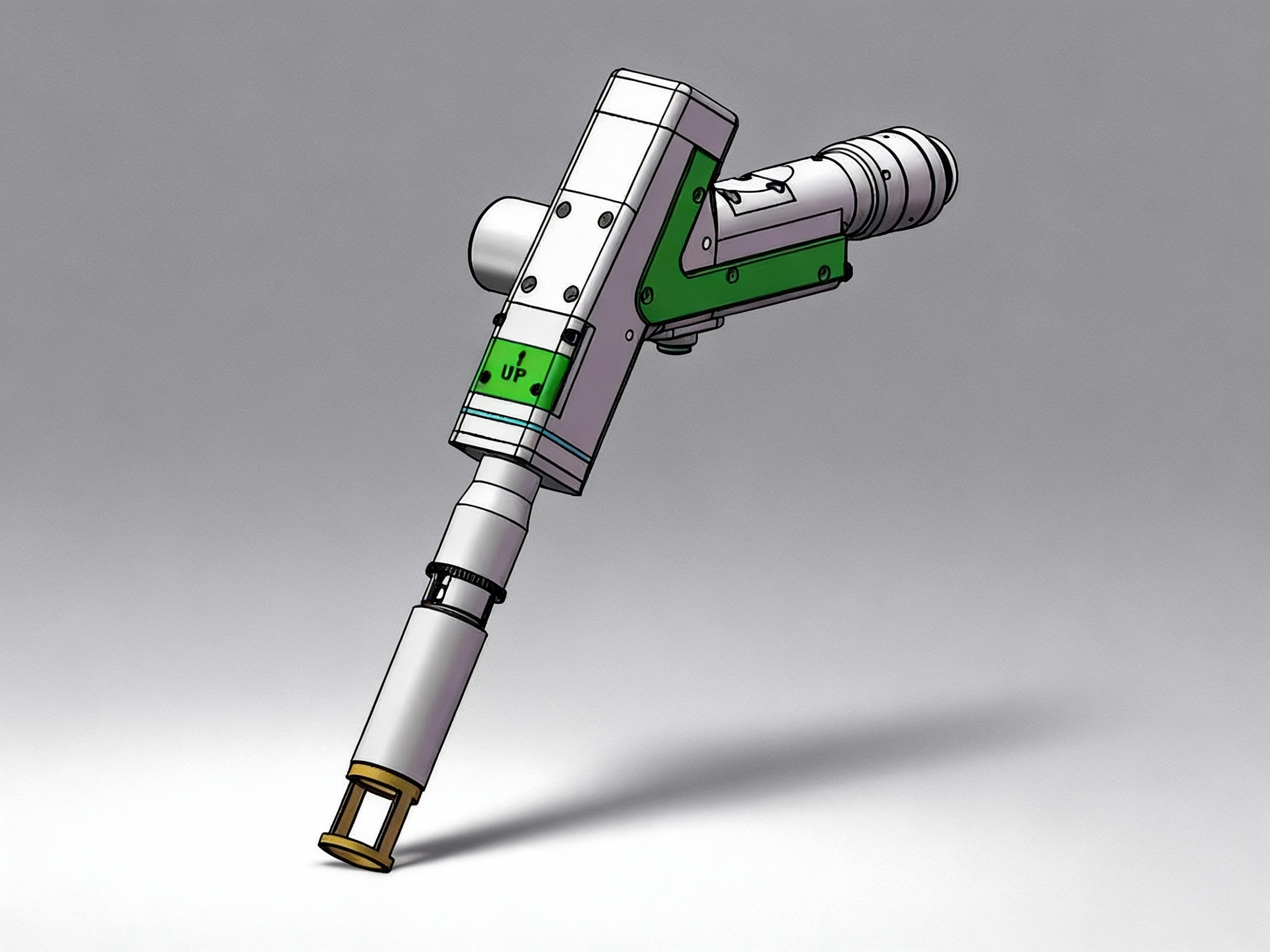
Therefore, we have a professional lithium battery laser welding machine with five-in-one functions.
Aerospace Industry
Precision aluminum welding is widely used in aircraft manufacturing.
Kitchen Equipment Manufacturing
Laser welding improves efficiency and surface quality for stainless steel and aluminum products.
Electronics Industry
Used for precision enclosures and lightweight electronic structures.
HVAC Manufacturing
Aluminum laser welding is commonly used for ventilation systems and ducting production.
Choosing the Right Aluminum Laser Welding Machine
When selecting an aluminum laser welding machine, manufacturers should consider:
Machine Stability
Stable equipment improves long-term production efficiency.
Laser Source Quality
Reliable fiber laser sources provide consistent welding performance.
Cooling System Performance
Efficient cooling systems improve machine lifespan and continuous operation capability.
After-Sales Support
Professional technical support and spare parts service are important for industrial users.
OEM & Customization
Many manufacturers require custom voltage, branding, and machine configurations.
Future Trends in Aluminum Laser Welding
As lightweight manufacturing continues growing, aluminum laser welding technology will become even more important in global industry.
Future trends include:
- More portable handheld laser welders
- Higher welding automation
- Smart manufacturing integration
- Faster production systems
- Improved energy efficiency
The rapid growth of electric vehicles and precision manufacturing will continue increasing demand for aluminum laser welding machines.
Conclusion
Laser welding aluminum has become one of the most efficient and advanced welding methods in modern manufacturing.
Compared with traditional welding processes, handheld fiber laser welders provide:
- Faster welding speed
- Cleaner weld seams
- Lower deformation
- Easier operation
- Higher production efficiency
From automotive manufacturing to industrial fabrication, aluminum laser welding machines are helping companies improve quality while reducing labor costs.
As portable laser welding technology continues developing, more manufacturers worldwide are adopting handheld laser welding machines for aluminum applications.