Handheld vs. Robotic Laser Welding: Which Setup Is Right for Your Production Line?
News 2026-05-18
Article Information
Author: XFH LASER Engineering Team
Published Date: May 18, 2026
Table of Contents
- Introduction: The Evolution of Laser Welding
- What Is Handheld Laser Welding?
- What Is Robotic Laser Welding?
- Handheld vs. Robotic Laser Welding: Core Differences
- Production Efficiency Comparison
- Welding Precision and Quality Stability
- Flexibility vs Automation
- Cost and ROI Analysis
- Best Industries for Handheld Laser Welding
- Best Industries for Robotic Laser Welding
- Labor and Training Requirements
- Which Laser Welding Setup Should You Choose?
- Conclusion
1. Introduction: The Evolution of Laser Welding
Laser welding has become one of the most important technologies in modern metal fabrication. Compared with traditional TIG and MIG welding, laser welding provides:
- Faster welding speed
- Lower heat deformation
- Cleaner weld seams
- Higher precision
- Improved production efficiency
As manufacturing automation continues to grow, companies now face an important decision:
Should they choose a flexible handheld laser welding machine or invest in a fully automated Robotic Laser Welding system?
Both solutions use advanced fiber laser technology, but they are designed for very different production environments.
2. What Is Handheld Laser Welding?
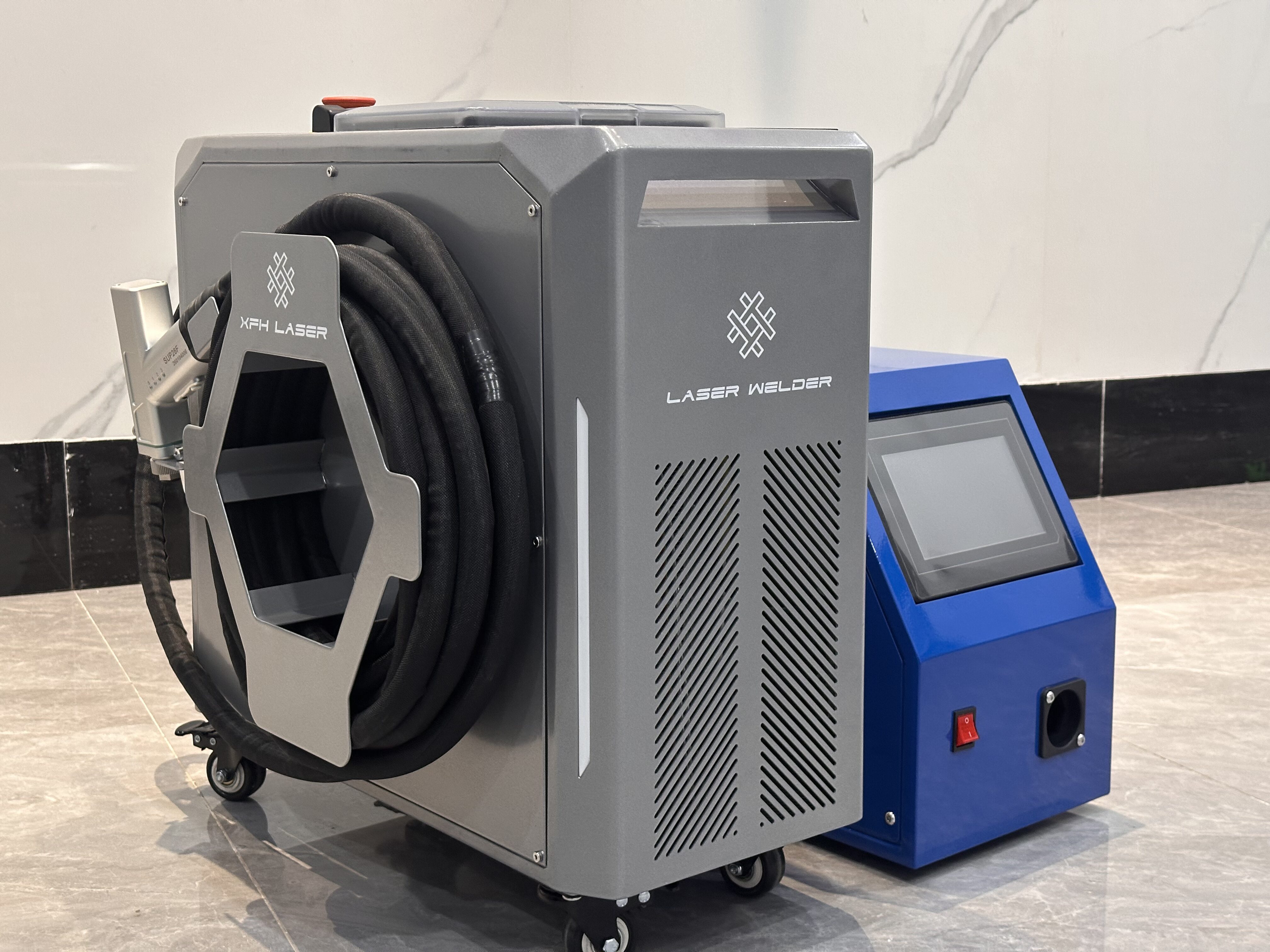
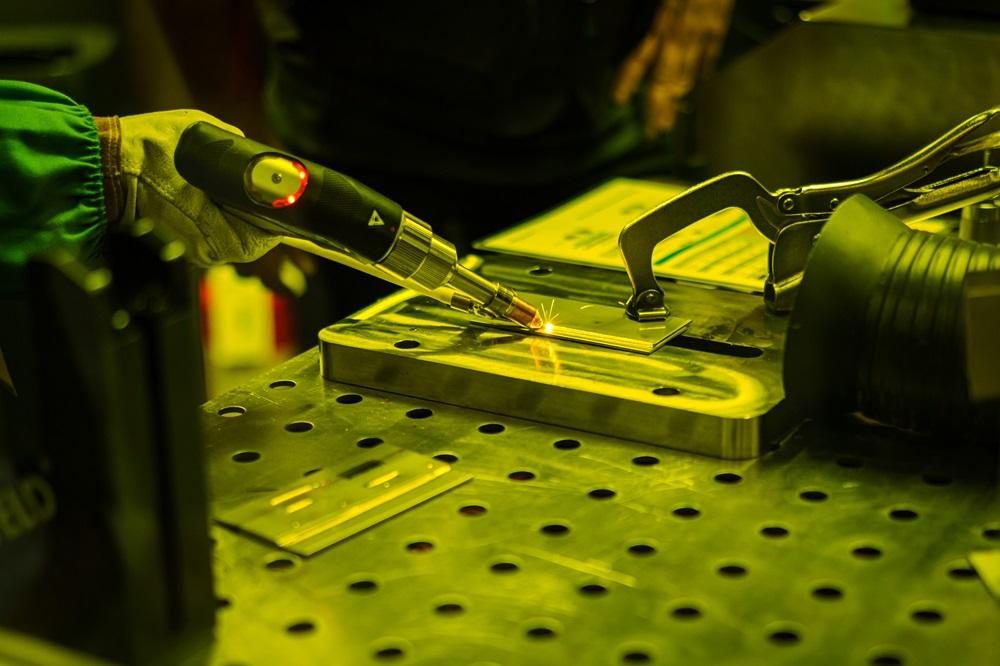
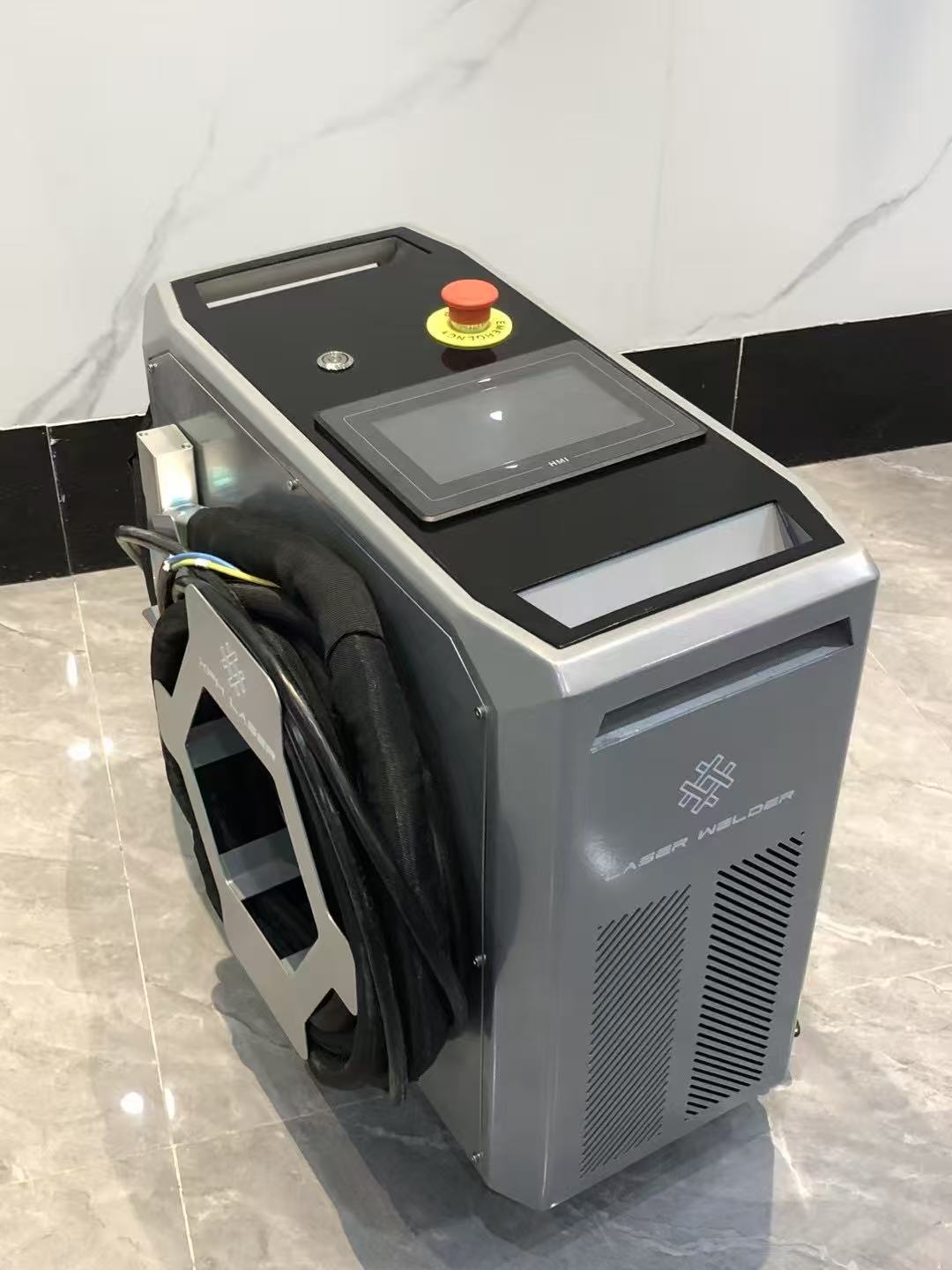
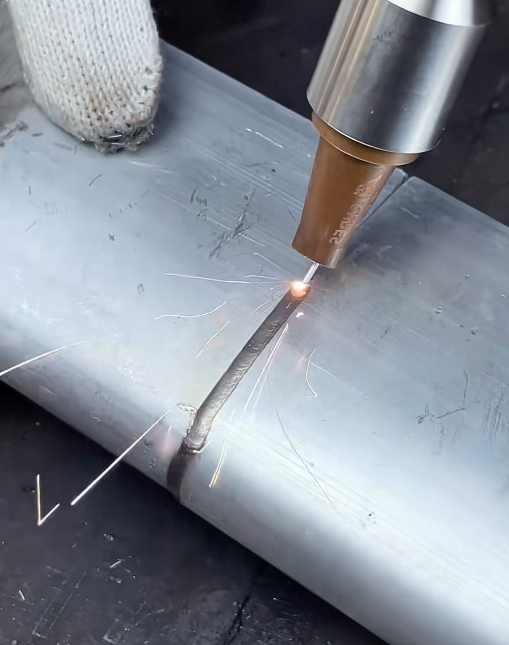
A handheld laser welding machine is a portable welding system operated manually by a technician using a handheld welding gun.
This type of system is designed for:
- Flexible welding applications
- Small and medium batch production
- Customized metal fabrication
- Repair and maintenance work
Modern handheld laser welding machines are increasingly popular because they are:
- Easy to operate
- Faster than TIG welding
- Suitable for multiple metal materials
- Compact and portable
Many handheld systems also integrate additional functions such as:
- Laser cleaning
- Laser cutting
- Surface treatment
This multifunctional design has made handheld laser welding widely used in workshops and light industrial production.
3. What Is Robotic Laser Welding?
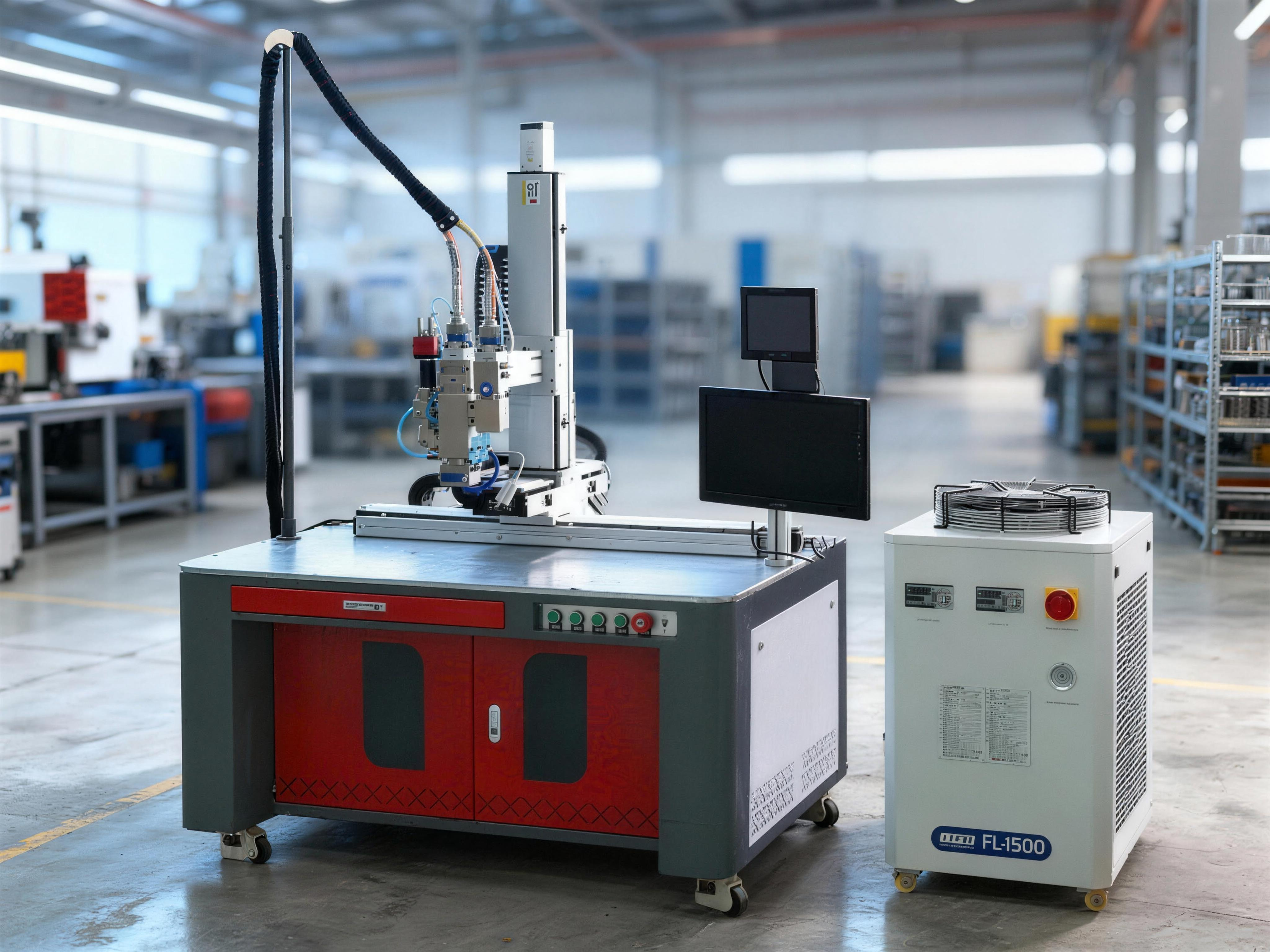
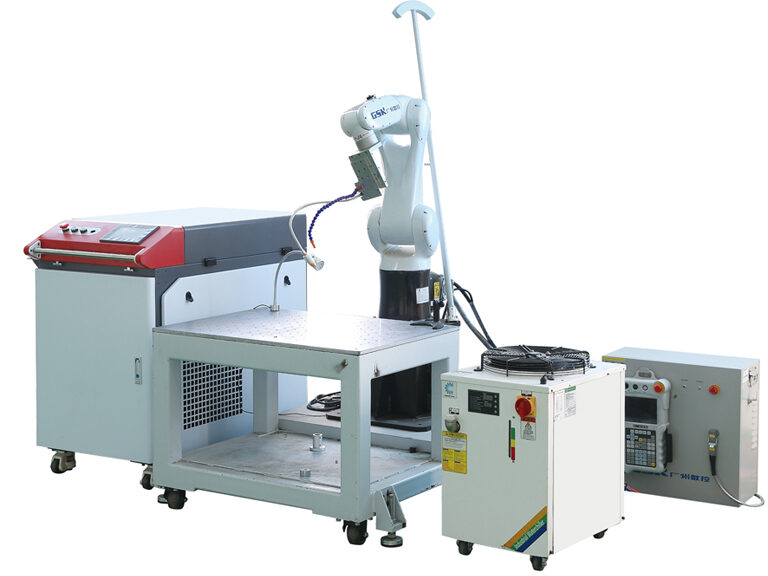
Robotic Laser Welding combines industrial robots with high-power fiber laser systems to achieve fully automated welding processes.
A robotic laser welding system typically includes:
- Industrial robotic arms
- Fiber laser source
- Welding control software
- Intelligent motion systems
- Automated positioning fixtures
- Vision tracking and sensors
Unlike handheld welding, robotic systems follow programmed welding paths with extremely high repeatability.
These systems are designed for:
- Mass production
- 24/7 automated manufacturing
- High-speed welding
- Precision industrial applications
Today, robotic laser welding plays a major role in smart factories and Industry 4.0 manufacturing systems.
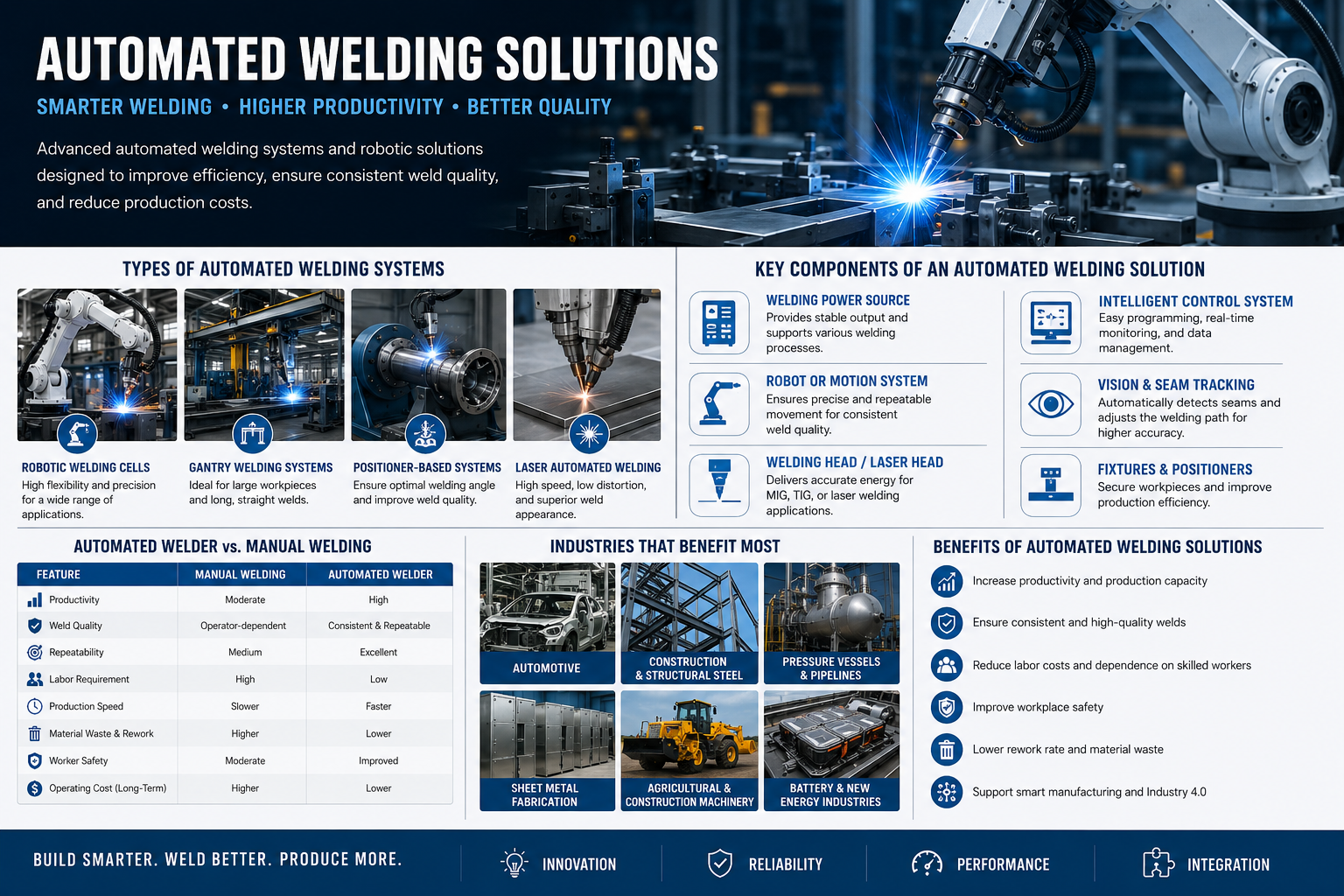
4. Handheld vs. Robotic Laser Welding: Core Differences
| Feature | Handheld Laser Welding | Robotic Laser Welding |
|---|---|---|
| Operation | Manual | Fully automated |
| Flexibility | Very high | Medium |
| Production Volume | Small to medium | Large-scale |
| Setup Time | Fast | Longer |
| Welding Consistency | Operator dependent | Extremely stable |
| Investment Cost | Lower | Higher |
| Programming Needed | No | Yes |
| Best Use | Custom jobs | Mass production |
The biggest difference between the two systems is flexibility versus automation.
5. Production Efficiency Comparison
Production efficiency is one of the main reasons manufacturers invest in laser welding technology.
Handheld Laser Welding Efficiency
Advantages:
- Quick setup
- Fast product switching
- Excellent for customized work
- No complicated programming required
Limitations:
- Limited by operator speed
- Operator fatigue affects productivity
- Less suitable for continuous production
Robotic Laser Welding Efficiency
Advantages:
- Continuous 24/7 operation
- Extremely stable welding speed
- High production output
- Minimal production interruption
Limitations:
- Longer setup and programming time
- Less flexible for constantly changing products
For high-volume manufacturing, robotic laser welding systems generally achieve much higher productivity.
6. Welding Precision and Quality Stability
Both handheld and robotic laser welding can produce excellent weld quality, but stability differs significantly.
Handheld Laser Welding
- High-quality welds possible
- Precision depends on operator skill
- Better for flexible craftsmanship and repair work
Robotic Laser Welding
- Consistent welding quality
- Precise repeatable welding paths
- Minimal human error
- Better dimensional accuracy
Industries requiring strict quality control often prefer robotic laser welding systems because of their repeatability.
7. Flexibility vs Automation
One of the strongest advantages of handheld laser welding is flexibility.
Advantages of Handheld Systems
- Easy to weld irregular parts
- Fast switching between projects
- Ideal for repair and maintenance
- No complex fixture requirements
Advantages of Robotic Systems
- Seamless integration into automated production lines
- Intelligent seam tracking capability
- Stable high-speed production
- Better compatibility with smart factory systems
Manufacturers producing customized products often benefit more from handheld systems, while large-scale factories typically prefer automation.
8. Cost and ROI Analysis
Handheld Laser Welding Investment
Advantages:
- Lower initial investment
- Lower installation cost
- Minimal automation requirements
- Faster ROI for small businesses
Challenges:
- Higher long-term labor costs
- Limited scalability
Robotic Laser Welding Investment
Advantages:
- Reduced labor dependency
- Higher long-term productivity
- Better scalability for industrial growth
Challenges:
- Higher equipment cost
- Requires engineering integration
- Programming and fixture costs increase investment
Although robotic systems require larger initial investment, they often provide stronger ROI in large-scale manufacturing environments.
9. Best Industries for Handheld Laser Welding
Handheld laser welding is widely used in:
- Sheet metal fabrication
- Kitchen equipment manufacturing
- Stainless steel products
- Metal furniture production
- Decorative metal processing
- Door and window fabrication
- Maintenance and repair services
These industries require flexibility and rapid job changes.
10. Best Industries for Robotic Laser Welding
Robotic laser welding systems are commonly used in:
- Automotive manufacturing
- Aerospace industry
- Battery and new energy production
- Medical equipment manufacturing
- Electronics and precision components
- Heavy industrial equipment production
These industries prioritize automation, consistency, and large-scale output.
11. Labor and Training Requirements
Handheld Laser Welding
- Short learning curve
- Easy for beginners
- Requires more operator involvement
Robotic Laser Welding
- Requires automation engineers and programmers
- Higher technical training requirements
- Lower manual labor during production
As labor costs rise globally, many factories are increasingly investing in automated robotic welding solutions.
12. Which Laser Welding Setup Should You Choose?
Choose Handheld Laser Welding If:
- You produce customized products
- Production volume is moderate
- You need flexible operation
- Budget is limited
Choose Robotic Laser Welding If:
- You run high-volume production lines
- Product designs are standardized
- Automation and efficiency are priorities
- You plan long-term smart factory upgrades
In many modern factories, the best solution is actually a combination of both systems.
13. Conclusion
Both handheld and Robotic Laser Welding systems have become essential technologies in modern manufacturing.
- Handheld laser welding offers flexibility, portability, and lower investment costs.
- Robotic laser welding delivers automation, consistency, and maximum industrial productivity.
The right choice depends on:
- Production scale
- Product standardization
- Labor availability
- Automation goals
- Long-term manufacturing strategy
As industrial automation continues to grow, robotic laser welding systems will play an increasingly important role in future smart manufacturing environments.