What Is Laser Welding? A Complete Guide to Laser Welding Technology, Parameters, and Best Practices
News 2026-03-11
Introduction
In modern manufacturing, welding technology plays a critical role in producing strong, precise, and reliable metal joints. As industries move toward higher automation and greater production efficiency, traditional welding methods such as TIG or MIG welding are increasingly complemented by advanced technologies.
One of the most important innovations in metal joining is laser welding. This technology has become widely used in industries such as automotive manufacturing, electronics production, aerospace engineering, battery manufacturing, and metal fabrication.
Many manufacturers and technicians often ask a fundamental question: what is laser welding and why is it becoming so popular in industrial production?
Laser welding provides extremely precise heat control, fast welding speeds, and minimal thermal distortion. With the right parameters and proper setup, a laser welding machine can produce high-quality weld seams with excellent strength and appearance.
In this article, we will explain:
- What is laser welding
- How laser welding works
- The main advantages of laser welding
- Applications across different industries
- How to adjust key laser welding parameters
- How to select the correct welding wire for better weld quality
This guide will help beginners and professionals better understand how to optimize laser welding processes for various materials and thicknesses.
What Is Laser Welding?
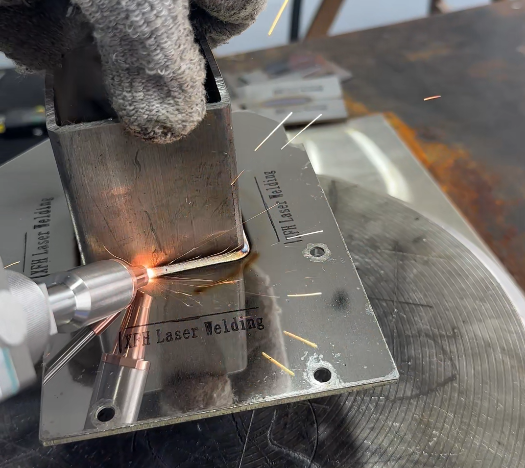
Laser welding is a welding process that uses a highly concentrated laser beam as a heat source to melt and fuse materials together.
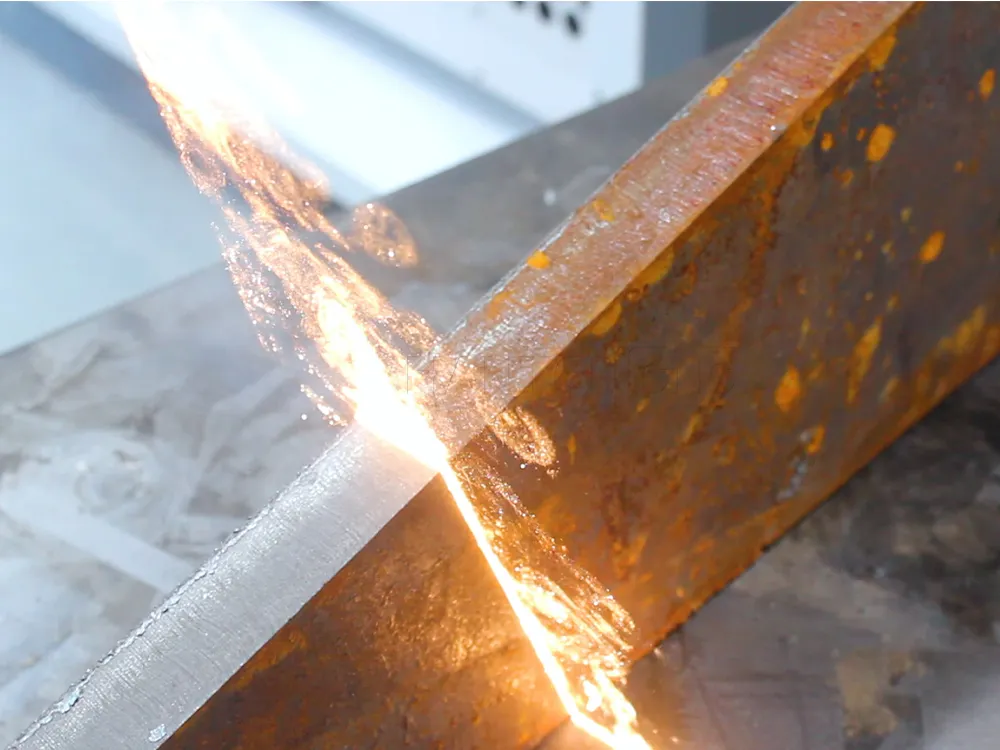
The laser beam produces extremely high energy density in a very small area. When the beam is focused on the surface of the material, it quickly heats the metal until it melts. As the molten metal cools and solidifies, it forms a strong welded joint.
Compared with conventional welding methods, laser welding provides:
- Higher precision
- Faster welding speeds
- Smaller heat-affected zones
- Minimal distortion
- Excellent weld appearance
Because the laser beam can be controlled very accurately, laser welding is particularly suitable for thin metals, precision components, and automated production lines.
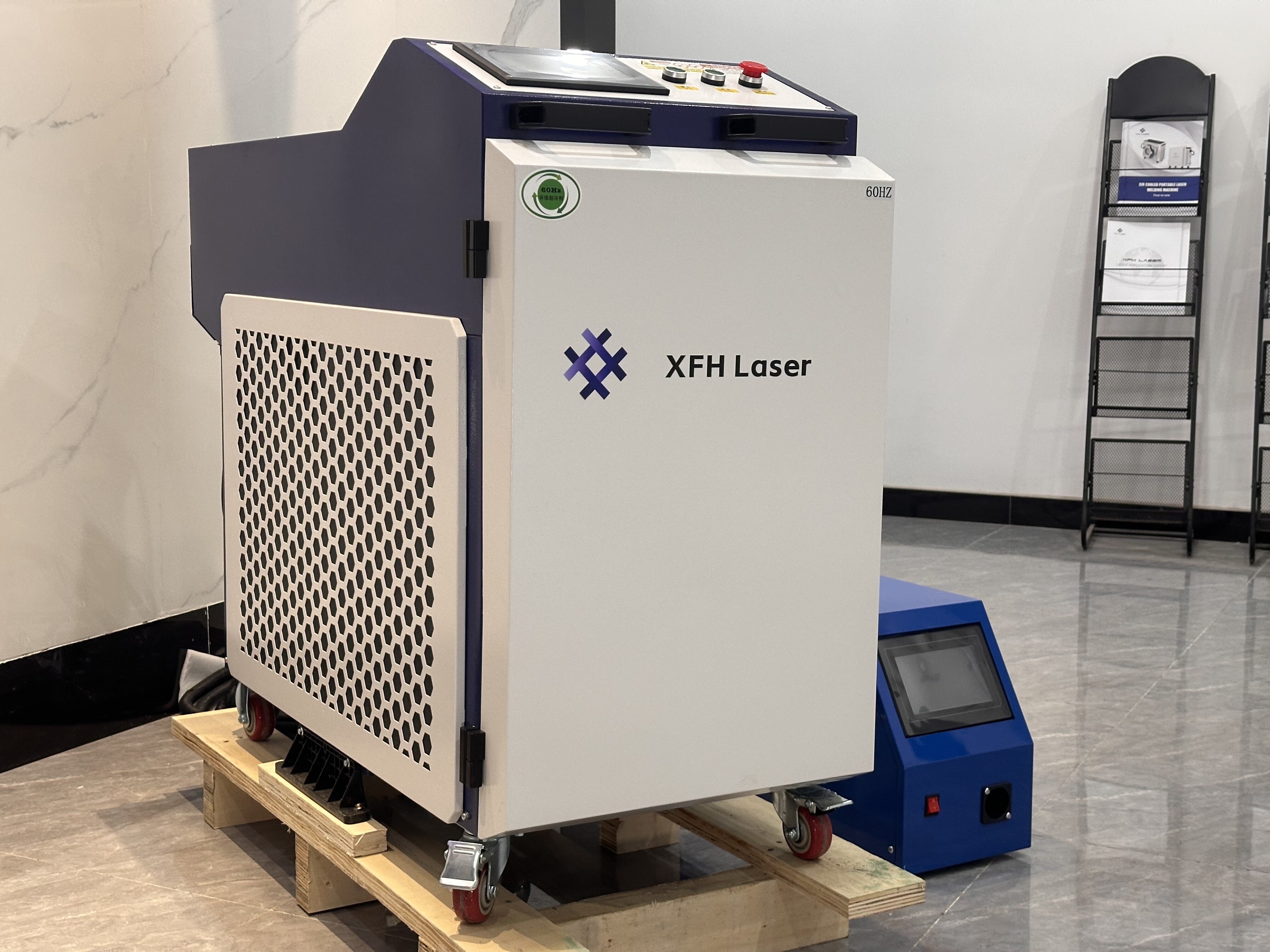
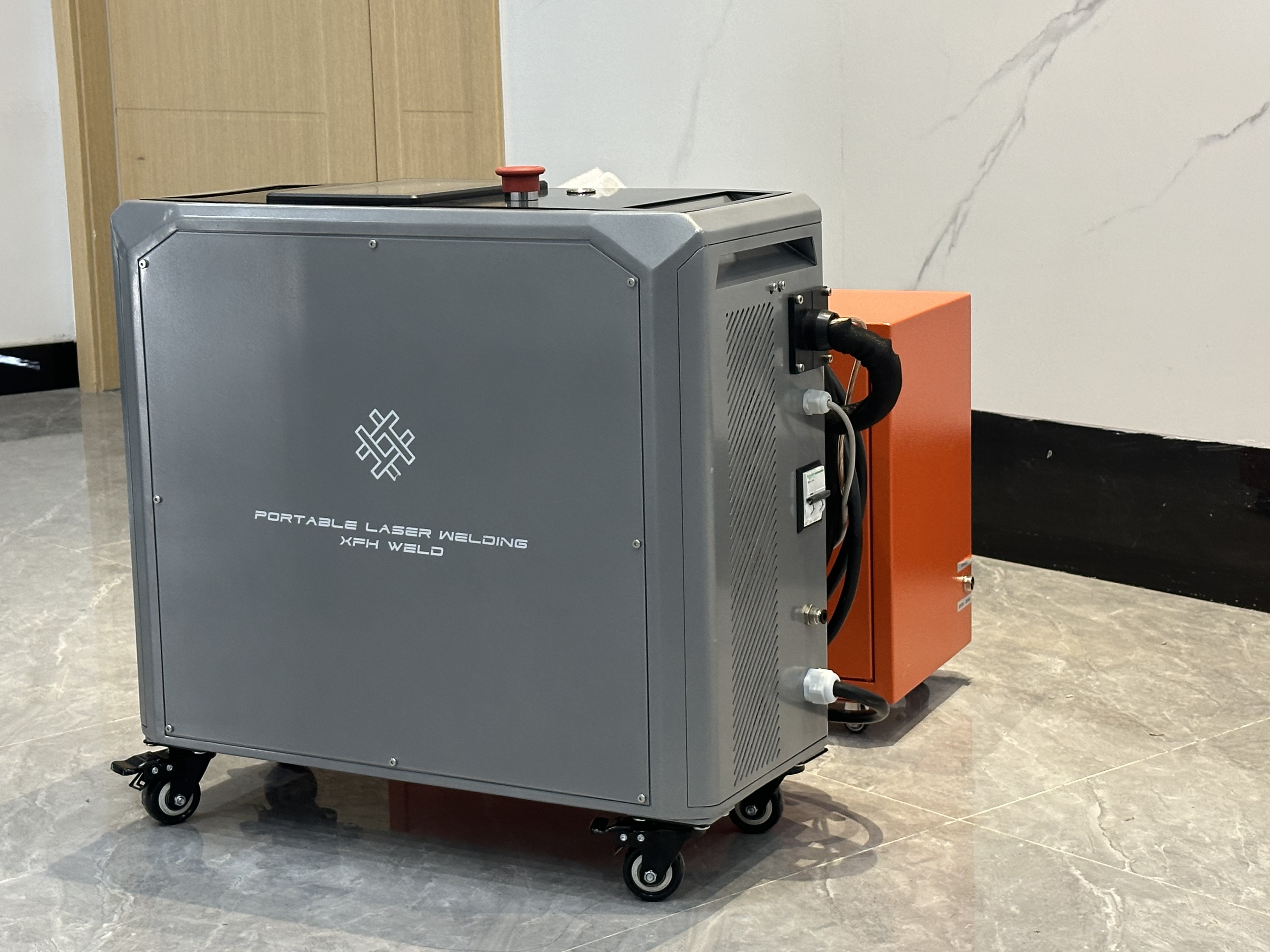
Modern laser welding systems often use fiber laser technology, which offers high efficiency, stable beam quality, and long service life.
How Laser Welding Works
Understanding how laser welding works helps operators better control welding parameters and achieve consistent results.
The laser welding process typically involves several key steps.
Laser Generation
The process begins with a laser source that generates a high-energy beam of light. Fiber lasers are the most commonly used sources in modern welding systems.
These lasers produce a coherent beam that can deliver large amounts of energy to a small spot.
Beam Transmission
The laser beam is delivered to the welding head through optical fibers or mirror systems. Fiber delivery allows the laser to be easily integrated into robotic systems or handheld welding guns.
Beam Focusing
A focusing lens concentrates the laser beam into a very small spot on the workpiece surface. This concentration of energy creates extremely high power density.
Material Melting
When the focused beam contacts the material, the metal absorbs the laser energy and begins to melt. A molten pool forms at the joint area.
Depending on the power density, the process may operate in two different welding modes:
- Conduction welding
- Keyhole welding
Solidification
As the laser moves forward along the joint, the molten metal cools and solidifies, forming the final weld seam.
The result is a strong and narrow weld with minimal heat impact on surrounding material.
Common Applications of Laser Welding
Laser welding is widely used across many industries.
Automotive Manufacturing
Laser welding is used for:
- Car body structures
- Transmission components
- Electric vehicle battery packs
Electronics Industry
Laser welding is ideal for small precision components such as:
- Sensors
- Connectors
- Electronic housings
Aerospace Industry
In aerospace manufacturing, laser welding helps produce lightweight yet strong structures.
Medical Device Manufacturing
Laser welding is used for high-precision components such as surgical instruments and medical implants.
Metal Fabrication
Laser welding machines are widely used for:
- Stainless steel products
- Sheet metal fabrication
- Metal furniture
- Kitchen equipment
Key Laser Welding Parameters and How to Adjust Them
One of the most important aspects of successful laser welding is proper parameter adjustment. The correct combination of power, scanning width, scanning speed, and wire feeding speed directly affects weld quality.
Understanding how to adjust these parameters will help operators achieve better results.
Laser Power
Laser power is one of the most critical parameters.
The power level should be selected according to:
- Material type
- Plate thickness
- Welding speed
Thicker materials require higher laser power to achieve sufficient penetration.
For example:
Thin sheet metals require relatively low power, while thicker plates require higher power to fully melt the joint area.
If the power is too low, the weld may not penetrate properly.
If the power is too high, it may cause excessive spatter or burn-through.
Therefore, laser power must always be matched with the material thickness.
Scanning Width
Scanning width refers to the oscillation width of the laser beam during welding.
The scanning width should be selected according to:
- Welding wire diameter
- Required weld seam width
If the weld seam needs to be wider or if thicker welding wire is used, the scanning width should be increased accordingly.
A properly adjusted scanning width ensures that the molten pool fully covers the welding wire and produces a smooth weld bead.
Scanning Speed
In many handheld laser welding systems, the scanning speed is usually kept within a stable range.
A common recommended range is:
300 to 500
Maintaining a stable scanning speed helps ensure consistent weld quality.
If the scanning speed is too slow, excessive heat input may occur.
If it is too fast, the weld may not form properly.
Therefore, keeping the scanning speed within this range often produces reliable results.
Wire Feeding Speed
Wire feeding speed is another key parameter in laser welding processes that use filler wire.
A common recommended range for wire feeding speed is:
60 to 80
However, this value may vary depending on welding speed and power.
If higher welding speeds are required, the wire feeding speed may need to be increased accordingly.
It is important to adjust the wire feeding speed together with the laser power.
If the wire feeding speed is too fast but power is too low, the wire may not melt completely.
If the power is too high while wire feeding speed is low, the weld may appear thin or uneven.
Proper balance between these parameters ensures stable welding.
How to Select Welding Wire for Laser Welding
Choosing the correct welding wire is essential for achieving good weld quality.
Several factors should be considered when selecting welding wire.
Match the Material
The welding wire material should always match the base metal being welded.
For example:
- Stainless steel welding requires stainless steel wire
- Aluminum welding requires aluminum wire
- Carbon steel welding requires carbon steel wire
Using the same material ensures strong metallurgical bonding and prevents compatibility issues.
Consider Weld Appearance
If the goal is to create a full and smooth weld seam, selecting the right wire diameter is important.
Thicker welding wires generally produce more filler material in the weld pool.
This helps create a more filled and rounded weld bead.
If a flatter weld is desired, thinner wire may be used.
Wire Diameter Selection
The wire diameter should be chosen according to:
- Material thickness
- Weld seam requirements
- Desired weld appearance
For example:
- Thin materials may require smaller wire diameters
- Larger gaps or wider seams may require thicker wires
When operators want a more filled weld seam, using thicker welding wire can improve the result.
Practical Tips for Better Laser Welding Results
To achieve stable and high-quality welds, operators should follow several best practices.
First, always ensure that the laser parameters match the material thickness and type.
Second, maintain proper alignment between the laser beam and the welding joint.
Third, adjust the welding parameters gradually instead of making large changes.
Fourth, ensure that the welding surface is clean and free of oil, rust, or contaminants.
Finally, regularly maintain the laser welding machine to ensure stable beam quality and cooling performance.
The Future of Laser Welding Technology
Laser welding technology continues to evolve as manufacturing becomes more automated and precise.
Future trends include:
- Higher power fiber lasers
- Robotic laser welding systems
- AI-assisted parameter control
- Integration with smart factories
- Increased applications in electric vehicle battery production
As industries demand greater efficiency and precision, laser welding will continue to play a major role in modern manufacturing.
Conclusion
Laser welding is one of the most advanced and efficient metal joining technologies available today.
By using a highly concentrated laser beam, manufacturers can achieve fast, precise, and clean welds with minimal heat distortion.
Understanding what is laser welding is only the first step. To achieve optimal results, operators must also learn how to adjust key parameters such as laser power, scanning width, scanning speed, and wire feeding speed.
In addition, selecting the correct welding wire based on material type and weld appearance requirements is essential for producing strong and attractive weld seams.
With proper setup and parameter optimization, laser welding machines can deliver exceptional performance across a wide range of industrial applications.