Top 5 Industries That Rely on Laser Cladding Machines in 2026
News 2026-05-19
Article Information
Author: XFH LASER Engineering Team
Published Date: May 19, 2026
Table of Contents
- Introduction: Why Laser Cladding Is Growing Rapidly
- What Is a Laser Cladding Machine?
- Aerospace Industry
- Oil and Gas Industry
- Mining and Heavy Equipment Industry
- Automotive Manufacturing Industry
- Power Generation and Energy Industry
- Why Industries Prefer Laser Cladding Over Traditional Repair Methods
- Future Trends in Laser Cladding Technology
- Conclusion
1. Introduction: Why Laser Cladding Is Growing Rapidly
Laser cladding technology has become one of the fastest-growing surface engineering solutions in modern manufacturing.
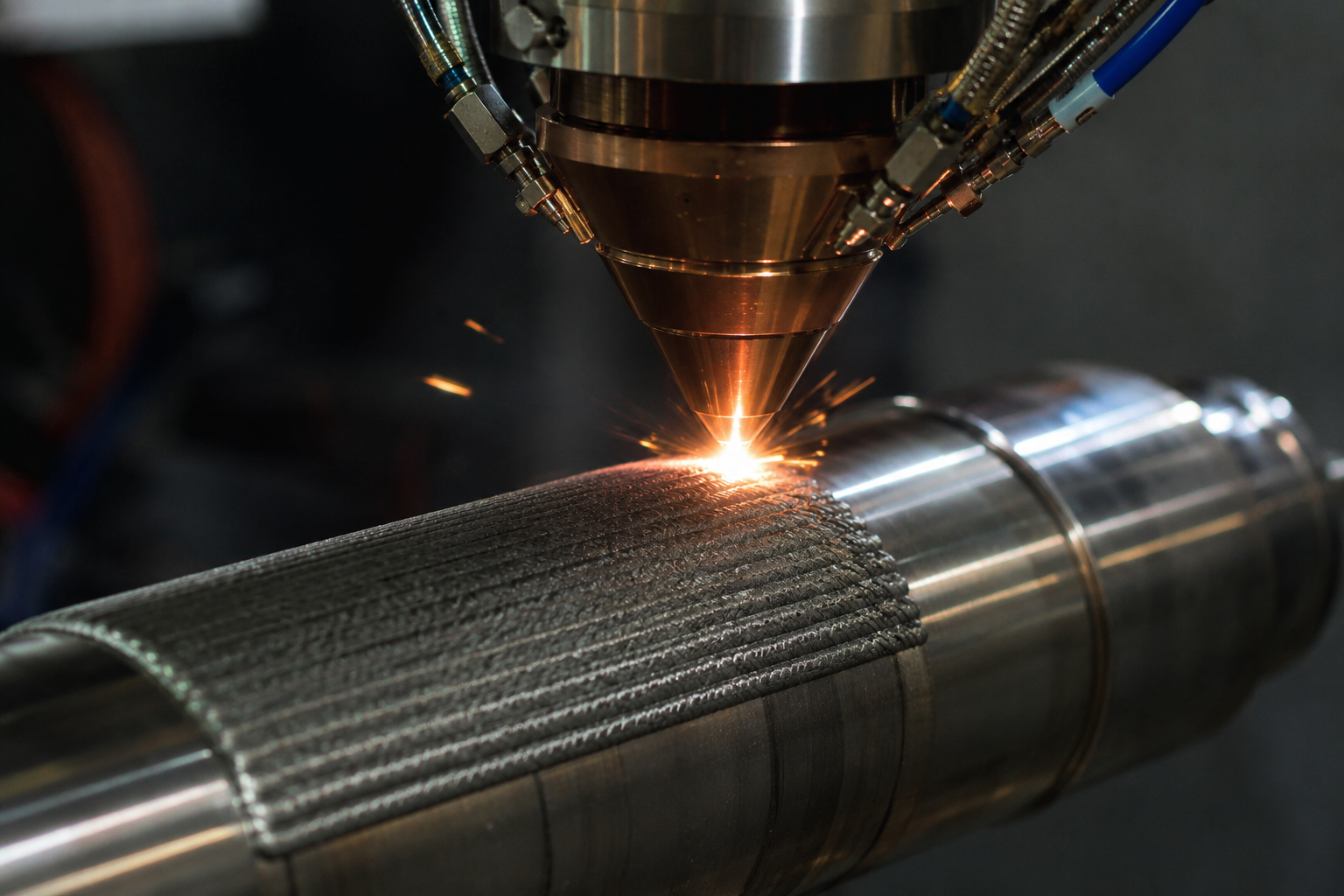
A laser cladding machine uses a high-energy laser beam to deposit metallic powder or wire onto a component surface, creating a strong metallurgical bond with minimal heat distortion.
Compared with traditional repair and coating methods, laser cladding offers:
- Better wear resistance
- Stronger corrosion protection
- Longer component lifespan
- Lower material waste
- Reduced downtime
Today, industries facing harsh operating conditions increasingly rely on laser cladding technology to restore, protect, and enhance expensive metal components.
2. What Is a Laser Cladding Machine?
A laser cladding machine is an advanced manufacturing system that combines:
- Fiber laser source
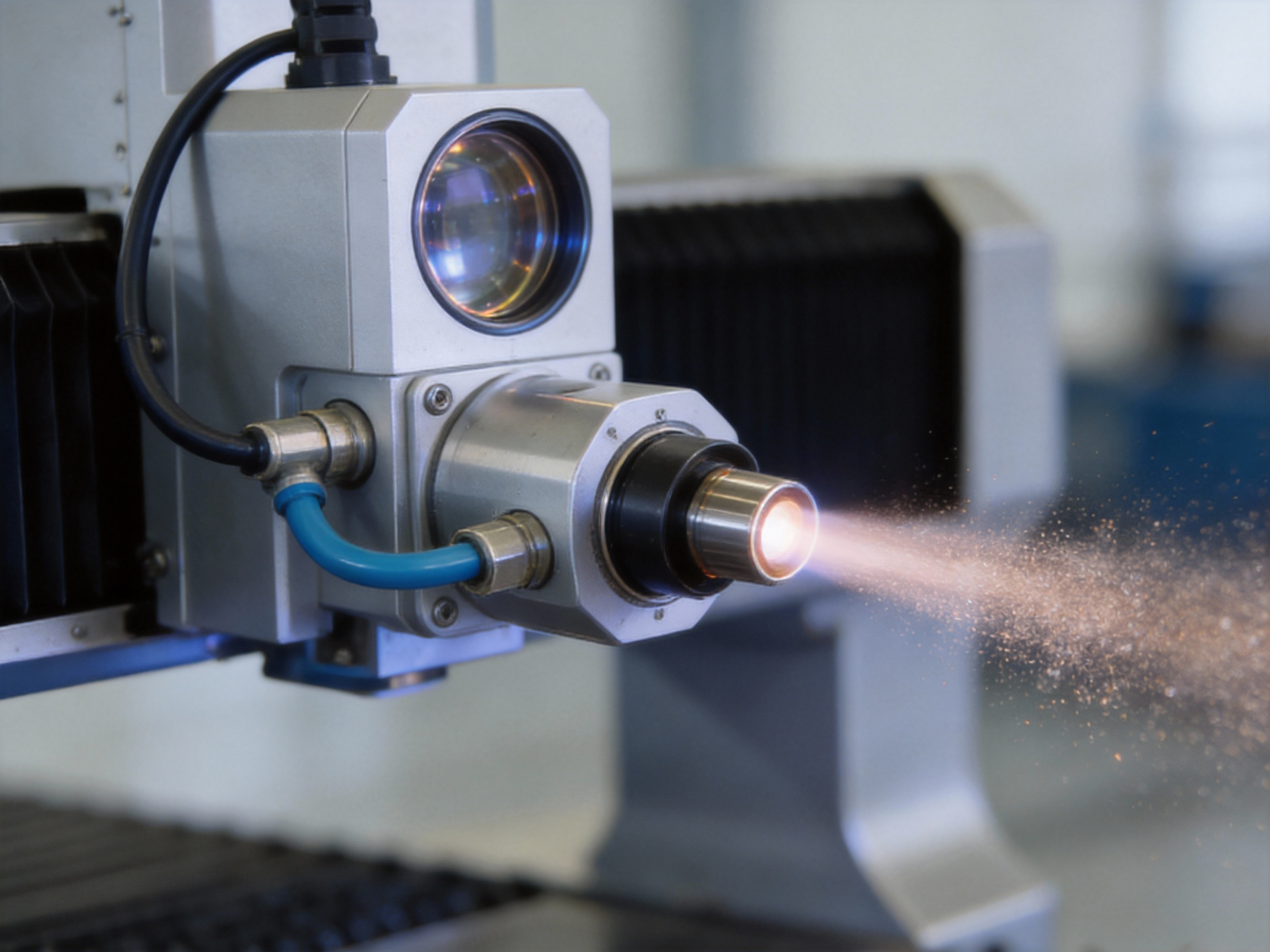
- Powder or wire feeding system
- CNC or robotic motion control
- Laser processing head
During operation:
- The laser beam melts a thin layer of the substrate
- Metallic material is deposited simultaneously
- A dense protective coating is formed
This process is also known as:
- Laser Metal Deposition (LMD)
- Laser hardfacing
- Directed energy deposition (DED) in some additive manufacturing applications
The result is a highly durable surface layer with excellent bonding strength and minimal heat-affected zones.
3. Aerospace Industry
The aerospace industry is one of the largest adopters of laser cladding machines.
Aircraft components operate under:
- Extreme temperatures
- High pressure
- Severe wear conditions
- Corrosive environments
Laser cladding is widely used to repair and protect:
- Turbine blades
- Engine components
- Landing gear
- Compressor parts
- Aerospace molds and tooling
Because laser cladding creates minimal thermal distortion, it is ideal for high-precision aerospace components.
Why Aerospace Manufacturers Use Laser Cladding
- Extends component lifespan
- Reduces replacement costs
- Improves wear resistance
- Maintains dimensional accuracy
- Reduces aircraft downtime
As aerospace manufacturing continues to focus on lightweight and high-performance materials, industrial laser cladding technology is becoming increasingly important.

4. Oil and Gas Industry
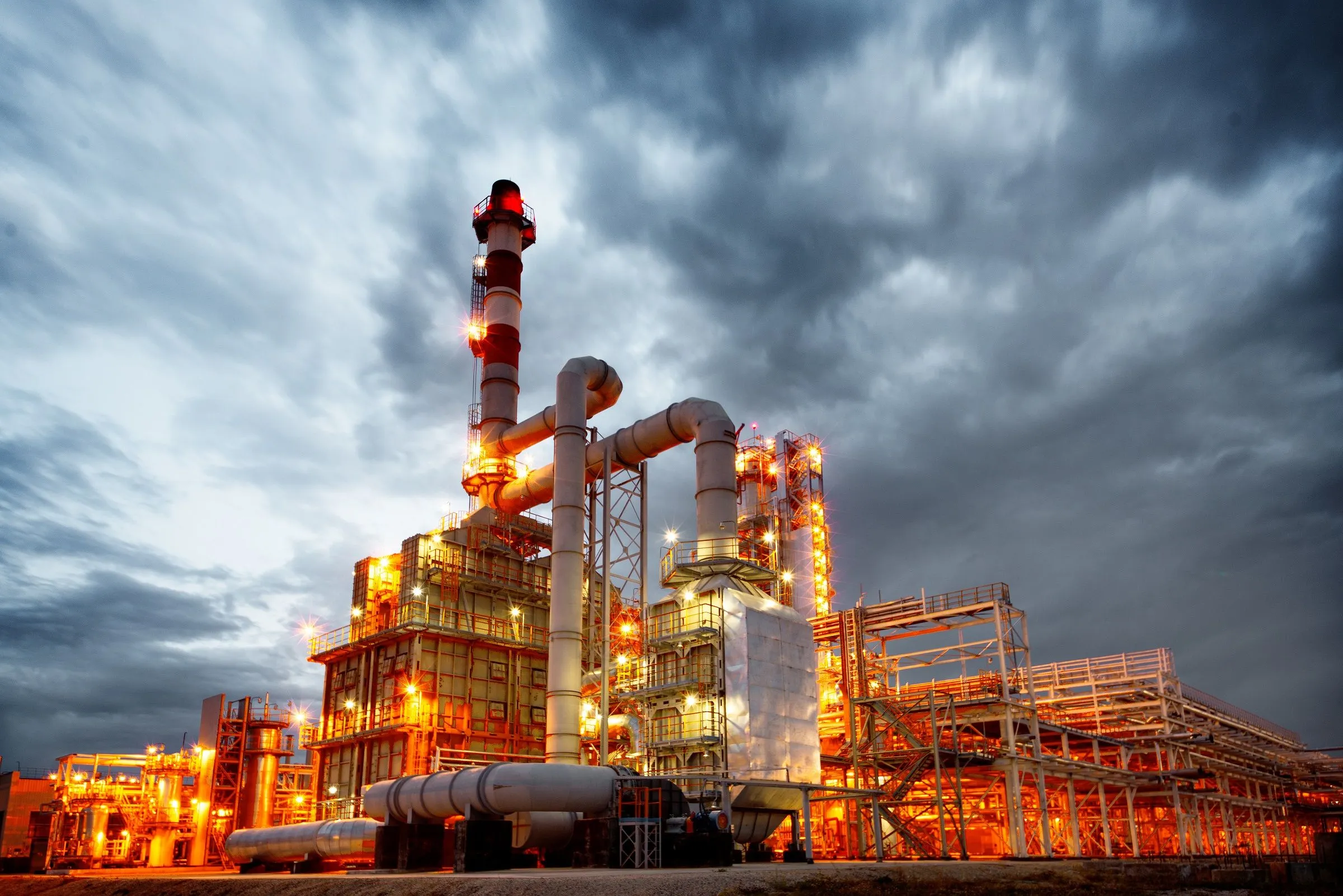
The oil and gas industry relies heavily on laser cladding because equipment operates in extremely aggressive environments.
Critical components face:
- Corrosion
- Abrasion
- High pressure
- Chemical exposure
Laser cladding is commonly applied to:
- Valves
- Pumps
- Drill bits
- Shafts
- Downhole tools
- Pipeline components
Specialized alloys such as Inconel and tungsten carbide are often deposited using laser cladding to improve corrosion and wear resistance.
Advantages for Oil and Gas Applications
- Longer equipment life
- Reduced maintenance costs
- Improved corrosion resistance
- Better performance in harsh environments
- Reduced production downtime
Laser cladding repair has become a cost-effective alternative to replacing expensive oilfield components.
5. Mining and Heavy Equipment Industry
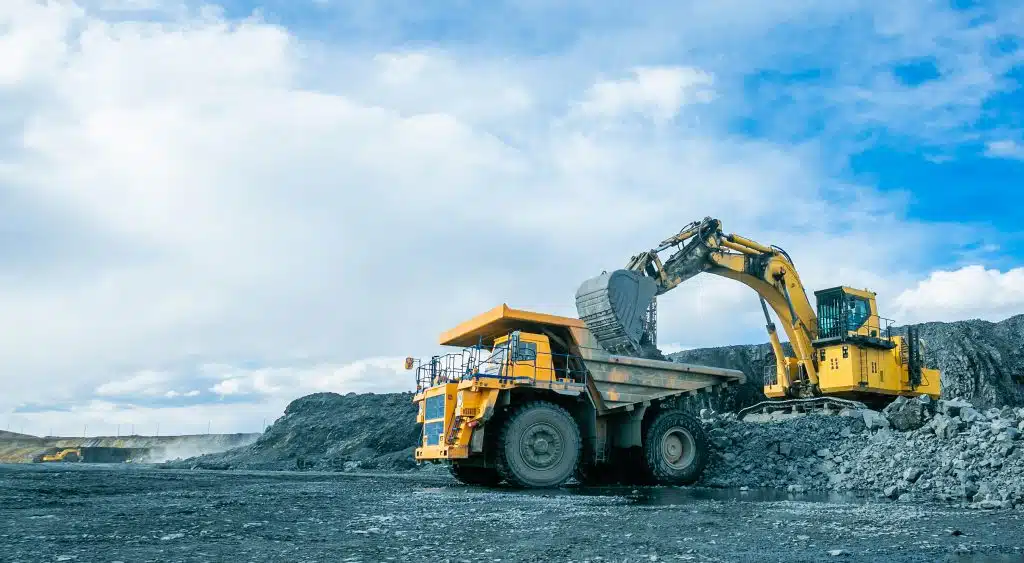
Mining equipment operates under some of the harshest mechanical conditions in industrial manufacturing.
Components are constantly exposed to:
- Abrasive materials
- Heavy impact loads
- Extreme friction
- Corrosive environments
Laser cladding technology is widely used to protect:
- Hydraulic rods
- Excavator components
- Drill heads
- Crusher parts
- Earth-moving equipment
Wear-resistant coatings applied by laser cladding significantly improve durability and reduce equipment failure rates.
Why Mining Companies Use Laser Cladding
- Reduced component replacement frequency
- Lower maintenance downtime
- Improved operational reliability
- Better wear protection
- Increased equipment lifespan
Heavy industry increasingly uses automated robotic laser cladding systems for large-scale repair operations.
6. Automotive Manufacturing Industry
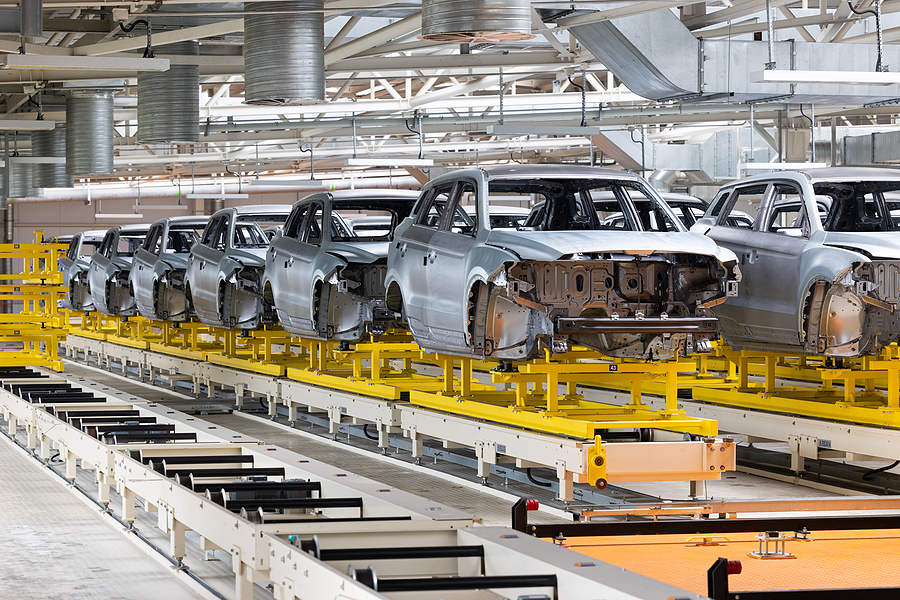
The automotive industry uses laser cladding machines for both component manufacturing and repair applications.
Laser cladding is commonly used on:
- Engine components
- Transmission parts
- Drive shafts
- Brake components
- Tooling and molds
The automotive sector values laser cladding because of its:
- High precision
- Minimal heat distortion
- Excellent repeatability
- Compatibility with automated production lines
As electric vehicle manufacturing expands, laser cladding technology is also being used in battery production and lightweight material applications.
Automotive Industry Benefits
- Increased part durability
- Improved fuel efficiency
- Reduced material waste
- Better production consistency
- Faster remanufacturing processes
Laser cladding has become an important part of modern automotive remanufacturing strategies.
7. Power Generation and Energy Industry
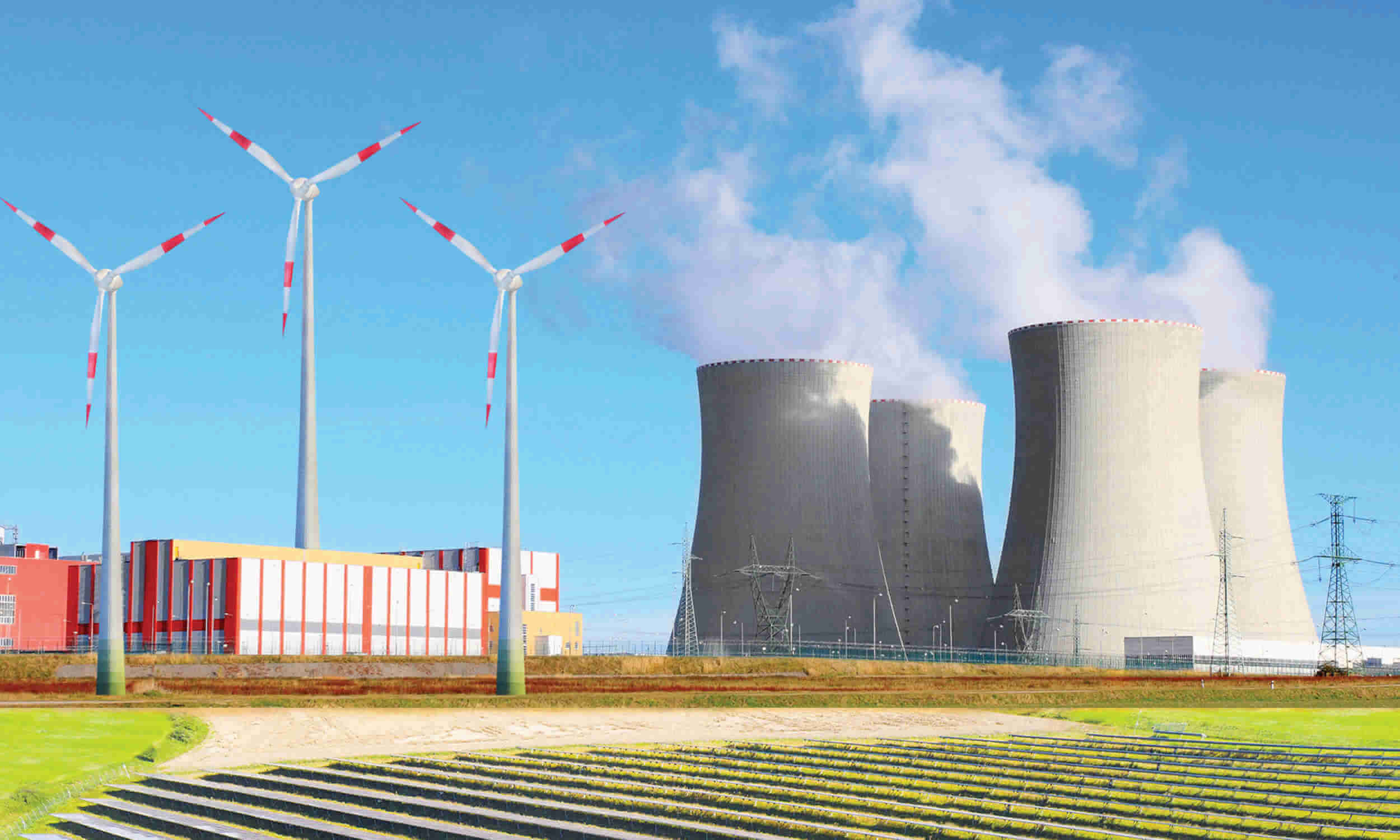
Power generation systems require highly durable components capable of operating continuously under extreme thermal and mechanical stress.
Laser cladding is widely used in:
- Gas turbines
- Steam turbines
- Wind turbine components
- Power plant valves
- Generator shafts
Protective laser cladding coatings improve:
- Heat resistance
- Corrosion resistance
- Erosion resistance
- Fatigue performance
Renewable energy industries also increasingly rely on laser cladding for wind turbine and energy infrastructure maintenance.
Why Energy Industries Use Laser Cladding
- Extends service intervals
- Improves operational efficiency
- Reduces maintenance costs
- Increases component reliability
- Supports sustainable remanufacturing
As global energy infrastructure expands, industrial laser cladding demand continues to grow rapidly.
8. Why Industries Prefer Laser Cladding Over Traditional Repair Methods
Compared with conventional welding and coating technologies, laser cladding offers several important advantages.
Minimal Heat-Affected Zone
Laser cladding produces less thermal distortion than traditional welding methods.
Strong Metallurgical Bonding
The deposited coating forms a dense bond with the substrate, improving durability and reliability.
Lower Material Waste
Laser cladding uses highly controlled material deposition, reducing waste and improving efficiency.
Better Surface Performance
Laser cladding coatings provide:
- Wear resistance
- Corrosion resistance
- Heat resistance
- Impact resistance
These advantages make laser cladding one of the most advanced industrial surface engineering technologies available today.
9. Future Trends in Laser Cladding Technology
The future of laser cladding technology is strongly connected to:
- Automation
- Robotics
- Smart manufacturing
- Additive manufacturing integration
Modern laser cladding machines increasingly use:
- Robotic arms
- AI-based process monitoring
- Real-time quality control
- Automated powder feeding systems
Industry experts expect the global laser cladding market to continue growing rapidly due to increasing demand for remanufacturing and sustainable industrial repair solutions.
10. Conclusion
Laser cladding technology has become essential for industries that require:
- High durability
- Surface protection
- Precision repair
- Long component lifespan
The top industries relying on laser cladding machines include:
- Aerospace
- Oil and gas
- Mining and heavy equipment
- Automotive manufacturing
- Power generation and energy
As industrial manufacturers continue to prioritize sustainability, cost reduction, and equipment longevity, laser cladding will remain one of the most valuable advanced manufacturing technologies in the global market.
Contact us
- C1 Gongtou Industrial Park, Feixi Economic Development Zone, Hefei City Anhui Province, China
- +86 18956040458
- Alan
- 18956040458@163.com