Max 1500W Laser Welding Machine Guide 2026: Stable Performance, Industrial Applications & Real Business Transformation
News 2026-02-28
Introduction: Why Stability Matters More Than Power Alone
In today’s competitive manufacturing environment, investing in advanced equipment is no longer just about increasing output — it is about ensuring consistent quality, minimal downtime, and reliable long-term performance. Among modern fabrication technologies, the max 1500W laser welding machine has emerged as one of the most practical and cost-effective solutions for small-to-medium industrial production.
While many buyers focus only on specifications such as power level or price, experienced factory owners understand that the true value of a laser welding device lies in its stability, ease of operation, and after-sales support. A powerful machine that frequently fails or produces inconsistent welds can quickly become a liability rather than an asset.
This comprehensive guide explains how a max 1500W laser welding machine can transform manufacturing operations — especially for sheet metal factories and door-window manufacturers — by delivering reliable performance, high efficiency, and responsive technical support that solves real production problems.
What Is a Max 1500W Laser Welding Machine?
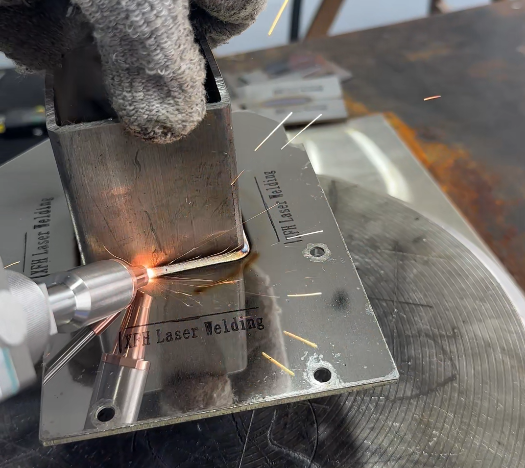
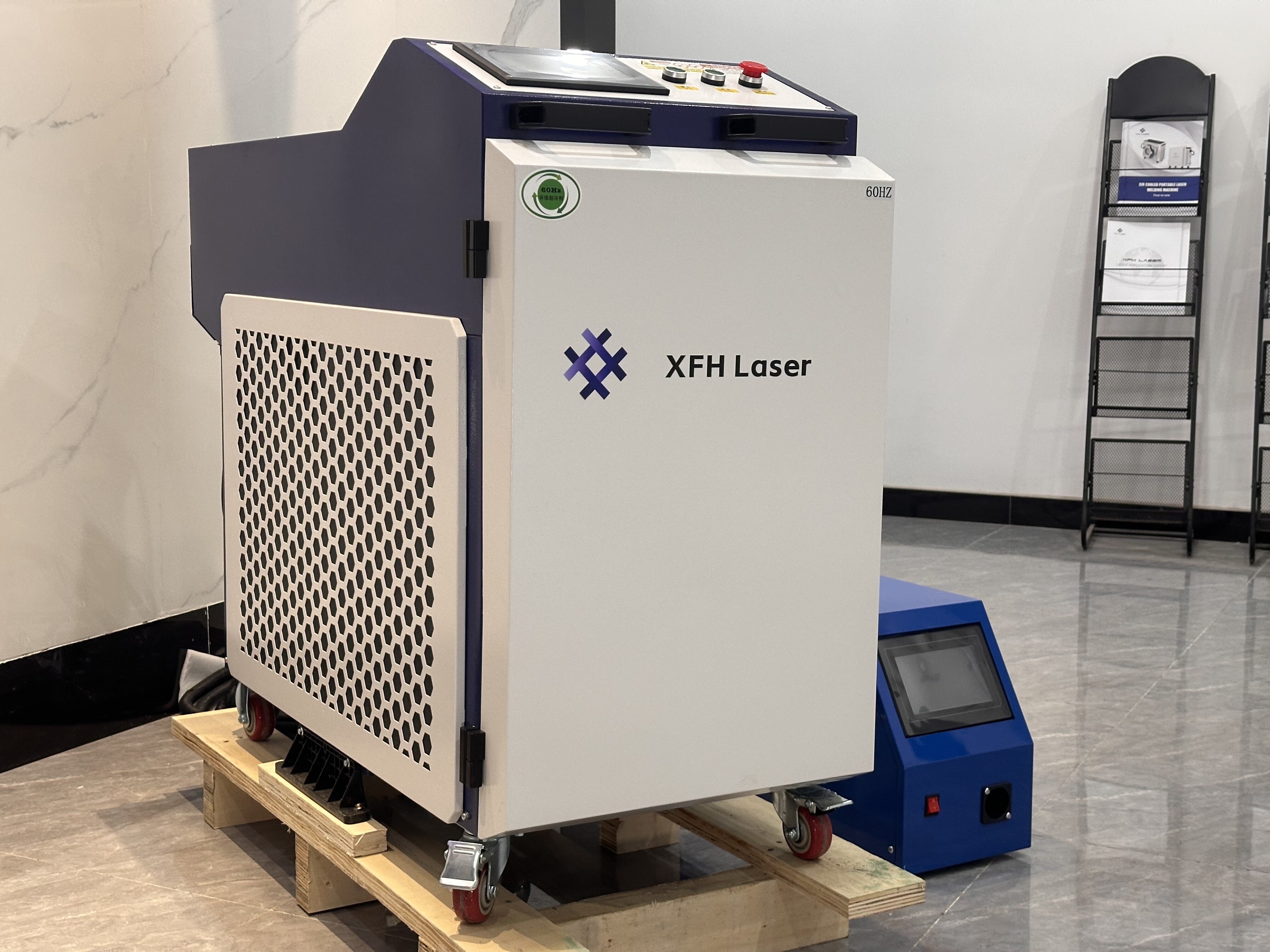
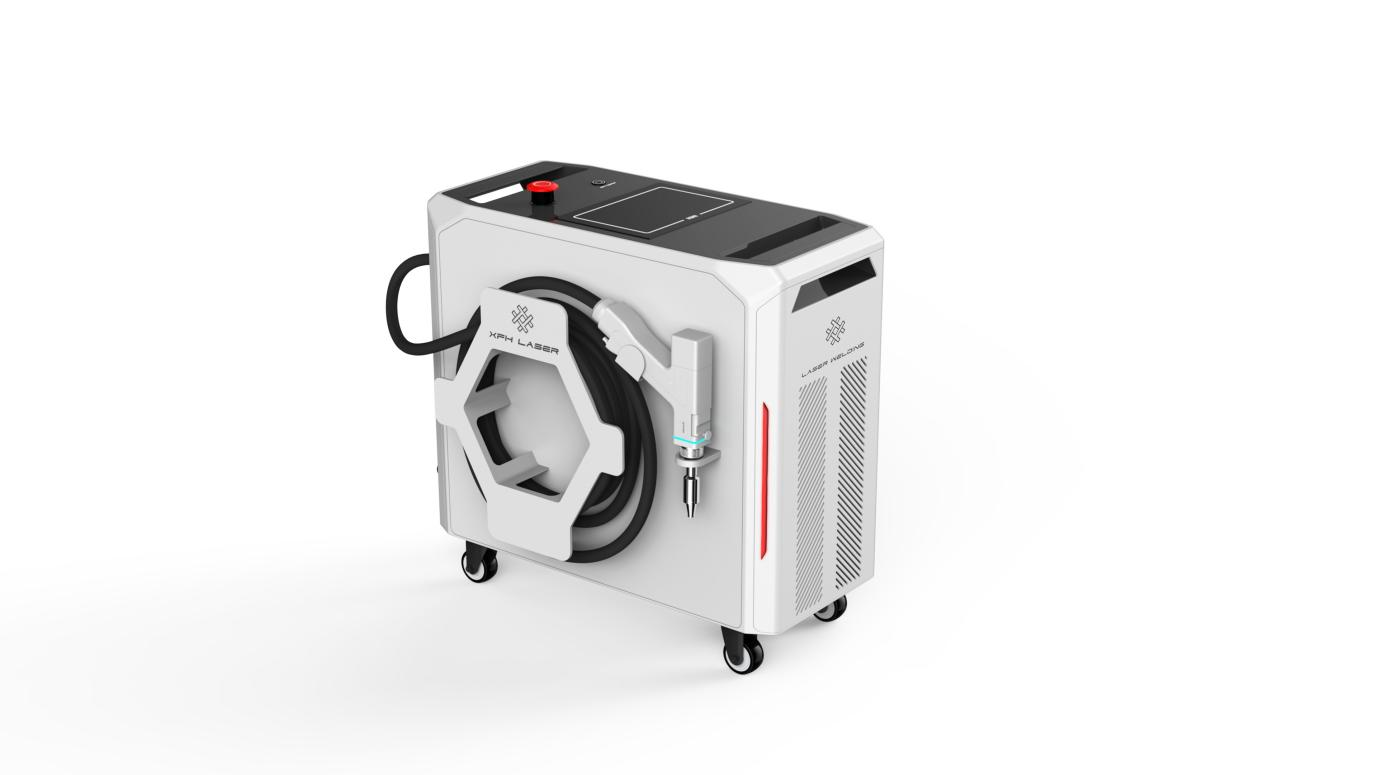
A max 1500W laser welding machine is a high-power fiber laser welding device designed for precision metal joining across a wide range of industrial applications. It delivers enough energy to weld medium-thickness materials while maintaining fine control for thin sheet fabrication.
Core Characteristics
- High beam quality for precise energy delivery
- Stable continuous output for uniform weld seams
- Minimal heat-affected zone
- Reduced distortion compared to traditional welding
- Suitable for automated or manual operation
Unlike low-power portable units, a 1500W system offers deeper penetration and faster processing speeds, making it ideal for production environments rather than occasional repair work.
Why 1500W Is the Sweet Spot for Industrial Use
Many manufacturers struggle to choose between lower-power portable welders and expensive high-power industrial systems. The 1500W class offers an optimal balance.
Adequate Power Without Excess Cost
A max 1500W laser welding machine can handle most fabrication tasks involving:
- Stainless steel
- Carbon steel
- Galvanized sheet
- Aluminum alloys
- Structural components
- Thin-to-medium thickness materials
This makes it suitable for diverse workshops without requiring the investment of ultra-high-power systems.
Faster Production Cycles
Compared to TIG or MIG welding, laser welding significantly increases speed while maintaining quality. Production lines benefit from shorter cycle times and reduced labor intensity.
Controlled Heat Input
Traditional welding often introduces excessive heat, leading to warping, discoloration, and rework. Laser welding concentrates energy precisely where needed, reducing deformation — critical for products with strict dimensional requirements.
Stability: The Most Critical Advantage
A stable laser welding machine is not just convenient — it is essential for production planning and customer satisfaction.
Consistent Output Power
The max 1500W laser welding machine delivers stable laser energy over long operating periods. This ensures:
- Uniform weld penetration
- Repeatable quality across batches
- Reduced defect rates
- Less need for manual adjustment
Robust Cooling System
Industrial laser systems generate significant heat. Reliable cooling prevents overheating and protects sensitive components, allowing continuous operation during peak production hours.
Durable Optical Components
High-quality optics maintain beam integrity and reduce performance degradation over time, ensuring long service life and consistent weld quality.
Reduced Downtime
Equipment failure can halt entire production lines. A stable laser welding device minimizes unexpected interruptions, helping factories meet deadlines and contractual obligations.
When Problems Occur: Fast, Professional Solutions
Even the most advanced equipment may encounter issues due to environmental factors, operator error, or wear. What truly matters is how quickly those problems are resolved.
Immediate Technical Support
Professional support teams can diagnose issues remotely or on-site, minimizing downtime.
Clear Troubleshooting Guidance
Operators receive step-by-step instructions to restore normal operation quickly, even without advanced technical knowledge.
Spare Parts Availability
Critical components can be supplied promptly to avoid extended shutdowns.
Training and Optimization
Continuous guidance ensures operators use the machine correctly, preventing recurring problems and improving efficiency.
This level of support can dramatically change a customer’s business situation — turning potential production crises into manageable events.
How a Max 1500W Laser Welding Machine Transforms Businesses
Higher Productivity
Laser welding allows faster processing without sacrificing quality. Factories can increase output without expanding workforce size.
Lower Labor Dependence
Operators require less manual skill compared to traditional welding techniques, reducing reliance on highly experienced welders.
Improved Product Quality
Clean weld seams enhance the appearance and structural integrity of finished products.
Reduced Post-Processing
Minimal spatter and distortion mean less grinding, polishing, or rework.
Greater Competitiveness
Faster delivery times and consistent quality help businesses win more contracts.
Case Study 1: Sheet Metal Factory Transformation
A medium-sized sheet metal fabrication plant faced several operational challenges:
- High labor costs for skilled welders
- Frequent rework due to distortion
- Slow production of cabinets and enclosures
- Difficulty meeting tight deadlines
Implementation
After adopting a max 1500W laser welding machine, the factory integrated the device into its production workflow for assembling electrical cabinets and HVAC components.
Results
1. Production Speed Increased Dramatically
Laser welding reduced welding time per unit by more than half.
2. Quality Became Consistent
Uniform weld seams eliminated variations between operators.
3. Distortion Was Minimized
Precision heat control reduced panel warping, improving dimensional accuracy.
4. Labor Requirements Decreased
Less dependence on highly skilled welders allowed flexible staffing.
5. Delivery Reliability Improved
Meeting deadlines became easier, strengthening customer trust.
Long-Term Business Impact
The factory expanded its order capacity without increasing floor space or workforce size — a direct improvement in profitability.
Case Study 2: Door and Window Manufacturing Plant
A door-window factory producing aluminum and steel frames struggled with traditional welding methods:
- Excessive heat caused frame deformation
- Surface finishing required extensive polishing
- Thin profiles were difficult to weld cleanly
- Production bottlenecks slowed shipments
Adoption of Laser Welding
The company introduced a max 1500W laser welding machine to assemble frame joints and structural connections.
Improvements Observed
Precision Joining
Laser welding enabled clean seams even on thin profiles.
Minimal Surface Damage
Reduced oxidation and discoloration lowered finishing requirements.
Stronger Structural Integrity
Consistent penetration improved product durability.
Faster Production Flow
Cycle times dropped significantly.
Lower Scrap Rate
Fewer defective frames reduced material waste.
Business Outcome
The factory was able to accept larger orders and enter higher-value markets requiring strict quality standards.
Applications Across Multiple Industries
A max 1500W laser welding machine is highly versatile and suitable for numerous manufacturing sectors.
Sheet Metal Fabrication
- Electrical enclosures
- Machine housings
- Control cabinets
- HVAC components
Stainless Steel Products
- Railings and handrails
- Furniture frames
- Tanks and containers
- Decorative structures
Kitchen and Catering Equipment
- Sinks
- Countertops
- Food processing equipment
- Exhaust hoods
Door and Window Production
- Aluminum frames
- Steel structures
- Reinforcement joints
- Architectural components
Aluminum Fabrication
- Lightweight structural parts
- Heat sinks
- Custom assemblies
Comparing Laser Welding with Traditional Methods
Laser vs TIG Welding
Laser welding is significantly faster and produces narrower heat zones, reducing distortion.
Laser vs MIG Welding
Laser systems offer superior precision and cleaner welds, with less spatter and post-processing.
Efficiency Advantages
For repetitive production tasks, laser welding often delivers lower overall cost per unit despite higher initial investment.
Total Cost Considerations
When evaluating a max 1500W laser welding machine, buyers should consider more than just purchase price.
Initial Investment
Cost varies depending on configuration, automation level, and additional features.
Operating Expenses
- Electricity consumption
- Cooling requirements
- Consumables
- Maintenance
Return on Investment
Savings come from:
- Increased throughput
- Reduced labor costs
- Lower scrap rates
- Faster delivery
- Improved product quality
Many factories recover their investment within a relatively short period due to these combined benefits.
Best Practices for Optimal Performance
Proper Joint Preparation
Clean surfaces and accurate fit-up improve weld quality and consistency.
Parameter Optimization
Adjusting power, speed, and focus ensures the best results for different materials.
Routine Maintenance
Regular inspection of optics, cooling systems, and mechanical components prevents unexpected failures.
Operator Training
Even user-friendly systems perform best when operators understand correct procedures.
Safety and Workplace Integration
Modern laser welding devices are designed with safety in mind, but proper precautions remain essential.
- Protective eyewear
- Enclosed work areas
- Fume extraction systems
- Emergency shutdown procedures
Implementing these measures ensures a safe and efficient working environment.
Future Outlook for 1500W Laser Welding Systems
Technological advances continue to improve performance, reliability, and usability.
Smarter Control Systems
Digital interfaces and automated parameter adjustment simplify operation.
Enhanced Energy Efficiency
New designs reduce power consumption while maintaining output.
Integration with Automation
Robotic systems and production lines increasingly incorporate laser welding devices for continuous manufacturing.
Conclusion: A Reliable Solution That Solves Real Business Problems
A max 1500W laser welding machine is far more than a high-tech tool — it is a strategic investment capable of transforming manufacturing operations.
Its key advantages include:
- Stable and consistent performance
- High productivity
- Superior weld quality
- Reduced labor dependence
- Fast problem resolution support
- Versatility across industries
For sheet metal factories and door-window manufacturers facing rising costs, labor shortages, or quality challenges, adopting a reliable laser welding device can fundamentally change their business trajectory.
When supported by professional technical service and rapid troubleshooting, this equipment not only improves production efficiency but also provides peace of mind — allowing companies to focus on growth rather than operational crises.
In an increasingly competitive market, stability and reliability are just as important as speed and power. A well-supported max 1500W laser welding machine delivers all four, making it one of the most practical industrial upgrades available in 2026.