Laser Welding Machine Guide: What Buyers Really Need to Know Before Investing
News 2026-03-18
Introduction: Why More Factories Are Switching to Laser Welding
If you are currently using MIG, TIG, or spot welding, you may already be facing challenges such as inconsistent weld quality, high labor costs, and slow production speeds.
This is exactly why more manufacturers are upgrading to a laser welding machine.
Unlike traditional welding methods, laser welding offers faster processing, cleaner weld seams, and significantly lower heat distortion. But from a buyer’s perspective, the most important questions are not just about technology—they are about cost, reliability, return on investment, and long-term usability.
In this guide, we will break down everything you need to know before purchasing a laser welding system, including how it works, how much it costs, what industries use it, and how to choose the right configuration for your factory.
What Is a Laser Welding Machine and How Does It Work?
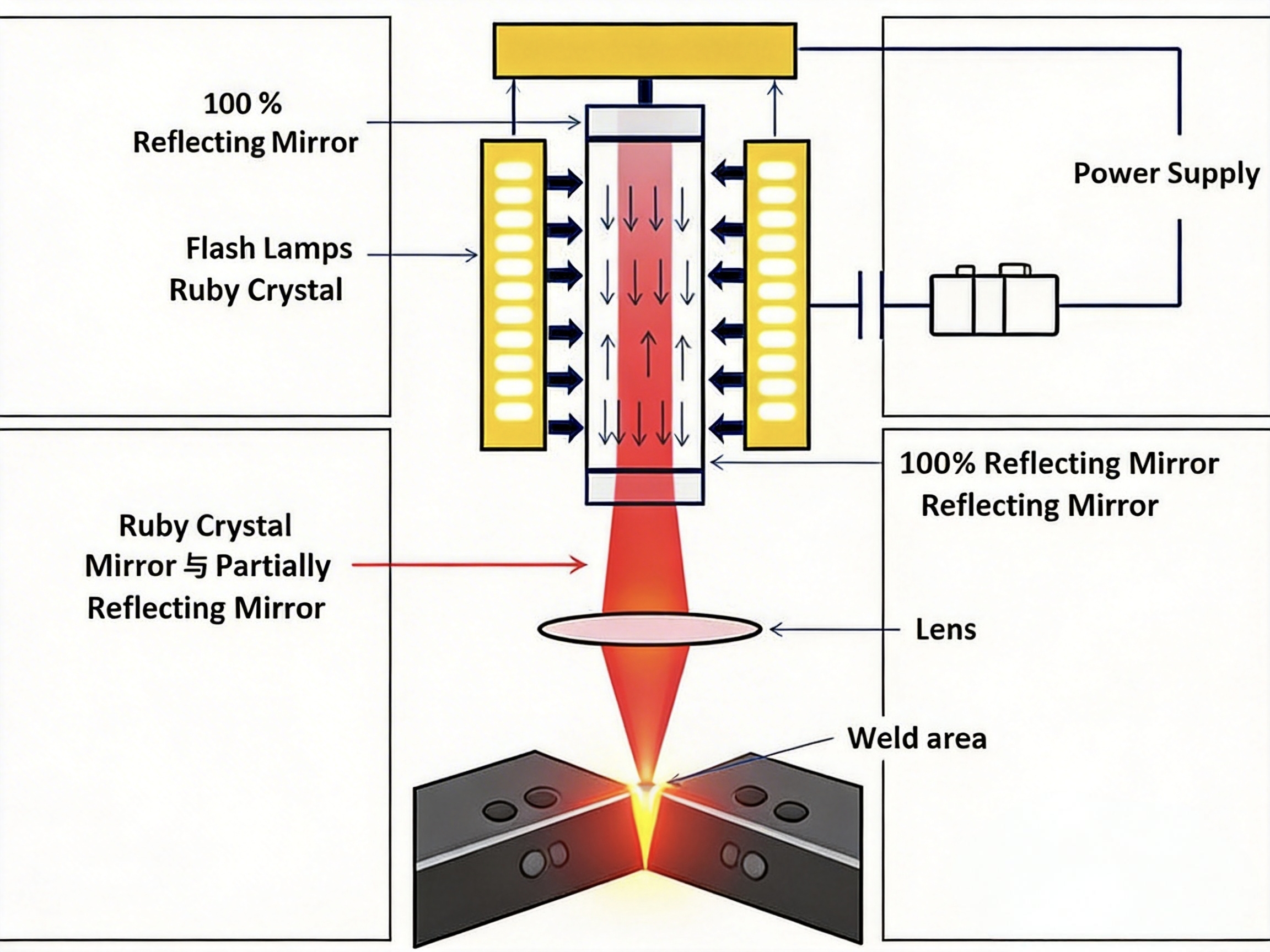
A laser welding machine uses a highly focused laser beam to melt and fuse materials together. The beam generates intense heat in a very small area, which allows for precise and controlled welding.
The process happens in just milliseconds:
- A laser source generates high-energy light
- The beam is focused onto the material
- The material melts and forms a molten pool
- The pool cools and solidifies into a strong weld
Compared to traditional welding, this method produces:
- Narrow weld seams
- Minimal deformation
- Strong and consistent joints
For users, this means less rework, higher product quality, and faster production cycles.
Types of Laser Welding Machines: Which One Fits Your Needs?
Choosing the right type of laser welding machine is one of the most important decisions for buyers.
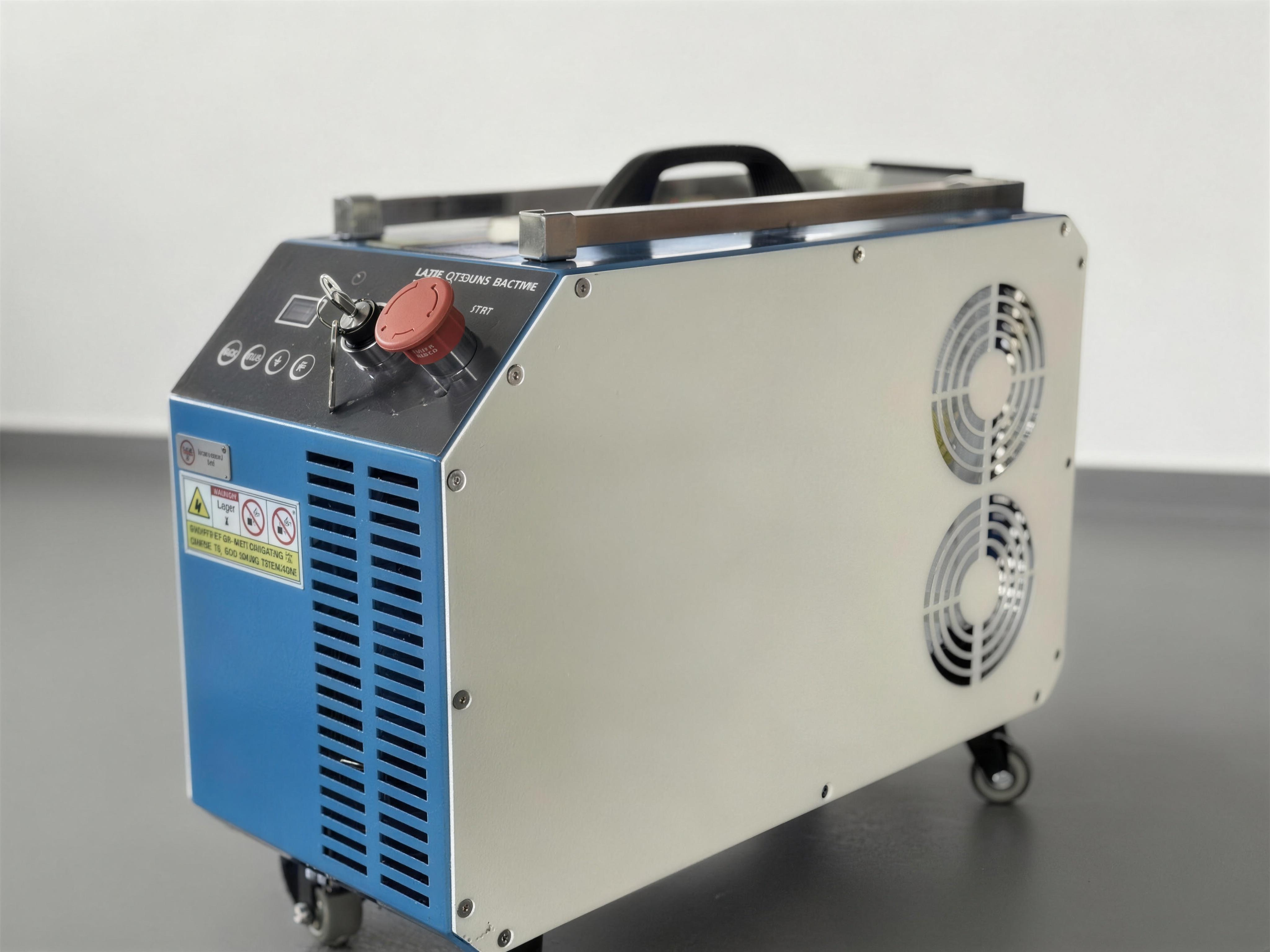
Handheld Laser Welding Machine
This is the most popular option for small to medium factories.
Best for:
- Sheet metal fabrication
- Stainless steel products
- Repair work
Advantages:
- Easy to learn (operators can be trained quickly)
- Flexible and portable
- Lower initial investment
If your priority is flexibility and ease of use, a handheld laser welding machine is often the best starting point.
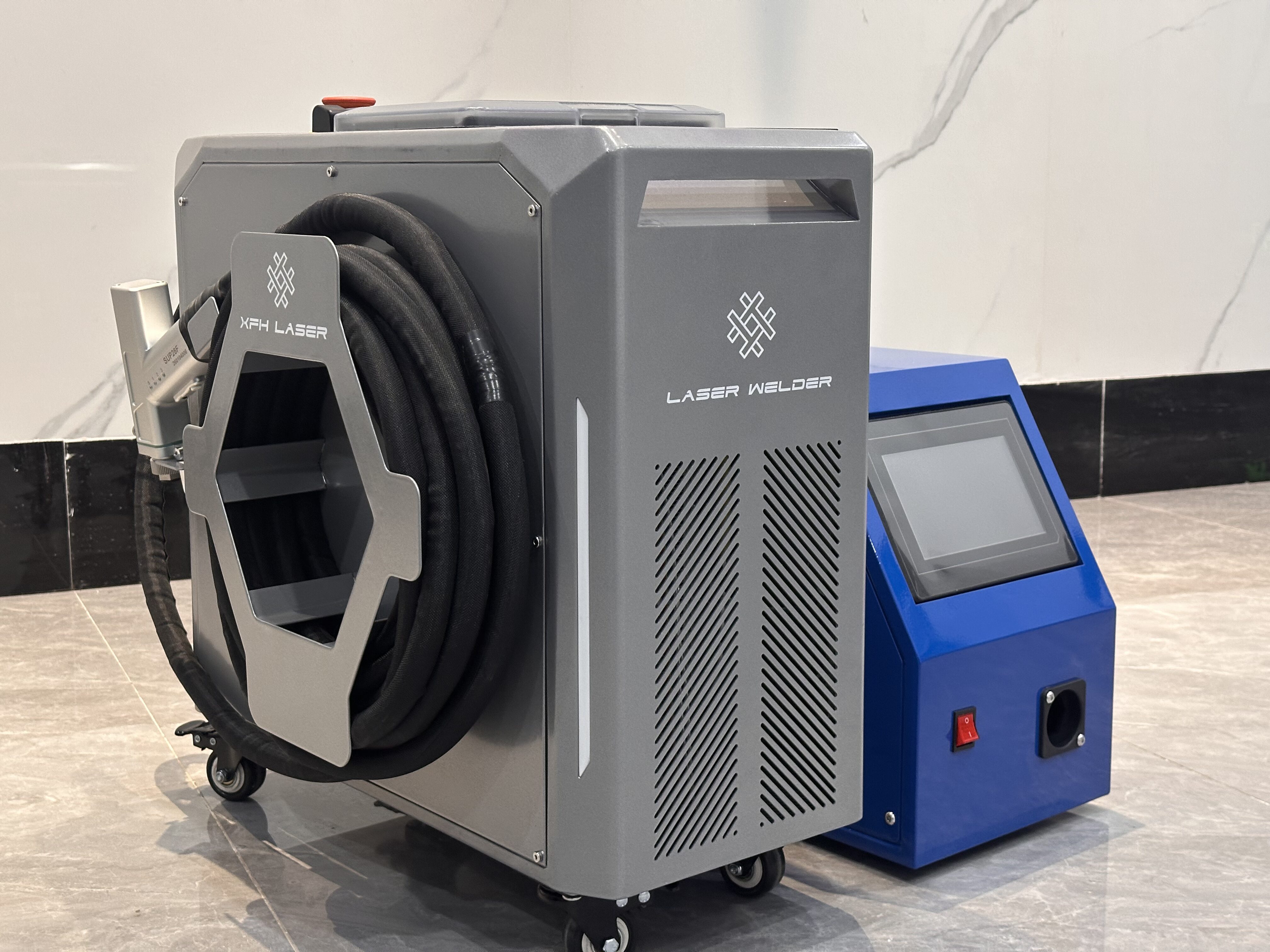
Fiber Laser Welding Machine
The fiber laser welding machine is the industry standard for high-performance applications.
Best for:
- Industrial production lines
- High-precision welding
- Automated systems
Advantages:
- High energy efficiency
- Stable beam quality
- Low maintenance
For factories focused on scale and automation, this is the most reliable long-term solution.
Automated / Robotic Laser Welding System
These systems integrate a laser welding machine with robots or CNC platforms.
Best for:
- Mass production
- Automotive manufacturing
- High-volume repetitive tasks
Advantages:
- Consistent quality
- Reduced labor cost
- High throughput
If your goal is full automation, this is the direction most factories are moving toward.
How Much Does a Laser Welding Machine Cost?
One of the most common questions buyers ask is:
“What is the price of a laser welding machine?”
The answer depends on several key factors.
Price Range Overview
- Entry-level handheld systems: $3,000 – $5,000
- Mid-range fiber systems: $4,000 – $8,000
- Automated/robotic systems: $7,000 – $10,000+
What Affects the Price?
Laser Power
Higher wattage increases welding capability and cost.
Machine Configuration
Portable vs automated systems have very different pricing structures.
Brand and Components
Laser source, optics, and control systems significantly impact reliability and price.
Real Buyer Insight
From a user perspective, the cheapest option is rarely the best.
A slightly higher investment in a reliable laser welding machine often results in:
-
Lower maintenance costs
-
Fewer production issues
-
Better long-term ROI
Key Advantages That Matter to Buyers
1. Faster Production Speed
Laser welding can be 2–10 times faster than traditional welding methods.
For factories, this directly translates to higher output and shorter lead times.
2. Lower Labor Costs
A single operator can often handle a laser welding machine with minimal training.
This reduces dependency on highly skilled welders.
3. Consistent Quality
Laser welding produces uniform weld seams with fewer defects.
This is critical for industries where quality control is strict.
4. Minimal Post-Processing
Clean welds mean less grinding, polishing, or rework.
This saves both time and labor.
5. Easy Automation
Laser systems can be integrated into automated production lines, helping businesses scale efficiently.
Applications: Where Laser Welding Machines Are Used
Metal Fabrication
Widely used for stainless steel, aluminum, and sheet metal products.
Automotive Industry
Used in:
- Body structures
- Exhaust systems
- EV battery modules
Electronics Industry
Ideal for:
- Small components
- Connectors
- Battery tabs
Kitchenware and Hardware
Laser welding ensures clean seams and high-end finishes.
Mold Repair
Precise welding allows repair without damaging surrounding material.
How to Choose the Right Laser Welding Machine
This is the most important section for buyers.
Before purchasing, ask yourself:
What Materials Will You Weld?
Different materials require different power levels and configurations.
What Thickness Do You Need?
Thin sheet metal and thick plates require different systems.
Manual or Automated?
Choose handheld systems for flexibility or robotic systems for mass production.
Budget vs ROI
Focus not only on price, but on:
- Efficiency improvement
- Labor savings
- Production capacity
Common Mistakes Buyers Should Avoid
Choosing Based Only on Price
Low-cost machines may lack stability and long-term reliability.
Ignoring After-Sales Support
Support is critical for maintenance and troubleshooting.
Overlooking Training
Even easy-to-use systems require basic training for optimal results.
Buying the Wrong Configuration
Always match the machine to your production needs.
ROI: Is a Laser Welding Machine Worth It?
For most factories, the answer is yes.
Typical ROI benefits include:
- 30–70% reduction in labor costs
- 2–5x increase in production efficiency
- Lower defect rates
- Reduced material waste
Many users recover their investment within 6–18 months.
Future Trends Buyers Should Know
Automation Is Growing Fast
More factories are adopting robotic laser welding systems.
Fiber Laser Technology Dominates
Fiber lasers are becoming more powerful and affordable.
Smart Manufacturing Integration
Laser welding machines are increasingly connected to digital production systems.
Conclusion: Making the Right Investment Decision
Investing in a laser welding machine is not just about upgrading equipment—it’s about transforming your production efficiency, product quality, and long-term competitiveness.
From handheld systems for flexible use to fully automated solutions for large-scale manufacturing, laser welding technology offers options for every type of business.
If you are looking to:
- Reduce labor costs
- Improve weld quality
- Increase production speed
- Stay competitive in modern manufacturing
Then a laser welding machine is one of the most valuable investments you can make.