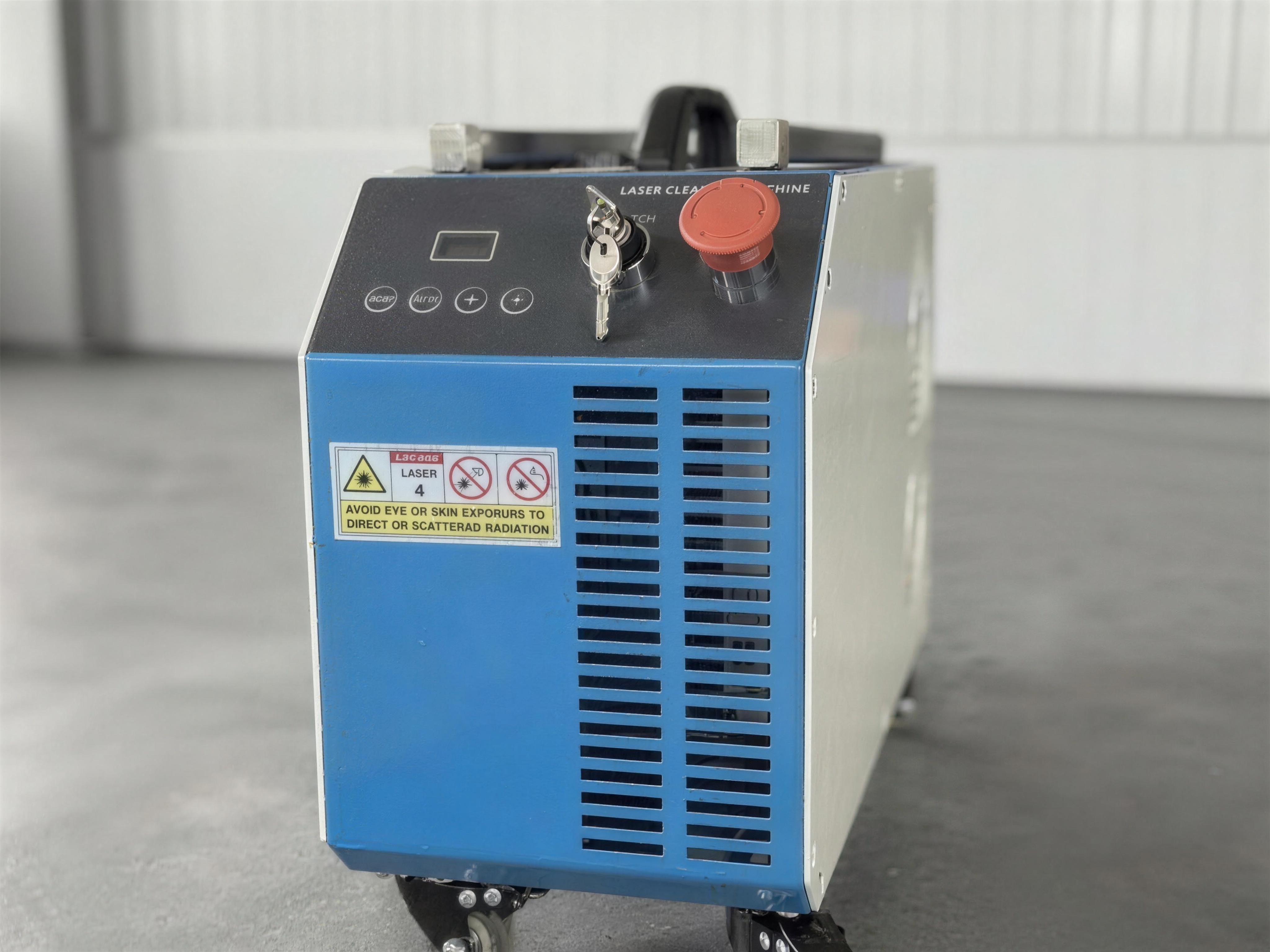
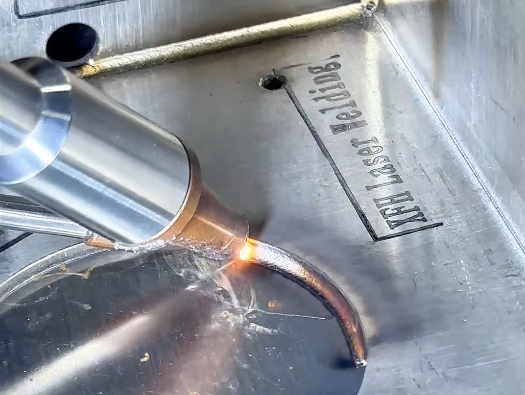
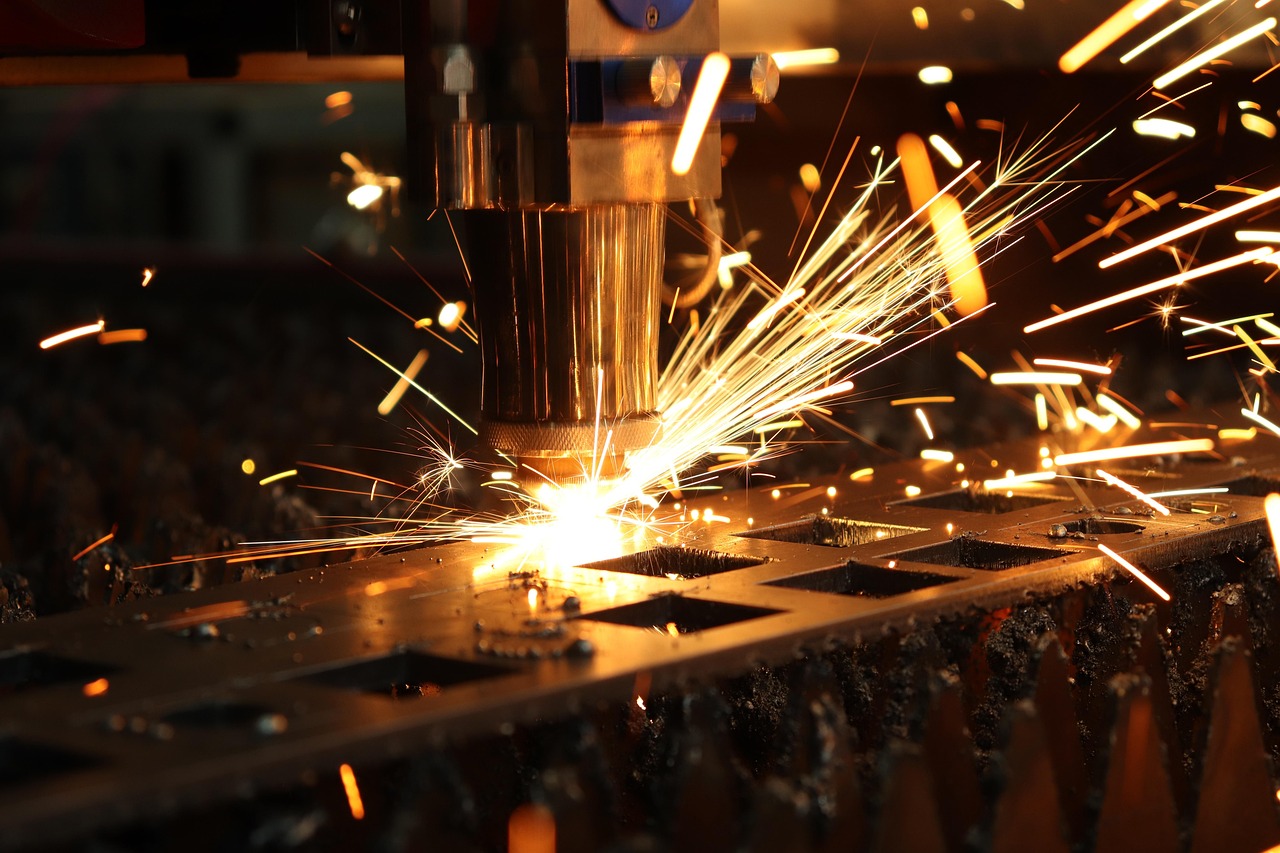
Laser Welders for Sale: How to Choose the Right Laser Welding Machine for Your Business
News 2026-03-13
Introduction
In modern metal fabrication and industrial manufacturing, welding technology plays a crucial role in ensuring product strength, durability, and quality. Traditional welding methods such as TIG and MIG welding have been widely used for decades, but as manufacturing requirements continue to evolve, industries are increasingly seeking faster, more precise, and more efficient welding solutions.
This is where laser welding technology comes in.
Laser welding machines have rapidly become one of the most advanced and efficient metal joining solutions available today. With high precision, fast welding speeds, and minimal heat distortion, laser welding systems are now widely used in industries such as automotive manufacturing, metal fabrication, aerospace engineering, electronics production, and kitchen equipment manufacturing.
As a result, many workshops, fabrication companies, and factories are actively searching for laser welders for sale to upgrade their welding capabilities and improve productivity.
However, choosing the right laser welding machine can be challenging. Buyers must consider several factors including laser power, machine type, cooling systems, welding applications, and budget.
In this guide, we will explain everything you need to know about laser welders for sale, including how they work, the different types available, key features to look for, price ranges, and how to select the best machine for your business.
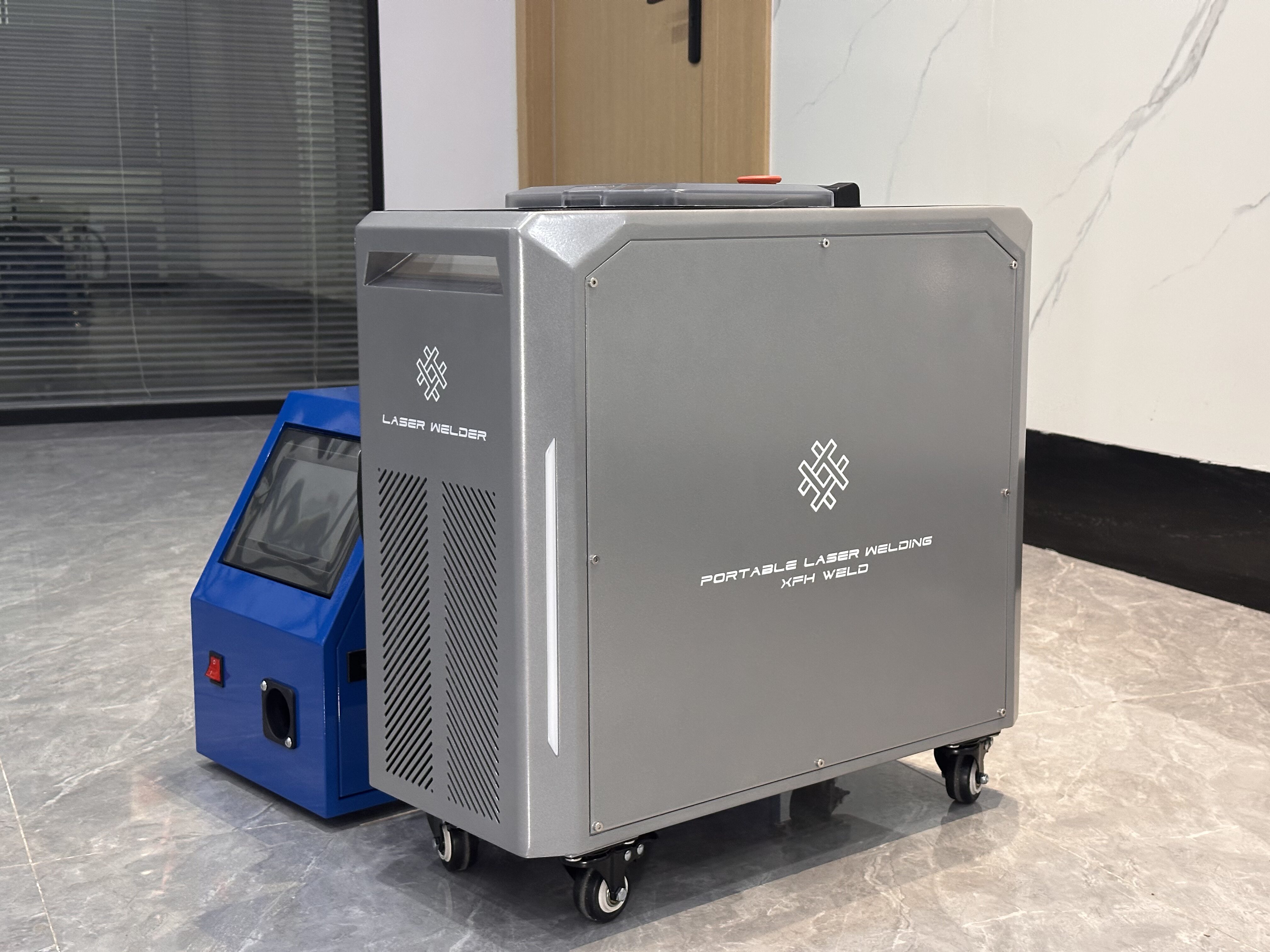

What Are Laser Welders?
Laser welders are machines that use a high-energy laser beam to melt and fuse materials together. The laser beam focuses intense energy onto a very small area of the material, creating a molten pool that solidifies to form a strong welded joint.
Because the laser beam can be precisely controlled, laser welding machines can produce extremely accurate weld seams with minimal heat impact on surrounding materials.
Compared with traditional welding processes, laser welding offers several significant advantages:
- Higher welding precision
- Faster welding speeds
- Smaller heat-affected zones
- Less material deformation
- Cleaner weld seams
These benefits make laser welding machines particularly suitable for industries that require high accuracy and consistent weld quality.
Today, the market offers a wide variety of laser welders for sale, ranging from compact handheld units to fully automated robotic laser welding systems used in large industrial production lines.
Types of Laser Welders for Sale
When searching for laser welders for sale, buyers will typically encounter several main types of machines. Each type is designed for different applications and production environments.
Handheld Laser Welders
Handheld laser welding machines are currently the most popular option for small and medium-sized fabrication workshops.
These machines feature a portable handheld welding gun that allows operators to weld metal parts from different angles with high flexibility.
Handheld laser welders are widely used in industries such as:
- Stainless steel fabrication
- Metal furniture manufacturing
- Kitchen equipment production
- Door and window fabrication
- Sheet metal processing
One of the biggest advantages of handheld laser welders is their ease of use. Many machines feature intuitive control systems and preset welding parameters, making them relatively easy to learn even for operators without extensive welding experience.
Most handheld laser welders operate within a power range of 1000W to 3000W, allowing them to weld materials of varying thickness.
Automatic Laser Welding Machines
Automatic laser welding systems are designed for production environments where high precision and repeatability are required.
These machines often include:
- CNC motion systems
- Precision positioning fixtures
- Computer-controlled welding paths
Automatic laser welding machines are ideal for manufacturing applications where the same welding operation must be repeated many times with consistent quality.
Industries that commonly use automated laser welding systems include automotive manufacturing, electronics production, and appliance manufacturing.
Robotic Laser Welding Systems
Robotic laser welding systems combine industrial robots with high-power laser welding heads.
These systems are designed for fully automated welding processes in large-scale manufacturing facilities.
Advantages of robotic laser welding systems include:
- High production efficiency
- Consistent weld quality
- Reduced labor requirements
- Flexible programming for complex weld paths
Robotic laser welding systems are widely used in industries such as automotive manufacturing, battery production, aerospace engineering, and heavy equipment manufacturing.
Key Features to Consider When Buying Laser Welders
When evaluating laser welders for sale, buyers should carefully examine several important machine features.
Understanding these features will help ensure that the selected machine meets the specific needs of the business.
Laser Power
Laser power is one of the most important factors affecting welding performance.
Higher power lasers can penetrate thicker materials and achieve faster welding speeds.
Typical power levels include:
- 1000W – suitable for thin metal sheets
- 1500W – suitable for medium thickness metals
- 2000W to 3000W – suitable for thicker materials and industrial production
Selecting the appropriate laser power depends largely on the materials and thicknesses that will be welded.
Cooling System
Laser welding machines generate significant heat during operation. To maintain stable performance, most machines use either air cooling or water cooling systems.
Water-cooled systems are typically used for higher-power machines because they provide better temperature control and allow for longer continuous operation.
A reliable cooling system is essential for ensuring the longevity and stability of a laser welding machine.
Welding Modes
Modern laser welding machines often support multiple welding modes, allowing operators to adjust the welding process according to the material and application.
Common welding modes include:
- Continuous welding
- Pulse welding
- Oscillation welding
Oscillation welding is particularly useful for filling larger gaps and creating wider weld seams.
Wire Feeding System
Many handheld laser welders include an automatic wire feeding system.
The wire feeder allows additional filler material to be added during the welding process, which helps improve weld strength and appearance.
Wire feeding is particularly useful when welding materials with gaps or when a fuller weld seam is required.
Typical Price Range of Laser Welders for Sale
The price of laser welding machines can vary significantly depending on power level, machine type, and configuration.
Understanding typical price ranges can help buyers plan their investment more effectively.
Entry-Level Handheld Laser Welders
Entry-level handheld laser welding machines usually cost between $2,500 and $5,000.
These machines are typically suitable for small workshops or businesses that are just beginning to adopt laser welding technology.
Mid-Range Laser Welding Machines
Mid-range laser welding machines generally cost between $6,000 and $12,000.
These machines offer higher power levels and better stability, making them suitable for professional fabrication shops and small manufacturing facilities.
Industrial Laser Welding Systems
Large automated or robotic laser welding systems can cost anywhere from $25,000 to $60,000 or more.
These machines are designed for high-volume production environments and often include advanced automation features.
Materials That Can Be Welded with Laser Welders
Laser welding machines are capable of welding a wide variety of metal materials.
Commonly welded materials include:
- Stainless steel
- Carbon steel
- Aluminum
- Galvanized steel
- Copper alloys
- Titanium
Handheld laser welders are especially effective for thin and medium-thickness metals, typically ranging from 0.5 mm to 5 mm, depending on the laser power.
Because laser welding produces a narrow heat-affected zone, it is particularly suitable for precision metal components where minimal deformation is required.
Applications of Laser Welding Machines
Laser welding technology is used in many industries due to its efficiency and precision.
Metal Fabrication Industry
Laser welding machines are widely used in metal fabrication workshops for producing stainless steel furniture, cabinets, kitchen equipment, and decorative metal products.
The high welding speed and clean weld seams make laser welding ideal for commercial fabrication.
Automotive Industry
Automotive manufacturers use laser welding for assembling body components, transmission parts, and battery packs.
The high precision and repeatability of laser welding ensure consistent weld quality in large production volumes.
Appliance Manufacturing
Home appliances often require precise metal assemblies. Laser welding machines help manufacturers produce strong and reliable joints with minimal deformation.
Advertising and Signage Industry
Laser welding is frequently used for producing stainless steel letters, metal signage frames, and decorative structures.
Handheld laser welders are particularly useful for these applications because they allow flexible welding angles and easy operation.
Advantages of Laser Welders
Laser welding machines offer several advantages compared with traditional welding technologies.
Faster Welding Speed
Laser welding can be significantly faster than traditional welding methods, helping manufacturers increase production efficiency.
Cleaner Weld Seams
Laser welds are typically smooth and aesthetically pleasing, reducing the need for grinding or polishing.
Minimal Thermal Distortion
Because the laser beam concentrates heat in a very small area, surrounding materials experience less thermal stress and deformation.
Reduced Labor Requirements
Many modern laser welding machines are easy to operate, reducing the amount of training required for new operators.
How to Choose the Right Laser Welder
With many laser welders for sale on the market, choosing the right machine requires careful evaluation.
Buyers should consider several key factors.
Material Type
Different metals require different welding parameters and laser power levels.
Before purchasing a laser welding machine, it is important to consider which materials will be welded most frequently.
Material Thickness
Material thickness is another critical factor.
Thicker materials require higher laser power and more stable welding systems.
Production Volume
Small workshops may benefit from flexible handheld laser welders, while large factories may require automated or robotic welding systems.
Budget
While laser welding machines may require a higher initial investment compared with traditional welding equipment, they often provide long-term benefits through increased efficiency and reduced labor costs.
Future Trends in Laser Welding Technology
Laser welding technology continues to evolve as manufacturing becomes more automated and digitally connected.
Some emerging trends include:
- Higher power fiber laser welding machines
- Robotic laser welding automation
- Smart welding parameter control systems
- Integration with Industry 4.0 production systems
As these technologies develop, laser welding machines will continue to play an increasingly important role in modern manufacturing.
Conclusion
Laser welding technology is transforming the way metals are joined in modern manufacturing. With its advantages in precision, speed, and efficiency, laser welding has become an essential tool for many industries.
For businesses searching for laser welders for sale, understanding the different types of machines, key features, and price ranges is essential for making the right investment.
By selecting the right laser welding machine based on materials, production requirements, and budget, manufacturers can significantly improve welding quality and productivity.
As laser technology continues to advance, the adoption of laser welding machines will continue to grow across industries worldwide.