Laser Cleaning Machine Price 2026: Cost Breakdown, Types, ROI & Industrial Buying Guide
News 2026-03-04
Laser cleaning technology has moved from niche industrial use to mainstream adoption across fabrication shops, maintenance facilities, automotive workshops, and heavy industry. As demand increases, one of the most common questions buyers ask is simple:
What is the real laser cleaning machine price in 2026?
The answer depends on power level, cooling method, automation, build quality, and supplier support. In this complete guide, we will break down:
- Types of laser cleaning machines
- Laser cleaning machine price ranges
- What affects the cost
- Air-cooled vs water-cooled systems
- ROI and long-term value
- How to choose the right supplier
If you are considering investing in industrial laser cleaning, this article will give you a clear and practical roadmap.
What Is a Laser Cleaning Machine?
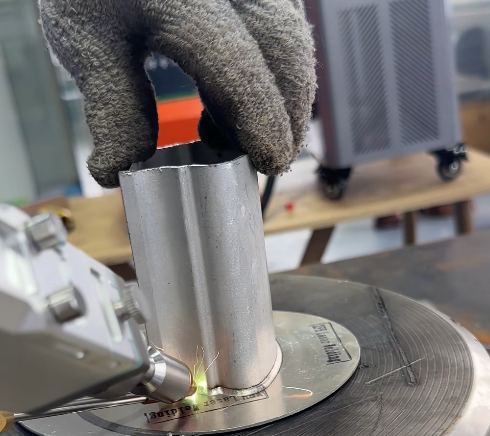
A laser cleaning machine uses high-energy laser beams to remove unwanted surface materials such as:
- Rust
- Paint
- Oil and grease
- Oxide layers
- Coatings
- Carbon deposits
Unlike sandblasting or chemical stripping, laser cleaning is:
- Non-contact
- Chemical-free
- Highly precise
- Environmentally friendly
The laser energy vaporizes or ablates contaminants while preserving the base metal underneath. This makes it ideal for industrial surface preparation and precision maintenance tasks.
Why Laser Cleaning Is Replacing Traditional Methods
Before diving into laser cleaning machine price, it’s important to understand why companies are switching from traditional cleaning methods.
1. No Abrasive Media
Sandblasting requires large quantities of abrasive materials and generates dust and waste. Laser cleaning produces minimal secondary waste.
2. No Chemicals
Chemical stripping involves hazardous materials and disposal regulations. Laser cleaning is dry and chemical-free.
3. Higher Precision
Grinding and blasting can damage substrates. Laser rust removal machines can selectively remove contamination without harming the base material.
4. Lower Long-Term Labor Cost
Laser systems improve consistency and reduce manual labor time.
These advantages explain why the cost of laser cleaning systems is becoming easier to justify in many industries.
Types of Laser Cleaning Machines
Laser cleaning machine price varies significantly depending on system type.
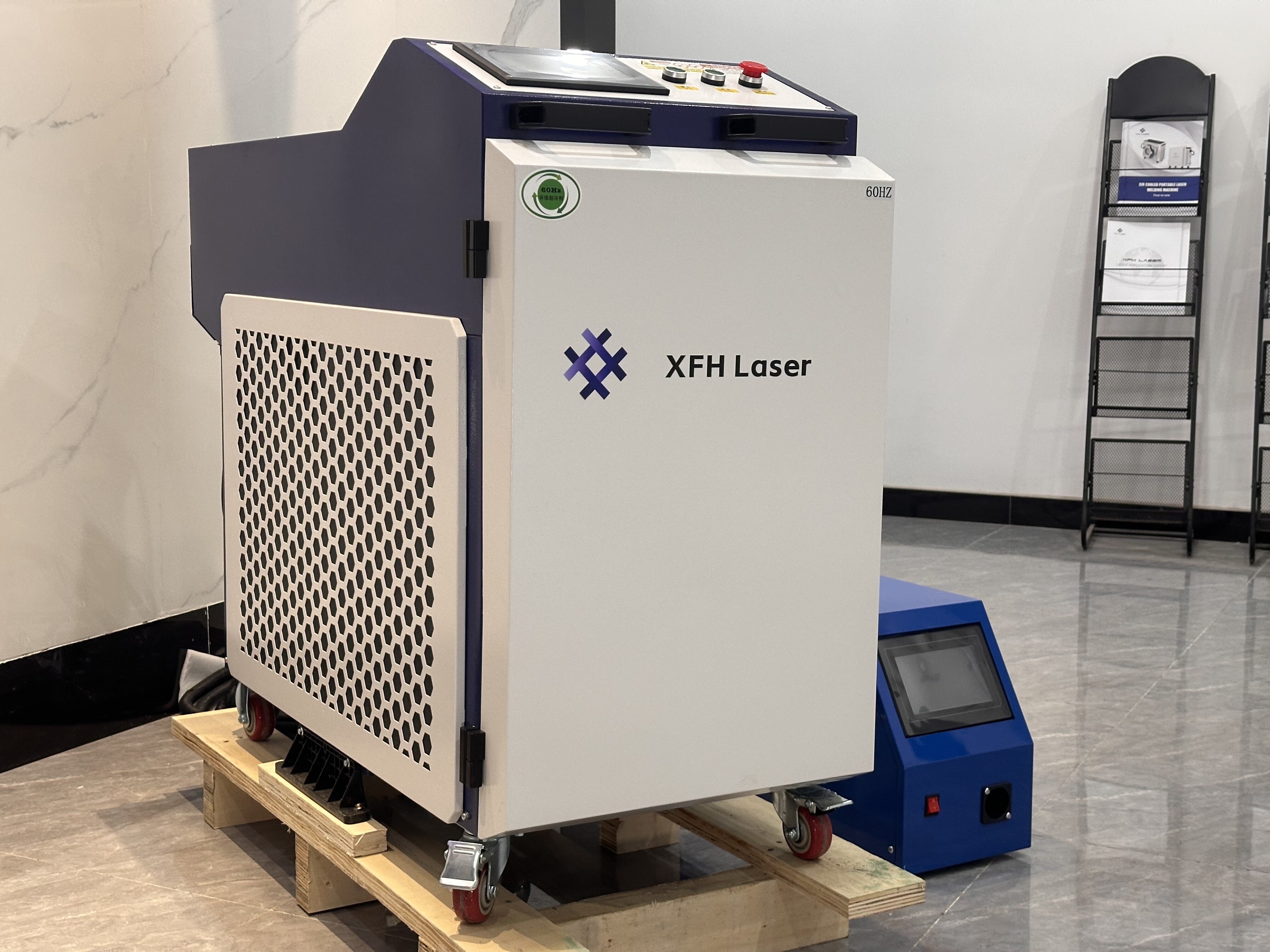
1. Portable Handheld Laser Cleaner
These are compact systems designed for mobility and on-site work.
Best for:
- Maintenance teams
- Small workshops
- Spot rust removal
- Weld seam cleaning
Advantages:
- Lightweight
- Easy setup
- Lower upfront investment
Limitations:
- Lower power output
- Not ideal for 24/7 heavy-duty production
2. Industrial Fixed Laser Cleaning System
Installed in factories or production lines.
Best for:
- Continuous industrial cleaning
- Surface prep before welding or coating
- Mold and die maintenance
Advantages:
- Higher power (1000W–3000W+)
- Greater efficiency
- More stable performance
Limitations:
- Higher laser cleaning machine price
- Requires installation space
3. Robotic Laser Cleaning System
Laser head mounted on robotic arms.
Best for:
- Automotive production
- Aerospace components
- Large-scale repetitive tasks
Advantages:
- Automation
- Precision repeatability
- High productivity
Limitations:
- Highest investment level
Laser Cleaning Machine Price in 2026
Now let’s answer the most searched question:
What is the average laser cleaning machine price?
Below is a realistic market overview:
Entry-Level Portable Systems
$1,000 – $5,000
- Lower power (100W–300W)
- Suitable for light rust removal
- Basic air-cooled systems
These are often marketed as entry-level laser rust removal machines. Performance may vary depending on build quality.
Mid-Range Industrial Units
$3,000 – $6,000
- 500W–1500W output
- Improved stability
- Better cooling systems
- More adjustable parameters
This category offers the best balance between performance and laser surface cleaning price.
High-Power Industrial Systems
$4,000 – $10,000+
- 2000W–3000W+ power
- Water-cooled systems
- Automation-ready
- Industrial-grade components
These systems are built for continuous operation and heavy contamination removal.
What Affects Laser Cleaning Machine Price?
Understanding price factors helps avoid overpaying or under-investing.
1. Laser Power (Wattage)
Higher wattage increases:
- Cleaning speed
- Depth capability
- Efficiency on thick rust
Power directly impacts laser cleaning machine price.
2. Pulse vs Continuous Wave
Pulsed laser cleaning machines provide:
- Better precision
- Less substrate heating
- Fine surface control
Continuous wave systems are often cheaper but less precise for delicate applications.
3. Cooling System
Cooling design significantly influences cost.
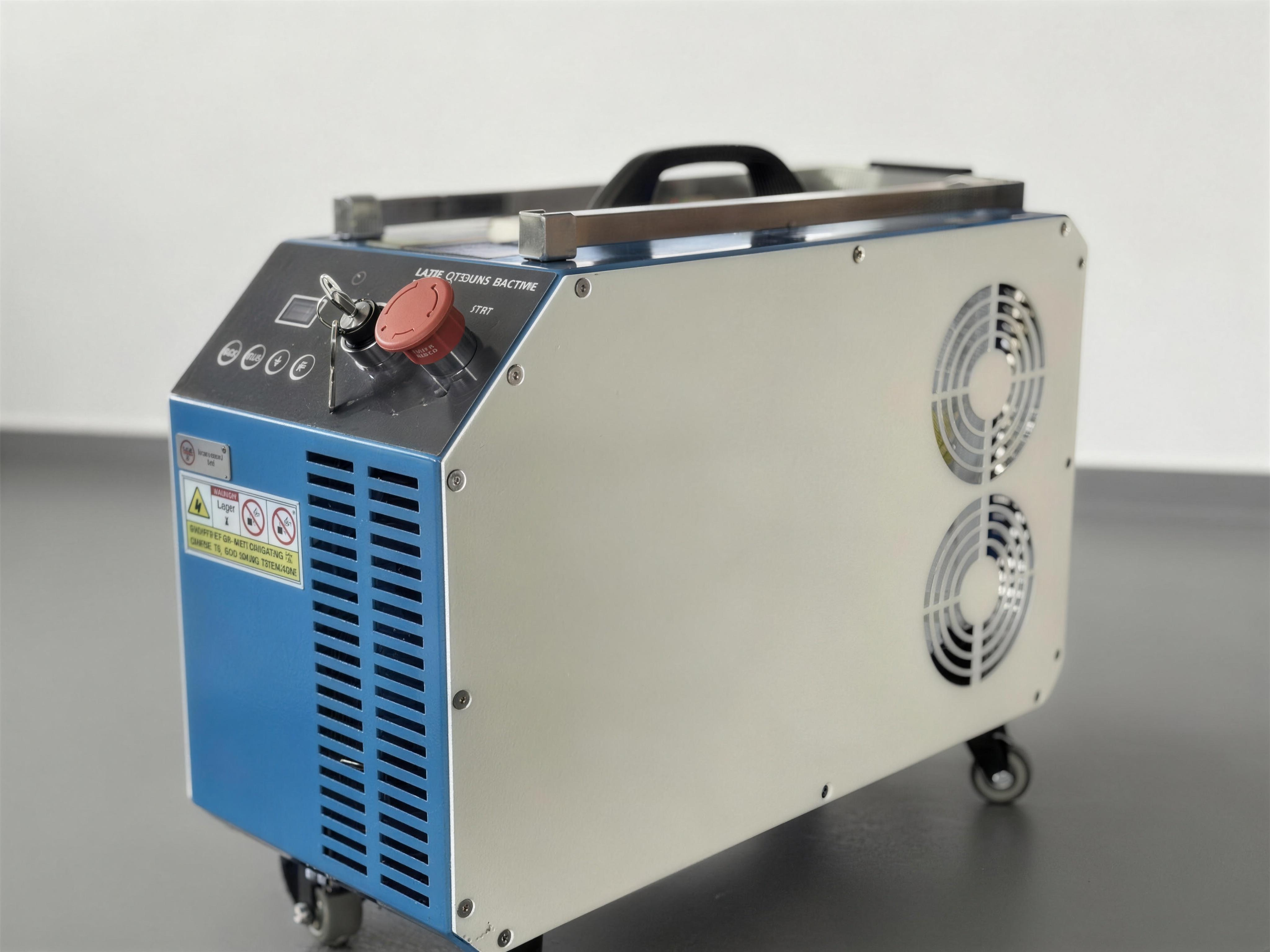
Air-Cooled Laser Cleaning Machines
Pros:
- Lower price
- Compact design
- Easy maintenance
Cons:
- Limited duty cycle
- Sensitive to ambient temperature
Best for intermittent use and portable work.
Water-Cooled Laser Cleaning Machines
Pros:
- Stable long-duration operation
- Higher power capability
- Better thermal management
Cons:
- Higher initial investment
- Requires chiller maintenance
Water-cooled systems typically increase laser cleaning machine price but provide better industrial performance.
4. Build Quality and Components
Industrial-grade optics and laser sources cost more but provide:
- Longer lifespan
- More stable beam quality
- Lower failure rate
Cheap components reduce upfront price but increase long-term maintenance cost.
5. Automation & Software
Advanced systems may include:
- Parameter presets
- Adjustable pulse frequency
- Digital interface
- Robotic compatibility
More advanced controls increase overall cost of laser cleaning systems.
Laser Cleaning Machine Price vs ROI
Instead of focusing only on upfront cost, smart buyers analyze return on investment.
1. Labor Savings
Manual grinding requires time and skilled labor. Laser cleaning improves efficiency.
2. Reduced Consumables
No sand, no chemicals, no abrasive discs.
3. Lower Rework Rate
Precise cleaning improves coating adhesion and weld quality.
4. Environmental Compliance
Reduced hazardous waste lowers regulatory costs.
In many cases, industrial laser cleaning machines recover investment within 1–3 years.
Laser Cleaning vs Traditional Cleaning Cost Comparison
| Method | Initial Cost | Operating Cost | Environmental Impact | Precision |
|---|---|---|---|---|
| Sandblasting | Low | High | High dust waste | Medium |
| Chemical Stripping | Medium | High | Hazardous waste | Medium |
| Manual Grinding | Low | High labor | Medium | Low |
| Laser Cleaning Machine | Medium–High | Low | Very Low | High |
Although laser cleaning machine price appears higher initially, operating costs are often lower long-term.
Common Applications Driving Demand
Rust Removal in Steel Structures
Laser rust removal machines are widely used for:
- Construction beams
- Industrial frames
- Ship parts
Surface Preparation Before Welding
Removing oxide improves weld penetration and strength.
Mold Cleaning
Laser cleaning eliminates carbon buildup without damaging molds.
Automotive Parts Refurbishment
Perfect for paint stripping and part restoration.
Industrial Maintenance
Cleaning production equipment without disassembly reduces downtime.
How to Choose the Right Laser Cleaning Machine
Before evaluating laser cleaning machine price, define:
- Type of contamination
- Material thickness
- Required cleaning speed
- Daily operation hours
- Mobility requirements
Step 1: Select Power Level
- Light rust → 200W–500W
- Moderate rust → 1000W
- Heavy industrial rust → 1500W–3000W
Step 2: Choose Cooling System
- Portable and occasional use → Air-cooled
- Continuous factory use → Water-cooled
Step 3: Evaluate Supplier Support
Important questions:
- Do they provide training?
- Is technical support available?
- Are spare parts accessible?
- What warranty is included?
A lower laser cleaning machine price without support can become costly later.
Future Trends Affecting Laser Cleaning Machine Price
1. More Compact Designs
Smaller, portable systems are becoming more affordable.
2. Improved Energy Efficiency
Better laser source efficiency reduces power consumption.
3. Automation Integration
Robotic cleaning systems are becoming more common in manufacturing.
4. Growing Market Competition
As more manufacturers enter the market, laser cleaning machine price continues to become more competitive.
Safety Considerations
Laser cleaning systems require:
- Laser safety goggles
- Controlled work area
- Proper ventilation
- Operator training
Safety investment should be factored into total project cost.
Final Thoughts: Is a Laser Cleaning Machine Worth the Price?
The true value of a laser cleaning machine is not defined only by purchase price. Instead, it should be evaluated based on:
- Productivity gains
- Surface quality improvements
- Labor reduction
- Environmental benefits
- Long-term durability
In 2026, laser cleaning technology is no longer experimental. It is a proven industrial solution with scalable price options ranging from small portable systems to fully automated high-power industrial platforms.
By understanding the full cost breakdown and application needs, buyers can confidently choose the right system and achieve strong ROI.