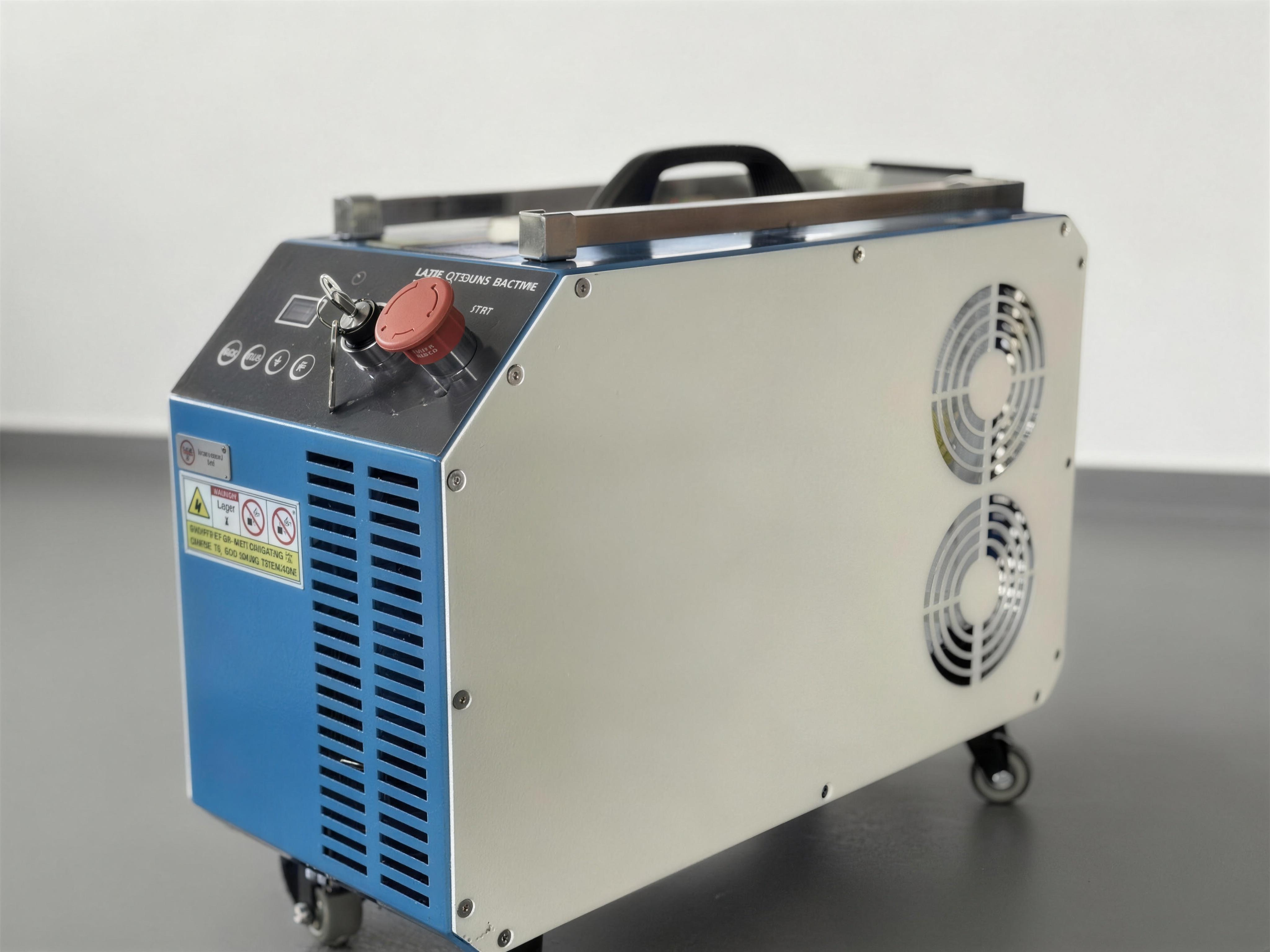
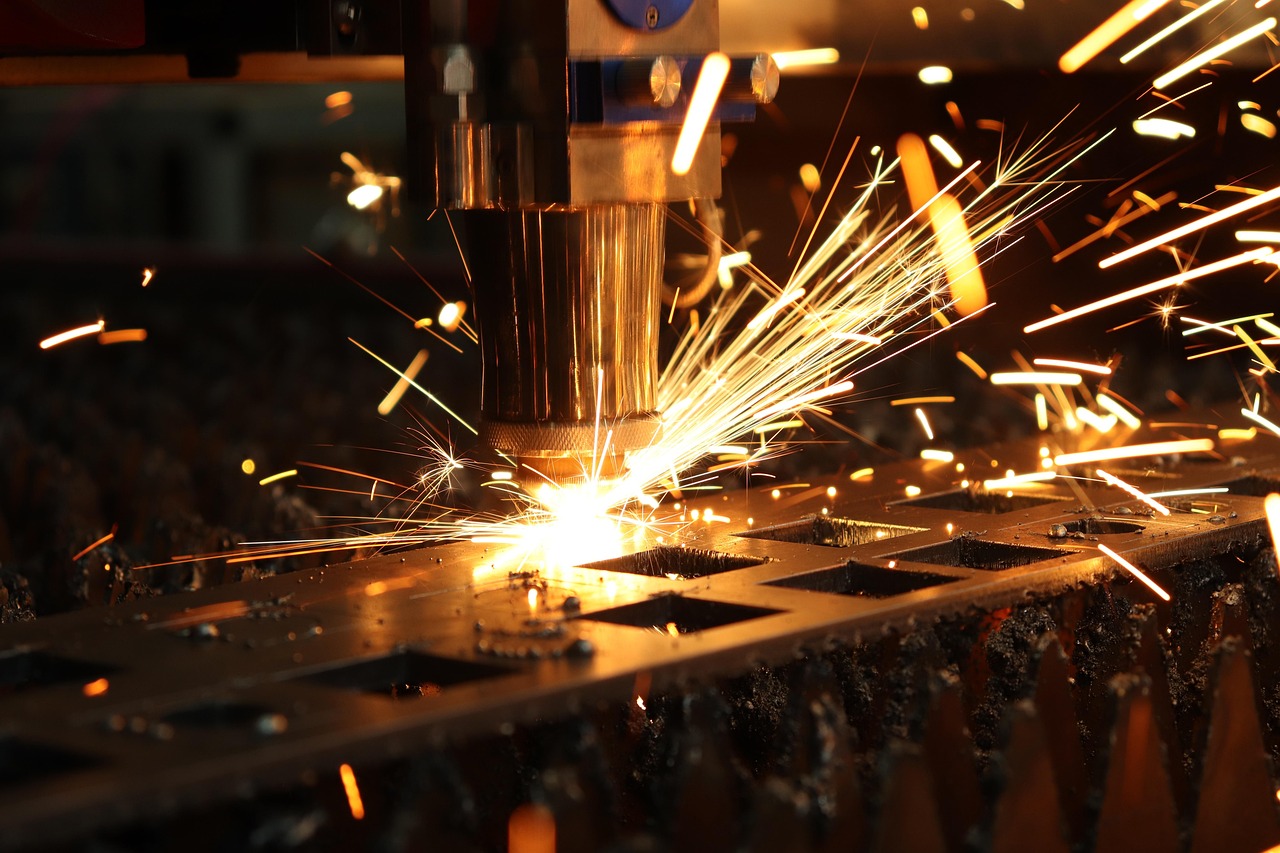
Laser Cleaner Machine: The Complete Guide to Modern Laser Cleaning Technology
News 2026-03-05
Introduction
In modern manufacturing and industrial maintenance, surface cleaning plays a critical role in ensuring product quality, equipment longevity, and production efficiency. Traditional cleaning methods such as sandblasting, chemical cleaning, and mechanical grinding have long been used to remove rust, paint, grease, and other contaminants from metal surfaces. However, these methods often produce dust, require chemical waste disposal, or risk damaging the material surface.
A Laser Cleaner Machine has emerged as a revolutionary solution that solves many of these problems. By using high-energy laser beams to remove contaminants from surfaces without damaging the base material, a laser cleaner machine provides an environmentally friendly, precise, and highly efficient cleaning method.
Today, laser cleaning machines are widely used in industries such as automotive manufacturing, metal fabrication, aerospace, shipbuilding, mold maintenance, and cultural relic restoration.
This article will explore everything you need to know about laser cleaner machines, including how they work, their advantages, applications, and how to choose the right laser cleaning system for your needs.
What Is a Laser Cleaner Machine?
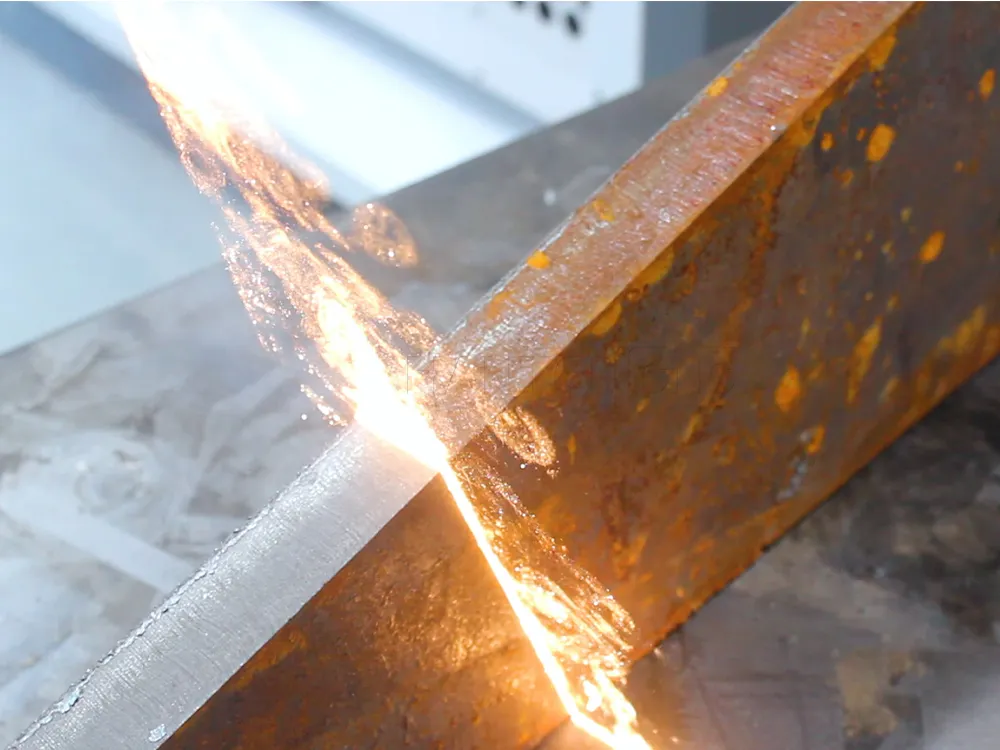
A Laser Cleaner Machine is an advanced industrial system that uses laser technology to remove rust, oxide layers, oil stains, paint coatings, and other contaminants from material surfaces.
Unlike traditional cleaning methods that rely on mechanical force or chemicals, a laser cleaner machine uses high-intensity laser pulses to evaporate or separate contaminants from the substrate.
When the laser beam hits the contaminated surface:
- The contaminant absorbs laser energy
- The material rapidly heats up
- Contaminants vaporize or detach from the surface
The base material remains largely unaffected because the laser parameters are precisely controlled.
As a result, a laser cleaning machine can clean surfaces without abrasion, chemicals, or secondary pollution.
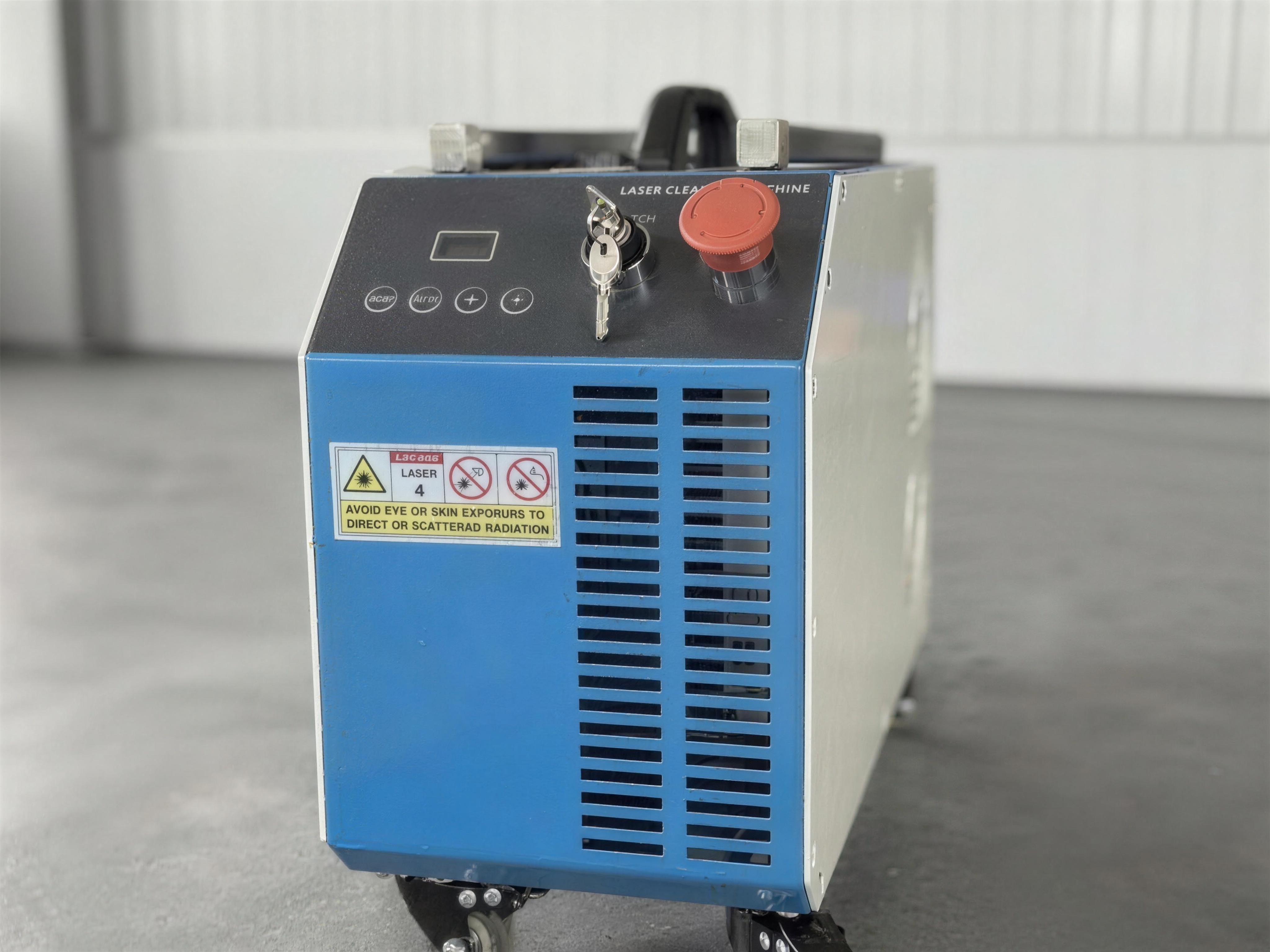
How Does a Laser Cleaning Machine Work?
Understanding the working principle of a laser cleaner machine helps explain why it has become so popular in industrial applications.
The laser cleaning process mainly relies on laser ablation.
Laser Ablation Principle
When a laser beam is directed at a contaminated surface:
- The contaminant absorbs the laser energy faster than the base metal.
- Rapid heating causes the contaminant layer to expand or vaporize.
- The contaminant separates from the surface.
- The base material remains intact.
Because the laser energy can be adjusted, a laser cleaner machine can selectively remove unwanted layers while protecting the underlying material.
Components of a Laser Cleaner Machine
A typical laser cleaner machine includes several key components:
Fiber Laser Source
The laser generator produces the high-energy beam used for cleaning. Most modern laser cleaning machines use fiber laser technology for stability and efficiency.
Laser Cleaning Head
The cleaning head focuses and scans the laser beam across the surface.
Control System
This allows operators to adjust power, scanning speed, and cleaning patterns.
Cooling System
High-power laser cleaner machines often require water cooling systems to maintain stable operation.
Handheld Cleaning Gun
Many systems include a handheld laser cleaning machine design for flexible operation.
Types of Laser Cleaning Machines
Different applications require different types of laser cleaner machines.
Continuous Fiber Laser Cleaning Machine
A fiber laser cleaning machine uses continuous laser output and is commonly used for heavy rust removal, paint stripping, and industrial cleaning tasks.
Advantages include:
- High power output
- Fast cleaning speed
- Suitable for thick contamination layers
These machines are often used in shipbuilding, steel manufacturing, and construction equipment maintenance.
Pulse Laser Cleaning Machine
Pulse technology offers more precise control over laser energy.
A pulse laser cleaner machine is ideal for delicate cleaning tasks such as:
- Mold cleaning
- Cultural relic restoration
- Precision components
- Electronics industry
Pulse lasers minimize heat impact on sensitive surfaces.
Handheld Laser Cleaning Machine
A handheld laser cleaner machine provides flexibility and mobility.
Operators can easily clean:
- Weld seams
- Metal structures
- Machine parts
- Automotive components
Because of its portability, this type of laser cleaner machine is widely used in repair workshops and manufacturing plants.
Advantages of Using a Laser Cleaner Machine
Compared with traditional cleaning methods, laser cleaning technology offers many significant advantages in modern industrial applications.
Environmentally Friendly
Unlike chemical cleaning or sandblasting, this technology does not require harsh chemicals or abrasive materials. The process produces very little waste and significantly reduces environmental pollution.
Because of this, laser-based surface cleaning is widely regarded as a sustainable and eco-friendly solution for modern manufacturing.
Non-Contact Cleaning
One of the biggest advantages of laser technology is that the cleaning process is completely non-contact. The laser beam removes contaminants without applying physical force to the material surface.
This is especially important for delicate components, precision parts, and expensive industrial molds.
High Precision
Laser systems can remove extremely thin contamination layers with exceptional accuracy. Operators can precisely control parameters such as power, scanning speed, and focus to achieve optimal results.
This level of precision makes laser cleaning ideal for industries such as aerospace, electronics manufacturing, and high-precision engineering.
Low Maintenance
Traditional surface cleaning methods often require frequent maintenance and replacement of consumables such as sand, chemicals, or grinding tools.
In contrast, laser cleaning equipment requires very few consumables and generally offers lower long-term operating costs.
Automation Compatibility
Modern laser cleaning solutions can easily be integrated with robotic arms and automated production lines. This allows manufacturers to perform consistent, high-speed surface treatment while reducing manual labor and increasing productivity.
Applications of Laser Cleaning Technology
Laser-based surface treatment is widely used across many industries due to its efficiency and flexibility.
Metal Rust Removal
Rust removal is one of the most common uses of laser cleaning equipment. Compared with traditional grinding or sandblasting, laser rust removal is faster, cleaner, and produces far less dust.
Industries that commonly use this technology include:
- Steel structure manufacturing
- Shipbuilding
- Automotive production
- Construction machinery maintenance
Paint and Coating Removal
Laser technology can efficiently strip paint and surface coatings while protecting the base material. This makes it particularly useful for maintenance and refurbishment tasks.
Typical applications include:
- Aircraft maintenance
- Automotive body repair
- Industrial equipment restoration
Mold Cleaning
In industries such as tire manufacturing and plastic injection molding, molds gradually accumulate residue during production.
Laser systems can remove these deposits quickly and accurately without disassembling the mold, which greatly improves maintenance efficiency and reduces production downtime.
Welding Surface Preparation
Before welding, metal surfaces must be free from oil, rust, and oxide layers.
Laser cleaning technology ensures a clean surface before welding, which helps improve weld strength and reduces defects in the final product.
Cultural Heritage Restoration
Pulse laser systems are also widely used in the restoration of historical artifacts, sculptures, and monuments.
Because the laser beam can precisely control energy output, delicate surfaces can be cleaned without damaging the original material.
How to Choose the Right Laser Cleaner Machine
Choosing the right laser cleaner machine depends on several factors.
Cleaning Material
Different materials require different laser parameters.
Common materials include:
- Steel
- Aluminum
- Copper
- Stainless steel
Contamination Type
You should consider what needs to be removed:
- Rust
- Paint
- Oil
- Oxide layer
The contamination thickness determines the required power.
Laser Power
Common power options for a laser cleaner machine include:
- 100W
- 200W
- 500W
- 1000W
- 2000W+
Higher power machines clean faster but cost more.
Working Environment
Consider whether the machine will be used:
- In factories
- On production lines
- For mobile repair work
A handheld laser cleaning machine may be the best option for flexible environments.
Maintenance Tips for Laser Cleaner Machines
To ensure long service life, proper maintenance of a laser cleaner machine is essential.
Keep Optical Components Clean
Dust or contamination on optical lenses can affect cleaning performance.
Check Cooling Systems
Water cooling systems must be properly maintained to prevent overheating.
Inspect Laser Source
Regular inspection ensures stable laser output.
Train Operators
Proper training helps prevent incorrect operation and equipment damage.
Future Trends of Laser Cleaning Technology
The demand for laser cleaner machines continues to grow as industries adopt greener manufacturing technologies.
Future trends include:
- Higher power fiber lasers
- More compact handheld designs
- Integration with robotic automation
- AI-assisted cleaning systems
As technology advances, laser cleaner machines will become even more efficient and widely used across industries.
Conclusion
A Laser Cleaner Machine represents a major advancement in industrial surface treatment technology. With advantages such as non-contact cleaning, environmental friendliness, high precision, and low operating costs, laser cleaning machines are rapidly replacing traditional cleaning methods.
From rust removal and paint stripping to mold maintenance and heritage restoration, the applications of laser cleaner machines continue to expand.
As industries move toward cleaner and more efficient production methods, investing in a laser cleaning machine can significantly improve productivity while reducing environmental impact.
For manufacturers, repair workshops, and industrial maintenance teams, adopting a laser cleaner machine is not only a technological upgrade but also a smart step toward the future of modern manufacturing.