Laser Beam Welding: Process, Advantages, Applications & Industrial Guide
News 2026-03-09
Introduction
Modern manufacturing industries demand higher precision, faster production speeds, and consistent product quality. Traditional welding methods such as MIG, TIG, and resistance welding have served the industry for decades, but they often struggle to meet the requirements of modern high-precision manufacturing.
This is where laser beam welding has become a transformative technology.
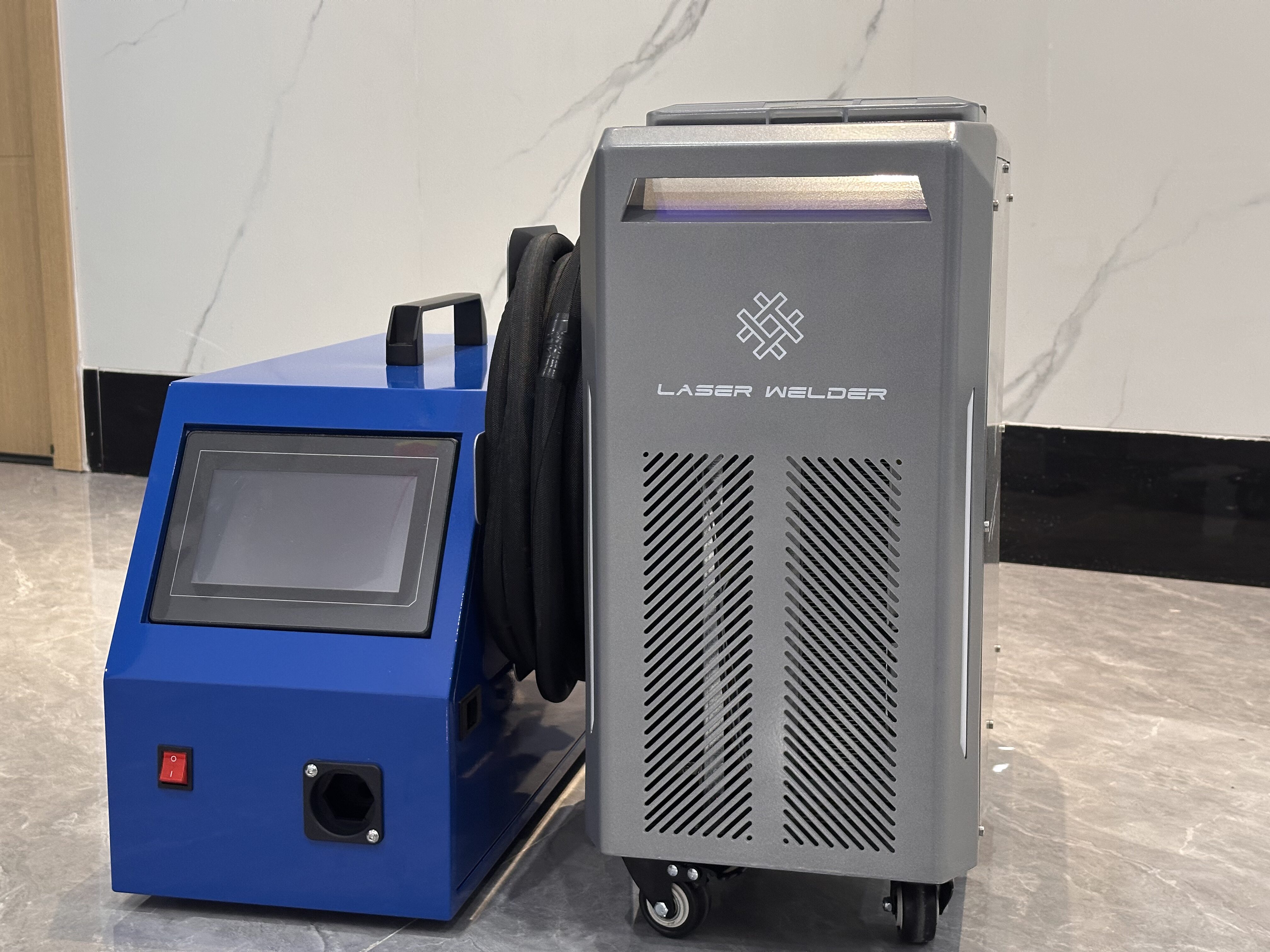
Laser beam welding is an advanced joining process that uses a highly concentrated laser beam to melt and fuse materials together. The process produces narrow weld seams, minimal heat distortion, and extremely strong joints. Because of these advantages, laser welding technology is now widely used across industries including automotive manufacturing, aerospace engineering, electronics production, and battery manufacturing.
As factories move toward automation and smart manufacturing, laser welding machines are becoming essential equipment in modern production lines. With the ability to integrate with robotic systems and automated assembly lines, laser welding technology helps manufacturers improve productivity while reducing labor costs.
In this guide, we will explore the working principle of laser beam welding, its advantages, major industrial applications, and why many factories are transitioning to fiber laser welding systems.
What Is Laser Beam Welding?
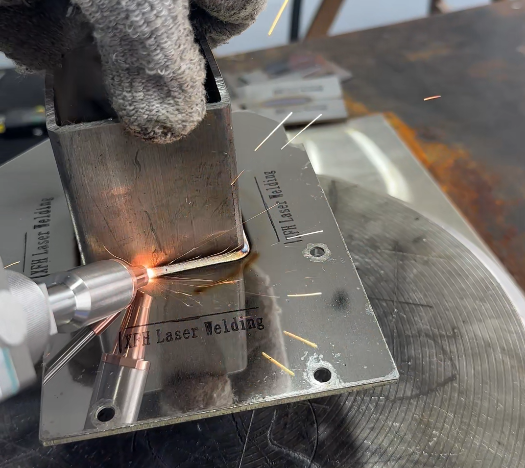
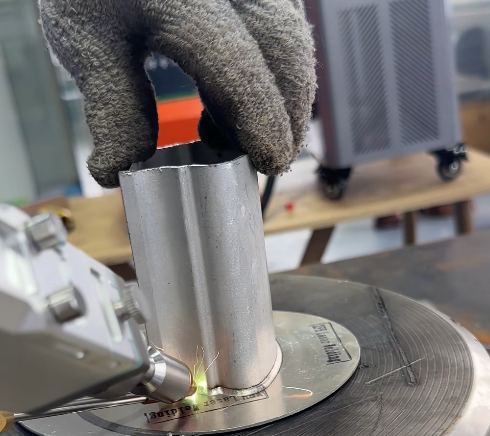
Laser beam welding (LBW) is a welding process that uses a focused laser beam as the heat source to join two materials together. The high-energy beam rapidly heats the metal surface, causing it to melt and form a molten pool. As the molten material cools and solidifies, a strong weld joint is formed.
Unlike traditional welding methods that rely on electrical arcs or mechanical pressure, laser beam welding delivers energy in a highly concentrated and controlled manner. This allows manufacturers to produce extremely precise welds with minimal heat-affected zones.
The process can be performed using different types of laser welding machines, including fiber lasers, CO₂ lasers, and diode lasers. Among these technologies, fiber laser welding systems are currently the most widely used in industrial manufacturing because they offer high efficiency, stable beam quality, and lower maintenance requirements.
Another key advantage of laser beam welding is its flexibility. The process can be applied to both thin materials and thick metal components, making it suitable for a wide range of manufacturing tasks.
How Laser Beam Welding Works
Understanding the laser welding process helps manufacturers determine whether this technology is suitable for their production needs.
The basic working principle of laser beam welding involves several key steps.
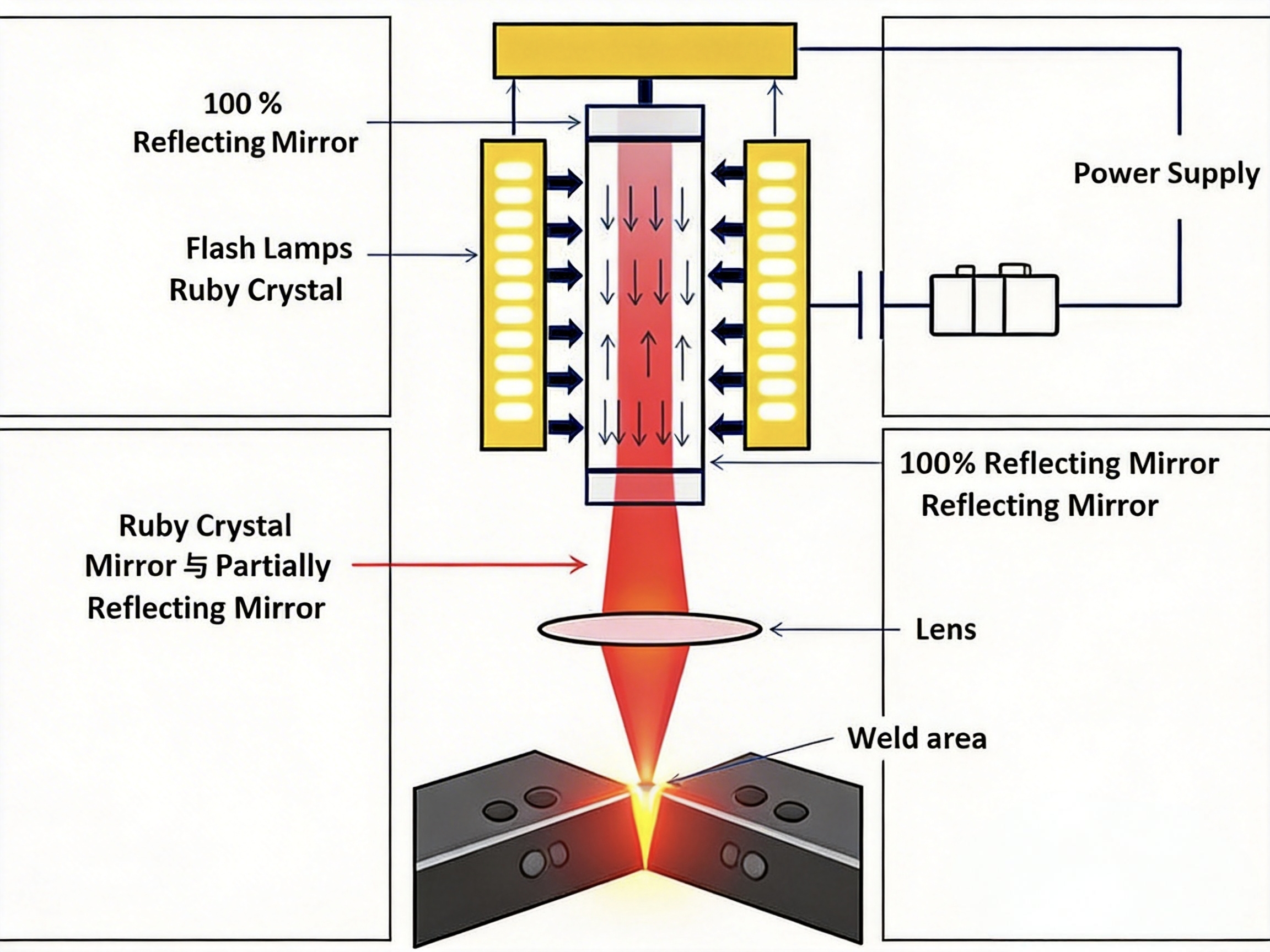
First, the laser source generates a high-intensity beam of light. This beam is directed through optical components such as mirrors or fiber optics, which guide the laser to the welding head.
Next, focusing lenses concentrate the beam into a very small spot on the surface of the material. Because the energy is concentrated in such a small area, the temperature rises rapidly.
When the material absorbs the laser energy, it melts and forms a molten pool. As the laser moves along the joint, the molten metal solidifies and creates a continuous weld seam.
The entire process occurs within milliseconds, which allows laser welding machines to operate at very high speeds.
Depending on the laser power and process settings, the welding process can operate in two primary modes: conduction welding and keyhole welding.
Types of Laser Beam Welding
Laser beam welding can be performed using different techniques depending on the material type, thickness, and desired weld characteristics.
Conduction Welding
Conduction welding occurs when the laser heats the surface of the material without deeply penetrating it.
In this mode, heat is transferred through the material by thermal conduction. The resulting weld seam is smooth and visually appealing, making this method suitable for thin materials and applications where appearance is important.
Conduction welding is commonly used in electronics manufacturing and medical device production.
Keyhole Welding
Keyhole welding uses higher laser power to create a vapor cavity in the molten metal. This cavity allows the laser beam to penetrate deeper into the material.
As the laser moves along the joint, molten metal flows around the cavity and solidifies behind it, forming a deep and narrow weld seam.
Keyhole welding is often used in heavy industrial applications such as automotive components and structural metal fabrication.
Pulsed Laser Welding
Pulsed laser welding uses short bursts of laser energy rather than a continuous beam. This technique allows precise control of heat input and is ideal for delicate components or thin materials.
Pulsed laser welding is commonly used in electronics, battery welding, and jewelry manufacturing.
Continuous Wave Laser Welding
Continuous wave lasers emit a steady beam of energy and are typically used in high-speed industrial production environments.
This process is widely used in automated laser welding systems for mass production.
Advantages of Laser Beam Welding
Laser beam welding offers numerous advantages compared with conventional welding technologies.
High Precision
Because the laser beam can be focused into an extremely small spot, laser welding machines can produce highly precise weld seams.
This level of accuracy is particularly important in industries such as electronics manufacturing and medical device production.
Minimal Heat Distortion
Traditional welding processes often generate large heat-affected zones that can distort the material.
Laser beam welding uses concentrated heat, which minimizes thermal distortion and preserves the mechanical properties of the surrounding material.
High Welding Speed
Laser welding technology allows materials to melt and solidify quickly, enabling faster production speeds.
For large-scale manufacturing operations, this increased speed can significantly improve productivity.
Strong and Clean Welds
Laser welding produces narrow weld seams with excellent mechanical strength. Because the process does not require filler materials in many cases, the resulting welds are clean and consistent.
Automation Compatibility
One of the biggest advantages of laser welding machines is their ability to integrate with robotic systems and automated production lines.
Automated laser welding systems can perform repetitive tasks with high accuracy and minimal human intervention.
Materials Suitable for Laser Beam Welding
Laser beam welding can be used to join a wide variety of metals and alloys.
Common materials include:
- Stainless steel
- Carbon steel
- Aluminum alloys
- Titanium
- Nickel alloys
- Copper alloys
The process is also capable of welding certain dissimilar metals that are difficult to join using traditional methods.
This versatility makes laser welding technology an attractive option for many industrial manufacturers.
Industrial Applications of Laser Beam Welding
Laser beam welding has become a critical technology in many industries.
Automotive Manufacturing
Automotive companies use laser welding machines for a wide range of components, including:
Car body panels
Transmission components
Exhaust systems
Electric vehicle battery modules
Laser welding improves structural strength while reducing vehicle weight.
Aerospace Industry
In aerospace manufacturing, precision and reliability are essential.
Laser beam welding is used to manufacture aircraft structures, turbine components, and high-performance alloys. The process ensures strong joints while minimizing thermal distortion.
Electronics Manufacturing
The electronics industry requires extremely precise welding for small components.
Laser welding technology is used to produce:
Sensors
Connectors
Microelectronic devices
Battery tabs
Because of its precision, fiber laser welding is ideal for micro-scale applications.
Medical Device Manufacturing
Medical devices require extremely clean and reliable welds.
Laser welding machines are used to manufacture surgical tools, implants, and diagnostic equipment.
Battery and Energy Industry
With the rapid growth of electric vehicles and energy storage systems, laser beam welding is increasingly used for battery cell production and module assembly.
Laser Beam Welding vs Traditional Welding Methods
When comparing laser beam welding with conventional welding methods, several differences become clear.
Traditional welding processes such as MIG and TIG often require filler materials, produce larger heat-affected zones, and may generate more spatter.
Laser welding technology, on the other hand, offers higher precision, faster processing speeds, and cleaner weld seams.
However, laser welding equipment typically requires a higher initial investment. Despite this, many manufacturers find that the long-term productivity gains justify the cost.
Challenges and Limitations of Laser Beam Welding
Although laser beam welding offers many advantages, it also has certain limitations.
One challenge is the higher cost of laser welding machines compared with traditional welding equipment.
Another factor is that operators must understand laser parameters such as power, focus position, and welding speed in order to achieve optimal results.
Additionally, some highly reflective metals may require specialized laser sources to ensure efficient energy absorption.
Despite these challenges, continuous improvements in laser technology are making laser welding more accessible to manufacturers around the world.
Future Trends in Laser Welding Technology
The future of laser beam welding is closely connected with automation and smart manufacturing.
Several trends are shaping the development of this technology.
First, fiber laser welding systems are becoming more powerful and energy efficient.
Second, robotic laser welding systems are increasingly used in fully automated production lines.
Third, advanced monitoring systems and artificial intelligence are being integrated into welding equipment to improve process control and quality assurance.
These innovations will continue to expand the applications of laser welding technology across many industries.
Conclusion
Laser beam welding has become one of the most important joining technologies in modern manufacturing.
Its ability to deliver high precision, fast production speeds, and strong weld joints makes it ideal for industries that require reliability and efficiency.
From automotive production to aerospace engineering and electronics manufacturing, laser welding machines are transforming the way industrial components are joined.
As fiber laser technology continues to evolve and automation becomes more widespread, laser beam welding will play an even greater role in the future of advanced manufacturing.
Manufacturers that adopt this technology can achieve higher productivity, better product quality, and improved long-term competitiveness.