Handheld Welder Applications: Real-World Uses, Benefits & Pro Tips for 2026
News 2026-02-25
Introduction
Modern fabrication and repair work increasingly demand mobility, flexibility, and efficiency. Large stationary welding systems are powerful but often impractical outside controlled workshop environments. This is where the handheld welder has transformed the industry.
Portable welding machines allow technicians, contractors, mechanics, and DIY users to perform high-quality welds almost anywhere — from construction sites to farm equipment repairs, from home garages to emergency field operations. As technology advances, these compact tools are becoming more powerful, reliable, and accessible than ever before.
However, many buyers focus only on specifications and price while overlooking the most important factor: how the machine performs in real-world applications.
This article explores how handheld welders are actually used across industries, their advantages in mobile environments, practical limitations, and expert tips for maximizing productivity and safety in 2026.
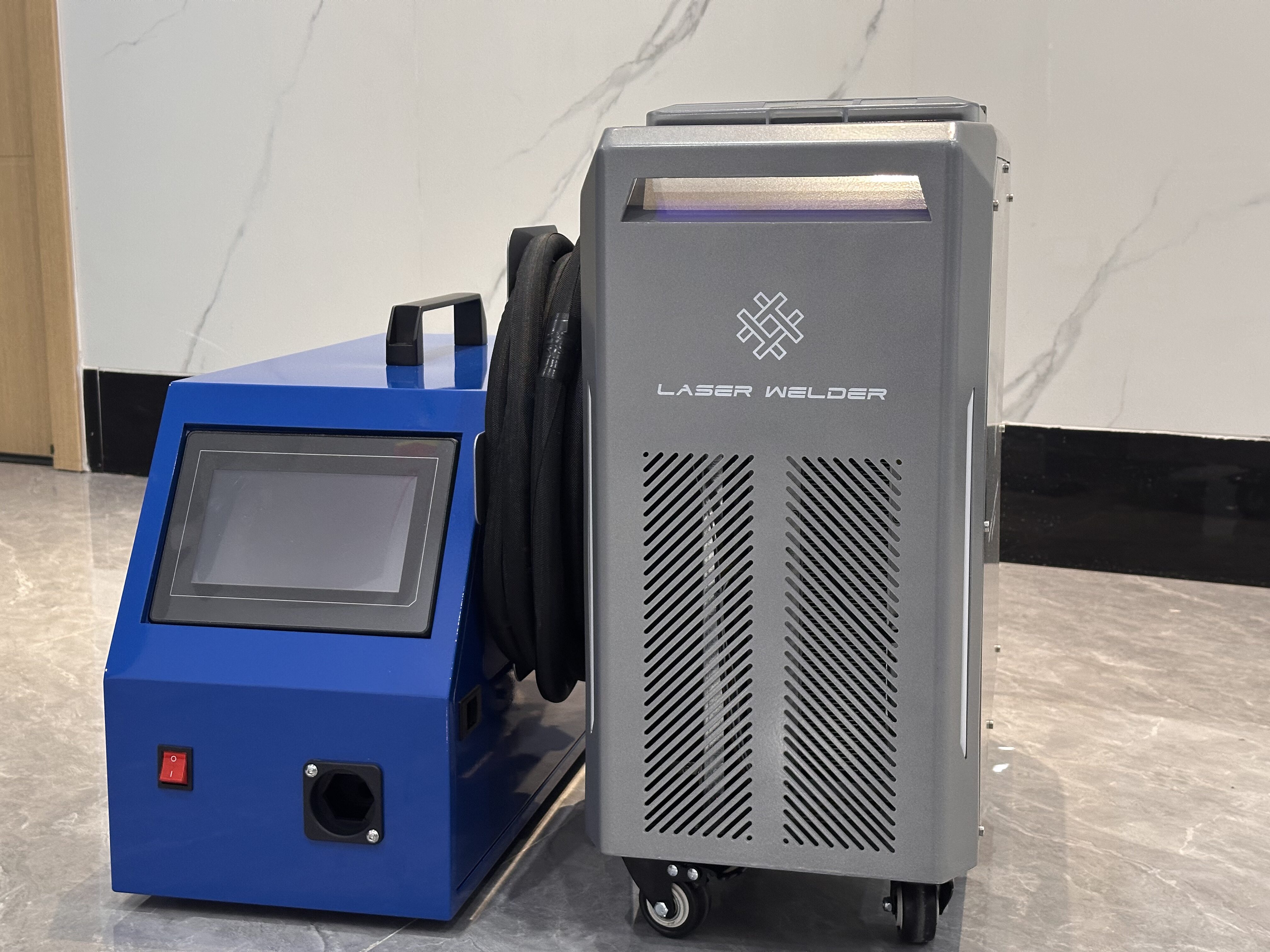
Why Mobility Matters in Modern Welding
Traditional welding setups often require:
- Heavy equipment
- Dedicated workspace
- Stable power infrastructure
- Transport of workpieces to the machine
In many real situations, moving the object to the welder is impossible. Large structures, installed components, or remote locations demand the opposite approach — bringing the welder to the job.
A handheld welding machine enables this shift by offering:
- Compact size
- Lightweight design
- Compatibility with portable power sources
- Quick setup time
This mobility significantly reduces downtime and labor costs.
Major Real-World Applications of Handheld Welders
Construction Site Repairs
Construction environments are dynamic and unpredictable. Structural elements, support frames, railings, and temporary fixtures often require on-site welding adjustments.
Portable welders are used for:
- Reinforcing steel beams
- Fixing structural joints
- Repairing scaffolding components
- Attaching brackets and supports
Because these tasks occur at various heights and locations, mobility is essential. Carrying a compact welder is far more practical than transporting heavy industrial equipment.
Agricultural Equipment Maintenance
Farm machinery operates under harsh conditions and frequently breaks down far from workshops. Downtime during harvest season can be extremely costly.
A portable arc welder allows farmers or technicians to repair:
- Tractor components
- Plow blades
- Trailer frames
- Irrigation systems
- Metal fencing
In rural areas where professional repair services may be distant, owning a small welding machine can be a critical advantage.
Automotive and Vehicle Repair
Vehicle repair is one of the most common uses for handheld welders. Mechanics and custom builders rely on them for:
- Exhaust system repairs
- Frame reinforcement
- Body panel fabrication
- Trailer maintenance
- Off-road vehicle modifications
Portable welders are especially useful for roadside repairs or work inside tight garages where space is limited.
Shipyards and Marine Applications
Marine environments present unique challenges, including corrosion, large structures, and difficult access points.
Handheld welders are used for:
- Dock repairs
- Hull maintenance
- Metal fittings installation
- Ship equipment repairs
Because ships cannot always be moved easily, mobile welding solutions are essential.
Home DIY and Metal Projects
For hobbyists and homeowners, a handheld welder unlocks the ability to create and repair metal structures without relying on professional services.
Common DIY uses include:
- Building gates and fences
- Repairing tools
- Fabricating furniture
- Constructing storage racks
- Creating artistic metal designs
The growing maker movement has significantly increased demand for compact welding tools suitable for beginners.
Emergency and Disaster Recovery Work
After storms, earthquakes, or industrial accidents, damaged infrastructure often requires rapid repair.
Portable welding equipment is used for:
- Restoring damaged structures
- Fixing utility components
- Rebuilding temporary supports
- Repairing heavy equipment
In these situations, speed and mobility are more important than maximum power.
Benefits of Using a Handheld Welder in the Field
Immediate On-Site Repairs
Waiting for equipment transport or specialized technicians can delay operations. A handheld welder allows instant repair work, minimizing downtime.
Reduced Labor and Logistics Costs
Transporting large machinery is expensive and time-consuming. Mobile welding reduces:
- Transportation expenses
- Setup time
- Workforce requirements
Flexibility Across Multiple Tasks
Portable welders can handle a wide variety of jobs, making them valuable multipurpose tools.
Accessibility in Tight Spaces
Many welding tasks occur in confined areas where bulky machines cannot reach. Compact welders allow operators to work inside:
- Machinery housings
- Vehicle frames
- Structural cavities
- Narrow construction zones
Limitations to Consider
Despite their advantages, handheld welders are not a universal solution.
Limited Output for Thick Materials
Heavy industrial welding of very thick steel often requires higher-power stationary equipment.
Cooling and Duty Cycle Constraints
Continuous operation may lead to overheating, requiring rest periods. This can slow productivity in high-volume tasks.
Skill Requirements
While portable welders are accessible, proper technique is still necessary to produce strong, safe welds.
Choosing the Right Handheld Welder for Applications
Different tasks require different capabilities.
Light Repair Work
For occasional repairs and thin materials, a compact low-power unit is sufficient.
General Maintenance and Fabrication
A mid-range machine with stable arc performance provides a balance between portability and capability.
Professional Field Use
Heavy-duty portable welders with higher output and durable construction are recommended for demanding environments.
Power Supply Considerations
Portable welders often operate on household electricity, but field work may require alternative power sources.
Options include:
- Standard AC outlets
- Generators
- Industrial power connections
- Battery-supported systems (emerging technology)
Matching the machine to available power is critical for reliable performance.
Safety Practices for Mobile Welding
Safety risks increase when welding outside controlled environments.
Essential precautions include:
- Wearing appropriate protective gear
- Ensuring proper grounding
- Maintaining safe distances from flammable materials
- Providing adequate ventilation
- Protecting nearby workers from arc flash
Portable equipment should never compromise safety standards.
Tips for Maximizing Efficiency
Prepare the Work Surface
Clean metal surfaces produce stronger welds and reduce defects.
Use Correct Electrodes
Choosing the right electrode type improves penetration and durability.
Monitor Temperature
Allow cooling periods to prevent machine damage.
Practice Proper Technique
Even the best equipment cannot compensate for poor welding technique.
The Future of Portable Welding Technology
Advances in electronics, materials, and power management continue to improve handheld welders.
Emerging trends include:
- Higher efficiency inverter systems
- Smarter thermal protection
- Digital control interfaces
- Lighter yet stronger designs
- Integration with portable energy solutions
These innovations will further expand the range of applications where portable welding tools can replace traditional equipment.
Conclusion
The handheld welder has become an indispensable tool across industries where mobility, speed, and flexibility matter. From construction sites to farms, from vehicle repair to DIY projects, portable welding machines enable high-quality work in locations where traditional equipment cannot operate.
While they may not replace heavy industrial systems for large-scale production, their value in maintenance, repair, and field operations is unmatched.
By understanding real-world applications, limitations, and best practices, users can select the right machine and achieve reliable, efficient results in virtually any environment.
As technology continues to evolve, handheld welders will play an even greater role in shaping the future of mobile fabrication and repair work.