Handheld Laser Welding: The Complete Guide to Modern Metal Welding Technology
News 2026-04-13
Introduction
In today’s competitive manufacturing landscape, efficiency, precision, and cost control are more important than ever. Traditional welding methods such as TIG and MIG have been widely used for decades, but they come with limitations including slower speeds, high heat input, and a strong dependence on skilled labor.
This is where handheld laser welding comes into play.
A handheld laser welding machine is a revolutionary tool that combines advanced fiber laser technology with portability and ease of use. It allows manufacturers to achieve high-quality welds at significantly higher speeds while reducing operational complexity.
From metal fabrication workshops to large-scale industrial production lines, handheld laser welding is rapidly becoming the preferred solution for modern metal joining.
What Is Handheld Laser Welding?
Handheld laser welding is an advanced welding process that uses a high-energy laser beam to join metal parts. Unlike traditional welding methods, which rely on electrical arcs or gas flames, laser welding focuses a concentrated beam of light onto a small area, instantly melting the material and forming a strong bond.
The key difference lies in its design:
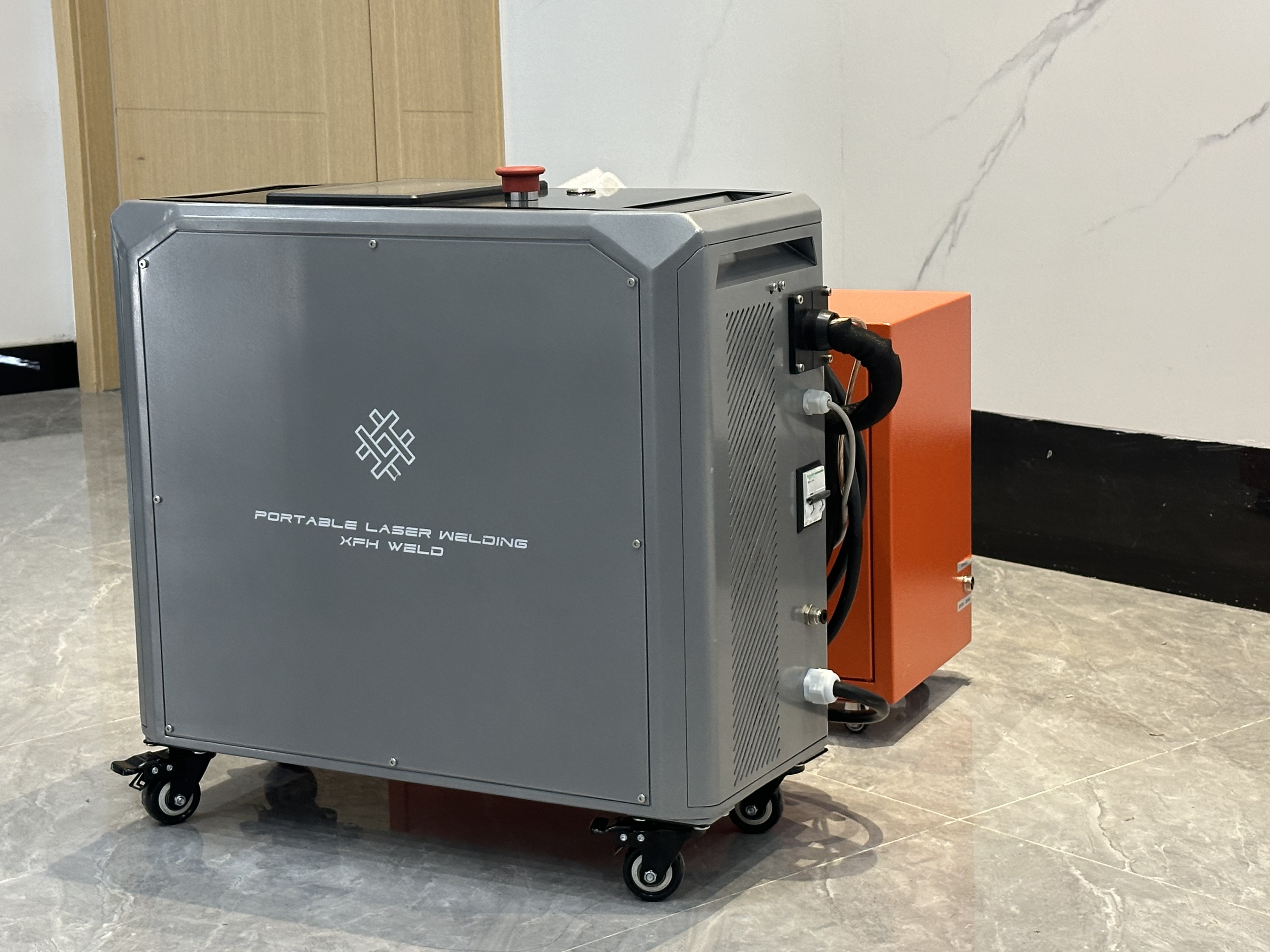
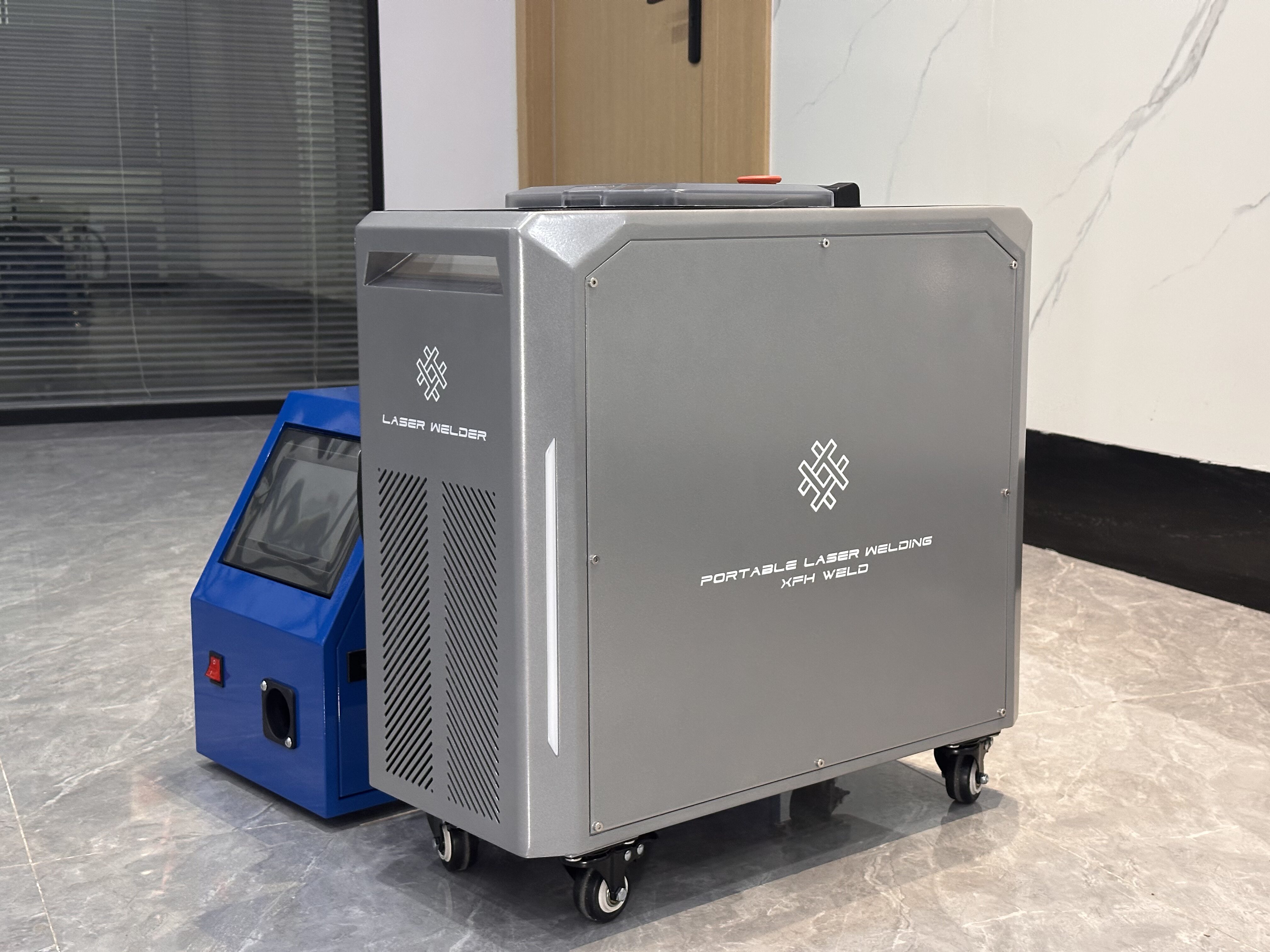
A portable laser welder features a handheld welding gun connected to a fiber laser source, making it flexible and easy to operate.
This innovation allows operators to weld complex shapes, large components, and hard-to-reach areas with minimal effort.
How Does a Handheld Laser Welding Machine Work?
The working principle of a fiber laser welding machine is based on high-energy density laser beams.
Step-by-Step Process
- The laser source generates a high-intensity beam
- The beam is transmitted through an optical fiber
- The handheld gun focuses the beam onto the metal surface
- The material melts and forms a weld pool
- The molten metal solidifies, creating a strong joint
Because the laser is highly concentrated, the heat-affected zone is extremely small, which significantly reduces distortion and improves weld quality.
Key Features of Handheld Laser Welding Machines
1. High-Speed Welding
One of the biggest advantages of handheld laser welding is speed. Compared to traditional methods, it can be 2–10 times faster, dramatically increasing productivity.
2. Superior Weld Quality
The weld seams produced by a handheld laser welding machine are smooth, clean, and aesthetically pleasing. In most cases, no post-processing such as grinding or polishing is required.
3. Minimal Heat-Affected Zone
Laser welding minimizes heat input, reducing:
- Material deformation
- Burn-through risks
- Structural damage
This is especially important for thin materials and precision components.
4. Easy Operation
Unlike TIG welding, which requires years of experience, handheld laser welding is much easier to learn. Even beginners can achieve professional results with minimal training.
5. Portability and Flexibility
The handheld design allows operators to move freely and weld large or complex structures without repositioning the workpiece.
6. Wide Material Compatibility
A metal laser welding system can handle various materials, including:
- Stainless steel
- Carbon steel
- Aluminum
- Copper
- Galvanized sheets
Handheld Laser Welding vs Traditional Welding (TIG/MIG)
Understanding the difference between laser welding and traditional methods is crucial when choosing equipment.
Comparison Overview
Speed:
Handheld laser welding is significantly faster than TIG and MIG welding.
Precision:
Laser welding offers higher precision with minimal spatter.
Heat Input:
Lower heat input reduces distortion and improves quality.
Skill Requirement:
Traditional welding requires skilled operators, while laser welding is beginner-friendly.
Post-Processing:
Laser welding usually eliminates the need for grinding or polishing.
Overall, handheld laser welding provides a more efficient and cost-effective solution for modern industries.
Applications of Handheld Laser Welding
The versatility of handheld laser welding makes it suitable for a wide range of industries.
1. Metal Fabrication
- Sheet metal processing
- Stainless steel structures
- Custom metal parts
2. Automotive Industry
- Car body welding
- Auto parts manufacturing
- Battery and component welding
3. Electronics Industry
- Precision components
- Micro welding applications
4. Construction and Hardware
- Doors and windows
- Railings and pipelines
5. Home Appliances
- Kitchen equipment
- Cabinets and sinks
6. Repair and Maintenance
- Equipment repair
- On-site welding tasks
Typical Technical Specifications
While specifications vary by model, most handheld laser welding machines fall within the following ranges:
- Laser Power: 1000W – 3000W
- Welding Thickness: 0.5mm – 8mm
- Wavelength: ~1080 nm
- Cooling System: Air cooling or water cooling
- Welding Speed: Up to 120 mm/s
- Fiber Length: 5–10 meters
These parameters can often be customized based on specific industrial needs.
Advantages of Handheld Laser Welding
1. Increased Productivity
Faster welding speeds translate into higher output and shorter production cycles.
2. Reduced Labor Costs
Because the system is easy to operate, companies can reduce reliance on highly skilled welders.
3. Lower Operational Costs
- Less material waste
- Minimal consumables
- Reduced rework
4. Improved Product Quality
Consistent weld quality leads to fewer defects and higher customer satisfaction.
5. Environmentally Friendly
Laser welding produces less smoke, dust, and waste compared to traditional methods.
How to Choose the Best Handheld Laser Welding Machine
Selecting the right machine is critical for maximizing performance and return on investment.
1. Choose the Right Laser Power
- 1000W: Thin materials
- 1500W–2000W: Most common applications
- 3000W: Heavy-duty industrial use
2. Consider the Cooling System
- Air cooling: Lightweight and portable
- Water cooling: More stable for long-term operation
3. Evaluate Ease of Use
Look for systems with:
- Pre-set welding parameters
- User-friendly interfaces
- Safety features
4. Check After-Sales Support
Reliable technical support, training, and spare parts availability are essential.
Handheld Laser Welding Price Factors
The cost of a handheld laser welding machine varies depending on several factors:
- Laser power
- Brand and components
- Cooling system
- Additional functions (cleaning, cutting)
Typically, prices range from $3,000 to $10,000+, depending on configuration.
While the initial investment may be higher than traditional welders, the long-term savings and productivity gains make it highly cost-effective.
Future Trends in Handheld Laser Welding
The laser welding industry continues to evolve rapidly.
1. Multi-Function Integration
Machines are evolving from single-function welders to 3-in-1 and 5-in-1 systems (welding, cleaning, cutting).
2. Automation and Robotics
Integration with robotic systems is enabling fully automated production lines.
3. Smart Welding Systems
AI-driven parameter optimization and real-time monitoring are improving efficiency and consistency.
4. Higher Power and Portability
Future machines will be more powerful yet lighter and more portable.
Conclusion
Handheld laser welding is transforming the way industries approach metal joining. With its unmatched speed, precision, and ease of use, it has become a key technology in modern manufacturing.
Whether you are a small workshop or a large industrial enterprise, investing in a handheld laser welding machine can significantly improve productivity, reduce costs, and enhance product quality.
As the technology continues to advance, handheld laser welding will play an even more important role in the future of metal fabrication.