Fiber Laser Welding Machine: Complete Guide for Modern Manufacturing
News 2026-03-27
Introduction: Why This Technology Is Transforming Industry
In today’s manufacturing environment, companies are under constant pressure to improve efficiency, reduce labor costs, and maintain consistent product quality.
Traditional welding methods such as TIG and MIG welding are still widely used, but they often require skilled operators and can lead to inconsistent results.
This is where the fiber laser welding machine has become a preferred solution.
With advantages such as high speed, low heat distortion, and clean weld seams, this technology is helping factories upgrade their production capabilities.
What Is a Fiber Laser Welding Machine?
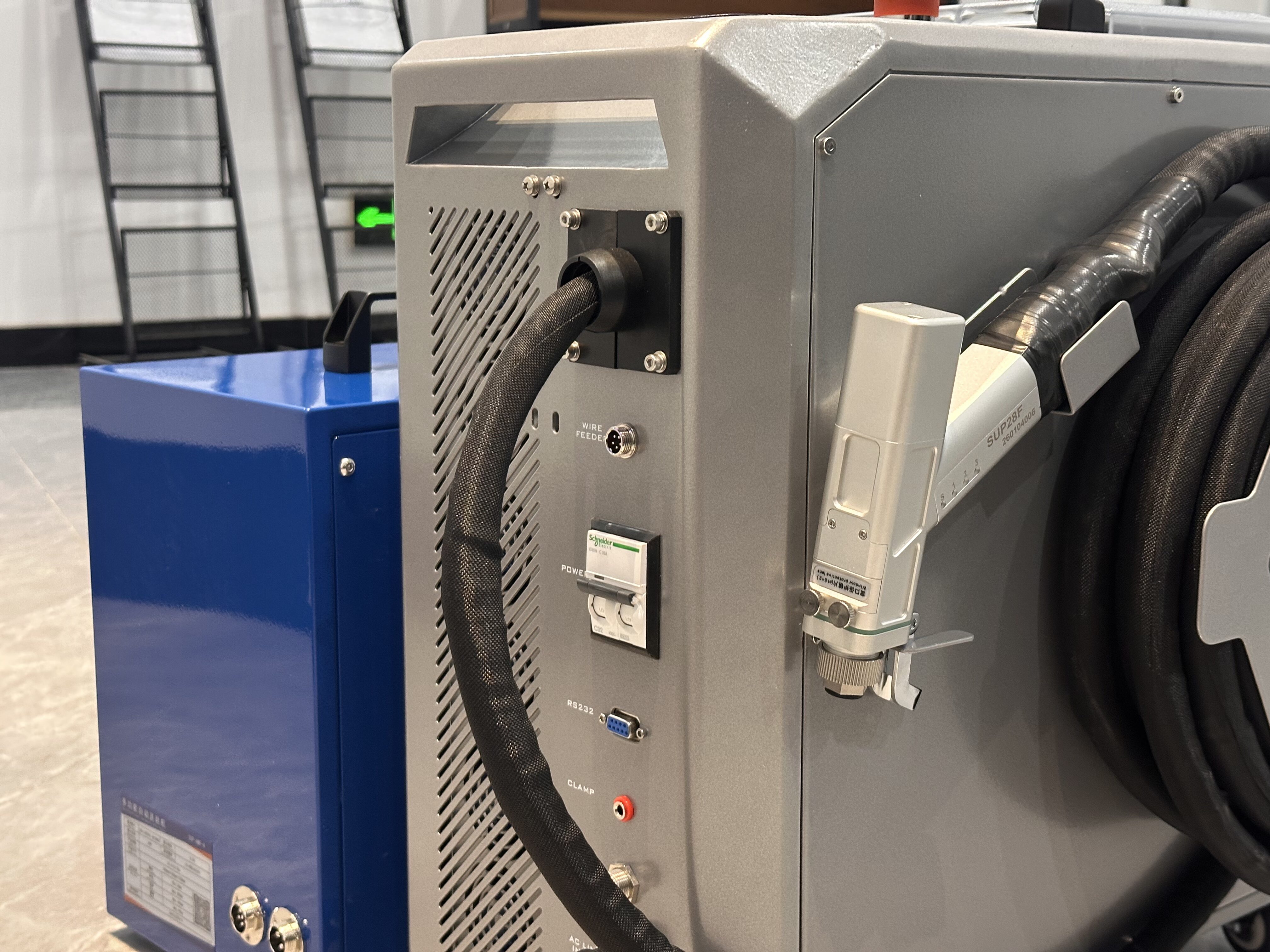
A fiber laser welding machine uses a fiber laser source to generate a high-energy beam that joins metal materials.
The beam is transmitted through optical fiber and focused onto the workpiece, melting the material and forming a strong weld.
Compared to conventional methods, this system offers better precision, higher efficiency, and more stable performance.
It is commonly used for welding:
How the Welding Process Works
The process is relatively straightforward:
- The laser source generates a high-energy beam
- The beam is delivered through a fiber optic cable
- It is focused onto the welding area
- The material melts and forms a weld pool
- The molten metal cools and solidifies
Because the process is highly controlled, results are consistent and repeatable.
Types of Fiber Laser Welding Systems
Handheld Systems
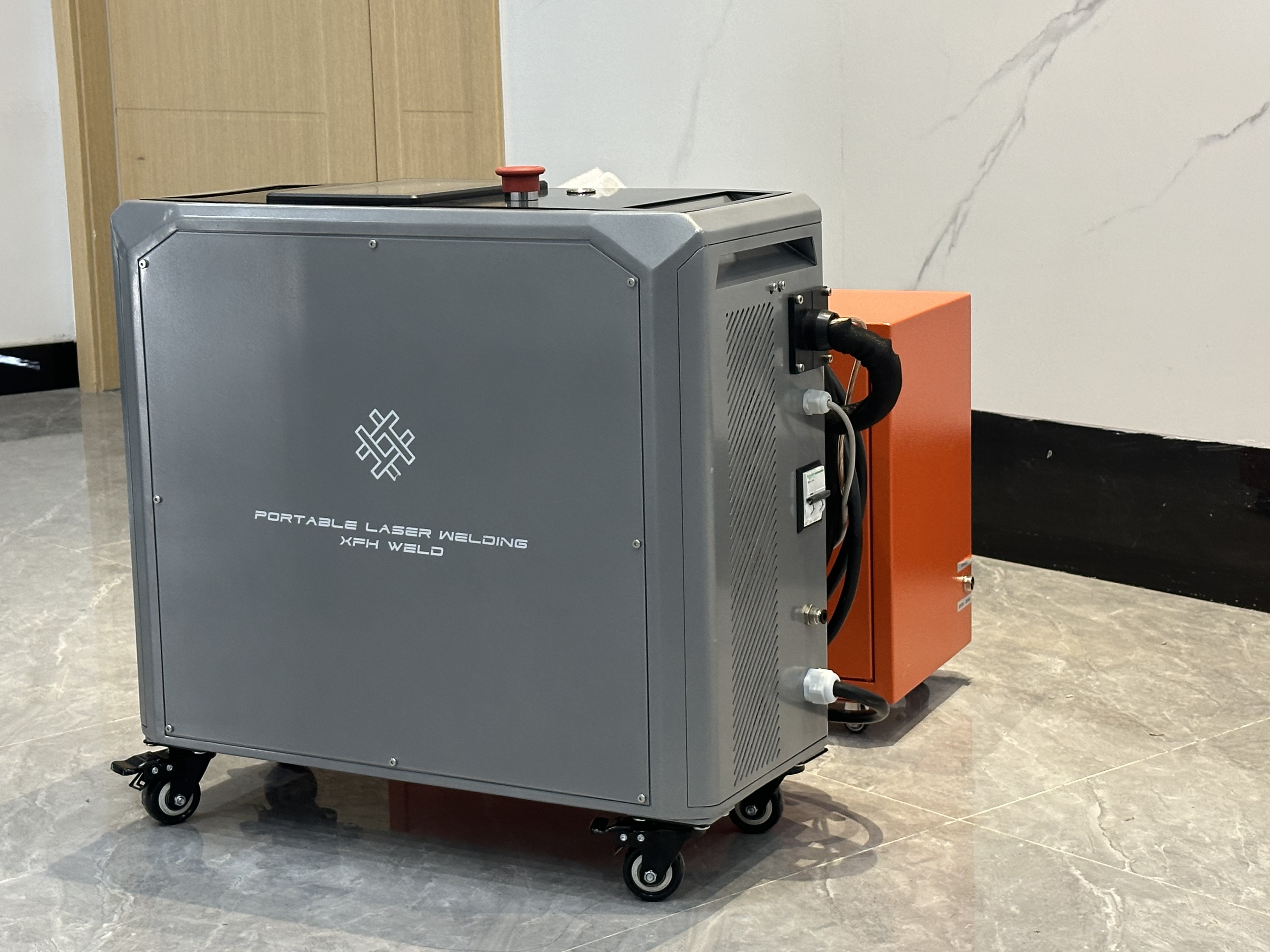
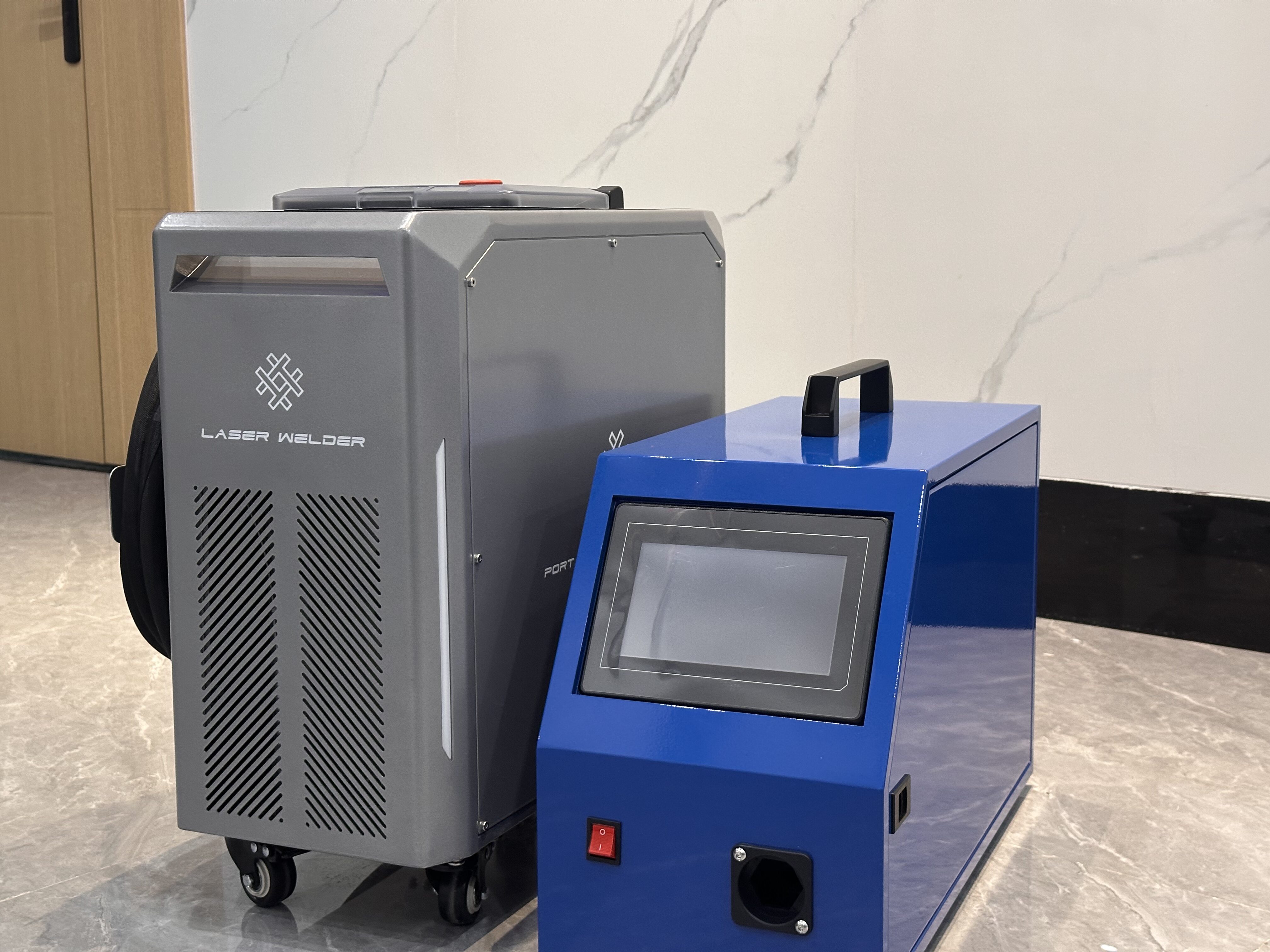
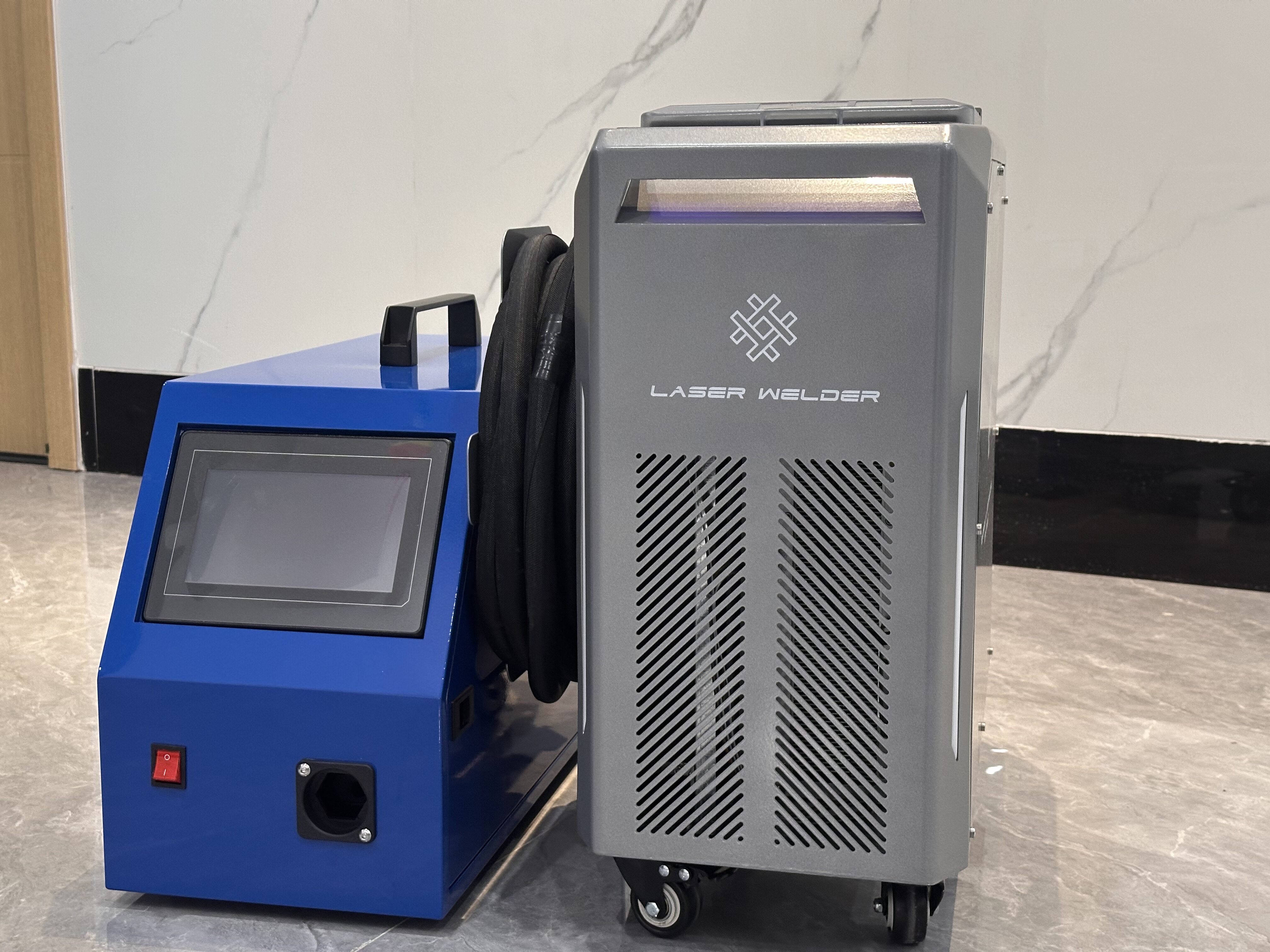
A fiber laser welding machine in handheld form is designed for flexibility.
- Easy to use
- Portable
- Ideal for small workshops
Automated Systems
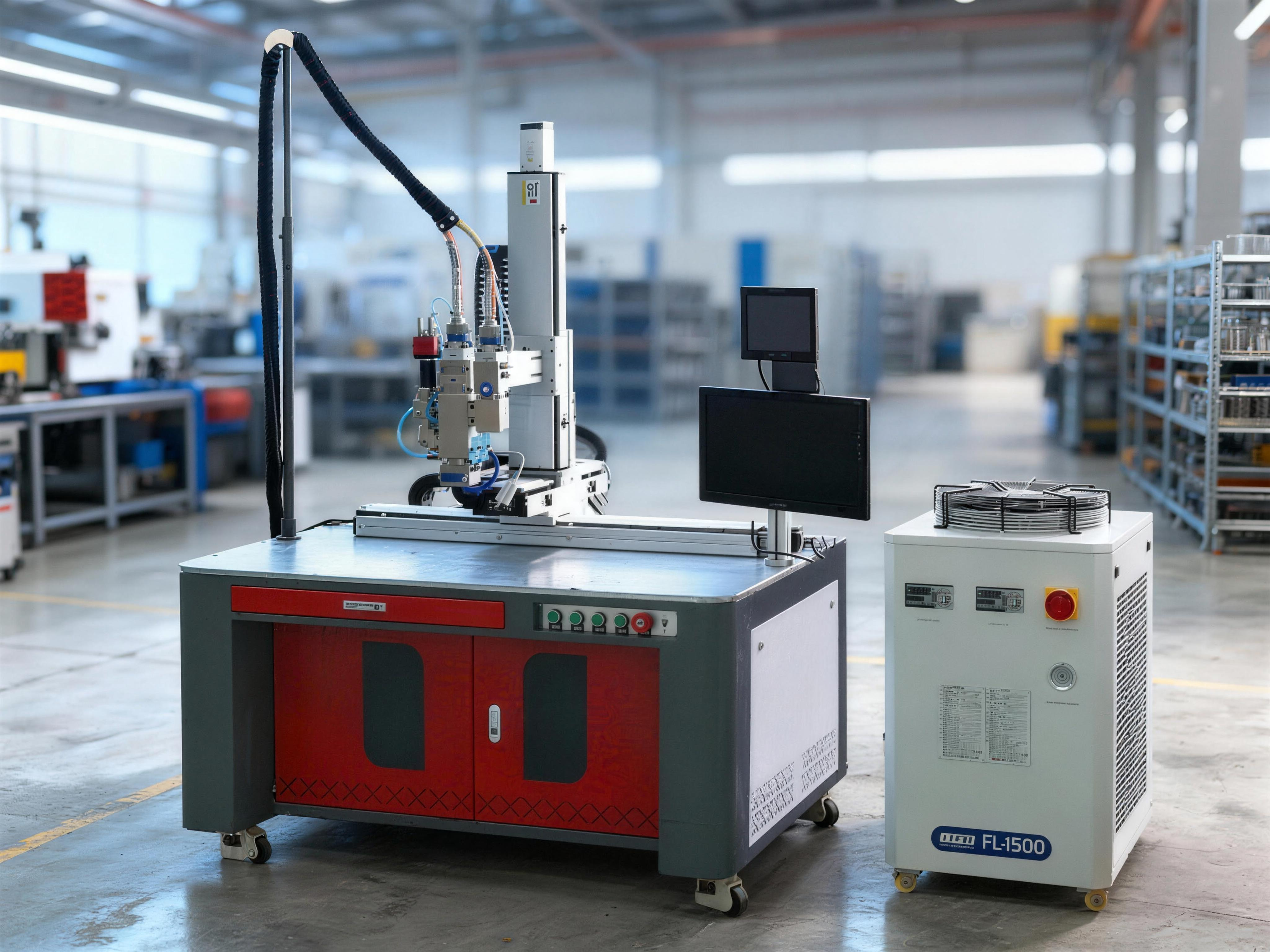
Automated solutions are used for industrial production.
- High efficiency
- Stable output
- Consistent quality
Robotic Welding Systems
These systems are designed for advanced manufacturing.
- High precision
- Complex welding paths
- Suitable for large-scale production
Key Advantages of Fiber Laser Welding
High Speed
A fiber laser welding machine can significantly increase production efficiency.
Low Heat Input
- Reduced deformation
- Smaller heat-affected zone
High Precision
- Ideal for thin materials
- Suitable for detailed components
Clean Weld Quality
- Smooth seams
- Minimal spatter
- Less finishing work required
Easy Operation
Compared to traditional welding:
- Lower skill requirements
- Faster training
Industrial Applications
This technology is widely used in various industries.
Sheet Metal Fabrication
- Cabinets
- Enclosures
- Structural parts
Kitchen Equipment Manufacturing
- Stainless steel products
- Decorative components
Door and Window Production
- Aluminum frames
- Structural joints
Automotive Industry
- Body panels
- Battery housings
Aluminum Product Manufacturing
- Lightweight components
- Industrial structures
Price Overview
The cost of a fiber laser welding machine varies depending on configuration.
Typical Price Range
- Entry-level: $3,000 – $6,000
- Mid-range: $4,000 – $8,000
- Advanced systems: $10,000+
Factors Affecting Price
- Laser power
- Machine structure
- Cooling system
- Automation level
- Software features
Cost vs Long-Term Value
A fiber laser welding machine may require higher upfront investment, but it reduces long-term costs through:
- Lower labor expenses
- Higher efficiency
- Reduced defects
Comparison with Traditional Welding
Laser-Based Welding
- Faster
- More precise
- Cleaner results
TIG / MIG Welding
- Lower initial cost
- Requires skilled operators
- Slower production
How to Choose the Right Equipment
Material Thickness
- Thin materials → lower power
- Thick materials → higher power
Cooling Method
- Air-cooled → simple and portable
- Water-cooled → better for continuous production
Stability Matters
Choosing a stable fiber laser welding machine ensures:
- Consistent results
- Less downtime
- Longer lifespan
Ease of Use
Look for:
- Simple interface
- Easy parameter adjustment
After-Sales Support
Reliable suppliers should offer:
- Technical support
- Spare parts
- Maintenance services
Common Buying Mistakes
Focusing Only on Price
Lower cost often means compromised quality.
Ignoring Cooling System
Cooling directly affects performance and durability.
Overlooking Support
Lack of support can disrupt production.
Choosing Wrong Power
Incorrect configuration leads to poor results.
Why Stability Is More Important Than Power
Many buyers focus on power, but in real applications, stability is more important.
A well-designed fiber laser welding machine provides:
- Consistent weld quality
- Reliable operation
- Better overall efficiency
Business Benefits for Manufacturers
Using a fiber laser welding machine can help factories:
- Increase production speed
- Reduce labor costs
- Improve product quality
- Minimize material waste
This leads to stronger competitiveness in the market.
Opportunities for Distributors
The global demand for laser welding equipment is growing rapidly.
Key Advantages:
- Expanding market
- Strong profit potential
- Repeat business opportunities
Target Customers:
- Metal fabrication factories
- Industrial manufacturers
- Automotive suppliers
Future Trends
Automation Integration
- Robotic systems
- Smart production lines
Multi-Function Equipment
- Welding + cleaning + cutting
Energy Efficiency Improvements
- Lower operating costs
- Higher productivity
Conclusion
The fiber laser welding machine is becoming a key tool in modern manufacturing.
With its ability to deliver speed, precision, and efficiency, it offers clear advantages over traditional welding methods.
For buyers, success depends on selecting equipment that provides:
- Stability
- Proper configuration
- Reliable support
Investing in the right solution can significantly improve production performance and long-term profitability.