Automated Welding Guide: What Manufacturers Need to Know Before Upgrading
News 2026-03-24
Introduction: Why Automated Welding Is Becoming a Standard in Manufacturing
Across industries such as metal fabrication, automotive, and equipment manufacturing, companies are facing increasing pressure to improve productivity while maintaining consistent quality.
At the same time, skilled welders are becoming harder to find, and labor costs continue to rise.
This is why automated welding is no longer just an option—it is becoming a necessity.
By replacing manual processes with controlled, repeatable systems, automated welding allows manufacturers to:
- Increase production speed
- Improve weld consistency
- Reduce labor dependency
- Lower long-term operational costs
However, before investing in an automated system, it is important to understand how it works, what it costs, and whether it is the right fit for your production environment.
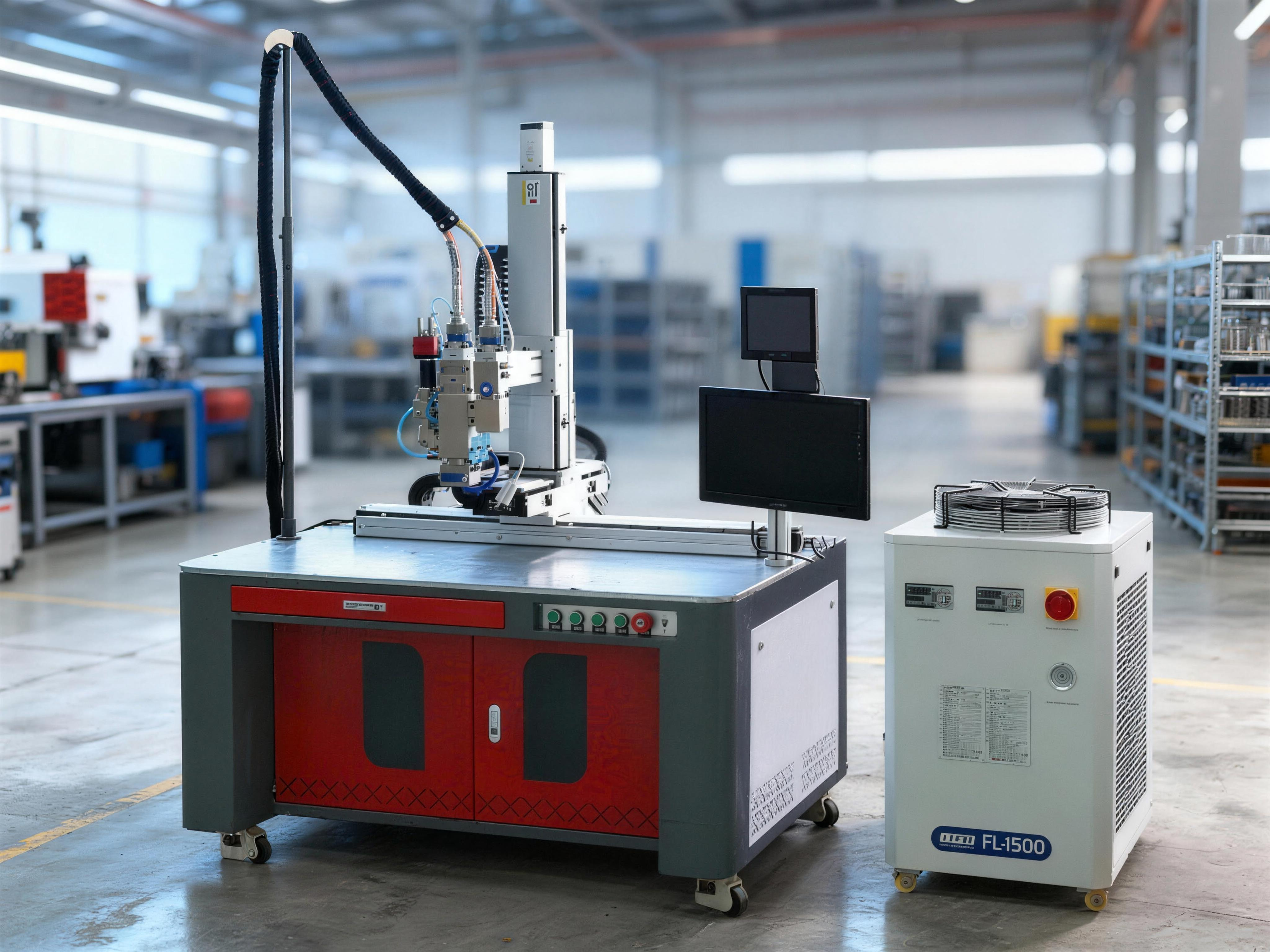
What Is Automated Welding?
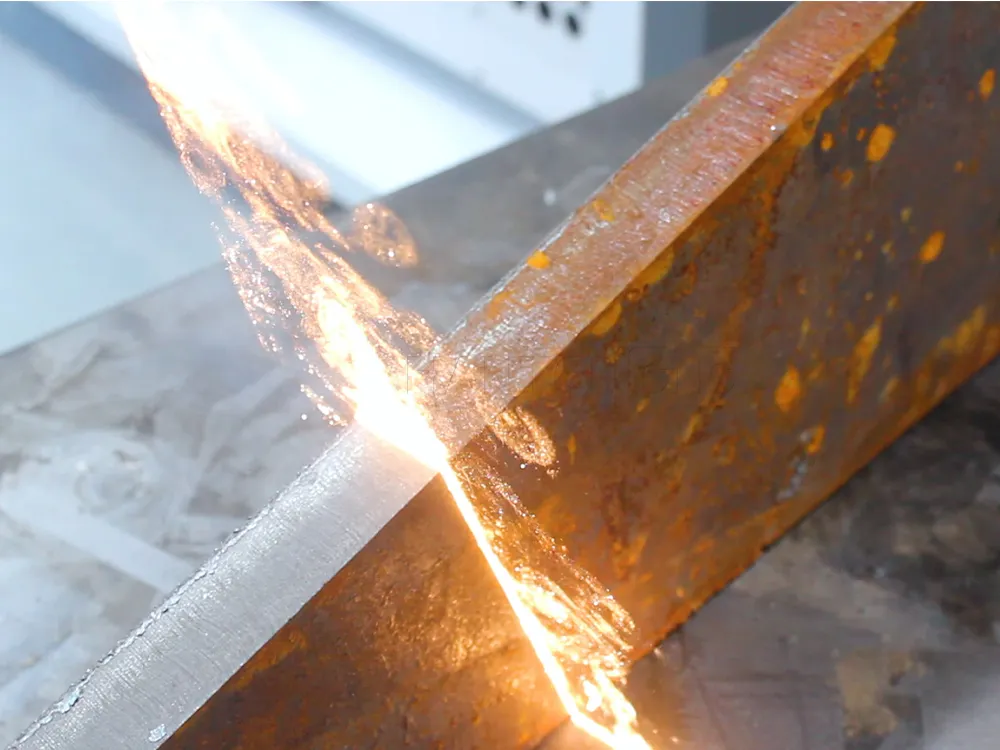
Automated welding refers to the use of machines, programmable systems, or robots to perform welding operations with minimal human intervention.
Unlike manual welding, where results depend heavily on operator skill, automated welding relies on:
- Pre-programmed parameters
- Controlled motion systems
- Consistent welding conditions
This results in highly repeatable and predictable weld quality.
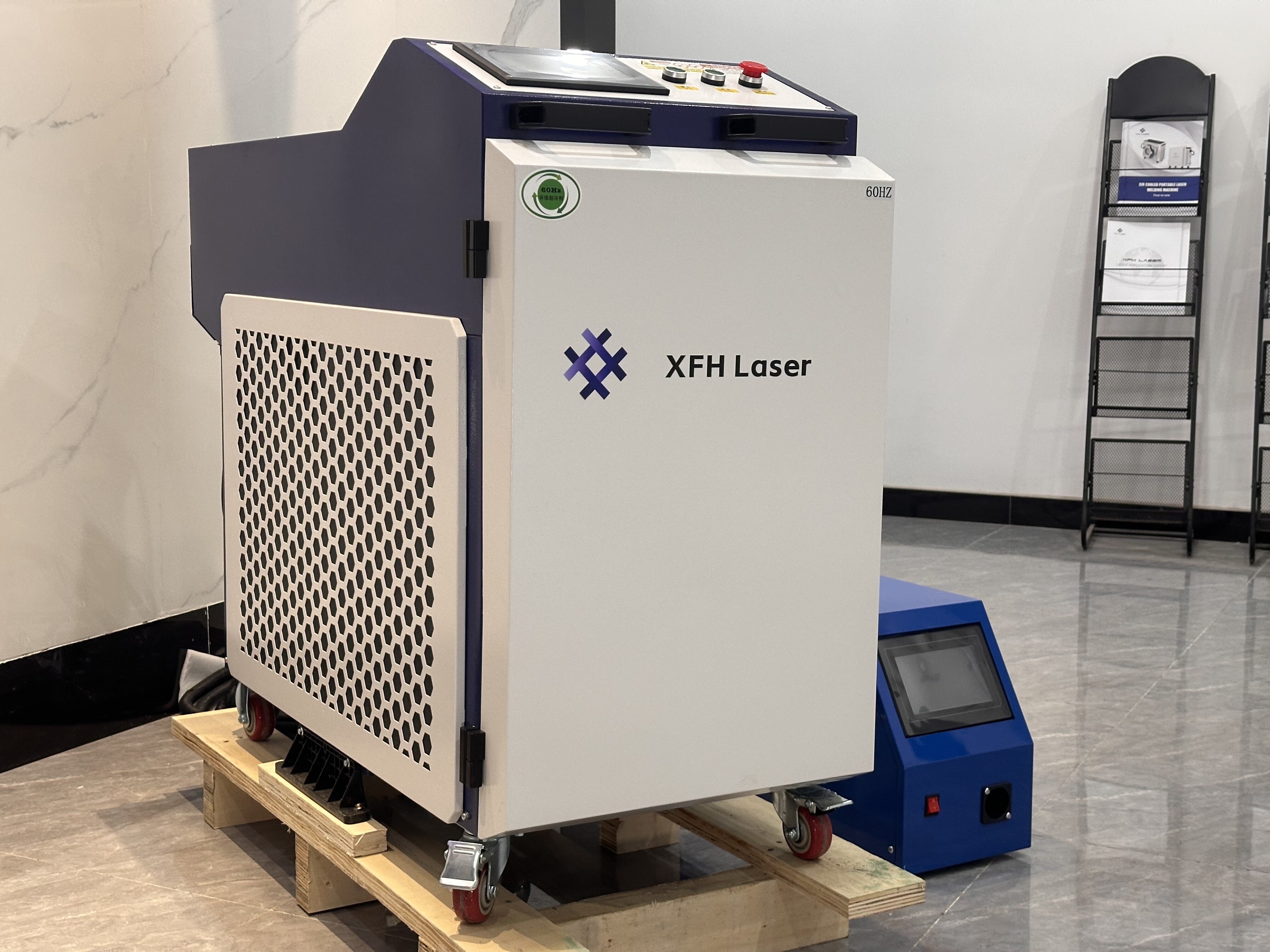
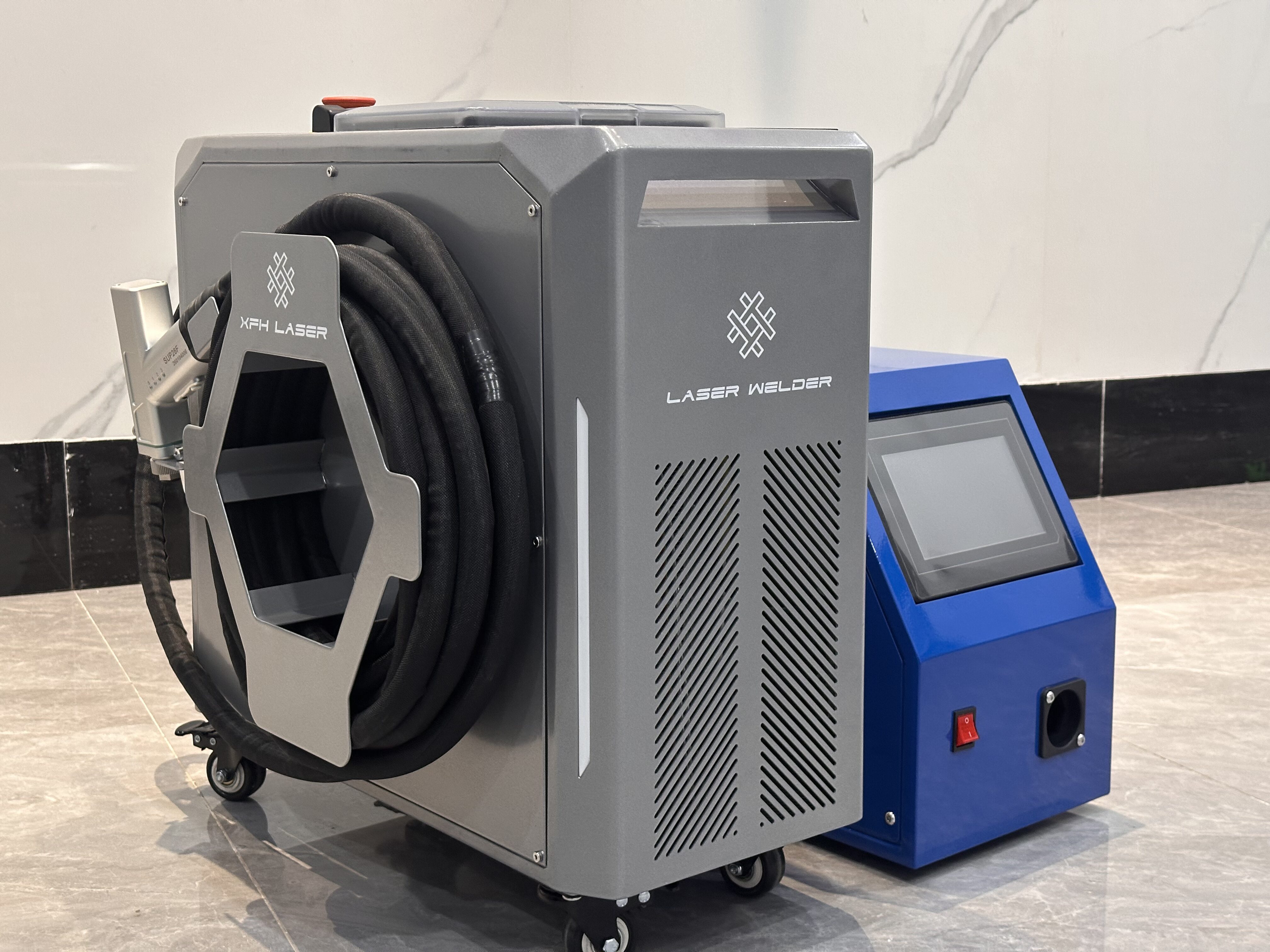
Automated welding can range from simple mechanized setups to fully robotic production lines integrated with advanced control systems.
Types of Automated Welding Systems
Understanding different system types is essential when evaluating automated welding solutions.
Semi-Automated Welding Systems
In semi-automated setups:
- Operators load and position parts
- The machine controls welding parameters
Best for:
- Small to medium production
- Companies transitioning from manual welding
Fully Automated Welding Systems
Fully automated systems handle:
- Part positioning
- Welding execution
- Process control
These systems require minimal human involvement and are ideal for:
- High-volume production
- Standardized products
Robotic Welding Systems
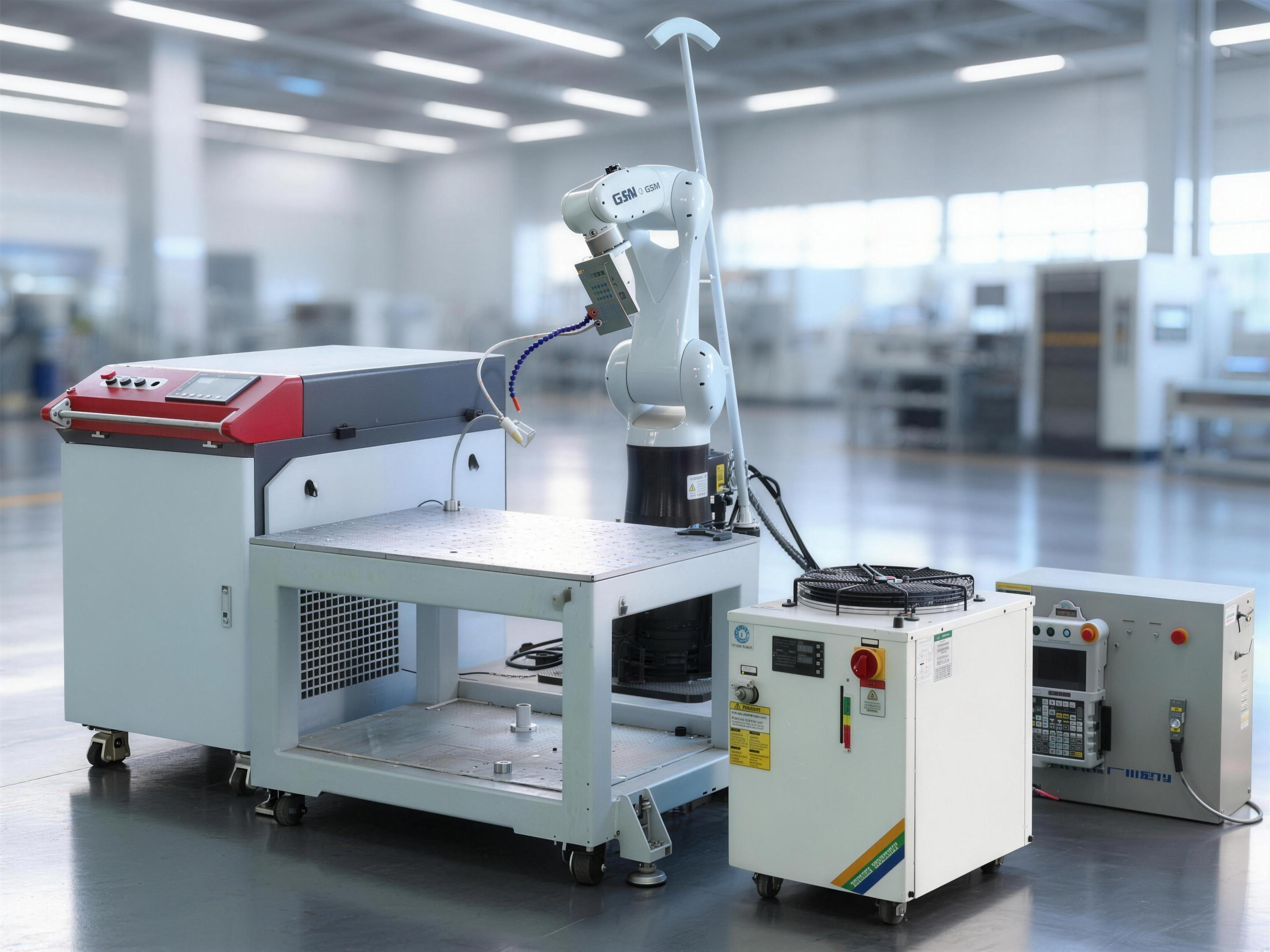
Robotic welding is one of the most advanced forms of automated welding.
Features include:
- Robotic arms for flexible movement
- Ability to weld complex geometries
- Integration with sensors and vision systems
Commonly used in:
- Automotive manufacturing
- Large-scale industrial production
Fixed vs Flexible Automation
- Fixed automation → Best for repetitive, high-volume production
- Flexible automation → Suitable for varied product types and customization
Choosing between these depends on your production requirements.
How Automated Welding Works
The automated welding process follows a structured workflow:
- Programming welding parameters (speed, power, path)
- Positioning the workpiece using fixtures or robots
- Executing the weld with controlled motion
- Monitoring quality using sensors or software
- Completing post-weld inspection
Advanced systems may include:
- Real-time monitoring
- Adaptive control
- Data tracking for quality assurance
Key Benefits of Automated Welding
1. Consistent Weld Quality
One of the biggest advantages of automated welding is repeatability.
Every weld is performed using the same parameters, resulting in:
- Uniform weld seams
- Reduced defects
- Improved product quality
2. Increased Production Efficiency
Automated systems can operate continuously, enabling:
- Faster cycle times
- Higher throughput
- 24/7 production capability
3. Reduced Labor Costs
Automation reduces reliance on skilled welders, which are often in short supply.
This is especially valuable in regions facing labor shortages.
4. Lower Material Waste
Precise control reduces:
- Over-welding
- Scrap
- Rework
5. Improved Workplace Safety
Automated welding systems reduce worker exposure to:
- Heat
- Fumes
- Radiation
Applications of Automated Welding
Automotive Industry
- Body assembly
- Exhaust systems
- Battery components
Sheet Metal Fabrication
- Cabinets and enclosures
- Structural components
Aerospace Industry
- High-precision parts
- Lightweight structures
Energy and Pipeline
- Pipe welding
- Pressure vessels
Machinery Manufacturing
- Equipment frames
- Industrial components
Automated Welding vs Manual Welding
Automated Welding
- High consistency
- Faster production
- Lower long-term cost
Manual Welding
- Greater flexibility
- Lower initial investment
Key Insight
Automated welding is most effective when:
- Production volume is high
- Products are standardized
- Quality requirements are strict
Cost of Automated Welding Systems
Typical Investment Range
- Semi-automated systems: $5,000 – $30,000
- Robotic welding systems: $10,000 – $60,000+
- Fully integrated lines: $50,000+
Factors That Affect Cost
- Level of automation
- System complexity
- Integration requirements
- Software and control features
ROI Consideration
Although initial investment is high, automated welding can deliver strong returns through:
- Labor cost reduction
- Increased production efficiency
- Lower defect rates
Many factories achieve ROI within 1–3 years.
How to Choose the Right Automated Welding Solution
Step 1: Evaluate Production Volume
High-volume production benefits most from automation.
Step 2: Analyze Product Consistency
Automation works best with standardized products.
Step 3: Define Budget and ROI Goals
Balance upfront cost with long-term benefits.
Step 4: Consider Integration
Ensure compatibility with:
- Existing equipment
- Production lines
- Control systems
Common Mistakes to Avoid
Over-Automation
Not all processes require full automation.
Ignoring Training Needs
Operators still need training to manage automated systems.
Underestimating Maintenance
Regular maintenance is essential for system performance.
Choosing Based Only on Price
The cheapest system may not deliver reliable performance.
Future Trends in Automated Welding
Robotic Welding Expansion
Robotic systems are becoming more flexible and affordable.
AI and Smart Manufacturing
Future systems will include:
- Real-time adjustments
- Predictive maintenance
- Data-driven optimization
Integration with Laser Welding
Laser technology is increasingly used in automated welding systems for:
- Higher precision
- Faster processing
- Cleaner welds
Is Automated Welding Right for Your Business?
Automated welding is ideal if you:
- Have high production volume
- Require consistent quality
- Want to reduce labor dependency
However, for small-scale or highly customized production, semi-automated solutions may be more suitable.
Conclusion
Automated welding is transforming modern manufacturing by improving efficiency, quality, and cost control.
While the initial investment can be significant, the long-term benefits often outweigh the cost, especially for factories focused on scaling production and maintaining consistent quality.
The key is to choose the right level of automation based on your specific needs.
For manufacturers looking to stay competitive, adopting automated welding is not just an upgrade—it is a strategic move toward the future of industrial production.