Are Laser Welding Devices Worth It in 2026? Cost, Benefits & Real-World Applications
News 2026-02-27
Introduction
Over the past decade, the laser welding device has evolved from a niche industrial tool into a widely discussed solution across engineering communities, manufacturing facilities, and even small workshops. As costs gradually decrease and technology becomes more accessible, many professionals are asking the same question: Are laser welders really worth the investment?
The answer depends heavily on application, production volume, and performance expectations. While traditional welding methods such as MIG and TIG remain dominant in many industries, modern laser welding machines offer unmatched precision, reduced heat distortion, and automation potential.
This article explores how a laser welding device works, where it excels, what it costs, and whether investing in a laser welder makes sense for your operation in 2026.
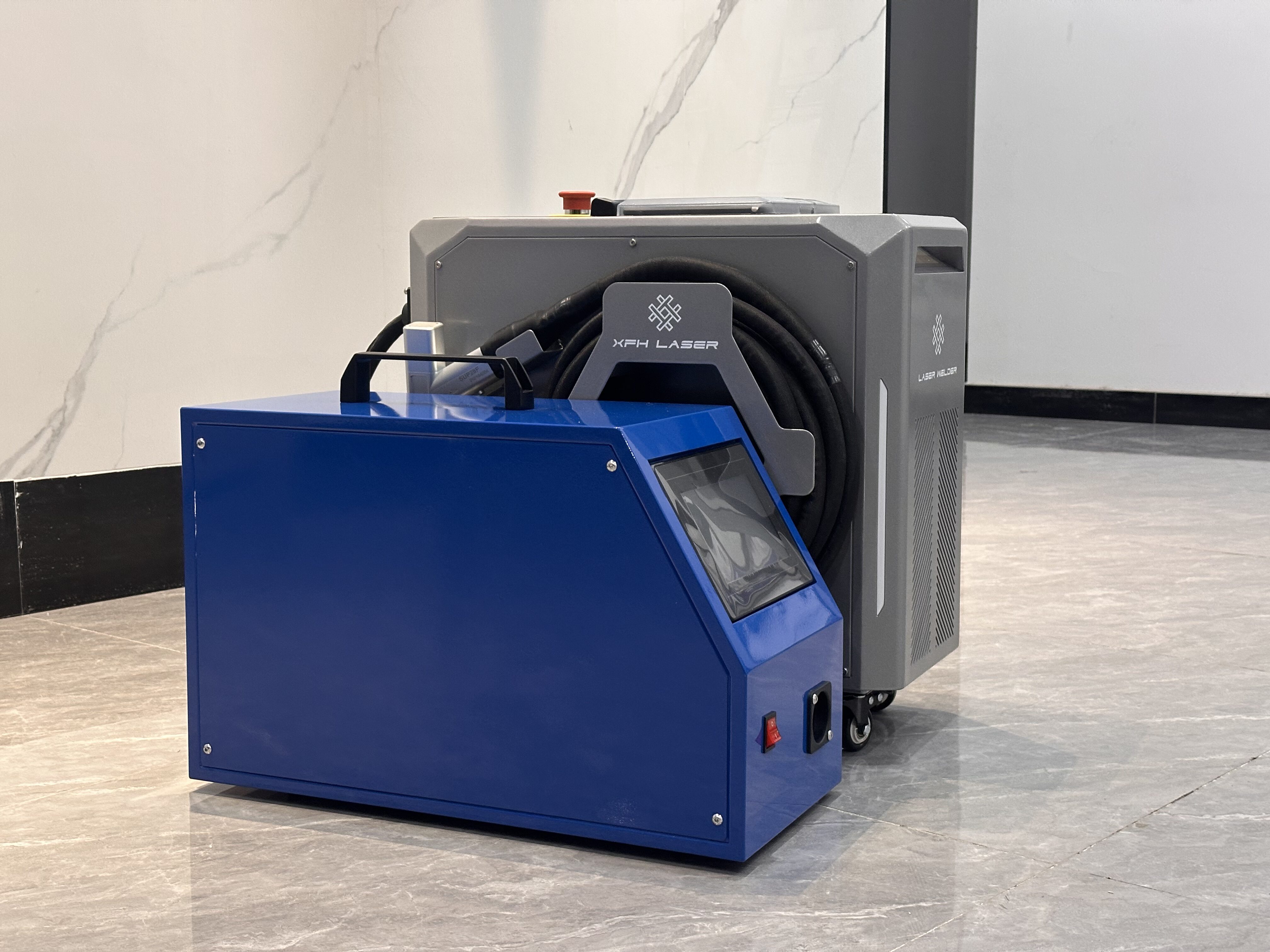
What Is a Laser Welding Device?
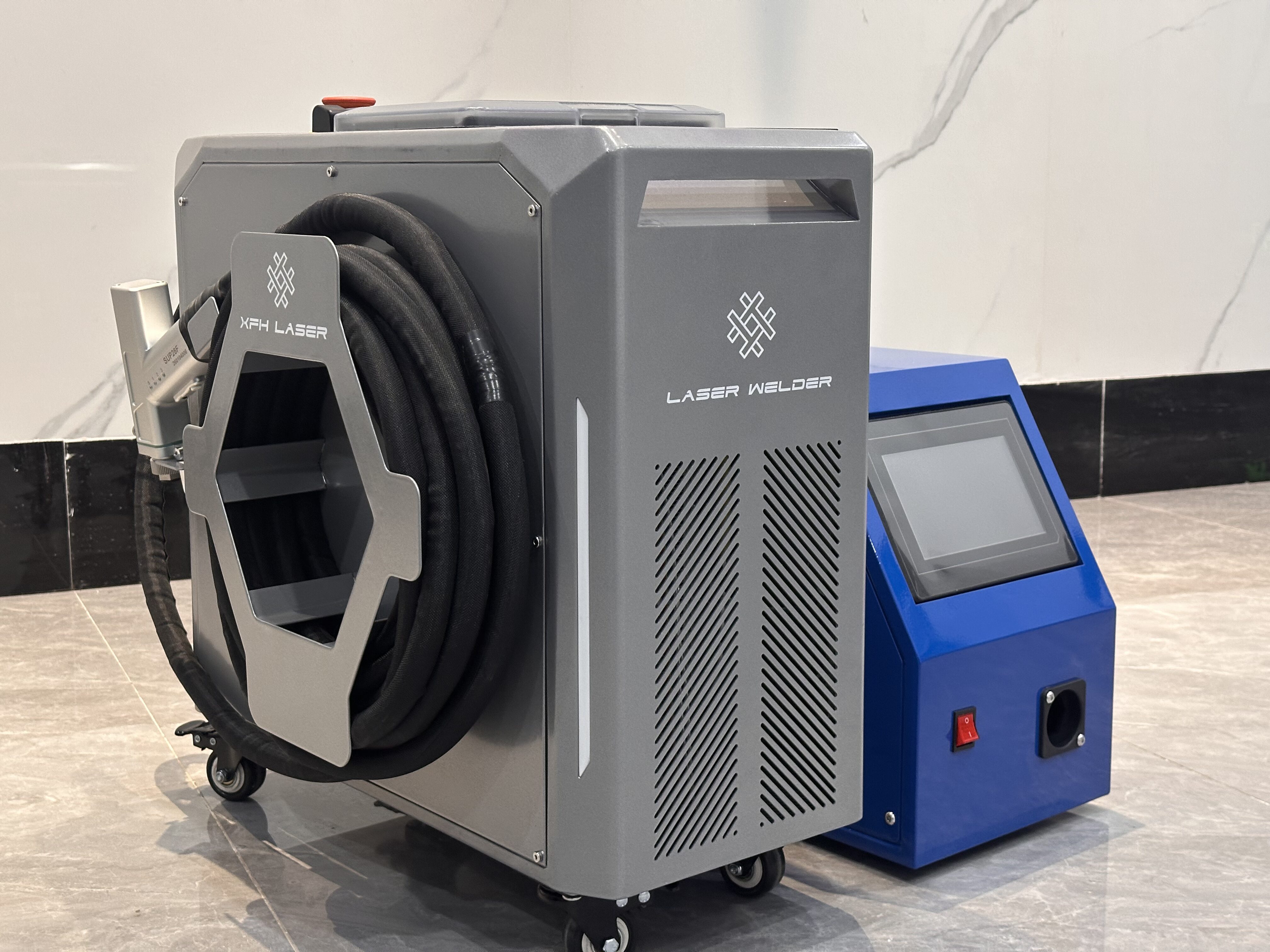
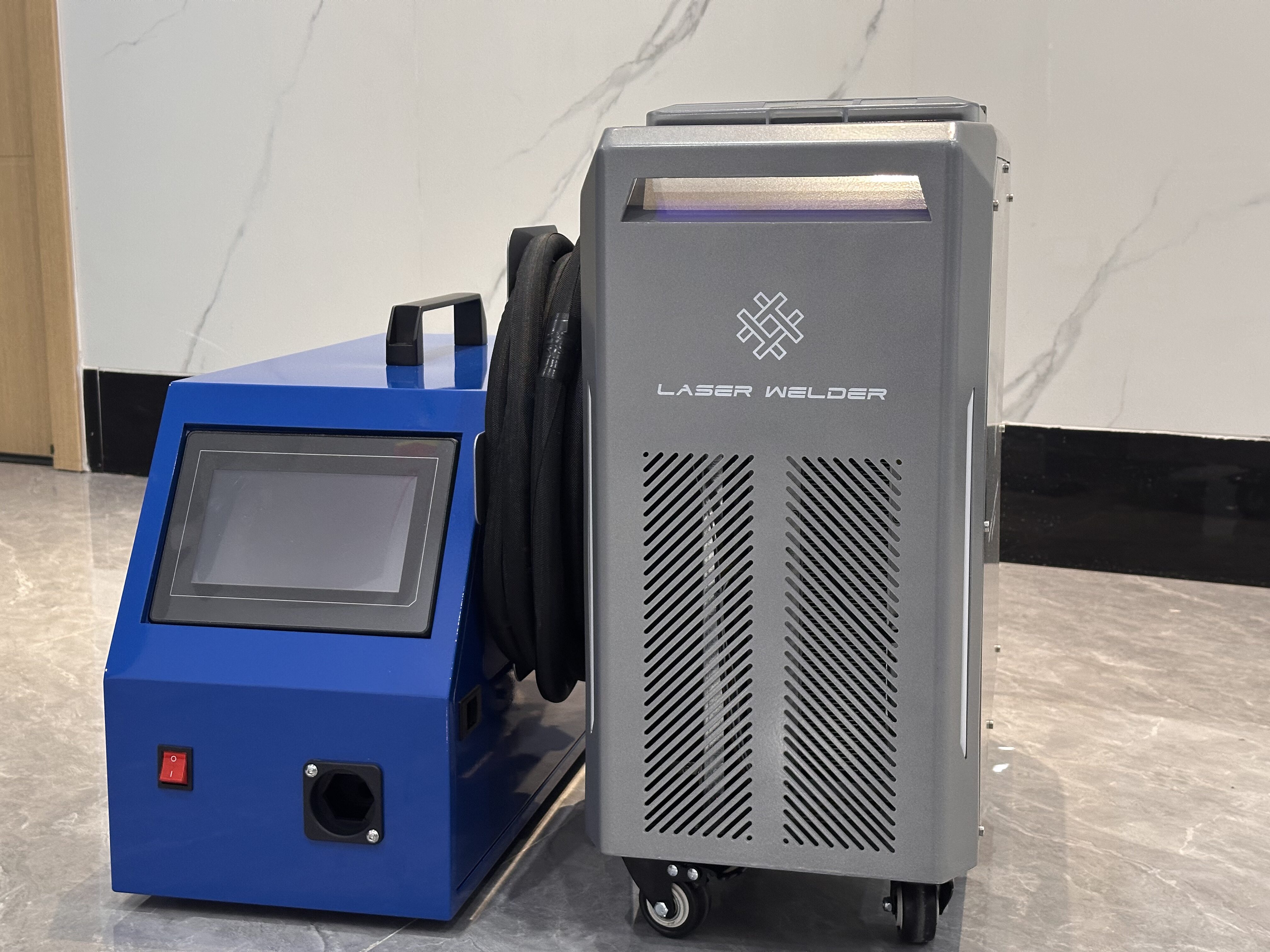
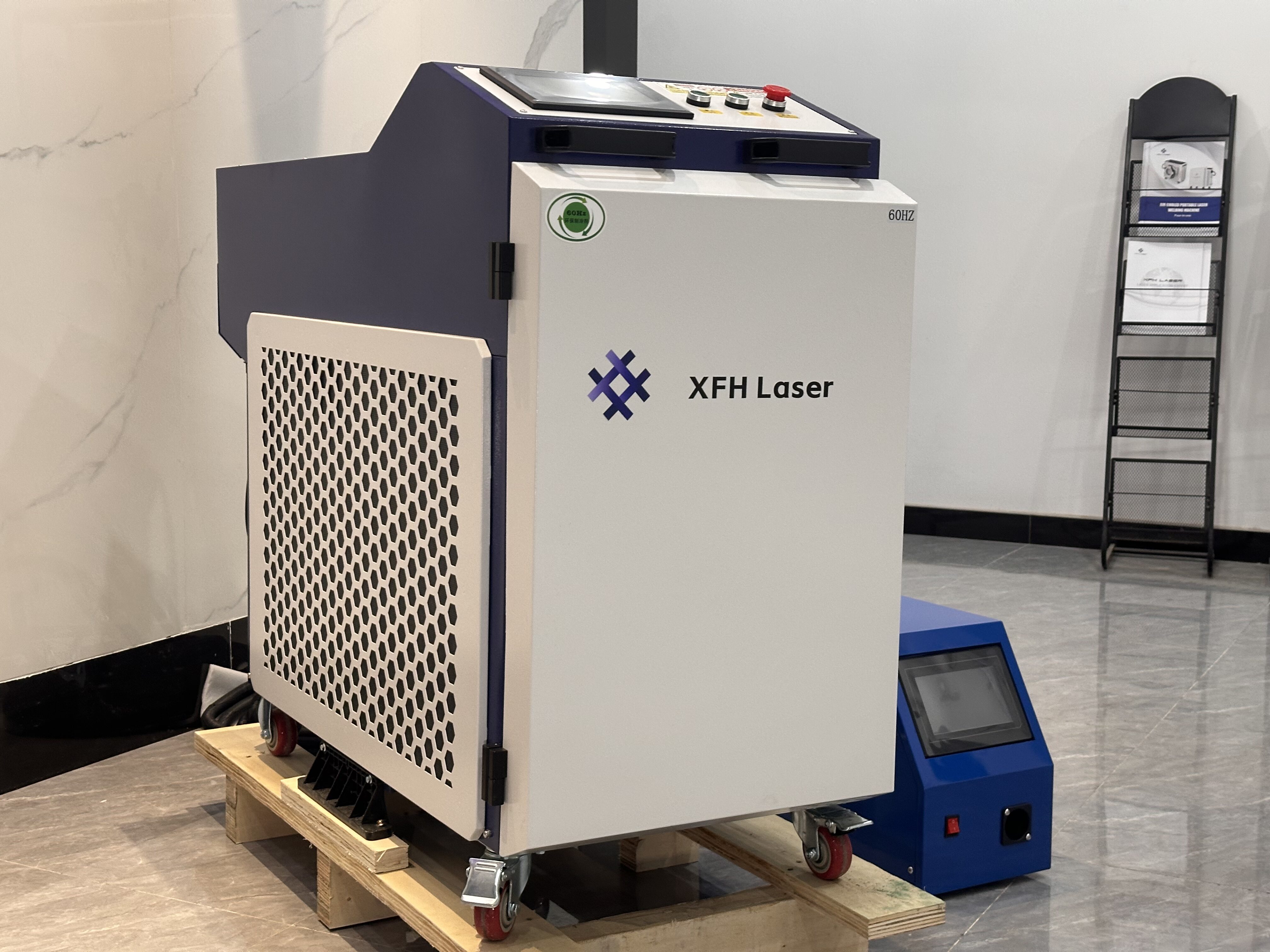
A laser welding device is a system that uses a concentrated beam of high-energy light to melt and fuse materials, typically metals. Unlike arc-based welding, which relies on electrical arcs and filler materials, laser welding delivers highly focused energy directly to the weld joint.
A typical laser welding machine includes:
- Laser source (often fiber-based)
- Beam delivery system (optics or fiber cable)
- Control interface
- Cooling system
- Workpiece fixture or motion system
The laser beam generates intense localized heat, creating a weld pool that solidifies rapidly. This controlled energy delivery enables extremely precise welds with minimal heat-affected zones (HAZ).
How Laser Welding Works
Laser welding operates in two main modes:
Conduction Mode
Used for shallow welds, conduction welding melts the material surface without deep penetration. It is ideal for thin materials and cosmetic welds.
Keyhole Mode
In higher-power systems, the laser creates a vaporized cavity (keyhole) that allows deep penetration. This method is commonly used in industrial laser welder applications where strong structural joints are required.
Modern fiber laser welders can switch between these modes depending on power and focus settings.
Advantages of Using a Laser Welding Device
Exceptional Precision
Precision laser welding allows operators to create extremely fine weld seams, often without the need for filler material. This makes it ideal for industries requiring micro-level accuracy.
Minimal Heat Distortion
Traditional welding methods introduce significant heat, which can warp thin materials. A laser welder focuses energy precisely, reducing thermal spread and distortion.
High Welding Speed
Laser welding machines typically operate faster than TIG welding, especially in automated environments. This increases production efficiency and reduces labor costs.
Clean Weld Appearance
Laser welds are often smooth and aesthetically clean, minimizing post-processing and grinding.
Automation Compatibility
An industrial laser welder can be easily integrated into robotic systems, making it suitable for mass production and Industry 4.0 environments.
Key Industries Using Laser Welding Devices
Laser welding devices are widely adopted across multiple manufacturing sectors due to their high precision, speed, low heat distortion, and ability to weld thin or complex metal components. Below are the major industries where handheld and automated laser welders deliver the greatest value.
Sheet Metal Fabrication Factories
Sheet metal workshops are among the largest users of laser welding devices. These factories produce electrical enclosures, cabinets, structural frames, HVAC components, and custom metal parts that require clean seams and minimal post-processing.
Traditional welding methods often cause warping or require extensive grinding. Laser welders produce narrow, smooth weld beads with minimal deformation, making them ideal for stainless steel, carbon steel, and galvanized sheets.
Typical applications include:
- Control cabinets and switch boxes
- Electrical enclosures
- Metal housings
- Distribution boxes
- Structural sheet assemblies
The speed advantage also significantly improves production throughput for batch manufacturing.
Kitchen Equipment & Catering Industry
Commercial kitchen manufacturers rely heavily on stainless steel fabrication, where appearance, hygiene, and corrosion resistance are critical.
Laser welding devices enable seamless joints that are smooth, strong, and easy to clean — a key requirement for food-grade equipment.
Common welded products include:
- Industrial sinks and wash stations
- Commercial stoves and ovens
- Stainless steel countertops
- Food processing machinery
- Ventilation hoods
Because laser welding produces minimal spatter and discoloration, it reduces polishing time and preserves the material’s corrosion resistance.
Stainless Steel Product Manufacturing
Manufacturers of decorative and functional stainless steel products benefit greatly from laser welding technology. These products often require high visual quality and precise joints.
Laser welders allow for fine control, making them suitable for both thin sheets and thicker structural parts.
Typical products include:
- Railings and balustrades
- Decorative panels
- Furniture frames
- Storage tanks
- Metal art installations
- Elevator components
The clean weld appearance reduces the need for secondary finishing, lowering labor costs while improving product quality.
Door and Window Manufacturing
Metal door and window factories frequently work with aluminum alloys, stainless steel, and galvanized steel. Laser welding devices are ideal for assembling frames, brackets, and reinforcement structures with high dimensional accuracy.
Key advantages for this industry include:
- Minimal heat distortion (important for frame alignment)
- Strong yet aesthetically clean joints
- Fast production cycles
- Reduced need for filler materials
Typical applications include:
- Security doors
- Fire-rated doors
- Aluminum window frames
- Curtain wall components
- Structural connectors
Laser welding is especially valuable for thin aluminum profiles that are difficult to weld using traditional methods.
Aluminum Product Manufacturing
Aluminum is widely used for its lightweight properties, corrosion resistance, and strength-to-weight ratio — but it is also challenging to weld using conventional techniques.
Modern laser welding devices can efficiently join aluminum components with proper parameter control and filler selection.
Common aluminum applications include:
- Industrial frames
- Heat sinks
- Automotive components
- Aerospace parts
- Consumer electronics housings
- Aluminum furniture
Laser welding reduces porosity and distortion, producing stronger joints compared to many traditional methods.
Mechanical Equipment Manufacturing
Machinery and equipment manufacturers often require precise, durable welds for structural parts and assemblies. Laser welding devices support both thin precision parts and medium-thickness components.
Typical uses include:
- Machine frames
- Protective covers
- Mounting brackets
- Structural supports
- Precision mechanical components
The ability to automate laser welding also makes it ideal for mass production environments.
HVAC and Ductwork Industry
Heating, ventilation, and air-conditioning manufacturers work extensively with thin sheet metal that must maintain airtight seams and structural integrity.
Laser welding offers:
- Continuous airtight joints
- Minimal deformation of thin sheets
- High production speed
- Clean internal surfaces
Applications include:
- Air ducts
- Ventilation components
- Fan housings
- Heat exchanger casings
Custom Metal Fabrication Workshops
Small and medium fabrication shops increasingly adopt handheld laser welding devices because of their versatility and low training requirements.
These workshops produce a wide range of custom metal products, such as:
- Furniture
- Decorative structures
- Equipment housings
- Repair parts
- Prototype components
A single laser welder can replace multiple traditional welding processes, improving efficiency and reducing operational complexity.
Laser Welding vs TIG: Which Is Better?
When comparing laser welding vs TIG, several differences emerge:
| Factor | Laser Welder | TIG Welding |
|---|---|---|
| Precision | Extremely high | High |
| Speed | Faster | Slower |
| Heat Distortion | Minimal | Moderate |
| Skill Requirement | Moderate | High |
| Initial Cost | Higher | Lower |
TIG welding remains a cost-effective solution for many applications. However, when speed, precision, and repeatability matter most, a laser welding device often delivers superior performance.
Laser Welding Cost in 2026
One of the biggest concerns for buyers is laser welding cost.
Entry-Level Portable Laser Welding Device
- Price range: $3,000 – $5,000
- Suitable for small workshops and light fabrication
Mid-Range Fiber Laser Welder
- Price range: $4,000 – $6,000
- Higher power output and better cooling systems
Industrial Laser Welder Systems
- Price range: $7,000 – $10,000+
- Robotic integration and automation capabilities
While the upfront cost of a laser welding machine is higher than traditional welders, the long-term return on investment may justify the expense through:
- Increased productivity
- Reduced material waste
- Lower rework rates
- Improved weld consistency
Are Laser Welders Worth It?
Community discussions among engineers often highlight a key theme: laser welders are worth it when their advantages align with production requirements.
A laser welding device makes sense when:
- Precision is critical
- Materials are thin or heat-sensitive
- High production speed is required
- Automation is planned
However, for general repair work or thick structural welding, conventional methods may remain more practical and economical.
Operational Considerations
Power Requirements
Laser welding machines require stable electrical input and proper grounding.
Cooling Systems
Most fiber laser welders use water-cooling systems to maintain performance.
Maintenance
Laser welders have fewer consumables than MIG systems, but optics and lenses must be maintained carefully.
Safety in Laser Welding
Operating a laser welding device requires strict safety measures.
Key considerations include:
- Laser-rated protective eyewear
- Enclosed working environments
- Interlock systems
- Fume extraction
Unlike arc welding, laser radiation may not be visible, making protective measures even more important.
Portable Laser Welding vs Industrial Systems
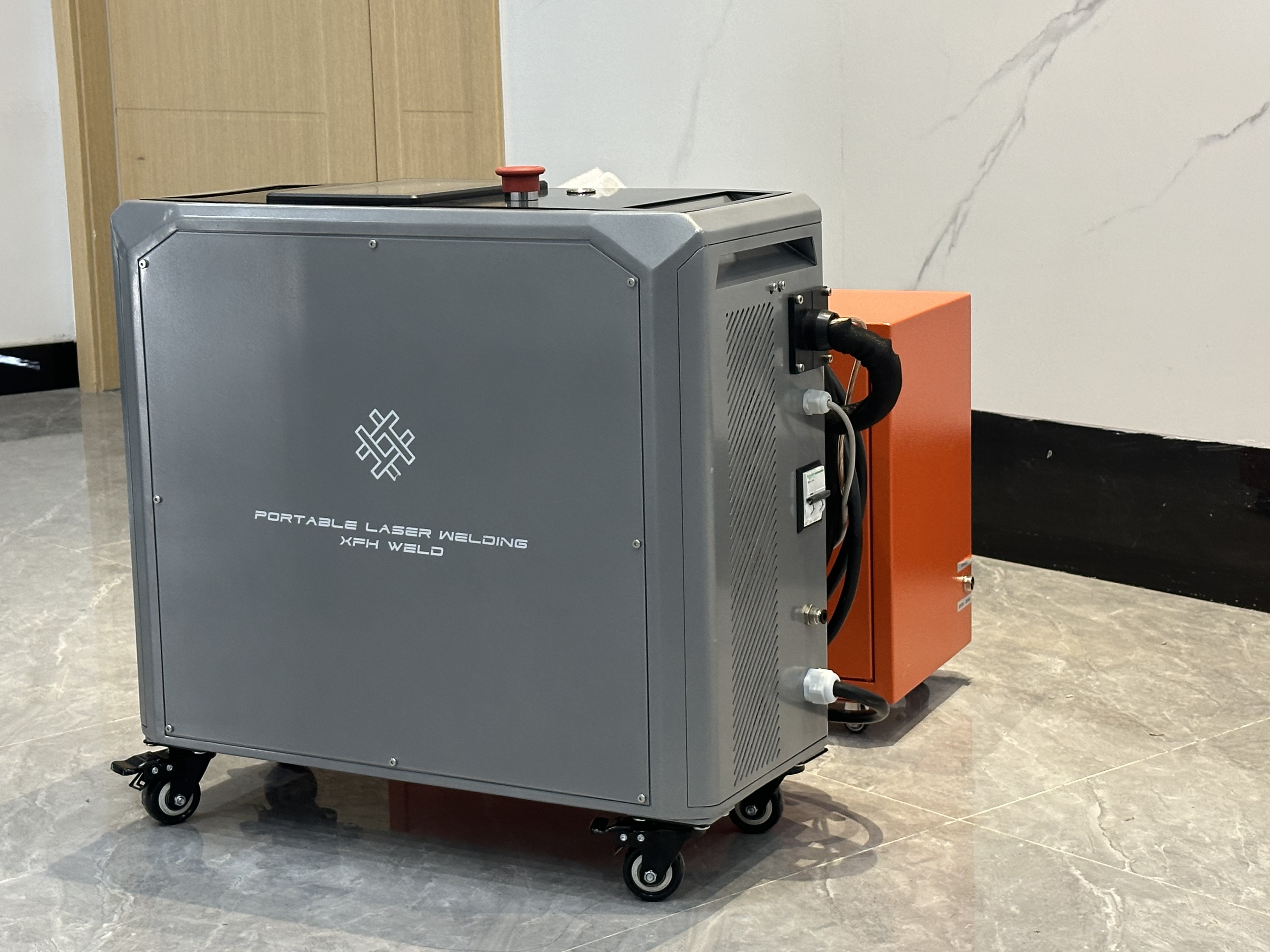
Portable laser welding devices are gaining popularity due to:
- Compact size
- Lower cost
- Ease of use
Industrial systems, on the other hand, offer:
- Higher power output
- Robotic integration
- Continuous production capability
Choosing between the two depends on scale and workflow demands.
Limitations of Laser Welding Devices
Despite their advantages, laser welders have limitations:
- High initial investment
- Sensitivity to joint fit-up
- Reflective material challenges (e.g., copper)
- Training requirements
Understanding these factors ensures realistic expectations.
Future Trends in Laser Welding Technology
Looking ahead to 2026 and beyond, several trends are shaping the industry:
- Increased affordability of fiber laser welder systems
- AI-assisted weld monitoring
- Hybrid laser-arc welding systems
- Energy-efficient laser sources
- Compact mobile industrial laser welder platforms
These advancements may further expand laser welding applications across industries.
How to Decide If a Laser Welding Device Is Right for You
Ask the following questions:
- Do you require high-precision welds?
- Are your materials thin or heat-sensitive?
- Is production speed critical?
- Do you plan to automate in the future?
- Can your budget support higher initial costs?
If the majority of answers are yes, investing in a laser welder may be justified.
Conclusion
The laser welding device is not a universal replacement for traditional welding methods. However, in applications requiring precision, speed, minimal distortion, and automation compatibility, a laser welder offers undeniable advantages.
While laser welding cost remains higher than conventional equipment, decreasing prices and improved efficiency are making these systems more accessible. For businesses seeking long-term productivity gains and advanced manufacturing capabilities, a laser welding machine can be a strategic investment in 2026.
Careful evaluation of application requirements, budget, and operational needs will ultimately determine whether a laser welding device is worth it for your specific situation.